While pitched roofs naturally shed water and debris through gravity, flat roofs present unique challenges that make them significantly more vulnerable to moisture intrusion, structural issues, and premature failure. Understanding why flat roofs require more frequent professional inspections can save commercial property owners thousands in emergency repairs and extend their roof system lifespan considerably.
What Makes Flat Roofs More Vulnerable
The fundamental difference between flat and pitched roofing systems lies in their approach to water management and structural design. Flat roofs—technically low-slope roofs with a pitch of less than 2:12—rely on membrane systems and internal drainage rather than gravity-assisted water runoff. This creates several inherent vulnerabilities that require vigilant monitoring.
Commercial flat roofs typically utilize membrane systems such as TPO (thermoplastic polyolefin), EPDM (ethylene propylene diene monomer), or PVC (polyvinyl chloride). These single-ply membranes form the primary waterproof barrier, making them critical components of the building envelope. Unlike asphalt shingles on pitched roofs that overlap to create multiple layers of protection, flat roof membranes rely on seamless installation and proper sealing at joints, penetrations, and terminations.
The National Roofing Contractors Association emphasizes that low-slope roofs face unique weathering challenges, including increased UV exposure across the entire surface and potential thermal cycling stress that can compromise membrane integrity over time.
Key Factors Creating Higher Maintenance Demands
Drainage Dynamics and Ponding Water
Flat roofs depend entirely on internal drains, scuppers, and gutters to remove water effectively. When drainage systems become compromised by debris accumulation, membrane settling, or structural deflection, ponding water becomes a serious concern. Water that remains on a roof surface for more than 48 hours after precipitation creates several problems:
- Accelerated membrane deterioration from constant moisture exposure
- Increased structural loading that can lead to further deflection
- Enhanced freeze-thaw cycle damage in cold climates
- Potential for mold and vegetation growth
Membrane Seam Integrity
The performance of flat roof systems heavily depends on the integrity of membrane seams and field-applied sealants. These connections are vulnerable to thermal movement, wind uplift forces, and degradation from UV exposure. Regular inspection allows for early detection of seam separation, blistering, or sealant failure before they compromise the entire roof system.
Thermal Performance and Expansion
Flat roofs experience more extreme temperature fluctuations than their pitched counterparts. The large, exposed surface area absorbs significant solar heat during summer months, while providing minimal thermal mass during winter conditions. This thermal cycling creates expansion and contraction stress that can lead to membrane cracking, fastener backup, and joint failure over time.
Professional Inspection Best Practices for Flat Roofs
Industry standards recommend biannual inspections for flat roofing systems, typically scheduled in spring and fall to address weather-related damage and prepare for seasonal challenges. However, facilities in high-wind or hail-prone regions may benefit from quarterly assessments.
Critical Inspection Components
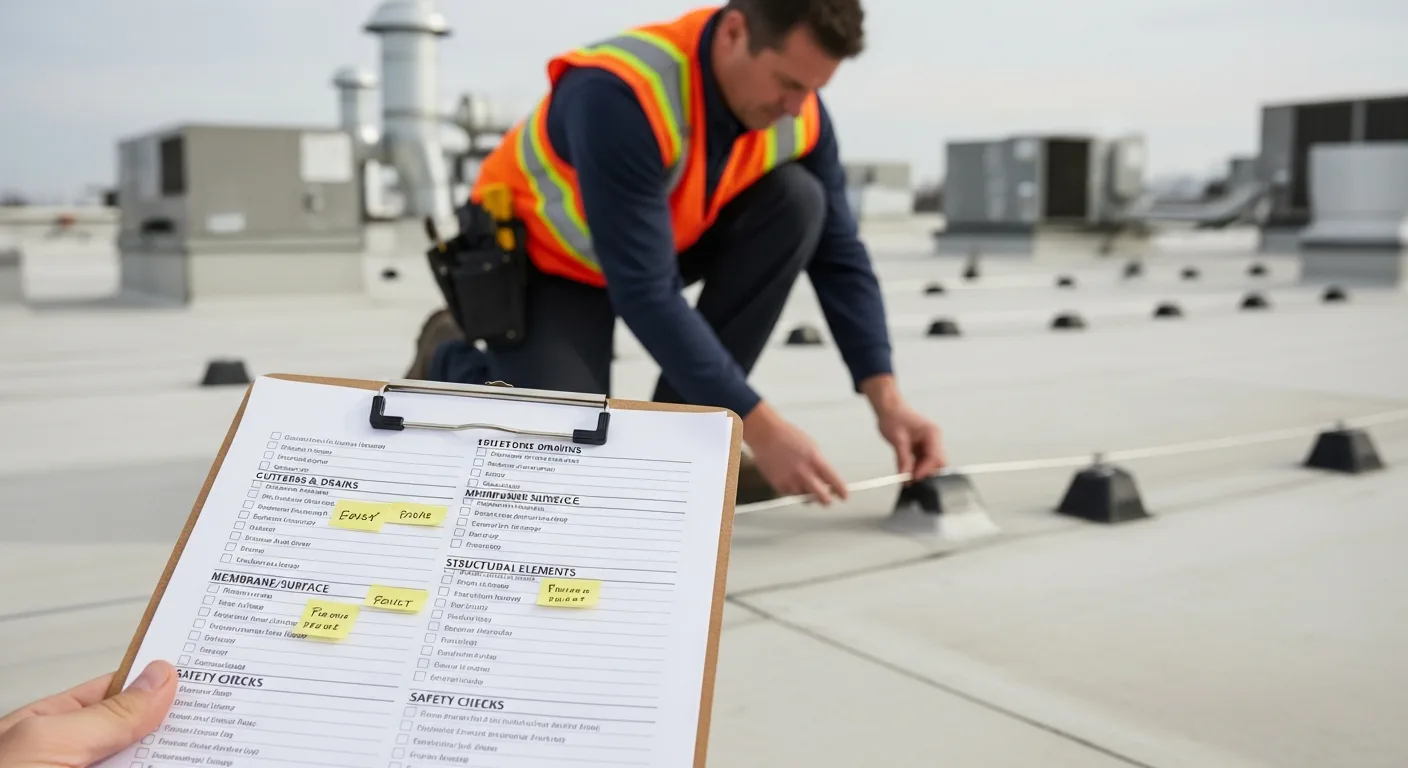
Professional flat roof inspections should systematically evaluate multiple building envelope components. Qualified roofing contractors examine membrane condition, looking for punctures, tears, or surface degradation that could allow moisture intrusion. Drainage system functionality receives particular attention, including clearing debris from drains and scuppers while checking for proper water flow patterns.
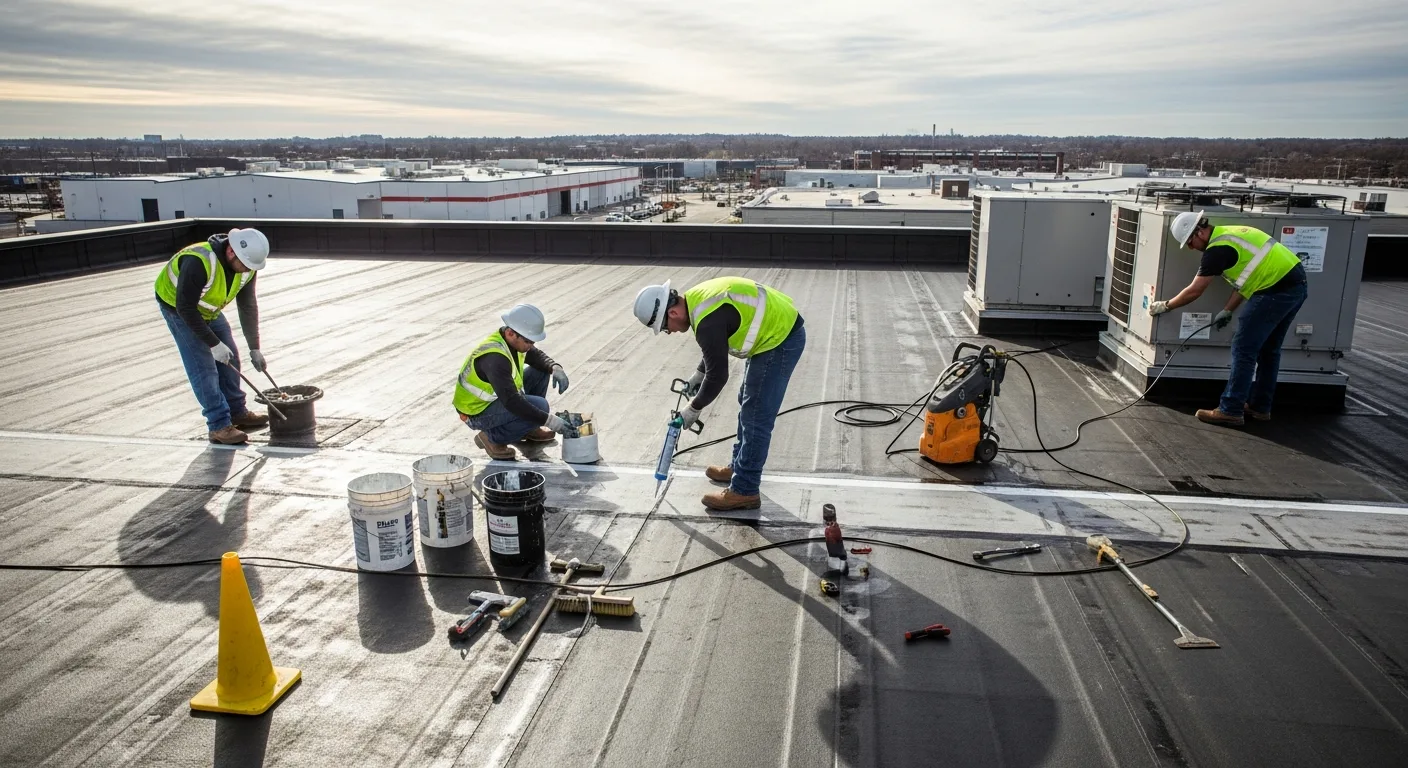
Flashing and penetration details around HVAC equipment, plumbing vents, and electrical conduits require careful examination. These termination points represent the most vulnerable areas of any flat roof system and often show the first signs of potential failure. Additionally, inspection of fastener patterns and membrane attachment helps identify areas where wind uplift resistance may be compromised.
The Insurance Institute for Business & Home Safety emphasizes the importance of documenting roof condition through detailed photographic records and measurements, enabling property owners to track deterioration patterns and plan maintenance schedules effectively.
Preventive Maintenance Integration
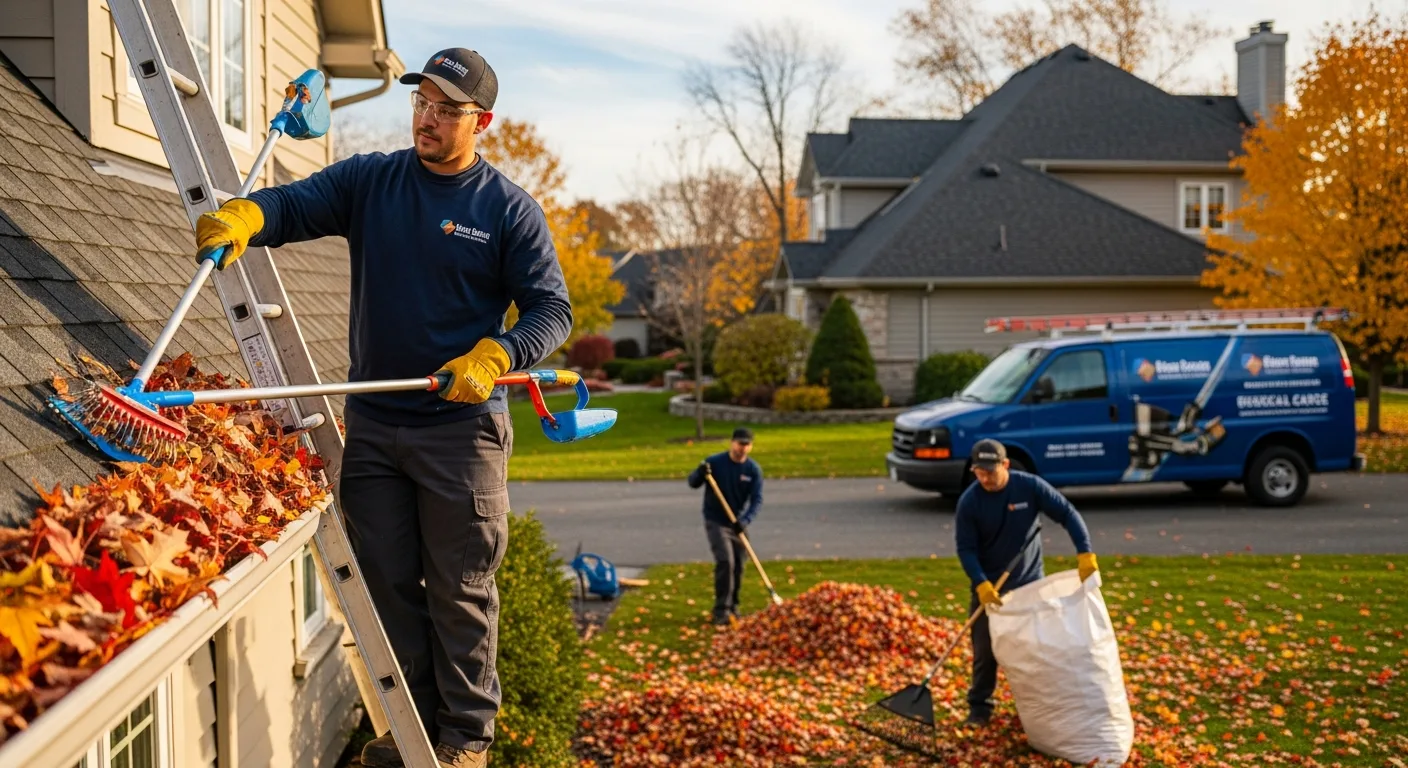
Effective flat roof maintenance extends beyond simple inspection to include proactive care measures. Regular removal of debris, leaves, and standing water prevents drainage blockages and reduces organic material accumulation that can harbor moisture and promote membrane degradation. Professional contractors can also address minor repairs immediately, preventing small issues from developing into costly system failures.
Weather Challenges in High-Wind and Hail-Prone Areas
Properties in the Texas Panhandle face particularly severe weather conditions that accelerate flat roof deterioration. High winds create uplift forces that stress membrane attachments and can cause catastrophic failure if systems aren't properly maintained. Hailstorms pose immediate puncture risks to membrane surfaces, while extreme temperature fluctuations common to the region intensify thermal cycling stress.
Following severe weather events, emergency inspections become critical for documenting damage and preventing secondary moisture intrusion. Even minor hail impacts or wind-blown debris can compromise membrane integrity in ways that aren't immediately visible but create long-term vulnerability.
Wind uplift resistance depends on proper fastener spacing and membrane attachment throughout the roof system. Over time, thermal movement and weather exposure can loosen these connections, making regular professional assessment essential for maintaining structural integrity and insurance compliance.
When to Call a Professional Roofing Contractor
While property managers can perform basic visual inspections from ground level, comprehensive flat roof assessment requires professional expertise and specialized equipment. Qualified roofing contractors have the knowledge to identify subtle signs of membrane degradation, drainage inadequacy, and structural concerns that untrained observers might miss.
Immediate professional evaluation becomes necessary when property owners notice interior water stains, unusual energy costs suggesting thermal performance issues, or visible membrane damage. Additionally, any significant weather event—including hailstorms, high winds, or rapid temperature changes—warrants professional assessment regardless of the regular inspection schedule.
Commercial property owners should establish relationships with experienced flat roofing contractors before problems develop. This proactive approach ensures rapid response when issues arise and helps maintain warranty requirements that often mandate professional inspection and maintenance schedules.
For comprehensive flat roof evaluation and maintenance planning, explore our commercial roofing services section to learn how professional inspection programs can protect your investment and extend your roof system lifespan. Our experienced team understands the unique challenges facing commercial properties in severe weather regions and can develop customized maintenance schedules that address your facility's specific needs.
In the Texas Panhandle, flat roofs face particularly harsh environmental conditions that accelerate deterioration. The region's extreme temperature fluctuations—from sub-zero winter conditions to summer temperatures exceeding 100°F—create significant thermal stress on membrane systems. According to NOAA climate data, Amarillo experiences some of the most dramatic daily temperature swings in the continental United States, causing flat roof membranes to expand and contract repeatedly, leading to accelerated aging and potential failure at seams and penetrations.
The Single Ply Roofing Industry (SPRI) standards recommend bi-annual inspections for flat roofs in moderate climates, but Texas Panhandle conditions warrant quarterly professional assessments. High winds, often exceeding 60 mph during spring storms, can lift membrane edges and create entry points for moisture. Additionally, the region's notorious hail activity—with stones frequently reaching golf ball size or larger—can puncture even the most durable TPO and EPDM systems, making post-storm inspections critical.
Modern flat roof membrane systems from manufacturers like Carlisle SynTec offer improved durability with reinforced TPO membranes rated for extreme weather conditions. However, even premium systems require proper installation and maintenance protocols. The National Roofing Contractors Association (NRCA) emphasizes that flat roof failures typically occur at transition points, equipment penetrations, and drainage areas—precisely the locations that benefit most from frequent professional inspection.
Safety considerations during flat roof inspections cannot be overlooked, particularly given OSHA fall protection requirements for commercial roofing work. Professional roofing contractors utilize proper safety equipment and training to identify potential issues without compromising worker safety or damaging the membrane surface through improper foot traffic patterns.