The Federal Emergency Management Agency (FEMA) has developed comprehensive guidelines for roofing systems in storm-prone regions, recognizing that your roof serves as the primary barrier protecting your entire building envelope from severe weather damage. In areas like the Texas Panhandle, where hailstorms, high winds, and extreme weather events are common occurrences, following FEMA's roofing recommendations can mean the difference between minor repairs and catastrophic structural damage to your property.
What FEMA's Storm-Resistant Roofing Guidelines Mean
FEMA's roofing recommendations focus on creating resilient building systems that can withstand the forces commonly encountered during severe storms. These guidelines address multiple aspects of roof system performance, including wind uplift resistance, impact protection, moisture intrusion prevention, and overall structural integrity during extreme weather events.
The agency's approach recognizes that roofing systems must function as integrated components of the building envelope, working together with walls, windows, and foundations to maintain structural stability. FEMA's recommendations are based on extensive research, post-disaster assessments, and collaboration with organizations like the National Roofing Contractors Association and building code development organizations.
These guidelines have evolved from decades of storm damage analysis, helping property owners make informed decisions about roof system upgrades and new construction in high-risk areas. Understanding these recommendations is crucial for anyone looking to protect their investment and ensure their roof system lifespan extends well beyond typical warranty requirements.
Key FEMA Recommendations for Storm-Resistant Roofing
Wind Uplift Resistance Requirements
FEMA emphasizes the critical importance of proper wind uplift resistance in roofing systems. The agency recommends that roofs in severe storm regions meet or exceed local building code requirements for wind speeds, which in many Texas areas means designing for winds of 110 mph or higher. This includes ensuring proper fastening patterns, adequate fastener penetration, and appropriate spacing for all roofing components.
For residential applications, FEMA recommends impact-resistant shingles that meet ASTM D3161 standards for wind resistance, with particular attention to edge securement and starter strip installation. Commercial membrane systems should incorporate enhanced attachment methods and increased fastener density in perimeter and corner zones where wind uplift forces are typically highest.
Impact Protection Standards
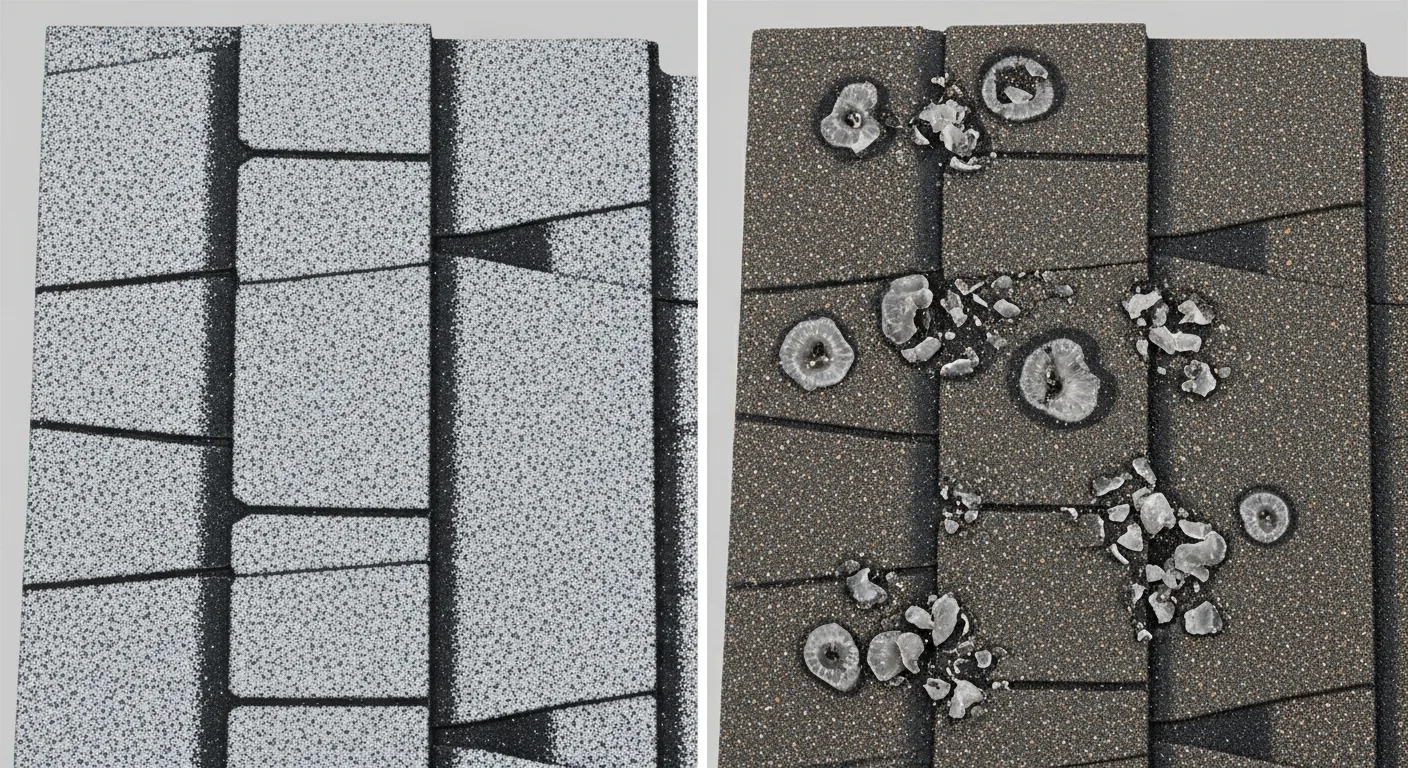
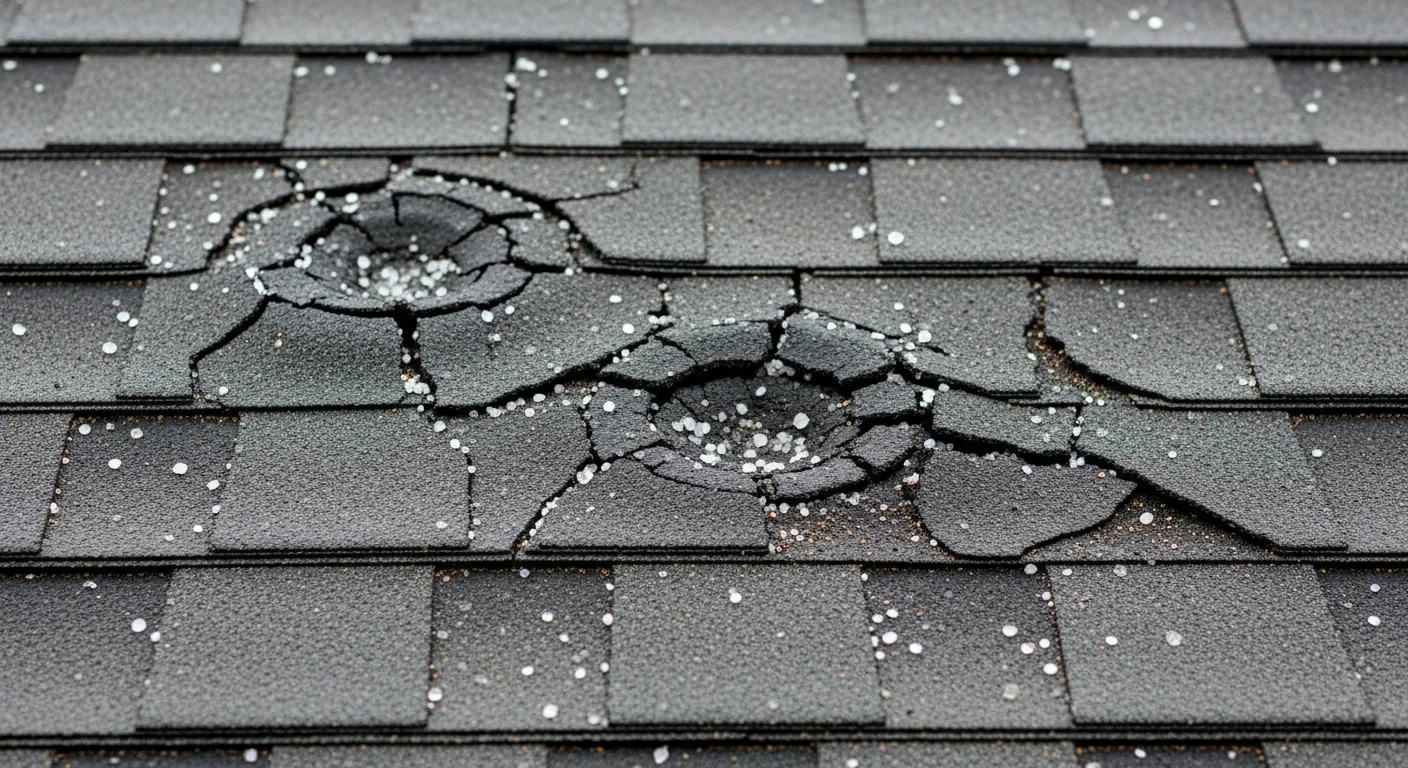
Given the frequency of hailstorms in severe weather regions, FEMA strongly advocates for impact-resistant roofing materials. The agency recommends Class 4 impact-resistant materials whenever possible, as these have demonstrated superior performance in protecting against hail damage and reducing the likelihood of moisture intrusion following storm events.
For commercial applications, FEMA guidelines suggest considering single-membrane systems with enhanced impact resistance, such as reinforced TPO or EPDM systems with additional protective layers. The agency also emphasizes the importance of protecting roof-mounted equipment and HVAC systems, which can become projectiles during severe storms if not properly secured.
Drainage and Water Management
FEMA places significant emphasis on proper drainage dynamics in storm-resistant roof design. The agency recommends designing roof systems with adequate slope and drainage capacity to handle extreme precipitation events, including provisions for overflow drainage when primary systems become overwhelmed.
Commercial roofing systems should incorporate multiple drainage methods and avoid areas where ponding water could accumulate, as standing water can compromise membrane integrity and increase the risk of catastrophic failure during subsequent storm events. Residential systems should ensure proper gutter sizing and placement to handle intense rainfall typical of severe storm regions.
FEMA's Material and Installation Guidelines
Enhanced Fastening Requirements
FEMA recommends enhanced fastening schedules that exceed standard building code minimums in severe storm regions. This includes increased fastener density, longer fastener penetration depths, and the use of corrosion-resistant fasteners that maintain holding strength over the roof system lifespan.
For residential applications, this often means six-nail fastening patterns for shingles in high-wind areas, compared to the standard four-nail pattern. Commercial systems require increased fastener density at membrane edges and seams, with particular attention to areas where wind uplift forces concentrate.
Quality Installation Practices
The agency emphasizes that even the highest-quality storm-resistant materials cannot perform effectively without proper installation. FEMA guidelines stress the importance of working with qualified contractors who understand local weather challenges and have experience with storm-resistant roofing techniques.
Proper installation includes attention to flashing details, penetration sealing, and ensuring continuity of the weather barrier across all roof components. FEMA particularly emphasizes the importance of proper ventilation system integration, as inadequate ventilation can lead to moisture problems that compromise storm resistance over time.
Storm-Specific Recommendations for High-Wind Areas
In regions like the Texas Panhandle, where extreme temperature fluctuations and high winds are common, FEMA provides additional guidance for enhanced storm protection. The agency recommends considering "cool roof" technologies that provide thermal reflectivity benefits while maintaining impact resistance and wind uplift performance.
For areas prone to severe thunderstorms and tornadoes, FEMA suggests incorporating continuous load paths from the roof structure to the foundation, ensuring that wind forces can be transferred safely through the entire building system. This may involve structural upgrades beyond just the roofing materials themselves.
The Insurance Institute for Business & Home Safety has worked closely with FEMA to develop testing protocols that simulate the conditions roofing systems face during severe storms, providing valuable data for material selection and installation practices.
Multi-Hazard Considerations
FEMA recognizes that severe storm regions often face multiple weather hazards, requiring roofing systems that can perform effectively against various threats. In Texas, this means considering hail impact, wind uplift, extreme temperature cycling, and UV exposure in a single roofing solution.
The agency recommends conducting regular inspections and maintenance to ensure that storm-resistant features continue to function effectively over time. This includes checking fastener integrity, examining membrane seams, and ensuring that drainage systems remain clear and functional.
When to Consult Professional Storm Damage Experts
FEMA emphasizes that implementing storm-resistant roofing measures requires professional expertise to ensure proper material selection, installation, and ongoing maintenance. The agency recommends working with contractors who have specific experience in severe weather regions and understand local building codes and insurance requirements.
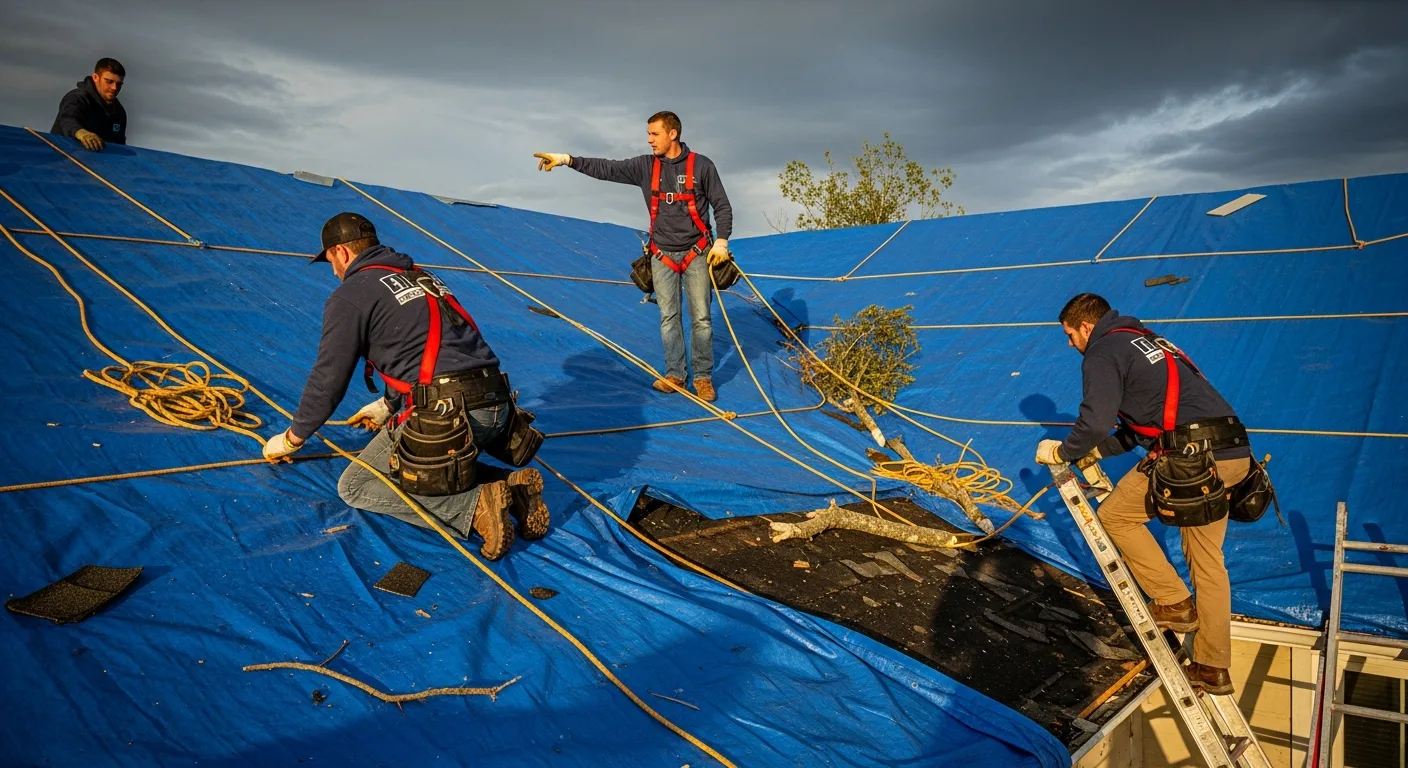
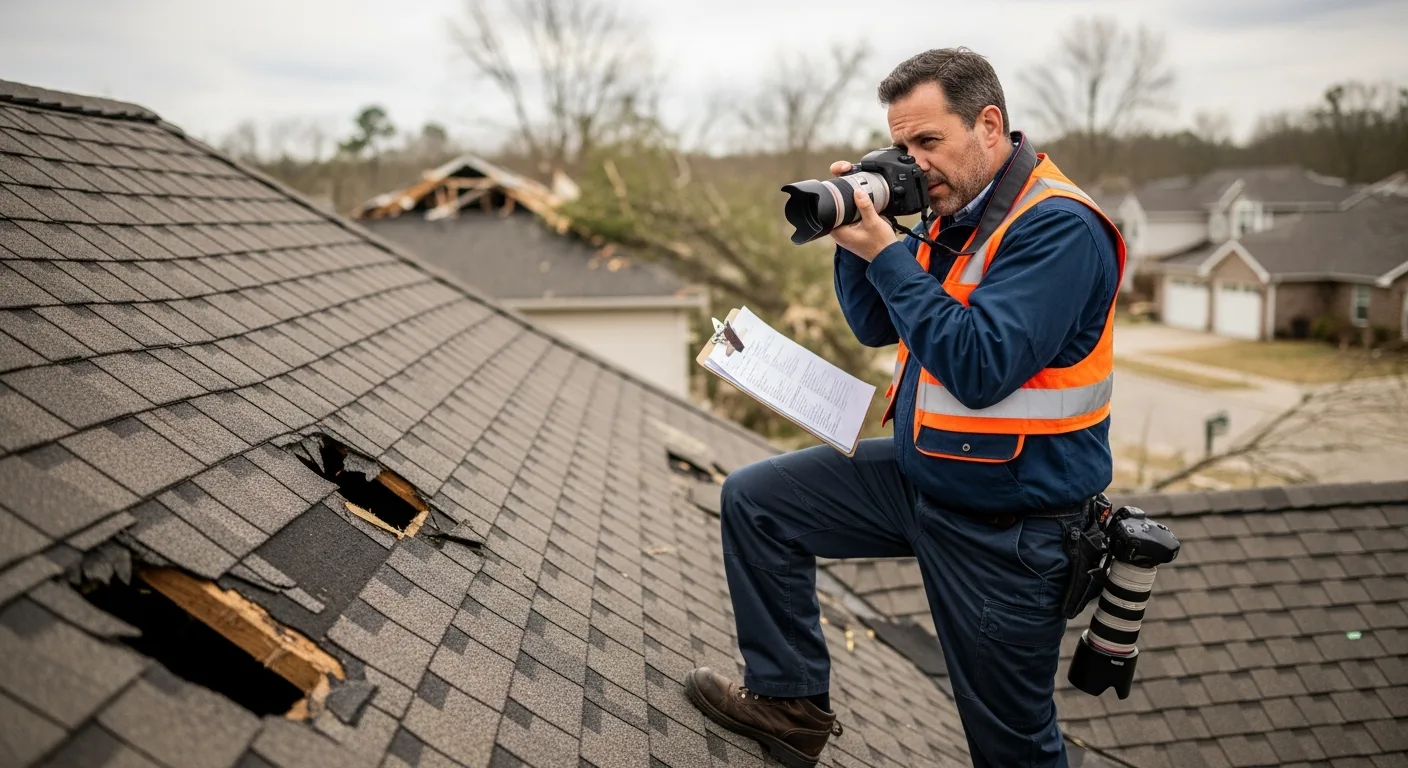
Professional assessment becomes particularly important after storm events, as even storm-resistant roofing systems may sustain damage that compromises their continued effectiveness. FEMA's disaster preparedness resources emphasize the importance of prompt professional inspection and repair to maintain storm protection capabilities.
For property owners considering upgrades to meet FEMA storm resistance guidelines, professional consultation can help navigate the various options available and ensure that improvements provide maximum protection for your specific situation. Learn more on our residential roofing service page or visit our commercial roofing services section to understand how FEMA-recommended storm protection measures can be implemented for your property.
Whether you're planning new construction or upgrading an existing roof system, following FEMA's storm-resistant roofing guidelines can provide enhanced protection against the severe weather challenges common in the Texas Panhandle. Contact our storm damage specialists to discuss how these federal recommendations can be applied to your specific roofing needs and help protect your investment for years to come.
In the Texas Panhandle, where wind speeds during severe storms can exceed 100 mph and hail stones reach baseball size, FEMA specifically recommends roofing systems that meet or exceed IBHS FORTIFIED standards for enhanced storm resilience. These standards require impact-resistant shingles rated Class 4 by UL 2218 testing, which can withstand impacts from 2-inch steel balls dropped from 20 feet – simulating the force of large hailstones common in this region.
Wind uplift resistance is equally critical, with FEMA guidelines calling for roofing systems capable of withstanding wind speeds up to 130 mph in high-risk areas. GAF's Timberline HD shingles, for example, feature Advanced Protection Shingle Technology that provides enhanced wind resistance up to 130 mph when properly installed with six nails per shingle and adequate starter strip coverage. The agency emphasizes that proper installation techniques are just as important as material selection, requiring continuous edge metal, proper fastener spacing, and sealed deck sheathing joints.
Temperature extremes in the Texas Panhandle – ranging from sub-zero winters to summers exceeding 100°F – create additional challenges that FEMA addresses through thermal cycling requirements. NIST research on building science shows that roofing materials must maintain integrity through repeated expansion and contraction cycles. FEMA recommends polymer-modified asphalt shingles or impact-resistant materials that demonstrate superior performance across temperature ranges typical to North Texas.
For commercial applications, FEMA guidelines emphasize mechanically-attached single-ply membrane systems with enhanced fastener patterns in high-wind zones. Carlisle SynTec's Sure-Weld TPO systems meet these requirements with wind uplift ratings up to 210 psf when properly designed and installed. The agency also mandates that all roofing work comply with current International Building Code standards, which have been updated to reflect lessons learned from recent severe weather events across Texas.
FEMA's post-disaster assessments consistently show that buildings following these enhanced guidelines experience 40-60% less storm damage compared to structures built to minimum code requirements. The agency particularly emphasizes the importance of continuous load path connections, proper flashing details, and impact-resistant materials in areas where National Severe Storms Laboratory data indicates frequent severe weather activity, making the Texas Panhandle a prime candidate for these enhanced protection measures.