Most property owners don't discover roof leaks until water is dripping from their ceiling or pooling on their floors. By that point, what started as a minor breach in the building envelope has often caused extensive damage to structural components, insulation, and interior finishes. The key to protecting your investment lies in recognizing the subtle early warning signs that precede visible water damage—signs that are easy to miss but critical to address.
Why Early Leak Detection Matters More Than You Think
Moisture intrusion begins long before you see obvious water stains. Even small amounts of water can compromise your roof system's integrity, reduce insulation R-value, and create conditions for mold growth. In the Texas Panhandle's extreme climate, where temperature fluctuations and severe weather events stress roofing materials year-round, these hidden leaks can accelerate rapidly.
According to the National Roofing Contractors Association, early intervention can often resolve leak issues with minor repairs, while delayed detection frequently requires extensive roof system replacement and structural remediation.
Subtle Interior Signs You're Probably Missing
Discoloration That Isn't Obviously Water Damage
Look for slight yellowing or browning of ceiling paint, especially around light fixtures, HVAC vents, or where walls meet ceilings. These faint discolorations often appear months before obvious water stains and indicate moisture is penetrating your roof system's vapor barrier.
Musty Odors Without Visible Mold
A persistent musty smell, particularly in upper floors or attic spaces, often signals moisture accumulation within wall cavities or insulation. This odor typically develops when humidity levels remain elevated due to ongoing minor leaks that haven't yet produced visible water damage.
Peeling or Bubbling Paint and Wallpaper
When moisture infiltrates wall systems, it causes paint and wallpaper adhesives to fail. Pay attention to areas where finishes seem to lift or bubble, especially along exterior walls or near roof lines. This damage often occurs well before water stains become apparent.
Unexplained Humidity or Temperature Changes
Rooms that feel unusually humid or maintain different temperatures than surrounding spaces may indicate compromised insulation due to moisture intrusion. When water saturates insulation materials, their thermal performance degrades significantly, affecting your building's overall energy efficiency.
External Warning Signs Often Overlooked
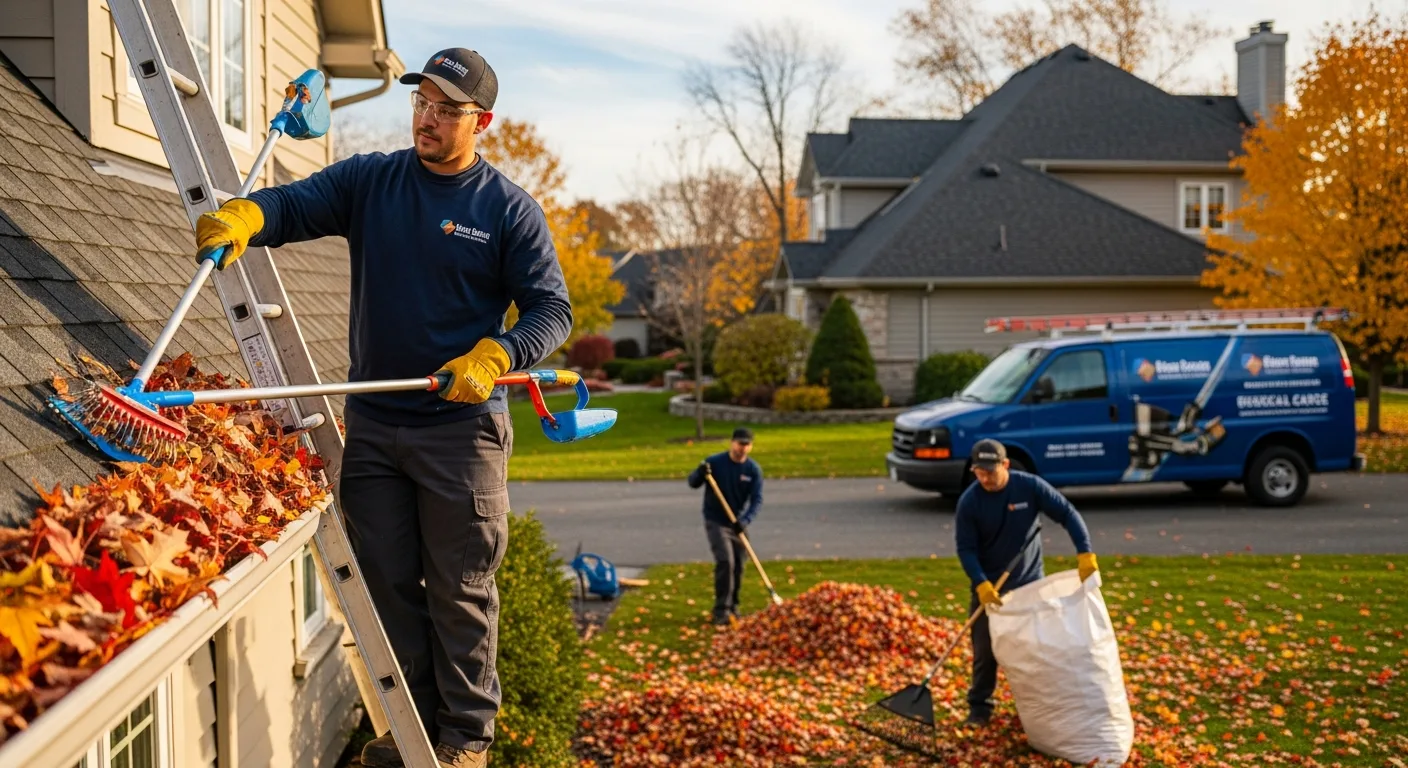
Granule Accumulation in Gutters
Excessive granules in gutters or downspouts indicate accelerated shingle deterioration. While some granule loss is normal, heavy accumulation suggests your shingles are weathering faster than expected, potentially due to manufacturing defects or installation issues that could compromise water resistance.
Damaged or Displaced Flashing
Flashing around chimneys, vent penetrations, and roof-to-wall intersections is critical for directing water away from vulnerable areas. Look for loose, corroded, or missing flashing sections. Even minor flashing damage can allow significant water infiltration during storm events.
Algae or Moss Growth Patterns
While algae streaks are common in humid climates, unusual growth patterns or moss development in specific roof areas can indicate persistent moisture retention. These biological indicators often reveal drainage problems or compromised roofing materials before leaks become apparent indoors.
Ponding Water Areas
On commercial flat or low-slope roofs, areas where water remains standing 48 hours after rainfall indicate drainage problems. Poor drainage dynamics not only stress membrane systems but also increase the likelihood of eventual membrane failure and water infiltration.
How Texas Panhandle Weather Accelerates Hidden Damage
The region's extreme weather patterns—from intense UV exposure to sudden hailstorms and high winds—create unique challenges for roof system longevity. Temperature fluctuations cause expansion and contraction cycles that stress sealants and flashing connections, while severe weather events can create small breaches that worsen gradually.
High winds common to the area can lift or damage shingles in ways that aren't immediately obvious but compromise wind uplift resistance over time. Similarly, hail impacts may create micro-fractures in roofing materials that don't leak initially but allow water penetration as materials continue to weather.
The Insurance Institute for Business & Home Safety emphasizes that properties in high-wind regions require more frequent inspections to identify these developing issues before they become major problems.
Advanced Detection Techniques
Thermal Imaging Considerations
Professional thermal imaging can reveal moisture intrusion patterns invisible to standard visual inspections. Wet insulation appears cooler than dry materials, creating detectable temperature variations that indicate compromise within the building envelope.
Moisture Meter Evaluations
Non-invasive moisture meters can detect elevated humidity levels within ceiling and wall materials. Regular moisture content monitoring in vulnerable areas helps identify developing problems before structural damage occurs.
Creating an Effective Early Detection Strategy
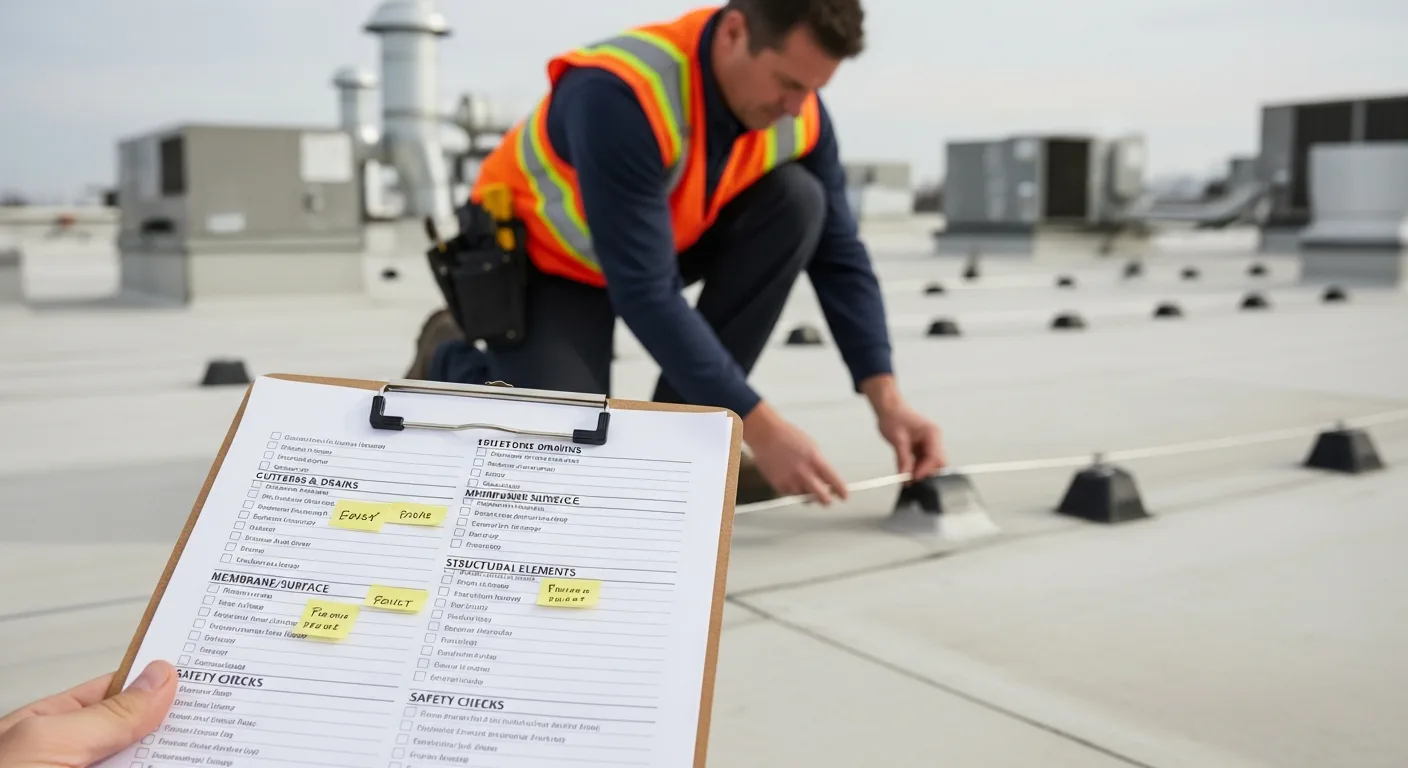
Implement quarterly visual inspections focusing on the subtle signs outlined above. Document any changes with photographs and notes, as gradual deterioration is easier to track when you have reference points for comparison.
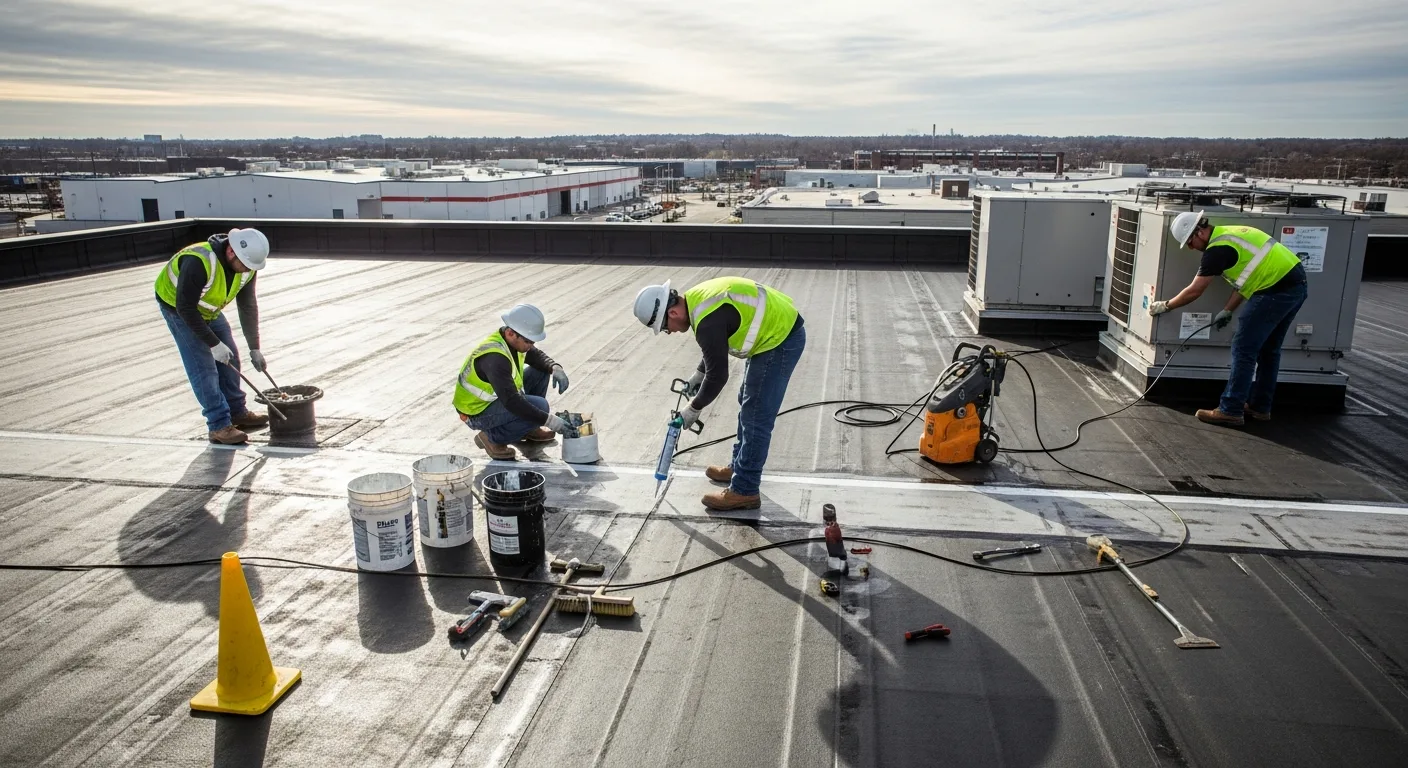
Pay particular attention to areas where different roofing materials meet, around penetrations, and along roof edges where wind-driven rain is most likely to find entry points. For commercial properties, inspect membrane seams and drainage areas regularly, as commercial membrane systems require different maintenance approaches than residential installations.
When to Call a Professional Roofer
If you've identified any of these early warning signs, professional evaluation is essential. Experienced roofing contractors can assess whether observed symptoms indicate minor maintenance needs or suggest more significant roof system issues requiring immediate attention.
Professional inspections become particularly important after severe weather events common to the Texas Panhandle. Even if no obvious damage is visible, high winds and hail can create vulnerabilities that will manifest as leaks in coming months without proper assessment and remediation.
Don't wait for obvious water damage to address potential roof system issues. Early intervention protects your property investment and prevents minor problems from becoming major expenses. Visit our roof inspection services to schedule a comprehensive evaluation, or learn more on our residential roofing service page for additional information about maintaining your roof system's integrity year-round.
Unexplained Energy Bill Increases
When roof leaks compromise insulation performance, your HVAC system works harder to maintain comfortable indoor temperatures. In the Texas Panhandle, where summer temperatures routinely exceed 100°F and winter lows can drop below freezing, even small moisture intrusions can significantly reduce insulation R-value effectiveness. Wet insulation loses up to 40% of its thermal resistance, leading to noticeable increases in energy consumption that often go unrecognized as leak-related damage.
Musty Odors Without Visible Mold
Persistent musty smells, particularly in upper floors or near HVAC returns, often indicate hidden moisture accumulation from roof leaks. According to EPA indoor air quality guidelines, mold can begin growing within 24-48 hours of moisture exposure, even before visible signs appear. This is especially concerning in our region's climate, where rapid temperature changes create condensation cycles that accelerate mold development.
The Texas Panhandle Challenge: Climate-Specific Leak Risks
Our region's extreme weather conditions create unique vulnerabilities that accelerate roof leak development. National Severe Storms Laboratory data shows the Texas Panhandle experiences some of the nation's largest hail stones and most frequent severe wind events, with gusts regularly exceeding 70 mph. These conditions stress roofing materials beyond their design limits, creating micro-fractures and fastener loosening that allow moisture penetration long before obvious damage appears.
Temperature fluctuations of 50°F or more within 24 hours are common in Amarillo, causing roofing materials to expand and contract repeatedly. This thermal cycling breaks down sealants, opens gaps around penetrations, and fatigues membrane systems. Building science research indicates that these conditions can reduce typical roof system life expectancy by 20-30% compared to more stable climates.
Professional Assessment and Code Compliance
The International Building Code requires that roofing systems maintain weatherproof integrity throughout their design life, but hidden leaks often violate these performance standards before property owners realize problems exist. Professional leak detection using thermal imaging and moisture meters can identify problem areas that visual inspections miss, ensuring compliance with local building standards and preventing minor issues from becoming major structural problems.
For commercial properties, IIBEC building envelope specialists recommend bi-annual leak detection surveys, particularly after severe weather events. This proactive approach helps maintain warranty coverage and prevents the extensive damage costs that result from delayed leak discovery in our challenging climate conditions.