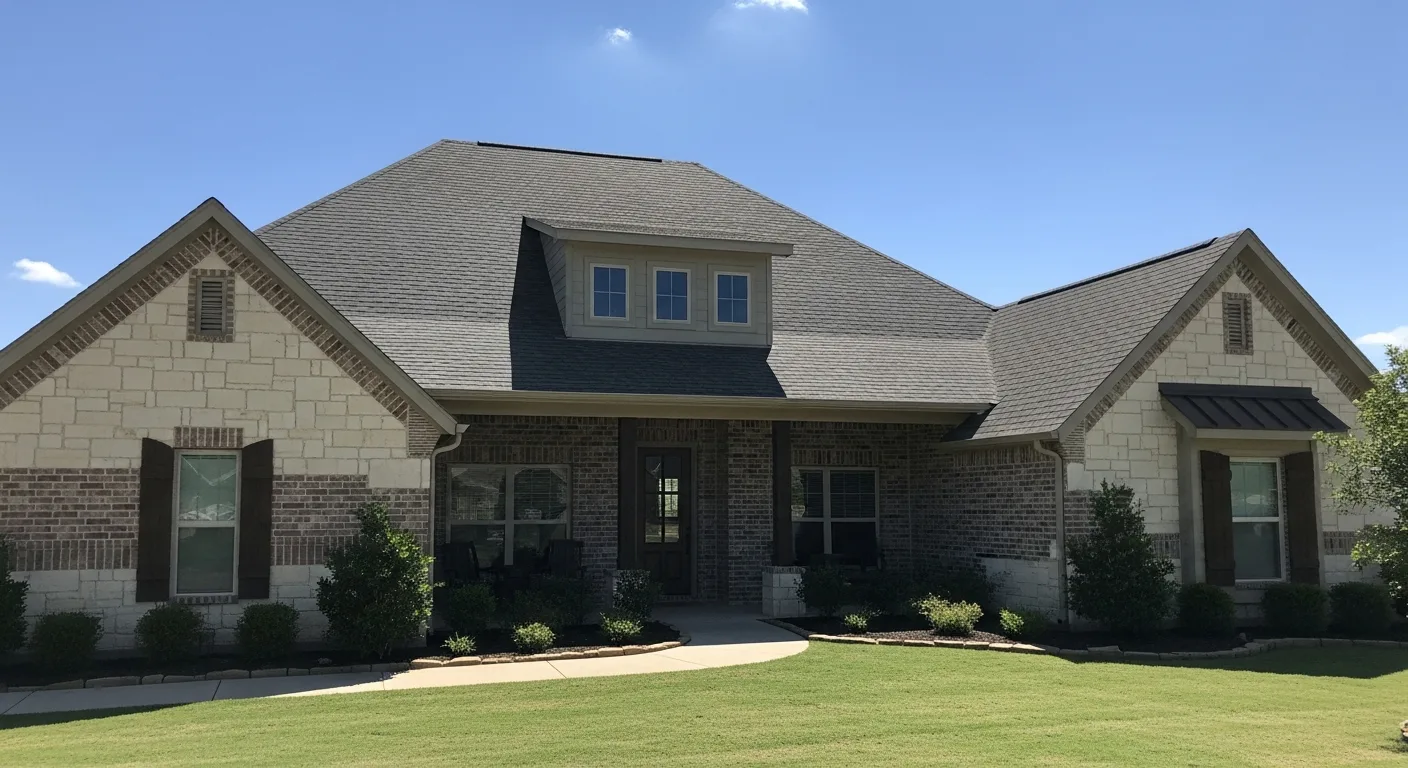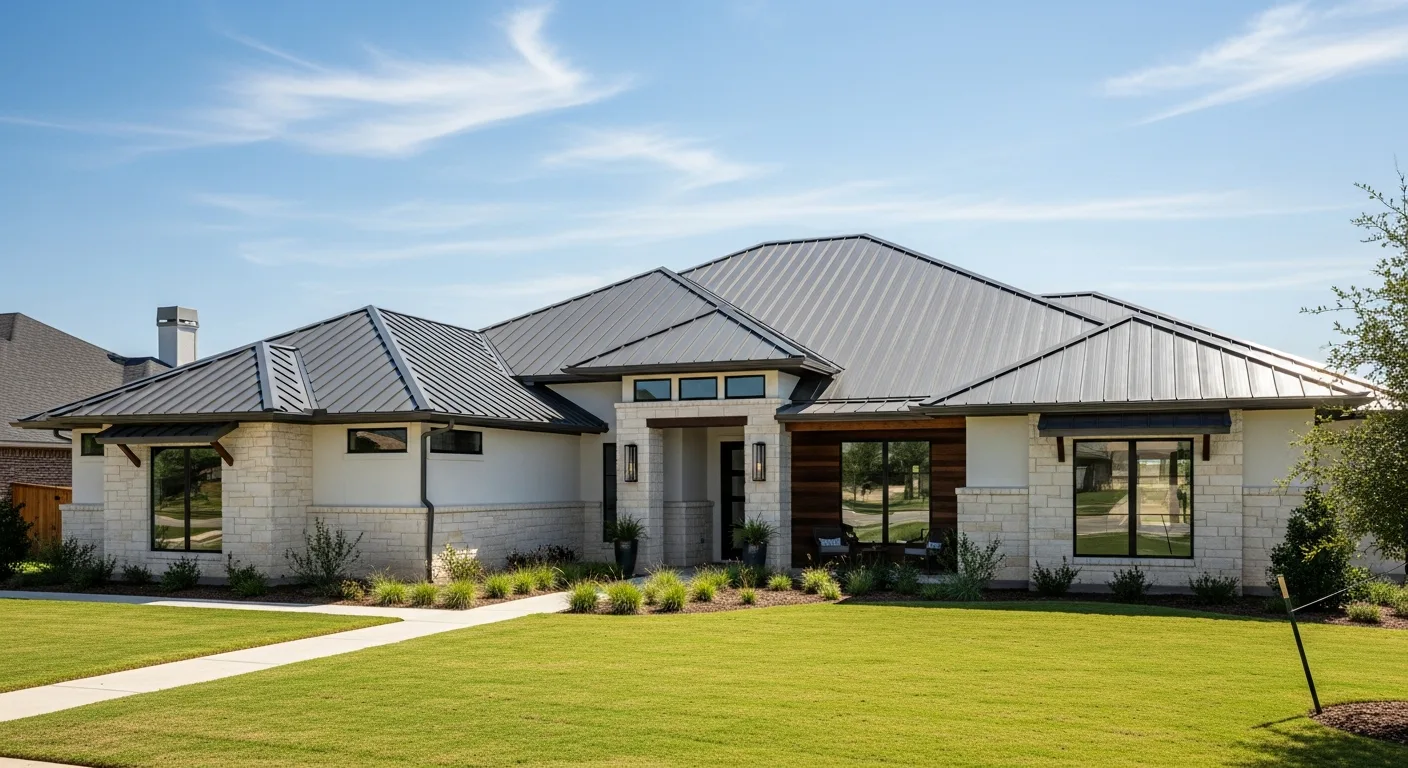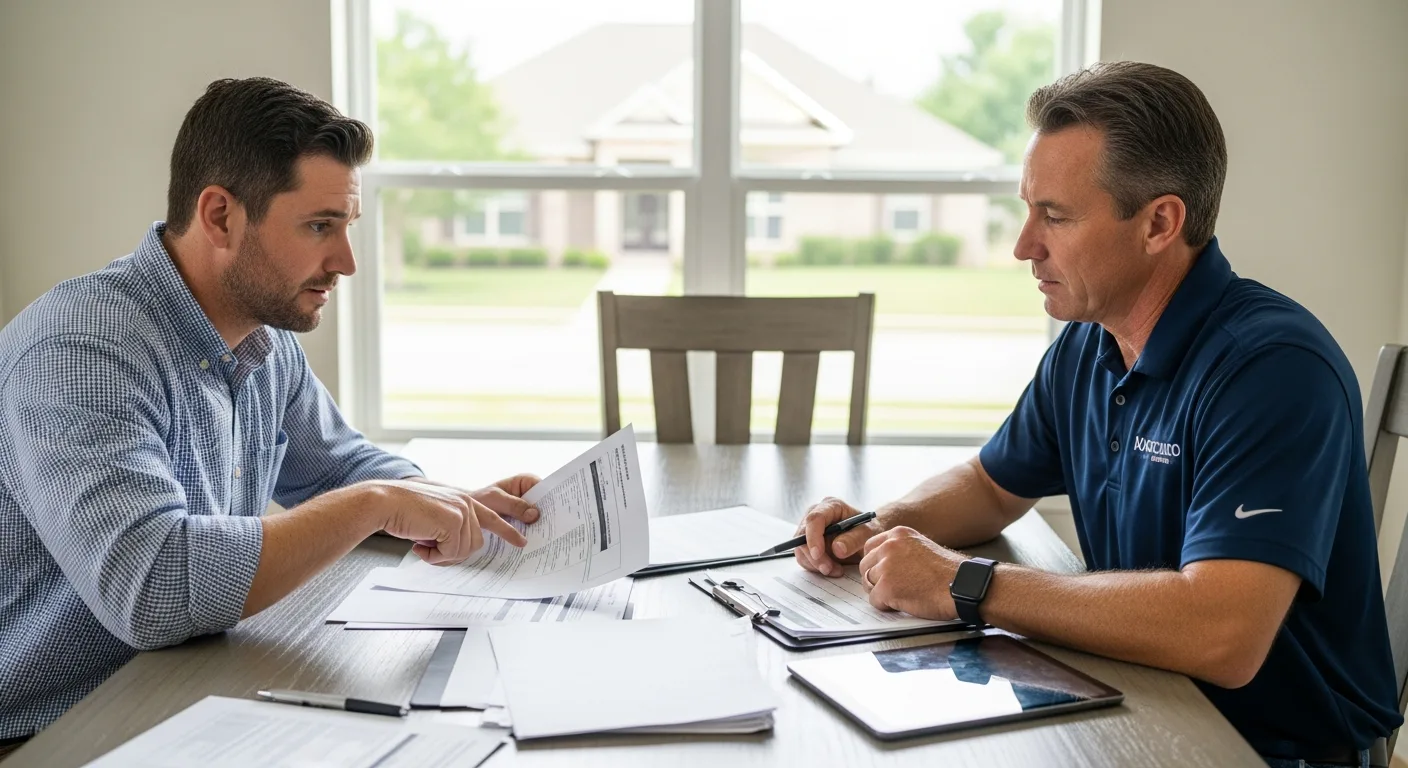
When severe weather strikes the Texas Panhandle, roof damage can happen in minutes but the insurance claim process can take weeks or months. The difference between a successful claim that covers your full repair costs and a denied or underpaid claim often comes down to one critical factor: proper documentation. Many property owners unknowingly compromise their claims by failing to document damage thoroughly or by inadvertently making mistakes that give insurers reason to reduce or deny coverage.
Why Proper Documentation Makes or Breaks Insurance Claims
Insurance companies process thousands of claims after major weather events, and they rely heavily on documentation to determine coverage and settlement amounts. Without clear, comprehensive evidence of damage, even legitimate claims can face delays, reductions, or denials. The burden of proof lies with the policyholder, making thorough documentation your first line of defense in protecting your roofing investment.
In storm-prone areas like the Texas Panhandle, where hailstorms and high winds regularly test roof system integrity, insurance adjusters see numerous claims and have become increasingly scrutinizing. They look for specific types of evidence that clearly link damage to covered weather events rather than normal wear and deterioration. Understanding what constitutes compelling evidence can significantly impact your claim's success rate.
Essential Documentation Steps Before Damage Occurs
The most successful insurance claims begin with preparation before storms hit. Smart property owners maintain baseline documentation that establishes their roof's pre-storm condition, creating a clear comparison point when damage occurs.
Pre-Storm Baseline Documentation
- Photograph your entire roof system from multiple angles, including close-ups of shingles, flashing, gutters, and any existing wear patterns
- Document your roof's age, materials, and any previous repairs or maintenance work
- Keep receipts and warranties for all roofing materials and professional work
- Schedule regular professional inspections and maintain detailed reports
- Create a simple roof diagram noting material types, installation dates, and previous repair locations
This baseline documentation proves invaluable when adjusters question whether damage resulted from the recent storm or pre-existing conditions. The National Roofing Contractors Association emphasizes that proactive documentation significantly strengthens claim outcomes.
Immediate Post-Storm Documentation Protocol
Once it's safe to assess damage, time becomes critical. Insurance policies typically require prompt notification of losses, and early documentation helps establish the storm as the proximate cause of damage.
Safety-First Assessment
Never attempt to climb on a potentially damaged roof. Instead, conduct your initial assessment from the ground using binoculars or a camera with zoom capabilities. Look for obvious signs like missing shingles, damaged flashing, or debris accumulation that indicate roof system compromise.
Comprehensive Photo Documentation
Create a systematic photographic record that tells the complete story of your damage:
- Wide-angle shots showing overall roof condition and storm debris
- Close-up images of specific damage points, including missing or damaged shingles, exposed underlayment, and compromised flashing
- Interior damage photos showing any water intrusion, ceiling stains, or moisture signs
- Pictures of damaged gutters, downspouts, and other building envelope components
- Images of hailstones or wind-blown debris if still present
Include reference objects like coins or rulers in close-up shots to show damage scale. Date and time stamps on photos help establish timeline correlation with weather events.
Written Documentation Requirements
Supplement photos with detailed written records describing damage location, extent, and apparent causes. Note any immediate measures taken to prevent further damage, such as tarp installation or emergency repairs. This documentation demonstrates responsible property stewardship while preserving your claim rights.
Professional Assessment and Third-Party Documentation
While personal documentation is essential, professional assessment adds credibility and technical expertise to your claim. Qualified roofing contractors understand building envelope systems, moisture intrusion patterns, and wind uplift resistance failures that may not be obvious to untrained observers.
Independent Professional Inspection
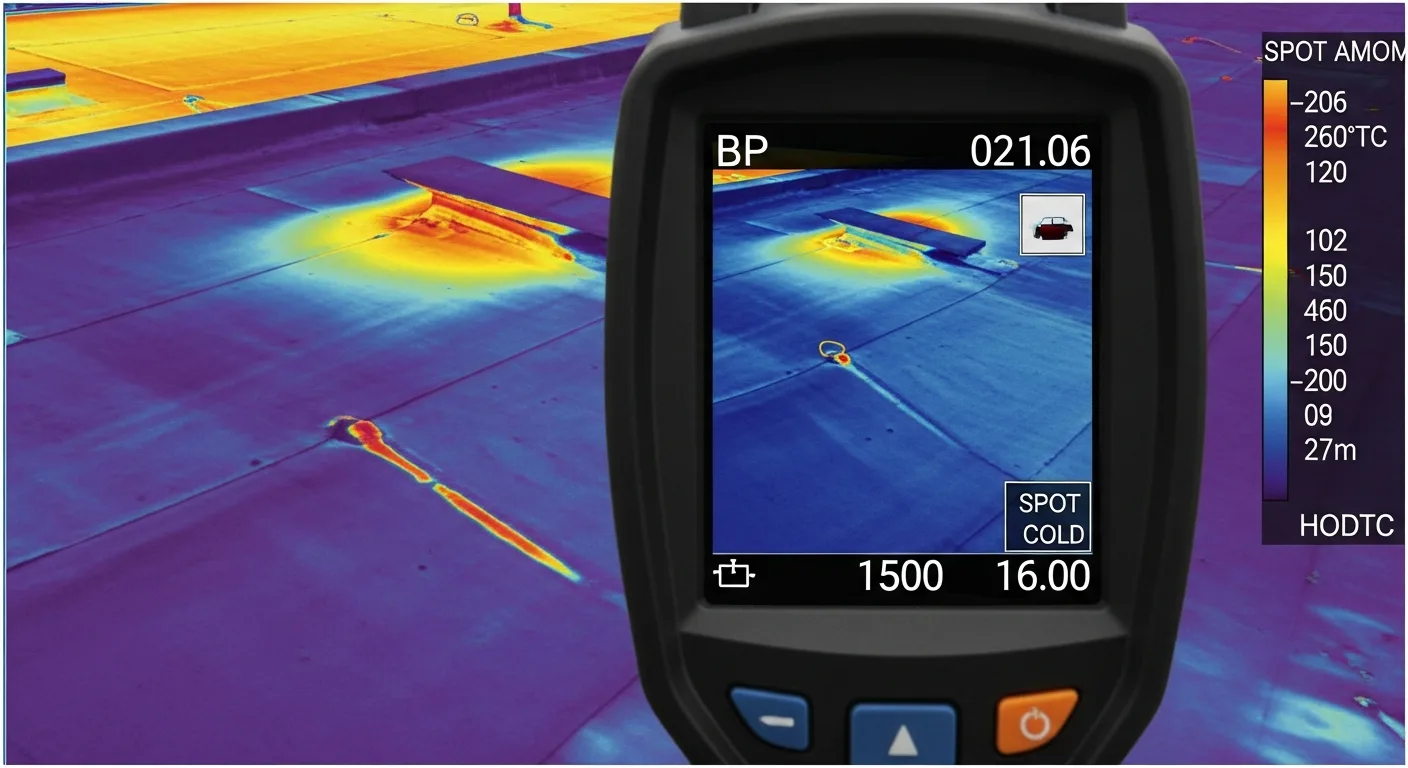
Schedule an inspection with a reputable roofing contractor who can provide detailed damage assessments and repair estimates. Look for contractors familiar with local weather patterns and insurance requirements. Professional inspectors can identify subtle damage like compromised thermal reflectivity in commercial membrane systems or micro-cracking in impact-resistant shingles that affects long-term roof system lifespan.
Our team regularly works with property owners to document storm damage accurately and completely. Learn more on our residential roofing service page or visit our commercial roofing services section for specialized assessment services.
Weather Data Correlation
Obtain official weather reports from the National Weather Service documenting storm conditions in your specific area. Insurance companies use this data to verify that claimed damage aligns with documented weather events. The National Weather Service provides detailed storm reports including hail size, wind speeds, and storm paths that support your damage timeline.
Navigating High-Wind and Hail Damage Claims in Texas
The Texas Panhandle's severe weather patterns create unique documentation challenges. High winds can cause subtle damage that becomes apparent over time, while hailstorms create immediate impact damage that requires specific documentation techniques.
Wind Damage Documentation
Wind damage often manifests as uplift damage to shingles, compromised flashing, or gradual moisture intrusion rather than obvious visual damage. Document any loose or lifted materials, damaged edge details, or signs that the roof system's wind uplift resistance has been compromised. Professional assessment becomes particularly valuable for wind damage claims.
Hail Damage Evidence
Hail damage documentation should focus on impact patterns, granule loss on asphalt shingles, and any punctures or cracks in roofing materials. The Insurance Institute for Business & Home Safety provides excellent resources on identifying and documenting hail damage patterns that insurance adjusters recognize.
For properties with impact-resistant shingles or commercial membrane systems, document any compromise to these protective features, as repairs may require complete system replacement to maintain warranty coverage and performance standards.
Common Documentation Mistakes That Jeopardize Claims
Understanding what not to do can be as important as proper documentation techniques. Common mistakes include delayed reporting, insufficient photo documentation, making permanent repairs before adjuster inspection, and failing to document interior damage or emergency mitigation efforts.
Avoid admitting fault or speculating about damage causes in written communications with insurance companies. Stick to factual descriptions of observed damage and let professional assessments determine causation. See our hail and wind damage repair page for guidance on appropriate emergency measures that protect your property without compromising claim rights.
When to Call Professional Roofing Experts
While property owners can handle basic documentation, certain situations require professional expertise. Complex commercial roofing systems, suspected structural damage, or significant water intrusion warrant immediate professional assessment. Additionally, if your initial claim faces resistance or denial, professional documentation and advocacy can often resolve disputes and secure appropriate settlements.
Professional roofing contractors bring technical knowledge of building envelope systems, local building codes, and insurance requirements that strengthen your position throughout the claims process. They can identify damage that untrained observers might miss while providing credible testimony about repair necessity and costs.
Don't let inadequate documentation compromise your insurance claim success. Contact our experienced team for professional damage assessment and expert guidance through the insurance process. Explore our roof inspection services to learn how proper professional documentation protects your roofing investment and ensures fair claim settlements.
The Texas Panhandle's extreme weather conditions create unique documentation challenges that property owners must understand. According to the National Severe Storms Laboratory, this region experiences some of the most severe hailstorms in the United States, with hailstones frequently exceeding 2 inches in diameter. When documenting hail damage, it's crucial to photograph impact marks on various roof materials, as different shingle types show damage differently. For example, architectural shingles may exhibit granule loss and exposed mat, while impact-resistant shingles designed to meet UL 2218 Class 4 impact standards may show bruising without immediate granule displacement.
Wind damage documentation requires understanding how different roofing systems respond to the Panhandle's frequent high-wind events. The Insurance Institute for Business & Home Safety research shows that wind damage often begins at roof edges and corners where uplift forces are greatest. When photographing wind damage, capture images of lifted or missing shingles, exposed nail patterns, and any structural damage to decking or underlayment. Pay particular attention to areas around roof penetrations, as these are common failure points during severe weather events.
Professional documentation should include detailed measurements and technical specifications that insurance adjusters expect to see. The National Roofing Contractors Association recommends documenting the age of roofing materials, as this affects coverage determinations. Include photographs of manufacturer labels, warranty information, and any previous repair records. For homes with impact-resistant shingles from manufacturers like TAMKO's Heritage series, document the specific product specifications and impact ratings, as these materials often qualify for insurance discounts and may have different damage thresholds.
Safety considerations are paramount when documenting roof damage, especially given the Texas heat that can make roof surfaces dangerously hot. OSHA guidelines strongly recommend that property owners avoid climbing on damaged roofs and instead use ground-level photography with zoom lenses or hire professionals with proper safety equipment. If roof access is absolutely necessary, ensure temperatures are below 90°F and surfaces are completely dry, as Texas Panhandle weather can create slippery conditions from morning dew or afternoon thunderstorms.