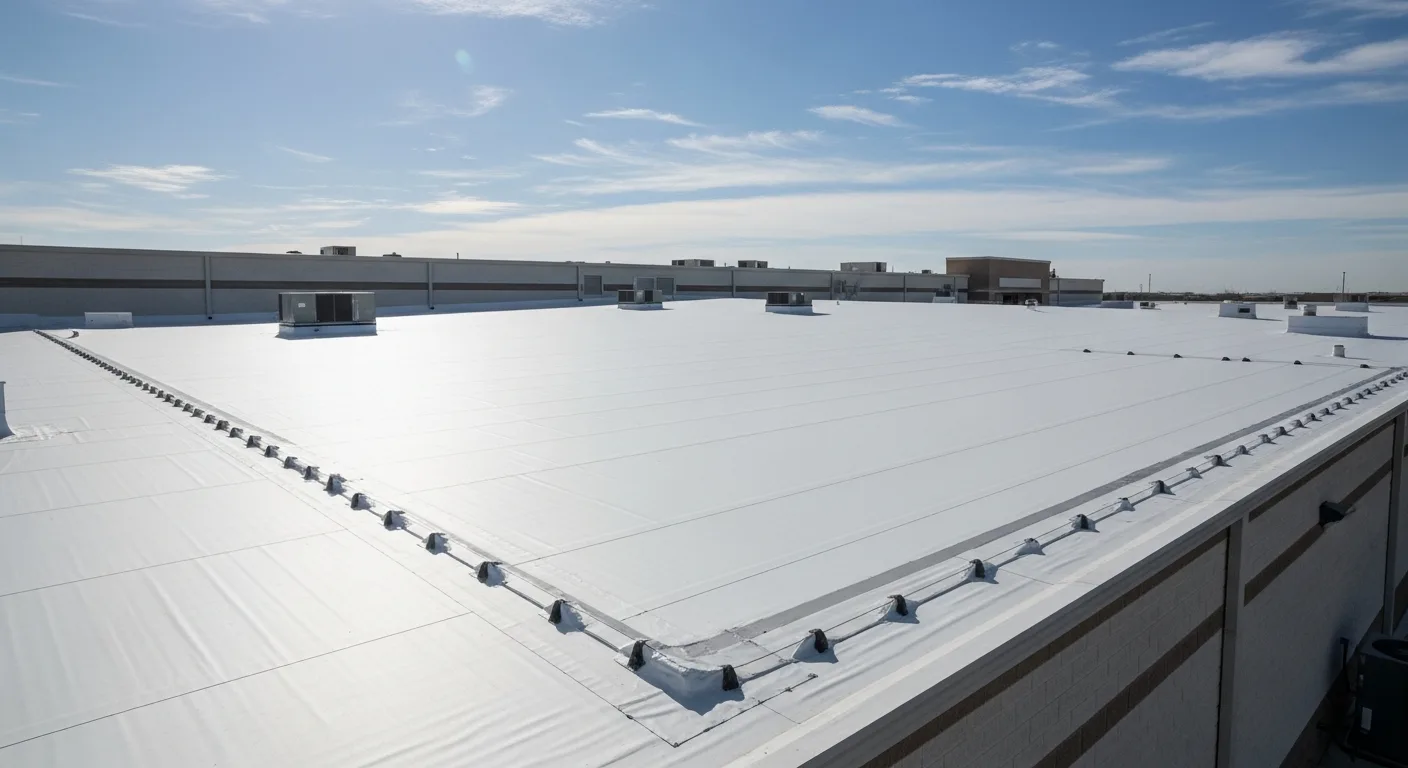
Facility managers in Dalhart, TX face unique challenges when it comes to maintaining commercial roofing systems in the harsh Panhandle climate. With extreme temperature fluctuations, severe weather events, and intense UV exposure, selecting the right roofing material is crucial for long-term performance and cost-effectiveness. TPO (Thermoplastic Polyolefin) roofing has emerged as a leading solution for commercial facilities, offering exceptional durability, energy efficiency, and weather resistance specifically suited to Texas conditions.
Understanding TPO Roofing Technology
TPO roofing represents a significant advancement in single-ply membrane technology, combining the benefits of both EPDM and PVC roofing systems while eliminating many of their drawbacks. This thermoplastic membrane consists of a blend of polypropylene and ethylene-propylene rubber, creating a flexible yet durable roofing solution that performs exceptionally well in Dalhart's challenging climate conditions.
The manufacturing process involves reinforcing the TPO membrane with polyester or fiberglass, creating a three-layer system that provides superior strength and dimensional stability. According to the National Roofing Contractors Association, TPO has become one of the fastest-growing commercial roofing materials in North America due to its proven performance record and versatility across various building types.
TPO membranes are available in various thicknesses, typically ranging from 45 to 80 mils, allowing facility managers to select the appropriate thickness based on their building's specific requirements, foot traffic expectations, and budget considerations. The membrane's white or light-colored surface naturally reflects solar radiation, contributing significantly to energy savings and reduced cooling costs.
Energy Efficiency Benefits for Dalhart Facilities
In Dalhart's hot climate, energy efficiency is a primary concern for facility managers seeking to control operational costs. TPO roofing systems excel in this area, offering exceptional reflectivity and thermal performance that can substantially reduce cooling expenses during the intense Texas summers.
The highly reflective surface of TPO membranes typically achieves a solar reflectance index (SRI) of 78 or higher, meeting and often exceeding Department of Energy requirements for cool roofing systems. This reflectivity prevents heat absorption into the building structure, maintaining lower interior temperatures and reducing the workload on HVAC systems.
Quantifiable Energy Savings
Studies have shown that facilities with TPO roofing systems can achieve cooling energy savings of 20-30% compared to traditional dark-colored roofing materials. For a typical 50,000 square foot commercial facility in Dalhart, this translates to annual energy savings of $8,000-$15,000, depending on the building's usage patterns and existing insulation levels.
The thermal shock resistance of TPO membranes also contributes to long-term energy efficiency by maintaining consistent performance despite Dalhart's dramatic temperature swings between day and night, which can exceed 40 degrees Fahrenheit during certain seasons.
Weather Resistance and Durability Factors
Dalhart's location in the Texas Panhandle subjects commercial buildings to some of the most challenging weather conditions in the region, including severe thunderstorms, hail, high winds, and extreme temperature variations. TPO roofing systems are specifically engineered to withstand these environmental stressors while maintaining their protective integrity.
The polymer composition of TPO membranes provides excellent resistance to UV radiation, ozone, and chemical exposure, preventing the degradation that commonly affects other roofing materials in harsh climates. Unlike traditional built-up roofs or modified bitumen systems, TPO does not become brittle or crack under temperature stress, maintaining its flexibility and waterproofing capabilities throughout its service life.
Hail and Impact Resistance
Hailstorms are a significant concern for facility managers in the Texas Panhandle, and TPO roofing systems have demonstrated superior performance in these conditions. The Insurance Institute for Business & Home Safety has conducted extensive testing on TPO membranes, confirming their ability to withstand hail impacts that would damage conventional roofing materials.
The puncture resistance of TPO, combined with its ability to "heal" minor impacts through thermal expansion and contraction, makes it an ideal choice for facilities in hail-prone areas like Dalhart. Many TPO systems carry hail warranties that provide additional protection and peace of mind for facility managers.
Installation and Maintenance Considerations
Proper installation is crucial for maximizing the performance and longevity of TPO roofing systems. The three primary installation methods—mechanically attached, fully adhered, and ballasted—each offer specific advantages depending on the building structure, local wind loads, and facility requirements.
For Dalhart commercial roofing projects, mechanically attached systems are often preferred due to their superior wind uplift resistance and faster installation times. This method involves securing the membrane directly to the deck with mechanical fasteners, creating a robust connection that can withstand the high winds common to the Texas Panhandle.
Preventive Maintenance Protocols
One of the significant advantages of TPO roofing systems is their relatively low maintenance requirements compared to other commercial roofing materials. However, establishing a proper maintenance schedule is essential for maximizing system performance and warranty compliance.
Facility managers should implement bi-annual inspections, typically conducted in spring and fall, to identify and address any potential issues before they develop into costly problems. These inspections should focus on membrane condition, seam integrity, penetration seals, and drainage system performance.
Regular cleaning of TPO membranes helps maintain their reflective properties and prevents the accumulation of debris that could compromise drainage or harbor moisture. The smooth surface of TPO makes cleaning relatively straightforward, typically requiring only mild detergent and low-pressure washing.
Cost Analysis and Return on Investment
While the initial cost of TPO roofing systems may be higher than some traditional materials, the total cost of ownership typically favors TPO due to its longevity, energy efficiency, and low maintenance requirements. Facility managers should consider the complete lifecycle cost when evaluating roofing options for their commercial properties.
The typical service life of a properly installed and maintained TPO roof ranges from 20-30 years, with many manufacturers offering warranties of 15-20 years. When combined with energy savings and reduced maintenance costs, the return on investment for TPO roofing systems often exceeds that of alternative materials.
Financing and Incentive Opportunities
Many utility companies and government programs offer rebates and incentives for installing energy-efficient roofing systems like TPO. These programs can significantly reduce the initial investment while providing immediate cash flow benefits to facility owners.
Additionally, the improved energy efficiency of TPO roofing systems may qualify facilities for LEED credits and other green building certifications, potentially increasing property values and rental rates while demonstrating environmental stewardship.
Selecting the Right TPO System
Not all TPO roofing systems are created equal, and facility managers must carefully evaluate their options to ensure optimal performance for their specific application. Leading manufacturers like GAF and Firestone Building Products offer various TPO formulations designed for different climate conditions and performance requirements.
Key factors to consider include membrane thickness, reinforcement type, attachment method, and manufacturer warranty terms. Working with experienced commercial roofing contractors who understand local conditions and building codes ensures proper system selection and installation.
The choice of contractor is equally important, as proper installation techniques are crucial for achieving the expected performance and warranty coverage. Certified installers who have received manufacturer training and maintain current certifications provide the expertise necessary for successful TPO installations in Dalhart's challenging environment.
By understanding these critical aspects of TPO roofing technology, facility managers in Dalhart can make informed decisions that protect their investments while minimizing long-term operational costs and maximizing building performance in the demanding Texas Panhandle climate.
TPO Performance Standards and Climate Considerations for Texas Panhandle
In the Texas Panhandle, TPO roofing systems must meet stringent performance criteria to withstand the region's extreme weather patterns. The ASTM International standards specify that commercial-grade TPO membranes should demonstrate tensile strength of at least 300 psi and tear resistance of 150 lbf for optimal performance in high-wind environments like Dalhart. These specifications become critical when considering that the National Weather Service records wind gusts exceeding 70 mph annually in the Panhandle region.
Leading manufacturers like Carlisle SynTec have developed TPO systems specifically engineered for extreme climate conditions, featuring enhanced UV stabilizers and heat-aging resistance that maintain membrane integrity even when surface temperatures exceed 180°F—a common occurrence on Dalhart commercial rooftops during summer months. The membrane's white reflective surface typically achieves Solar Reflectance Index (SRI) values of 78 or higher, significantly reducing cooling loads and meeting Energy Star cool roof requirements for commercial buildings.
Installation and Code Compliance Requirements
Texas facility managers must ensure TPO installations comply with both the International Building Code (IBC) and local Dalhart building ordinances, particularly regarding wind uplift resistance ratings. Commercial TPO systems in this region typically require FM Approvals for uplift ratings of 1-120 or higher, depending on building height and exposure category. The installation process demands strict adherence to SPRI (Single Ply Roofing Industry) guidelines for membrane attachment, seam welding, and penetration details to ensure warranty compliance and optimal weather resistance.
Safety considerations during installation are paramount, as OSHA regulations mandate comprehensive fall protection systems for all rooftop work. Professional contractors must implement guardrail systems, safety harnesses, and proper equipment anchoring when installing TPO systems on Dalhart commercial facilities. Additionally, the membrane's heat-welded seams must achieve minimum peel strength of 12 lbf/in and shear strength of 25 lbf/in to withstand the thermal cycling and wind stresses common in the Texas Panhandle climate.