After a storm passes through Amarillo, it's tempting to breathe a sigh of relief and assume your roof weathered the elements without issue. However, what appears to be minor damage on the surface can quickly escalate into major structural problems and costly repairs if left unaddressed. Understanding the true cost of ignoring seemingly small roof issues after a storm is crucial for protecting your investment and ensuring your family's safety.
The Hidden Nature of Storm Damage
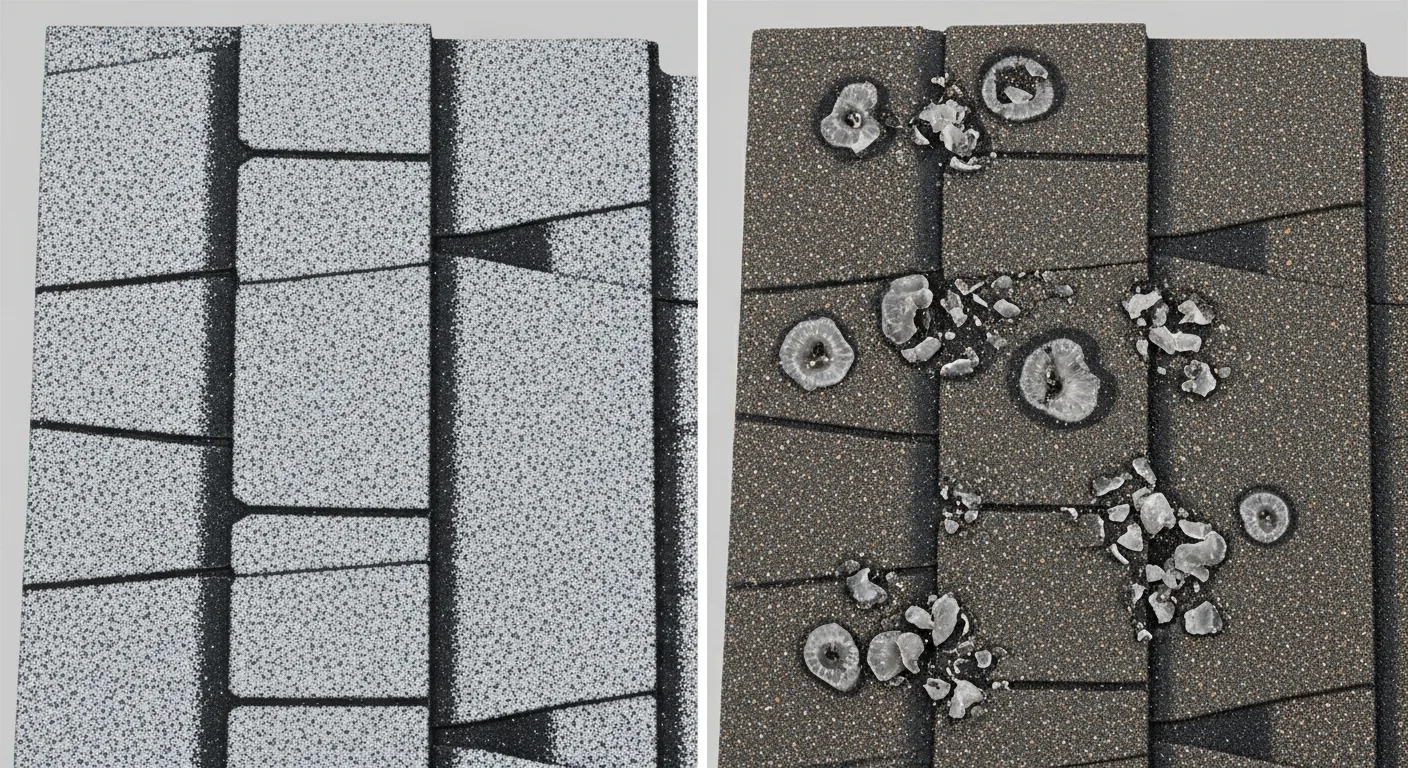
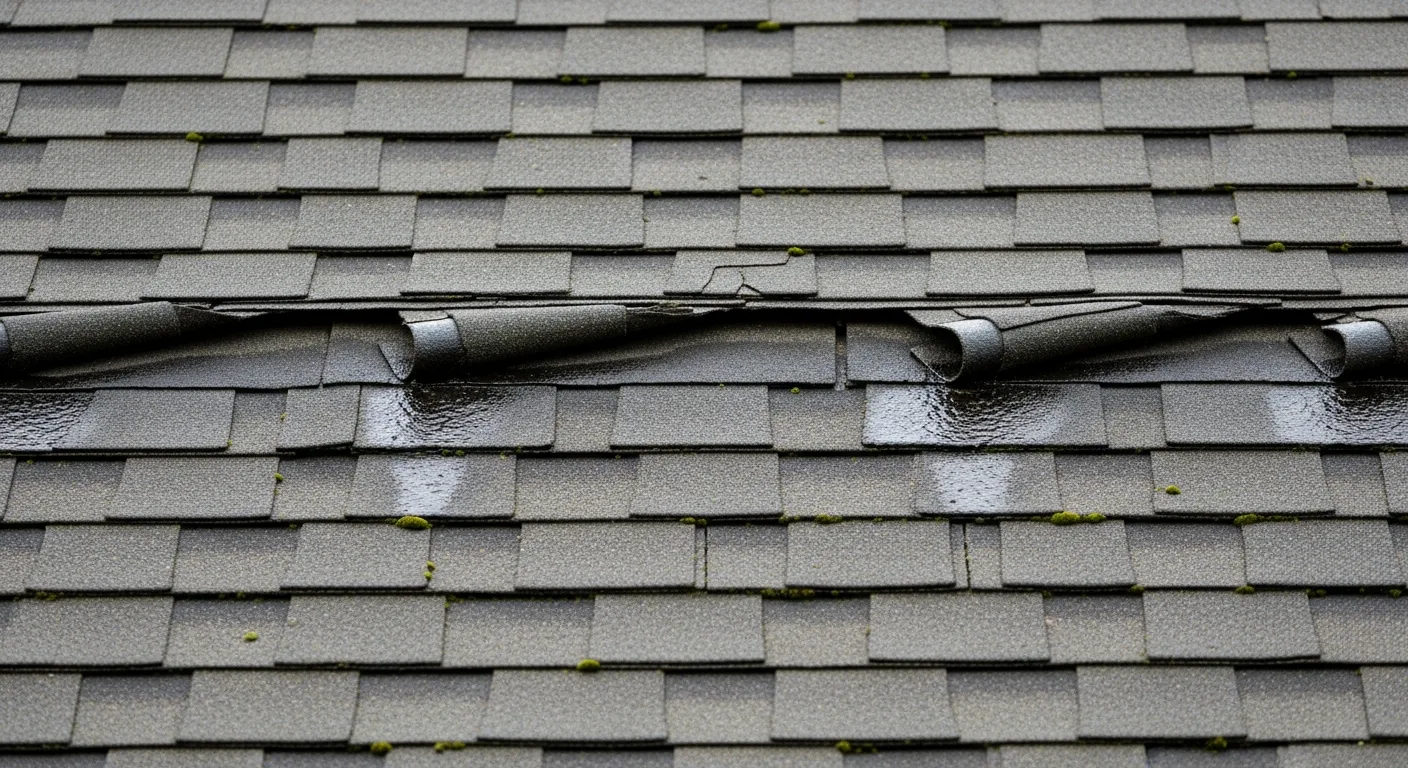
Storm damage often presents itself in subtle ways that homeowners might overlook during a casual visual inspection. While missing shingles and obvious holes are immediately apparent, many storm-related issues develop beneath the surface. High winds can loosen flashing, hail can create microscopic fractures in roofing materials, and debris impact can compromise the structural integrity of underlayment and decking.
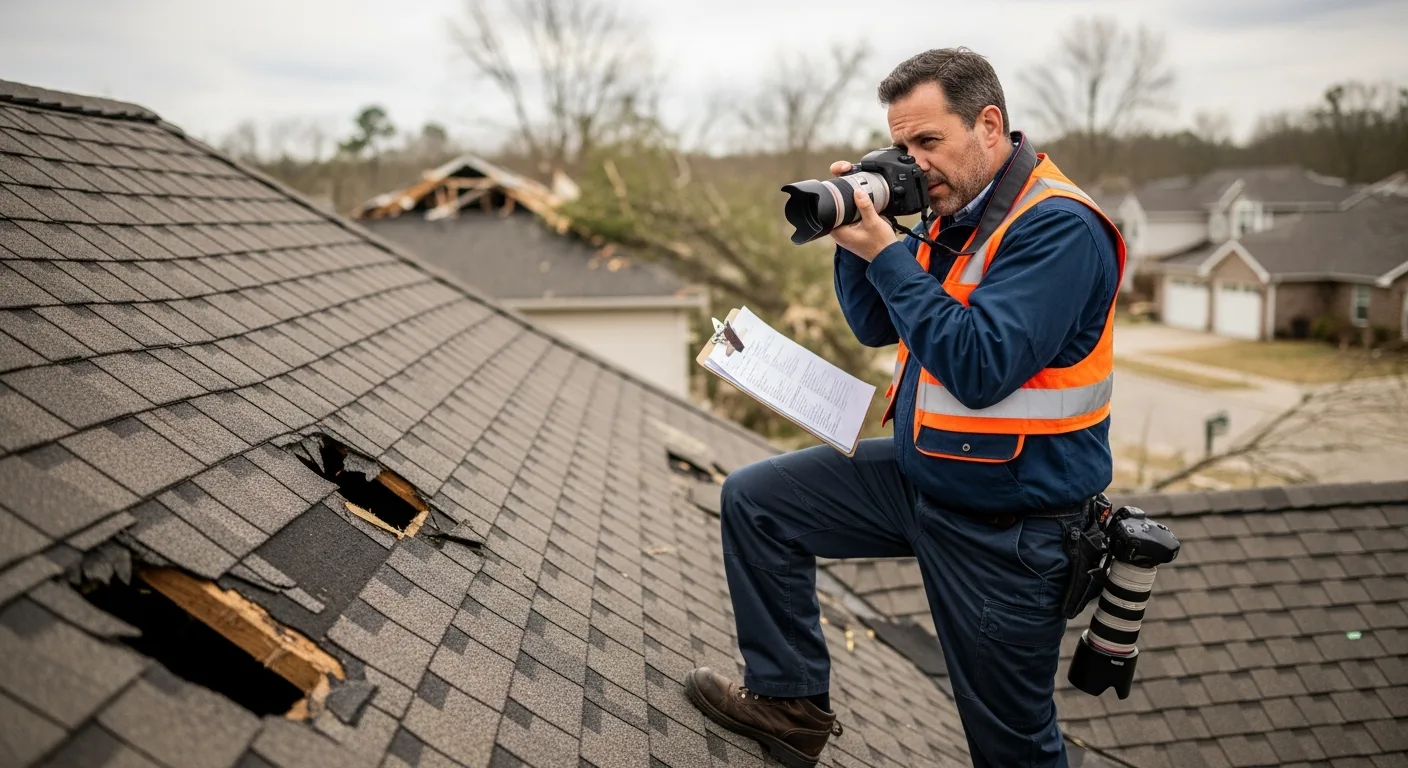
The National Roofing Contractors Association (NRCA) emphasizes that professional inspection is essential after any significant weather event, as untrained eyes often miss critical damage indicators. These hidden issues can allow water infiltration, which becomes the catalyst for extensive and expensive problems throughout your home's structure.
Even minor granule loss on asphalt shingles can accelerate weathering and reduce your roof's lifespan significantly. What might seem like cosmetic damage today can compromise your roof's ability to protect your home tomorrow, leading to premature replacement costs that could have been avoided with timely intervention.
The Cascading Effect of Water Damage
Water infiltration represents the most destructive consequence of ignoring minor roof damage. A small leak might start with just a few drops during rainfall, but it quickly becomes a gateway for extensive moisture-related problems throughout your home's structure.
Structural Deterioration
When water penetrates your roofing system, it immediately begins attacking the wooden components of your home's framework. Roof decking, rafters, and trusses can develop rot and decay, compromising the structural integrity of your entire roofing system. According to Department of Energy guidelines, moisture infiltration not only damages structural elements but also significantly impacts your home's energy efficiency.
The repair costs for structural damage far exceed the expense of addressing minor roof issues promptly. Replacing rotted decking, damaged rafters, or compromised trusses requires extensive reconstruction that can cost thousands of dollars and disrupt your household for weeks.
Insulation and Energy Efficiency Impact
Wet insulation loses its effectiveness immediately and can become a breeding ground for mold and mildew. Contaminated insulation must be completely removed and replaced, adding significant costs to your repair bill. Additionally, compromised insulation forces your HVAC system to work harder, resulting in higher energy bills that compound the financial impact of delayed repairs.
Professional roof inspection services can identify moisture infiltration before it reaches your insulation, preventing these costly secondary damages while preserving your home's energy efficiency.
Health Risks and Indoor Air Quality
Ignoring minor roof damage creates ideal conditions for mold and mildew growth, which poses serious health risks for your family. Moisture from roof leaks creates the perfect environment for these harmful organisms to flourish in wall cavities, attic spaces, and throughout your home's structure.
Mold remediation requires specialized treatment and can cost thousands of dollars while forcing your family to relocate temporarily. The health implications include respiratory problems, allergic reactions, and other serious medical conditions, particularly for children, elderly family members, and individuals with compromised immune systems.
The Federal Emergency Management Agency (FEMA) provides extensive guidance on preventing mold growth after water damage, emphasizing the importance of immediate action when moisture infiltration occurs. Quick response to minor roof damage prevents these health hazards while protecting your family's well-being.
Insurance Implications and Coverage Challenges
Delaying repairs after storm damage can create significant complications with your insurance coverage. Most homeowners' insurance policies require prompt reporting of damage and reasonable efforts to prevent further deterioration. Failure to address known issues promptly may result in claim denials or reduced settlements.
Insurance companies often view delayed repairs as negligence, arguing that homeowners contributed to additional damage by failing to mitigate known problems. This perspective can leave you financially responsible for extensive repairs that could have been covered under your original storm damage claim.
Additionally, secondary damage resulting from ignored minor issues typically isn't covered by standard homeowners' insurance policies. Water damage that develops over time due to unrepaired roof issues falls under maintenance-related exclusions rather than covered storm damage, leaving you to bear the full financial burden.
Documentation and Professional Assessment
Professional roof repair services provide essential documentation for insurance claims while ensuring repairs meet industry standards. The Insurance Institute for Business & Home Safety (IBHS) research demonstrates that proper documentation and timely repairs significantly improve claim outcomes and reduce long-term costs for homeowners.
The Economics of Preventive Action
The financial mathematics of roof maintenance strongly favor prompt attention to minor damage over delayed repairs. A small repair that might cost a few hundred dollars today can easily escalate into a complete roof replacement costing tens of thousands of dollars if water damage compromises the underlying structure.
Consider the typical progression: a few loose shingles allow water infiltration, leading to decking damage, insulation replacement, interior repairs, and potential mold remediation. The cumulative cost often exceeds ten times the original repair expense, not including the disruption to your daily life and temporary housing costs during extensive reconstruction.
Long-term Value Protection
Your roof represents a significant component of your home's value, and its condition directly impacts your property's marketability and worth. Maintaining your roofing system through prompt repairs preserves this investment while avoiding the depreciation that occurs when damage is allowed to progress unchecked.
Quality roofing materials from manufacturers like GAF and Owens Corning are designed to provide decades of protection when properly maintained. However, neglecting minor damage can void warranties and significantly reduce the lifespan of even the highest-quality roofing systems.
Taking Action After Storm Damage
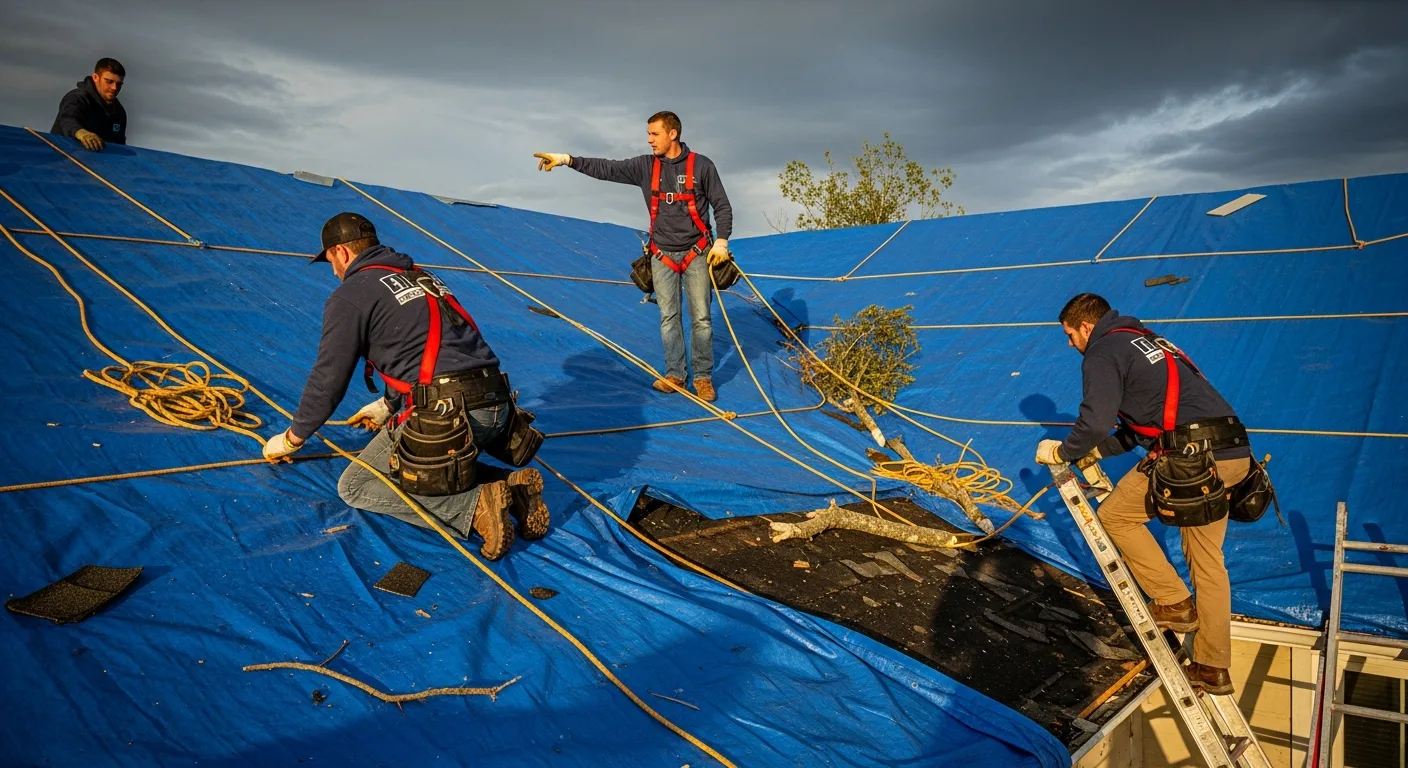
The key to avoiding the true cost of ignored roof damage lies in prompt, professional assessment and repair. Following any significant weather event in the Amarillo area, schedule a comprehensive roof inspection to identify both obvious and hidden damage before problems escalate.
Professional roofing contractors have the expertise and equipment necessary to detect subtle damage indicators that untrained observers miss. They can also provide accurate repair estimates and work directly with your insurance company to ensure proper coverage and documentation.
Don't let minor storm damage become a major financial burden. The cost of professional inspection and prompt repairs represents a fraction of the expense associated with delayed action and secondary damage. Protect your investment, your family's health, and your financial security by addressing roof damage immediately after storms pass through your area.
If you suspect your roof has sustained storm damage, contact our experienced team for a thorough inspection and professional assessment. Early intervention saves money, prevents health hazards, and ensures your roof continues protecting your most important investment for years to come.
Texas Panhandle Climate Challenges
The Texas Panhandle presents unique roofing challenges that make post-storm damage assessment even more critical. With National Severe Storms Laboratory data showing the region experiences some of the most severe hail events in the United States, even minor storm damage can have lasting consequences. The extreme temperature fluctuations—from scorching summers exceeding 100°F to winter freezes—create constant expansion and contraction cycles that accelerate the deterioration of compromised roofing materials.
Following Texas weather patterns, small punctures or granule loss from hail can expose underlying materials to intense UV radiation and thermal cycling. GAF's engineering data demonstrates that asphalt shingles with compromised granule protection can lose up to 50% of their expected lifespan when exposed to sustained temperatures above 90°F. This accelerated aging process transforms minor storm damage into major structural vulnerabilities within just one or two seasons.
The Cascade Effect of Delayed Repairs
What begins as a small leak can trigger a destructive cascade throughout your home's building envelope. When water penetrates through damaged flashing or compromised shingle seals, it often travels along roof decking and structural members before becoming visible inside your home. Building Science Corporation research indicates that moisture infiltration can compromise structural wood members, reduce insulation R-values by up to 40%, and create ideal conditions for mold growth within as little as 24-48 hours.
The financial implications are staggering. Insurance Information Institute statistics show that homeowners who address minor storm damage within 30 days typically spend 60-80% less on repairs compared to those who wait six months or longer. This dramatic cost difference reflects the exponential nature of water damage—what starts as a $200 shingle repair can evolve into $15,000+ in structural repairs, insulation replacement, and mold remediation.
Additionally, delayed repairs can impact your insurance coverage. Many policies require prompt reporting and mitigation of storm damage, and failure to address known issues may void coverage for subsequent damage. Working with NRCA-certified contractors ensures proper documentation and repair techniques that maintain warranty coverage and insurance compliance.
For Amarillo homeowners, the combination of severe weather patterns and extreme temperature variations makes immediate post-storm inspection and repair not just advisable—it's essential for protecting your investment and maintaining your home's structural integrity for decades to come.