In high-wind regions like the Texas Panhandle, building codes establish critical performance standards that determine how well your roof system will withstand severe weather events. These regulations aren't just bureaucratic requirements—they're engineered safeguards that can mean the difference between minor repairs and catastrophic structural damage when wind speeds exceed 70 mph.
What Building Code Wind Requirements Mean for Your Property
Modern building codes address roof performance through comprehensive wind resistance standards that evaluate multiple aspects of the roof system. The International Building Code (IBC) and International Residential Code (IRC) establish minimum requirements for wind uplift resistance, structural integrity, and building envelope protection based on regional wind speed maps.
These codes recognize that wind forces create three primary challenges for roof systems: uplift pressure that attempts to lift the roof off the structure, lateral forces that push against vertical surfaces, and dynamic loading from turbulent airflow. Each of these forces requires specific design considerations and material specifications to ensure adequate performance.
For commercial properties, wind resistance requirements are typically more stringent due to larger roof areas and greater exposure. Residential buildings face similar challenges but often have different attachment methods and material options that influence code compliance strategies.
Key Factors That Determine Wind Resistance Requirements
Building codes establish wind resistance requirements based on several critical factors that affect how wind forces impact your property. Understanding these elements helps explain why certain roofing specifications are mandatory in high-wind areas.
Wind Speed Design Values
The foundation of all wind resistance requirements starts with design wind speeds established through historical weather data and risk analysis. The Texas Panhandle falls into wind zones requiring design consideration for sustained winds of 90-110 mph, with some areas requiring even higher resistance levels.
These design values account for both straight-line winds and rotational forces from severe thunderstorms. The FEMA wind maps that inform building codes reflect statistical analysis of extreme weather patterns over decades, ensuring structures can withstand expected maximum events.
Building Height and Exposure
Wind forces increase exponentially with height, which is why building codes establish different requirements based on structure elevation and surrounding terrain. Properties in open areas without natural windbreaks face higher exposure ratings and correspondingly stricter requirements.
The exposure category assigned to your property directly influences required wind uplift resistance values, attachment spacing, and edge securement details. These classifications ensure that roof systems account for site-specific wind acceleration effects.
Roof Geometry and System Type
Building codes recognize that different roof configurations create varying wind pressure patterns. Low-slope commercial roofs experience different loading than steep residential slopes, while roof edges and corners always face higher forces than field areas.
For commercial membrane systems like TPO, EPDM, and PVC, codes specify minimum attachment densities that increase toward roof perimeters where uplift forces concentrate. Residential systems must meet specific requirements for impact-resistant shingles and enhanced attachment methods in high-wind zones.
Code-Compliant Solutions for High-Wind Performance
Meeting building code wind resistance requirements involves selecting appropriate materials, installation methods, and system designs that work together to create adequate performance levels. Modern codes emphasize system-based approaches rather than individual component specifications.
Enhanced Attachment Methods
Building codes require specific fastening patterns and densities that exceed standard installation practices in moderate wind areas. For commercial roofs, this typically means increased insulation fastener density and membrane attachment frequency, particularly in roof edge and corner zones.
Residential applications often require enhanced nail patterns, upgraded fasteners, or supplemental attachment methods like roofing adhesives. These requirements ensure that individual roofing components maintain their intended position under extreme wind loading.
Impact-Resistant Materials
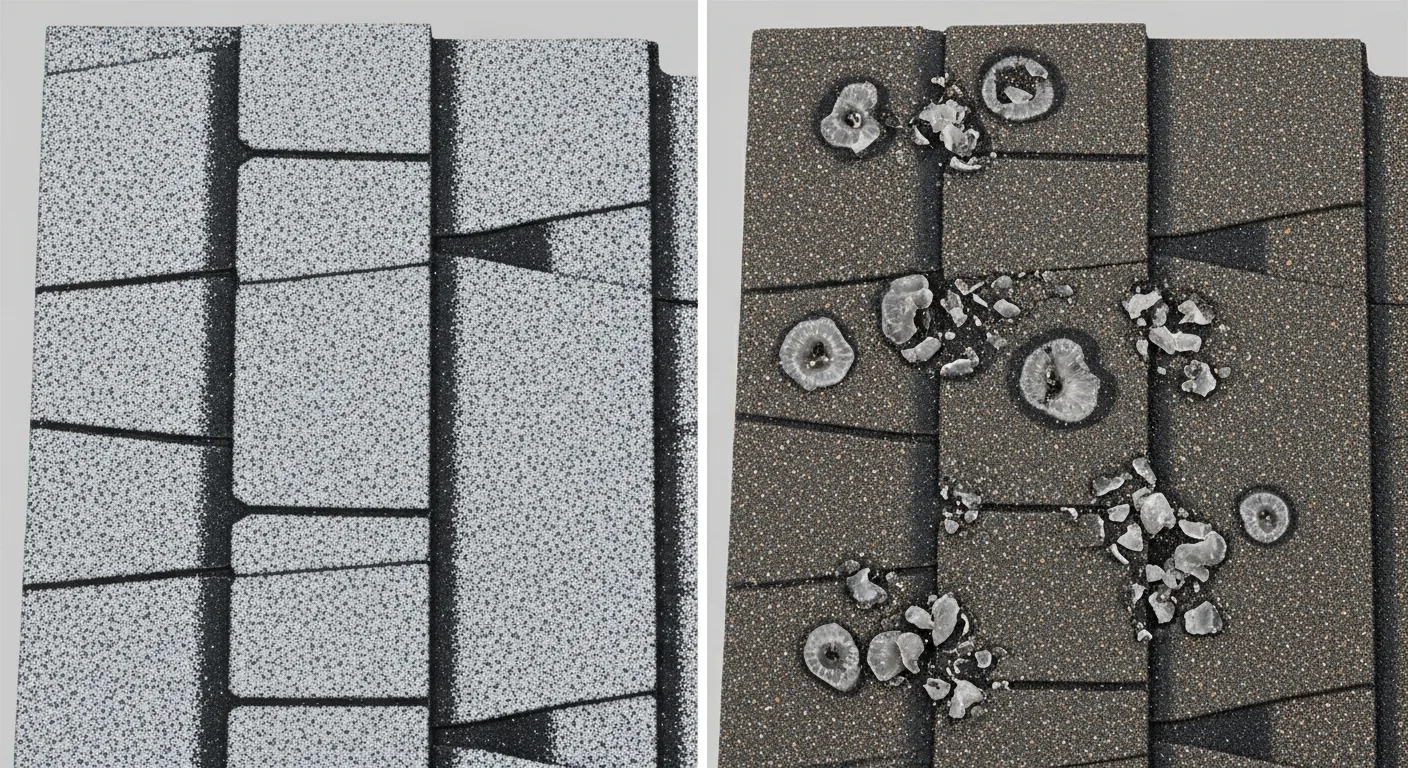
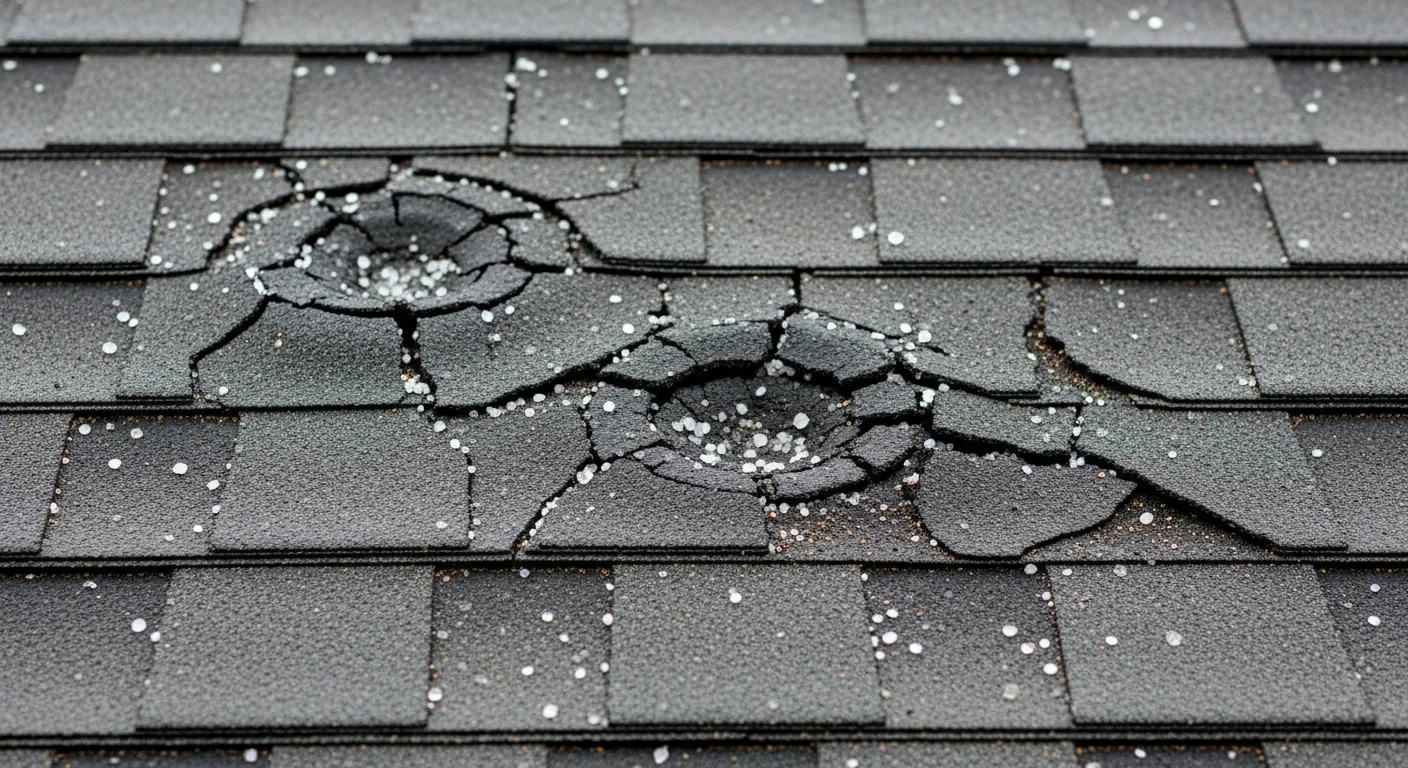
High-wind areas frequently experience hail accompanying severe storms, which is why building codes often require or incentivize impact-resistant materials. Class 4 impact-rated shingles provide superior resistance to hail damage while maintaining wind resistance performance.
Commercial membrane systems must meet specific puncture resistance and weathering standards that ensure long-term performance under combined wind and moisture exposure. These requirements help maintain building envelope integrity throughout the roof system lifespan.
Structural Reinforcement
Building codes may require structural upgrades to support enhanced wind resistance, particularly for older buildings or those undergoing roof replacement. This can include deck attachment improvements, parapet reinforcement, or structural member upgrades.
Understanding these potential requirements early in the planning process helps avoid costly surprises during roof replacement projects. Learn more on our commercial roofing services section to understand how structural considerations affect system selection.
High-Wind Code Compliance in the Texas Panhandle
The Texas Panhandle's severe weather patterns create unique challenges that influence how building codes address roof performance. Local amendments to international codes often reflect regional experience with specific weather phenomena.
Extreme temperature fluctuations common in this region can affect material performance and thermal movement, which codes address through specific installation details and material selection requirements. The combination of high winds, large hail, and UV exposure requires roof systems that maintain performance across multiple stress factors.
Drainage dynamics also receive special attention in high-wind areas, as wind-driven rain can overwhelm standard drainage systems or create moisture intrusion through typically protected areas. Code requirements for secondary drainage and waterproofing reflect these regional challenges.
Insurance considerations often align with building code requirements, as many carriers offer premium reductions for properties that exceed minimum code standards. This creates financial incentives for enhanced wind resistance that complement regulatory requirements.
When Professional Code Compliance Assessment Is Essential
Navigating building code requirements for high-wind roof performance requires expertise in both regulatory standards and practical application. Professional evaluation becomes critical when dealing with existing structures, complex roof geometries, or mixed-use buildings.
Experienced roofing contractors understand how different code requirements interact and can identify the most cost-effective approaches to achieving compliance. This expertise is particularly valuable when exploring options that exceed minimum requirements for enhanced protection.
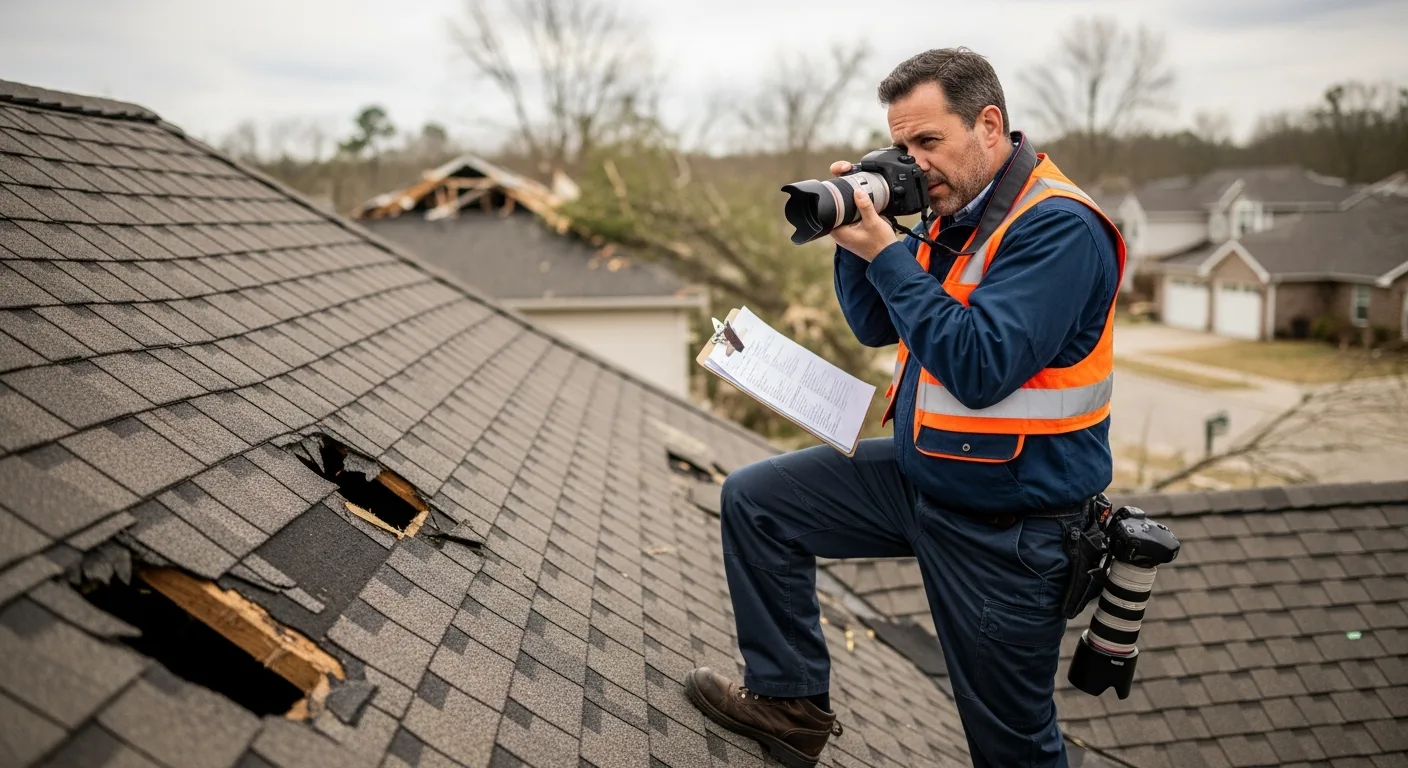
Code compliance verification should be part of any roof replacement or major repair project, as regulations evolve and local amendments can create specific requirements not found in standard references. Visit our roof inspection services to understand how professional assessment can identify code-related considerations for your property.
Regular professional inspections help ensure that your roof system continues to meet performance standards throughout its service life, identifying maintenance needs before they compromise code compliance or system integrity.
For properties in the Texas Panhandle's challenging climate, understanding and implementing appropriate building code requirements provides the foundation for long-term roof system performance and property protection. Contact our team to discuss how current code requirements apply to your specific roofing needs and explore options that provide optimal wind resistance for your investment.
The Texas Panhandle's unique climate profile presents distinct challenges that building codes must address through specific performance metrics. With documented wind speeds exceeding 90 mph during severe thunderstorms and hail stones reaching softball size, the region requires roof systems engineered to withstand extreme weather events that occur with increasing frequency.
For residential applications, the International Residential Code establishes minimum wind resistance standards based on ultimate design wind speeds ranging from 115 mph to 195 mph, depending on the specific location and exposure category. In Amarillo and surrounding areas, most residential structures fall under the 115-130 mph design wind speed category, requiring roof systems to demonstrate adequate uplift resistance through standardized testing protocols.
Modern impact-resistant shingles, such as GAF's Timberline HD series with Class 4 impact ratings, have become increasingly important in Texas Panhandle applications. These materials undergo rigorous testing including the UL 2218 impact resistance test, where steel balls weighing up to 2 inches in diameter are dropped from specific heights to simulate hail impact. Class 4-rated materials can often qualify property owners for significant insurance discounts, sometimes reducing premiums by 15-35%.
Commercial roofing systems face even more stringent requirements, with single-ply membrane installations requiring compliance with SPRI wind design standards that address both structural and non-structural elements. TPO and EPDM systems must demonstrate adequate adhesion strength, typically ranging from 20-40 pounds per square foot depending on the roof zone and building height. Edge details and corner areas require enhanced attachment methods, as these zones experience wind uplift forces up to 2.5 times greater than field areas.
The Insurance Institute for Business & Home Safety's FORTIFIED standards provide additional guidelines that exceed minimum code requirements, focusing on creating a continuous load path from the roof deck to the foundation. FORTIFIED certification requires specific attachment methods, including enhanced fastening patterns for roof decking and upgraded flashing details at vulnerable areas such as roof-to-wall connections and penetrations.
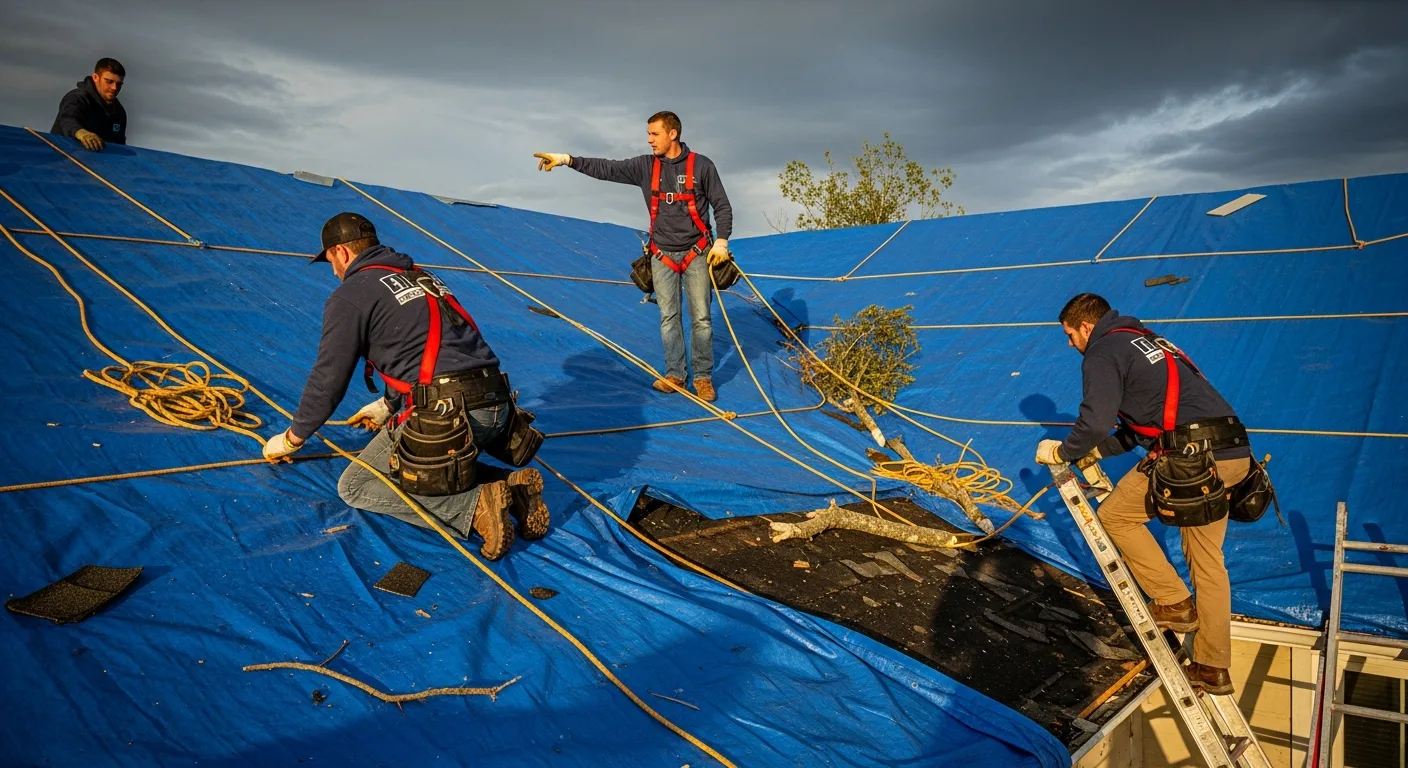
Regular compliance inspections ensure that installed systems meet both current building codes and manufacturer specifications. Professional installation by NRCA-certified contractors becomes crucial, as improper installation can void warranties and create liability issues during severe weather events. Documentation of code compliance also plays a vital role in insurance claims processing, particularly when wind or hail damage occurs to properly installed systems that meet or exceed regional requirements.