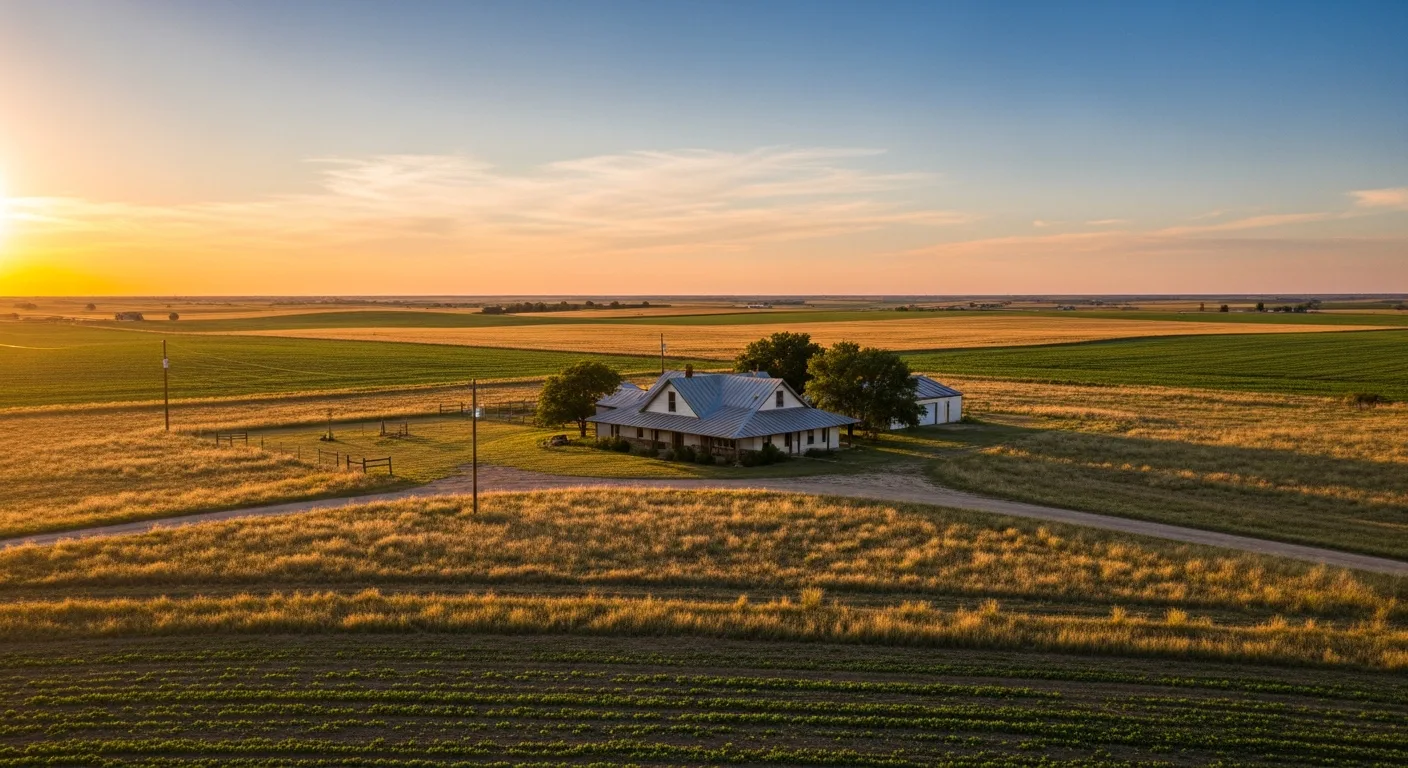
Borger, Texas residents know all too well the devastating impact that hailstorms can have on their homes. Located in the heart of Tornado Alley, this Hutchinson County community experiences some of the most severe weather conditions in the Panhandle region. While many homeowners focus on obvious signs of damage after a storm, the reality is that hail damage often begins subtly, manifesting in ways that can lead to serious problems if left undetected. Understanding how to identify these early warning signs before water begins infiltrating your home can save you thousands of dollars in repairs and protect your family's safety and comfort.
Understanding Hail Damage in the Texas Panhandle
The Texas Panhandle's unique geography creates perfect conditions for severe hailstorms. Borger sits in a region where cold, dry air masses collide with warm, moist air from the Gulf of Mexico, creating the atmospheric instability necessary for supercell thunderstorms. According to the National Roofing Contractors Association, hail causes billions of dollars in property damage annually across the United States, with Texas consistently ranking among the top states for hail-related insurance claims.
Hailstones in the Borger area can range from pea-sized to golf ball-sized or larger, with larger stones capable of causing significant structural damage. The impact force of hail depends not only on size but also on wind speed, storm duration, and the angle at which hailstones strike your roof. Even seemingly minor hail can compromise your roof's integrity, creating vulnerabilities that may not become apparent until the next heavy rainfall.
The Science Behind Hail Impact
When hailstones strike your roof, they create both visible and invisible damage. The immediate impact can crack, chip, or dent roofing materials, while the force can also loosen granules on asphalt shingles or create micro-fractures in other materials. These seemingly minor impacts can accelerate weathering and reduce your roof's ability to shed water effectively, leading to premature failure and potential water intrusion.
Early Warning Signs on Different Roofing Materials
Different roofing materials exhibit unique patterns of hail damage, and recognizing these signs early is crucial for preventing water damage. Understanding what to look for on your specific roofing system can help you identify problems before they escalate into costly repairs.
Asphalt Shingle Damage Indicators
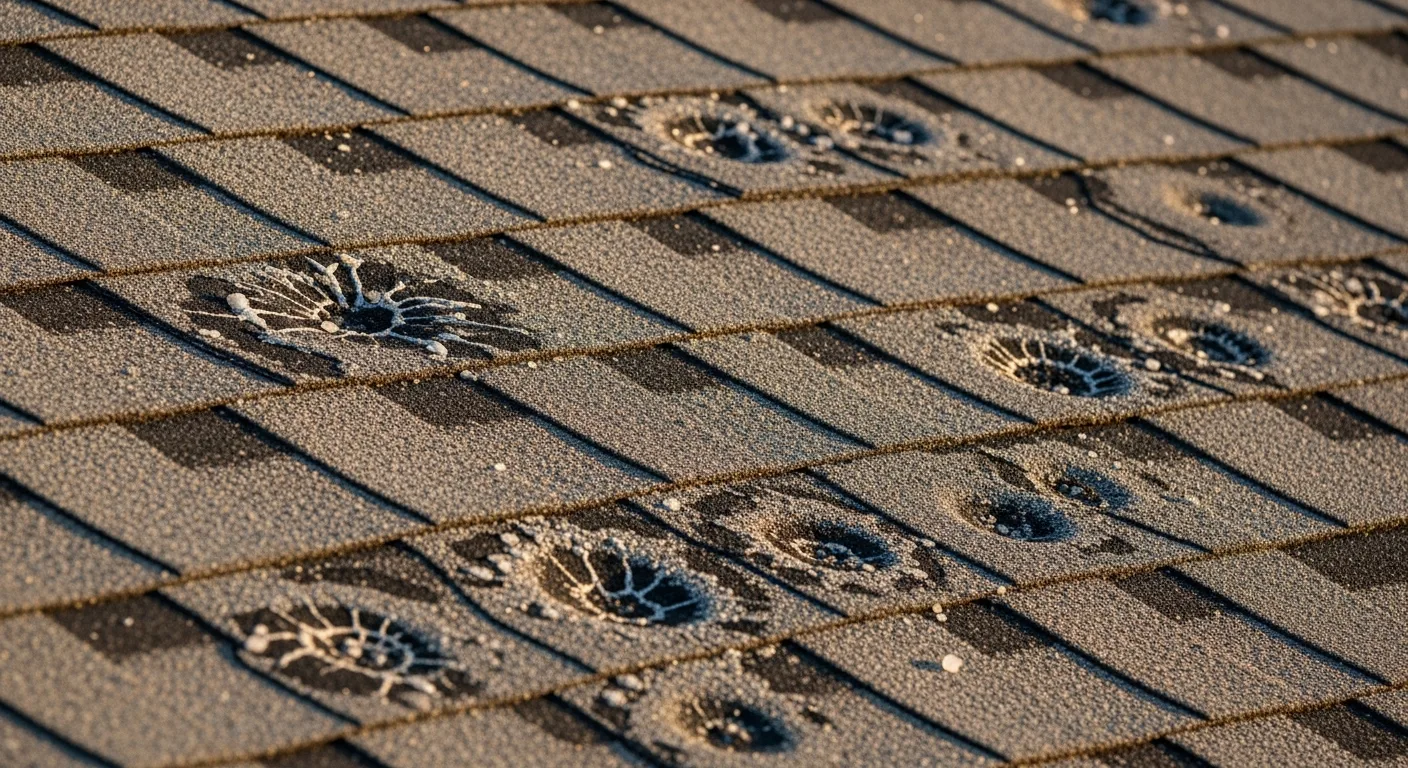
Asphalt shingles are the most common roofing material in Borger, and they show hail damage in several distinct ways. Look for circular patterns where granules have been knocked off, exposing the underlying mat. These exposed areas appear as dark spots against the lighter granule surface. You may also notice shiny spots where the impact has bruised the asphalt, creating a reflective surface.
Check for loose or missing granules in your gutters and around your home's foundation after a hailstorm. While some granule loss is normal over time, excessive accumulation following a storm indicates potential damage. Additionally, examine shingle edges for cracking, splitting, or lifting, as these areas are particularly vulnerable to wind-driven rain penetration.
Metal Roofing Damage Assessment
Metal roofing systems, while generally more hail-resistant than asphalt shingles, can still sustain significant damage. Look for dents, particularly on softer metals like aluminum or copper. These dents may not immediately compromise the roof's waterproof barrier but can create areas where water pools, accelerating corrosion and eventual failure.
Inspect painted metal surfaces for chips or scratches that expose the underlying metal to moisture. Even small paint damage can lead to rust formation, which spreads over time and weakens the roofing system's structural integrity.
Clay and Concrete Tile Vulnerabilities
Clay and concrete tiles are particularly susceptible to hail damage due to their brittle nature. Look for cracked, chipped, or completely broken tiles. Even hairline cracks can allow water penetration, leading to damage of the underlying roof deck and potential interior water damage.
Pay special attention to the exposed edges and corners of tiles, as these areas typically sustain the most severe impact damage. Additionally, check for tiles that may have shifted or become loose, as this can create gaps in your roof's protective barrier.
Professional Inspection Techniques
While homeowners can identify obvious damage, professional roofers use specialized techniques and equipment to detect subtle hail damage that might otherwise go unnoticed. The Department of Energy recommends having your roof professionally inspected after any significant weather event to ensure optimal energy efficiency and structural integrity.
Professional inspectors use tools like moisture meters to detect hidden water intrusion, thermal imaging cameras to identify temperature variations that indicate damage, and specialized hail damage assessment protocols developed by industry organizations. They also examine areas that homeowners typically cannot safely access, such as steep roof sections and areas around chimneys, vents, and other roof penetrations.
The Importance of Immediate Action
Time is critical when dealing with potential hail damage. What begins as minor granule loss or small cracks can quickly escalate during the next weather event. FEMA emphasizes the importance of prompt damage assessment and repair to prevent secondary damage that can be far more costly than the initial hail damage.
At CRS Roofing & Construction, we recommend scheduling a free inspection within days of any significant hailstorm. Our experienced team understands the unique challenges faced by Borger homeowners and can identify damage patterns specific to Panhandle weather conditions.
Hidden Areas Where Damage Occurs
Some of the most critical hail damage occurs in areas that are difficult to see from ground level or may not show immediate signs of failure. These hidden problem areas often become the source of significant water damage if not properly addressed.
Roof Flashing and Penetrations
Flashing around chimneys, vents, skylights, and other roof penetrations is particularly vulnerable to hail damage. The metal components can become dented or shifted, while the sealants used to waterproof these areas can crack or separate. Even minor damage to flashing can create pathways for water infiltration that may not become apparent until water stains appear on interior ceilings or walls.
Gutters and Drainage Systems
Hail damage to gutters and downspouts can compromise your home's entire water management system. Dented gutters may not drain properly, leading to water backup and potential roof damage. Additionally, damaged gutters can separate from the roof edge, creating gaps where water can penetrate behind the roofing system.
The Insurance Institute for Business & Home Safety has conducted extensive research on how minor drainage issues can lead to major structural problems over time, emphasizing the importance of maintaining a properly functioning gutter system.
Soffit and Fascia Damage
The horizontal and vertical boards that enclose the roof edge are often overlooked during damage assessments but play a crucial role in protecting your home's structure. Hail can crack, dent, or puncture these materials, creating entry points for moisture and pests. Additionally, damaged soffit vents can compromise your attic's ventilation system, leading to moisture buildup and potential mold growth.
When to Call Professionals
While homeowners can perform basic visual inspections from ground level, certain situations require professional expertise. If you notice any signs of potential damage, or if your area has experienced significant hail, it's advisable to schedule a professional inspection rather than attempt to assess damage yourself.
Our team at CRS Roofing & Construction specializes in Borger roofing services and understands the specific challenges faced by homeowners in this region. We work with leading manufacturers like GAF and Owens Corning to provide comprehensive solutions that address both immediate damage and long-term protection needs.
Insurance Considerations
Documenting hail damage properly is crucial for insurance claims. Professional inspections provide detailed reports and photographic evidence that insurance adjusters require to process claims effectively. Many insurance companies have specific timeframes for reporting damage, making prompt professional assessment essential for claim approval.
For commercial properties or specialized roofing systems, manufacturers like Firestone often require professional assessment to maintain warranty coverage. Our certified inspectors can provide the documentation needed to protect your investment and ensure warranty compliance.
Prevention and Protection Strategies
While you cannot prevent hailstorms, you can take steps to minimize damage and improve your roof's resilience to future weather events. Regular maintenance, prompt repairs, and strategic upgrades can significantly reduce your vulnerability to hail damage.
Consider impact-resistant roofing materials when replacement becomes necessary. These products are specifically designed to withstand hail impact and often qualify for insurance discounts. Additionally, maintaining proper attic ventilation and ensuring your roof structure is sound can help your roofing system better withstand severe weather conditions.
If you suspect hail damage to your Borger home, don't wait for leaks to develop. Contact CRS Roofing & Construction for a comprehensive hail damage assessment and learn how we can restore your roof's integrity and protect your most valuable investment. Early detection and prompt repair are your best defenses against the costly consequences of unaddressed hail damage.
The National Severe Storms Laboratory has extensively studied the supercell formation patterns across the Texas Panhandle, noting that Borger's location experiences some of the highest hail frequency rates in North America. Hailstones reaching 2 inches in diameter can impact roofing surfaces at speeds exceeding 100 mph, creating forces that exceed the impact resistance standards of most conventional roofing materials. This is why many Texas Panhandle homeowners are now investing in impact-resistant shingles like TAMKO's Heritage Impact series, which are specifically engineered to withstand Class 4 hail impact testing per UL 2218 standards.
Beyond the immediate visible damage, hail impacts create microscopic fractures in shingle granules and underlying asphalt layers that compromise the roof's UV protection and waterproofing capabilities. The extreme temperature fluctuations common in the Texas Panhandle – where summer temperatures can exceed 110°F and winter lows drop below freezing – accelerate the deterioration of these compromised areas through thermal expansion and contraction cycles. GAF's Timberline HD shingles, popular in the region, feature Advanced Protection Shingle Technology, but even these premium materials require professional inspection after severe hail events to assess their continued performance.
According to Insurance Information Institute data, Texas consistently leads the nation in hail damage claims, with the average claim in the Panhandle region exceeding $12,000. The National Roofing Contractors Association emphasizes that professional roof inspections should be conducted within 72 hours of any hailstorm producing stones larger than 1 inch in diameter. This timeframe is critical because early detection allows for proper documentation for insurance purposes and prevents secondary damage from occurring during subsequent weather events.
Professional contractors use specific assessment protocols that include measuring impact marks, checking for exposed mat areas on shingles, and testing the integrity of flashing and penetration seals. The Insurance Institute for Business & Home Safety research shows that homes built to FORTIFIED standards with impact-resistant roofing materials experience 95% fewer hail damage claims, making this investment particularly valuable for Borger homeowners facing recurring severe weather threats.