Texas Panhandle property owners face a critical decision: continue absorbing escalating energy costs from an inefficient roof, or invest in proven energy-efficient roofing technology that delivers measurable returns. With Amarillo's extreme temperature swings—from blazing 100°F+ summers to sub-zero winters—your building envelope's thermal performance directly impacts operational costs and occupant comfort. Delaying this investment means another season of excessive HVAC strain, compromised thermal reflectivity, and mounting utility expenses that compound monthly.
The consequences extend beyond immediate costs. Poor thermal performance accelerates HVAC system wear, reduces equipment lifespan, and creates uncomfortable interior conditions that impact productivity and property value. Meanwhile, energy-efficient roofing systems with optimized R-values and reflective membranes continue proving their worth across commercial and residential applications throughout the Texas Panhandle.
When Energy Efficiency Requires Professional Assessment
Several indicators signal your property would benefit from energy-efficient roofing upgrades. Monthly energy bills exceeding regional benchmarks often reflect compromised building envelope performance, particularly when HVAC systems cycle frequently during peak demand periods. Temperature inconsistencies between interior zones, especially near the roofline, indicate inadequate thermal barriers or air infiltration through membrane seams.
Professional evaluation becomes essential when existing roofing systems approach 15-20 years of service life in the Texas climate. UV degradation, thermal cycling stress, and moisture intrusion compromise both structural integrity and thermal performance over time. Energy Star qualified roofing products demonstrate measurable performance advantages, but proper installation and system integration determine actual energy savings.
Commercial properties with flat or low-slope configurations face unique challenges. Single-membrane systems without adequate insulation create thermal bridges that compromise interior comfort and increase operational costs. Healthcare facilities, educational institutions, and manufacturing operations require consistent thermal environments—making energy-efficient roofing systems essential for operational efficiency and regulatory compliance.
Key Decision Factors: Cost Analysis and Performance Metrics
Energy-efficient roofing investments require comprehensive lifecycle cost analysis beyond initial installation expenses. Cool roof membranes with high thermal reflectivity reduce cooling loads by 10-30% in hot climates, translating to immediate utility savings. Enhanced insulation systems with higher R-values minimize thermal transfer year-round, providing both cooling and heating benefits during Amarillo's temperature extremes.
Material selection significantly impacts long-term performance and ROI. TPO and EPDM membranes with reflective coatings offer proven durability and thermal performance for commercial applications. Metal roofing systems with reflective finishes provide excellent thermal reflectivity and wind uplift resistance—critical factors in the Texas Panhandle's severe weather environment. Residential applications benefit from asphalt shingles with reflective granules or metal roofing systems designed for thermal efficiency.
Timeline considerations affect both project costs and energy savings realization. Spring and fall installation schedules often provide cost advantages while avoiding extreme weather periods that complicate installation. However, delaying installation means continued energy waste and HVAC system strain. Professional contractors can often accommodate urgent installations while maintaining quality standards and warranty compliance.
Insurance incentives increasingly recognize energy-efficient roofing benefits. Some carriers offer premium reductions for cool roof installations or enhanced wind-resistant systems. Local utility companies may provide rebates for qualified energy-efficient roofing upgrades, improving overall project ROI and reducing payback periods.
Material and System Recommendations for Texas Climate
The Texas Panhandle's unique climate demands roofing systems engineered for extreme thermal cycling, high wind events, and severe hail exposure. Commercial applications benefit from multi-layer systems combining high-performance membranes with continuous insulation boards and reflective coatings. Carlisle SynTec and Firestone membranes demonstrate proven performance in similar climates, offering comprehensive warranty coverage and established track records.
Cool roof technology provides measurable benefits in hot climates through advanced thermal reflectivity. White or light-colored membrane systems reflect 70-85% of solar energy, compared to 5-25% for traditional dark surfaces. This thermal performance reduces surface temperatures by 50-80°F during peak sun exposure, dramatically decreasing cooling loads and extending membrane lifespan through reduced thermal stress.
Insulation system optimization delivers year-round energy savings. Continuous insulation boards eliminate thermal bridging while providing consistent R-values across the entire roof assembly. Proper vapor barrier installation prevents moisture intrusion that compromises insulation performance and creates indoor air quality concerns. Professional installation ensures proper membrane seam welding and detail work that maintains building envelope integrity.
Residential applications require different approaches while maintaining energy efficiency priorities. Metal roofing systems with reflective finishes provide excellent thermal performance and severe weather resistance. Impact-resistant asphalt shingles with reflective granules offer traditional aesthetics with improved energy efficiency. Proper attic insulation and ventilation systems complement roofing upgrades for maximum thermal performance.
What to Expect During the Energy-Efficient Roofing Process
Professional energy-efficient roofing projects begin with comprehensive thermal performance assessments and energy audits. Experienced contractors evaluate existing building envelope performance, identify thermal bridging issues, and calculate potential energy savings from various upgrade options. This analysis provides accurate ROI projections and helps prioritize system components for maximum impact.
Pre-construction planning addresses weather timing, material coordination, and occupancy considerations. Commercial projects often require phased installation to maintain operations, while residential projects can typically complete in 1-3 days depending on system complexity. Material delivery coordination ensures proper storage and handling of reflective membranes and insulation components that require specific installation conditions.
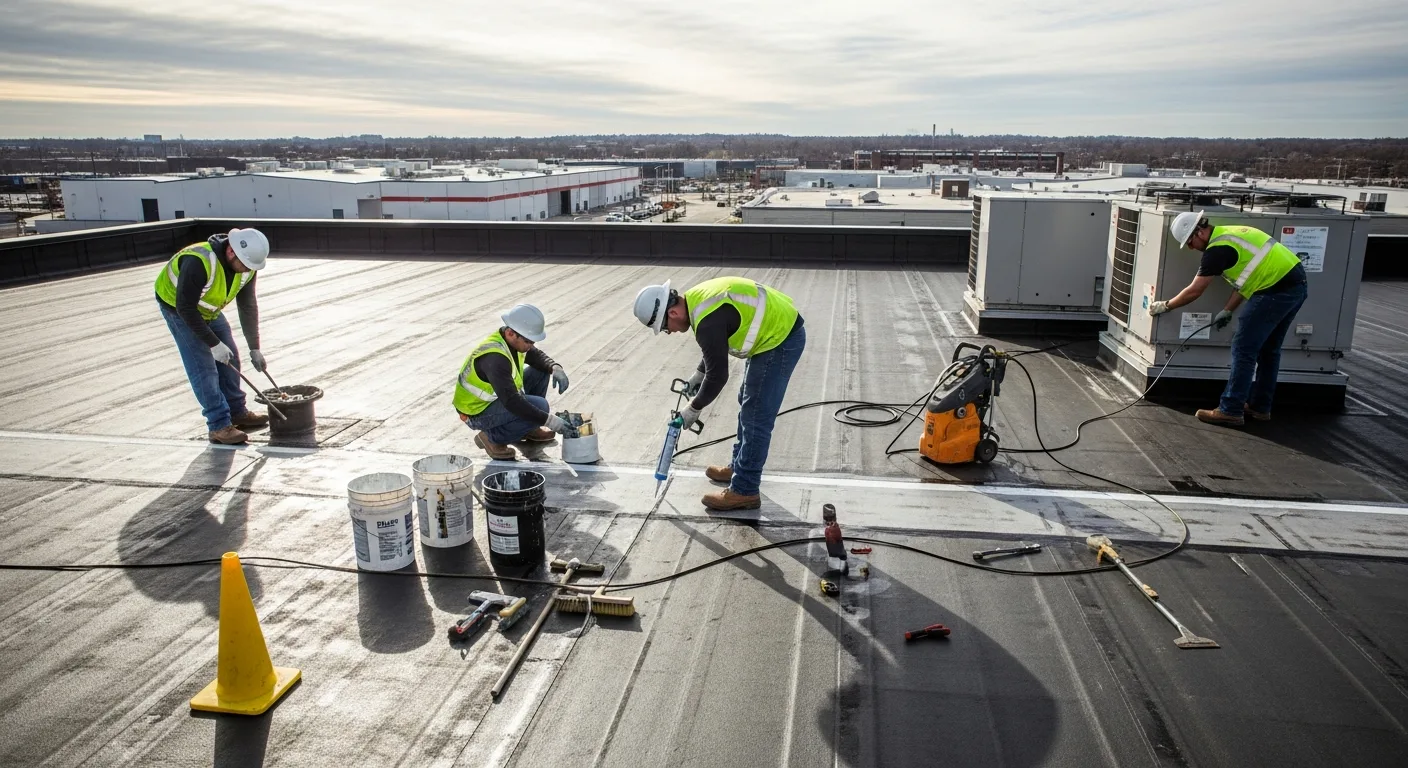
Installation procedures follow manufacturer specifications and industry standards for warranty compliance and performance optimization. Membrane seam welding requires precise temperature control and proper overlap dimensions. Insulation board installation demands continuous coverage without gaps or compression that reduces R-values. Reflective coating applications require specific weather conditions and curing times for proper adhesion and performance.
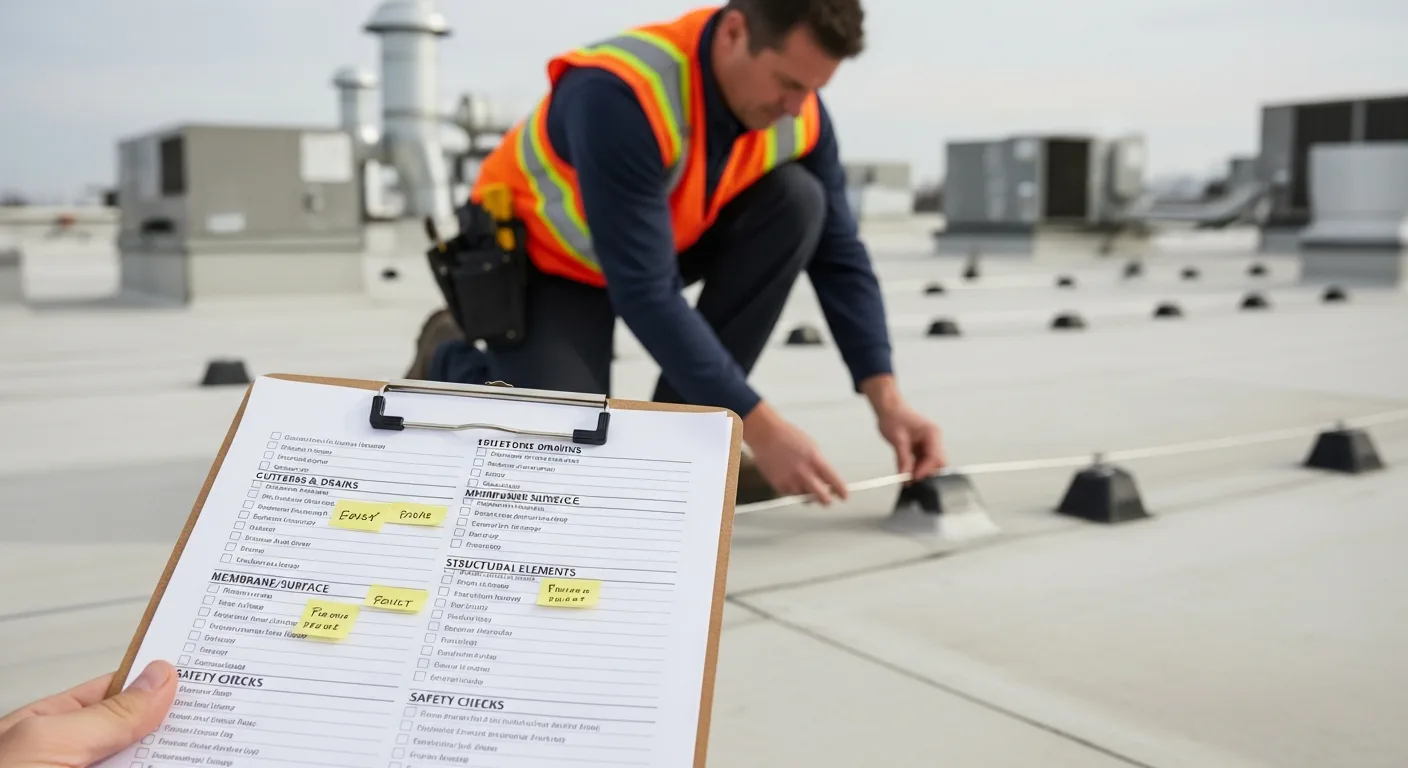
Quality control measures throughout installation ensure long-term performance and energy efficiency. Thermal imaging inspections identify thermal bridging or installation defects before final completion. Membrane seam testing verifies watertight installation that prevents moisture intrusion. Professional contractors provide comprehensive documentation supporting warranty claims and energy efficiency certifications.
Why Choosing the Right Contractor Matters for Energy Efficiency
Energy-efficient roofing system performance depends entirely on proper installation by qualified professionals with specific training and certification. NRCA-certified contractors understand complex thermal dynamics, proper insulation installation, and membrane seaming techniques that determine actual energy savings. Inexperienced installation compromises system performance and voids manufacturer warranties.
Local expertise matters significantly for Texas Panhandle applications. Contractors familiar with regional climate challenges understand proper system design for extreme temperature cycling, high wind loads, and severe hail exposure. They maintain relationships with approved material suppliers and understand local building code requirements for energy efficiency and wind resistance.
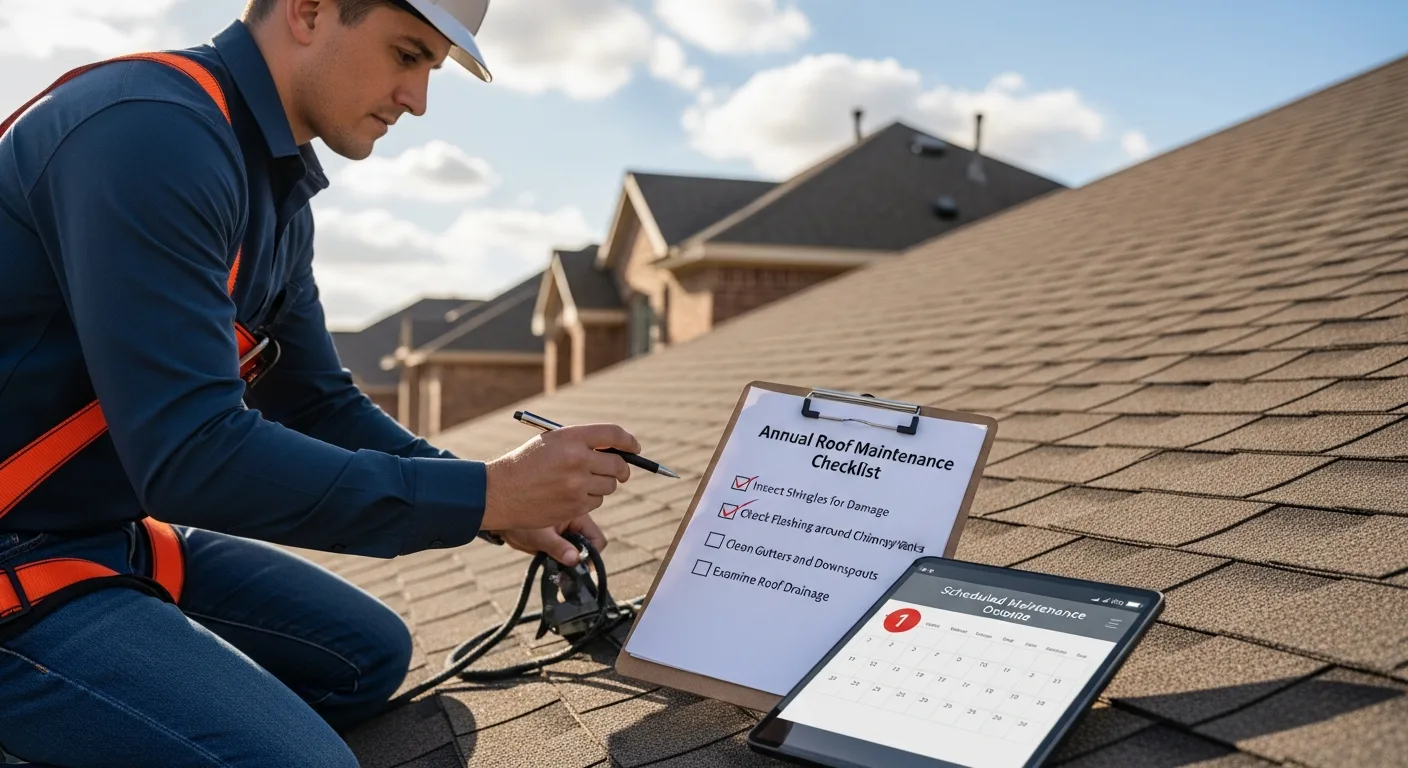
Warranty support and long-term service capabilities ensure continued energy efficiency performance. Reputable contractors provide comprehensive installation warranties backed by established business operations and insurance coverage. They offer ongoing maintenance programs that preserve system performance and extend service life through proper upkeep and preventive care.
To explore our commercial roofing services page for energy-efficient system options, or visit our residential roof replacement section to learn about thermal performance upgrades, contact our certified energy efficiency specialists. We provide detailed lifecycle cost analysis and ROI projections specific to your property's requirements and local climate conditions.
Don't let another month pass with excessive energy costs and compromised comfort. Contact CRS Roofing & Construction today for your comprehensive energy efficiency assessment and discover how advanced roofing technology can deliver measurable returns on your investment. Our certified professionals provide detailed cost analysis, performance projections, and financing options that make energy-efficient roofing upgrades both practical and profitable. Schedule your consultation now—your energy savings start with the next utility bill.
Energy-efficient roofing systems in the Texas Panhandle must withstand some of the nation's most demanding weather conditions. NOAA weather data confirms that Amarillo experiences over 300 days of sunshine annually with intense UV radiation, combined with frequent severe weather including hail storms exceeding 2-inch diameter and straight-line winds surpassing 70 mph. These conditions demand roofing materials that meet stringent performance standards while delivering measurable energy savings.
When evaluating energy-efficient roofing options, reflective performance becomes critical for Texas Panhandle properties. Cool Roof Rating Council standards specify that high-performance reflective membranes should maintain solar reflectance values above 0.65 and thermal emittance exceeding 0.75. For residential applications, impact-resistant shingles like TAMKO's Heritage series with Class 4 hail ratings combine energy efficiency with essential storm protection. Commercial properties benefit from TPO and EPDM systems that exceed Department of Energy thermal performance requirements while providing superior puncture resistance and wind uplift ratings exceeding 90 psf.
Professional energy assessments should evaluate your existing roof's thermal bridging, air infiltration rates, and insulation R-values against current building performance standards. Building science research demonstrates that properly installed energy-efficient roofing systems in hot climates like the Texas Panhandle can reduce cooling loads by 15-30%, translating to annual savings of $1,200-$3,500 for typical commercial buildings. These systems also qualify for federal tax credits and utility rebates, improving overall return on investment timelines to 5-8 years for most properties.