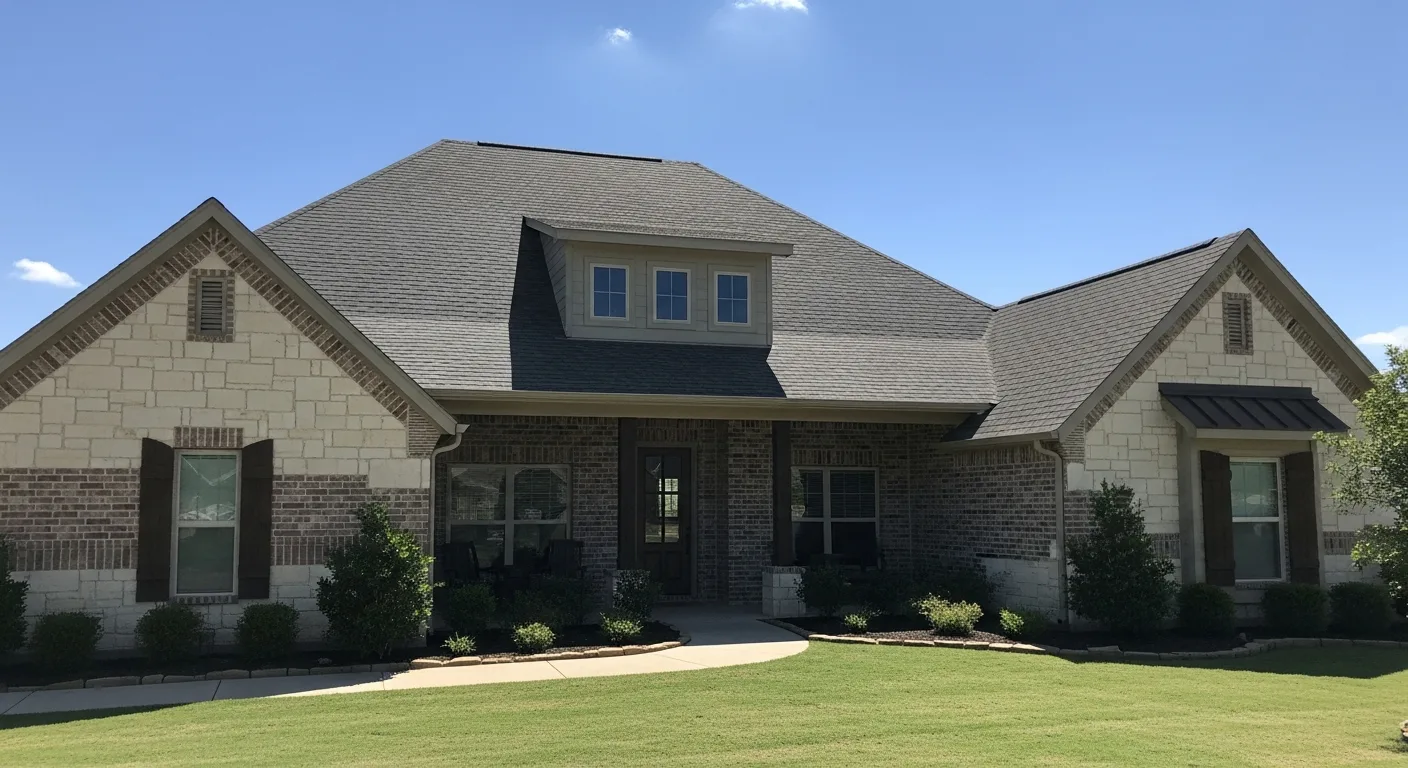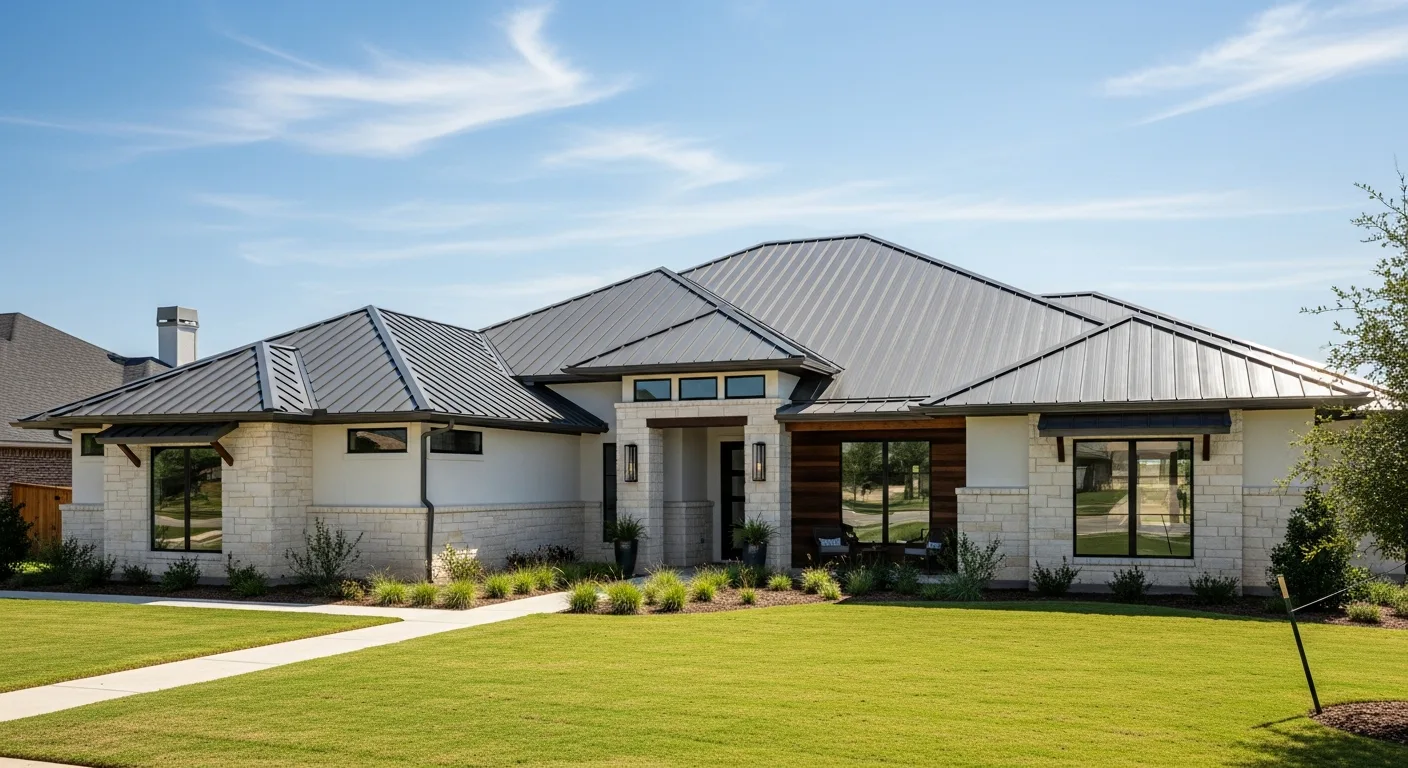
Living in high-wind areas presents unique challenges for homeowners, particularly when it comes to maintaining the integrity of your roof. Annual roof inspections are not just a recommended practice—they're an essential investment in protecting your home, family, and financial security. High winds can cause both visible and hidden damage that, if left undetected, can lead to catastrophic failures, costly repairs, and dangerous living conditions.
Understanding Wind Damage to Roofing Systems
Wind damage to roofing systems occurs through several mechanisms that homeowners should understand. Uplift forces create suction that can lift shingles, tear off gutters, and even remove entire roof sections. Horizontal wind pressure can push against structures, while turbulent airflow creates unpredictable stress patterns that weaken roofing materials over time.
According to the Insurance Institute for Business & Home Safety (IBHS), wind speeds as low as 45 mph can cause damage to aging or poorly maintained roofing systems. In high-wind prone areas, sustained winds often exceed this threshold multiple times per year, creating cumulative damage that compromises your roof's protective capabilities.
Common Types of Wind-Related Roof Damage
Wind damage manifests in various ways, many of which are not immediately visible from ground level. Missing or loosened shingles are the most obvious signs, but wind can also cause granule loss, exposing the underlying material to UV rays and moisture. Flashing around chimneys, vents, and skylights frequently suffers damage, creating potential entry points for water infiltration.
Structural damage represents the most serious concern. High winds can compromise the connection between roofing materials and the underlying deck, weaken truss systems, and create stress fractures that aren't apparent until significant deterioration has occurred. Professional roof inspection services can identify these issues before they become major problems.
The Critical Role of Annual Inspections
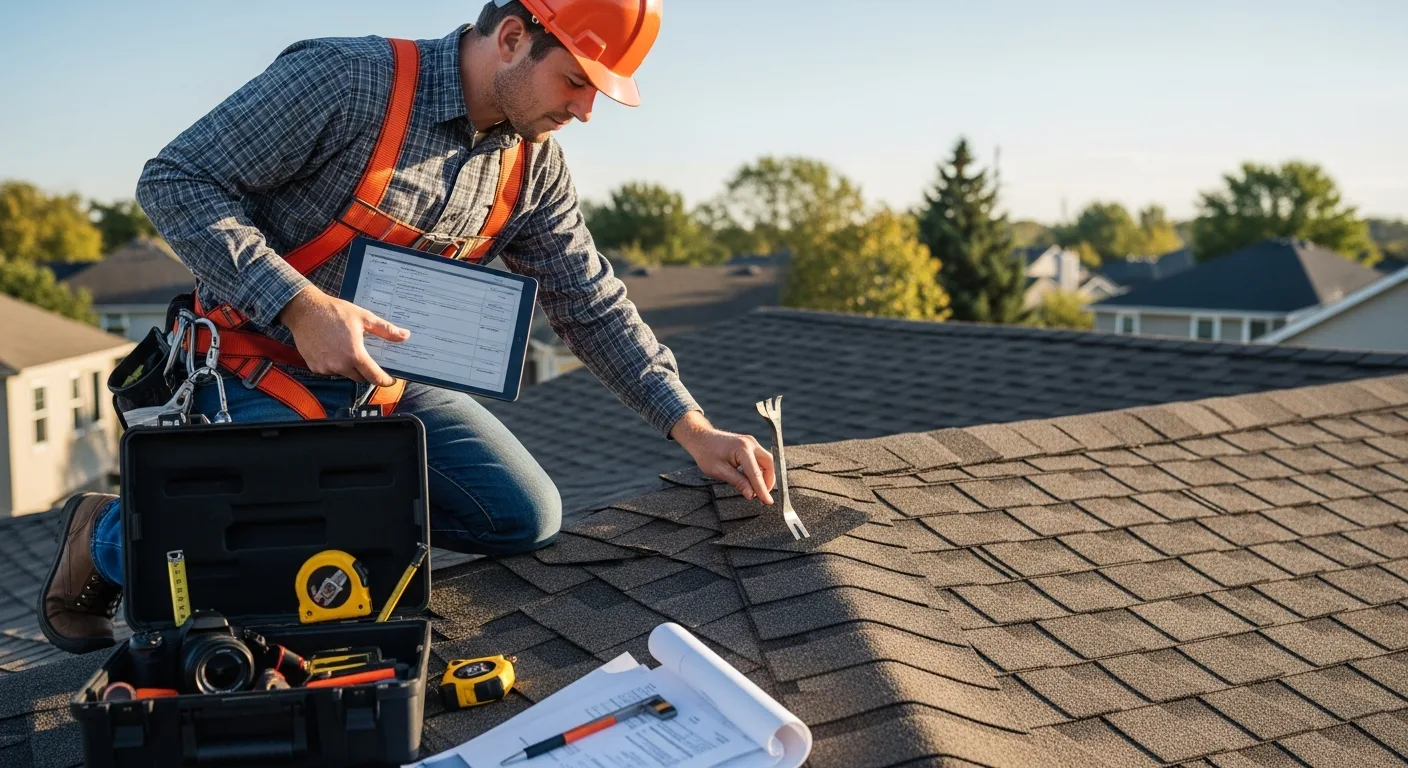
Annual roof inspections serve as your first line of defense against wind-related deterioration. These comprehensive evaluations go far beyond what homeowners can safely and effectively accomplish through visual inspection from the ground. Professional inspectors examine every component of your roofing system, identifying vulnerabilities before they lead to failures.
The National Roofing Contractors Association (NRCA) recommends that homeowners in high-wind areas schedule inspections at least annually, with additional inspections following severe weather events. This frequency ensures that minor issues are addressed promptly, preventing them from escalating into major structural problems.
What Professional Inspections Reveal
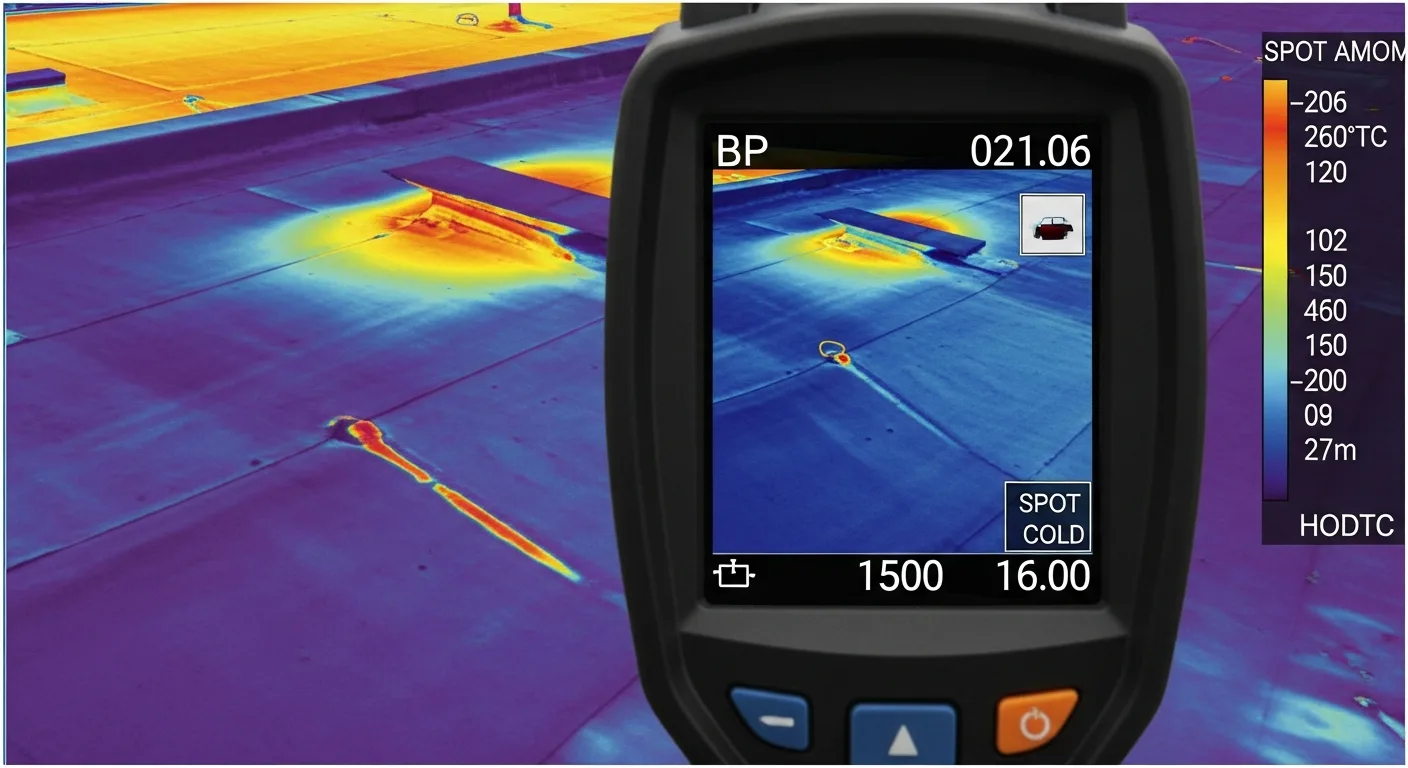
Professional roof inspections uncover damage that's invisible to untrained eyes. Inspectors examine shingle adhesion, checking for areas where high winds have broken the seal strip bonds that hold individual shingles in place. They assess the condition of underlayment, which serves as a critical backup barrier when primary roofing materials fail.
Fastener integrity receives particular attention during inspections. Wind uplift can gradually loosen nails and screws, creating vulnerabilities that worsen with each subsequent wind event. Professional inspectors also evaluate the condition of roof edges, where wind forces concentrate and damage typically begins.
Financial Benefits of Proactive Inspection Programs
The financial advantages of annual roof inspections far outweigh their costs, particularly for homeowners in high-wind areas. Early detection and repair of minor issues prevent them from developing into major problems that require extensive reconstruction or complete roof replacement.
Insurance considerations add another layer of financial benefit. Many insurance companies offer discounts for homes with documented annual inspection programs. More importantly, regular inspections create a maintenance history that can be crucial when filing wind damage claims. This documentation demonstrates responsible homeownership and can expedite claim processing.
Preventing Water Damage and Secondary Issues
Wind damage rarely occurs in isolation. Compromised roofing systems allow water infiltration, which can cause extensive damage to interior structures, personal belongings, and building systems. The Department of Energy estimates that water damage from roof failures costs homeowners billions of dollars annually in repair and replacement expenses.
Mold growth represents another serious consequence of water infiltration through wind-damaged roofing systems. Professional inspections identify vulnerable areas where moisture could penetrate, allowing for targeted repairs that prevent these costly secondary issues.
Enhanced Safety Through Professional Assessment
Safety considerations make professional roof inspections essential for homeowners in high-wind areas. Attempting to assess roof condition through amateur inspection puts homeowners at risk of falls and injuries. Professional inspectors have the training, equipment, and experience necessary to safely evaluate all aspects of your roofing system.
FEMA data shows that roof failures during high-wind events can create life-threatening situations for occupants. Professional inspections identify structural weaknesses before they become safety hazards, ensuring that your roof can continue to provide reliable protection for your family.
Identifying Code Compliance Issues
Building codes continuously evolve to reflect improved understanding of wind resistance and structural performance. Older roofing systems may not meet current standards, creating vulnerabilities that professional inspections can identify. Upgrading non-compliant components during routine maintenance is far more cost-effective than addressing them after wind damage occurs.
Professional inspectors stay current with local building codes and can recommend improvements that enhance your roof's wind resistance while ensuring compliance with current standards. This proactive approach protects your investment and can increase your home's value.
Optimizing Roof Performance and Longevity
Regular professional inspections optimize your roof's performance by ensuring all components work together effectively. Wind resistance depends on the integrated performance of shingles, underlayment, flashing, and fastening systems. Annual inspections verify that these components maintain their designed relationships and identify areas where improvements could enhance overall system performance.
Proper maintenance based on inspection findings significantly extends roof lifespan. Addressing minor issues promptly prevents them from causing premature failure of the entire roofing system. This approach maximizes your return on investment while ensuring continuous protection for your home.
Planning for Future Improvements
Annual inspections provide valuable information for planning future roofing improvements. Professional assessments help homeowners prioritize maintenance investments and plan for eventual roof replacement. This long-term perspective enables better financial planning and ensures that roofing decisions align with overall home improvement goals.
Professional maintenance programs based on annual inspection findings keep your roofing system operating at peak efficiency. Regular attention to identified issues prevents small problems from becoming major expenses while maintaining your home's protection against high-wind events.
Taking Action to Protect Your Investment
The importance of annual roof inspections for homeowners in high-wind areas cannot be overstated. These professional evaluations provide peace of mind, protect your financial investment, and ensure your family's safety. Don't wait for visible damage or the next major storm to address your roof's condition.
Professional roofing contractors have the expertise and tools necessary to thoroughly evaluate your roof's condition and recommend appropriate maintenance actions. Early detection and prompt repair of wind-related damage protect your home's value while ensuring continued protection against severe weather.
Contact CRS Roofing & Construction today to schedule now your annual roof inspection. Our experienced professionals will provide a comprehensive evaluation of your roofing system's condition and recommend any necessary improvements to ensure optimal wind resistance. Protecting your home starts with understanding its current condition—and that understanding begins with a thorough professional inspection.
The Texas Panhandle's unique climate presents particularly severe challenges for roofing systems, with the region experiencing some of the most extreme weather conditions in North America. According to the National Severe Storms Laboratory, the Texas Panhandle sits in the heart of "Hail Alley," where supercells regularly produce hail stones exceeding 2 inches in diameter and straight-line winds that can reach 80+ mph. These conditions, combined with temperature fluctuations that can exceed 100°F between summer and winter extremes, create a perfect storm for accelerated roofing material degradation.
When selecting roofing materials for high-wind areas, homeowners should prioritize products that meet or exceed IBHS FORTIFIED standards for wind resistance. Modern impact-resistant shingles, such as those manufactured by leading companies, are specifically engineered to withstand Class 4 hail impacts and wind speeds up to 130 mph when properly installed. These advanced materials feature polymer-modified asphalt technology and reinforced mat construction that provides superior adhesion and flexibility during extreme weather events.
Professional roof inspections should follow NRCA guidelines that emphasize comprehensive evaluation of wind-vulnerable areas including roof edges, corners, and ridge lines where uplift forces are most concentrated. Inspectors trained in wind damage assessment examine fastener patterns, sealant integrity, and flashing systems that are critical to maintaining the building envelope's integrity during high-wind events. The inspection process should also evaluate compliance with current building codes, as International Building Code standards have been significantly updated to address wind resistance requirements in high-risk areas.
Annual inspections become even more critical when considering the cumulative effects of thermal cycling common in the Texas Panhandle. Temperature differentials between scorching summers exceeding 100°F and winter lows below freezing cause roofing materials to expand and contract repeatedly, gradually loosening fasteners and creating micro-fractures in protective coatings. This thermal stress, combined with UV exposure at high altitude and low humidity, can reduce the effective lifespan of roofing materials by 20-30% compared to more moderate climates, making proactive maintenance through regular inspections essential for long-term performance and warranty compliance.