Wind uplift forces pose one of the greatest threats to commercial roofing systems across Texas, where severe weather events can generate sustained winds exceeding 100 mph and gusts that reach destructive levels. Understanding how wind uplift ratings directly correlate with commercial roof performance is crucial for building owners, facility managers, and construction professionals seeking to protect their investments and ensure occupant safety during extreme weather conditions.
Understanding Wind Uplift Forces and Their Impact on Commercial Roofs
Wind uplift occurs when air flows over and around a building structure, creating negative pressure zones that literally attempt to pull roofing materials away from the building. This phenomenon follows Bernoulli's principle, where faster-moving air over the roof surface creates lower pressure compared to the relatively static air pressure beneath the roof assembly. The resulting pressure differential generates powerful uplift forces that can compromise even well-constructed roofing systems.
Commercial buildings are particularly vulnerable to wind uplift due to their larger roof areas and typically lower profiles compared to residential structures. The National Roofing Contractors Association (NRCA) emphasizes that proper wind uplift resistance begins with understanding local wind load requirements and selecting appropriate roofing systems that meet or exceed these standards.
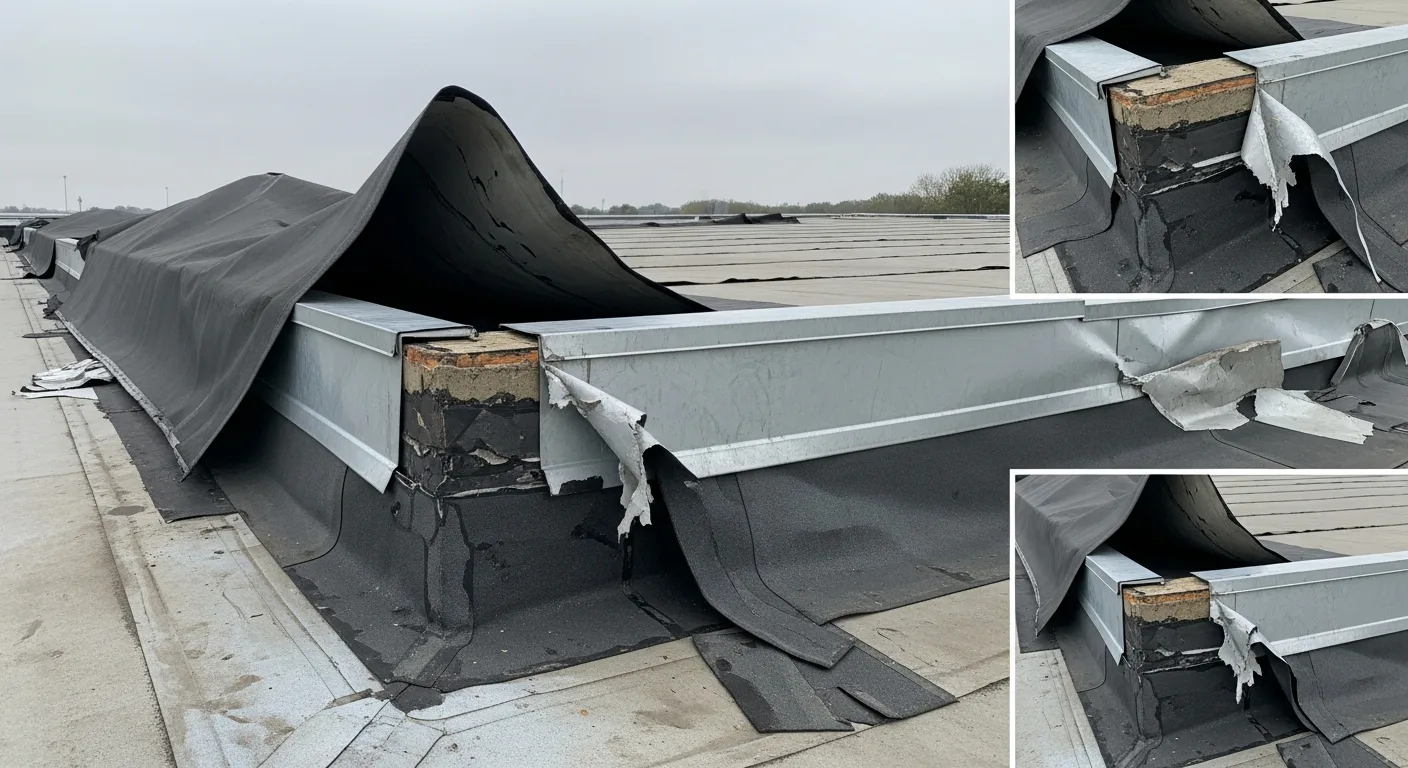
In Texas, where severe thunderstorms, tornadoes, and hurricane-force winds are common occurrences, the consequences of inadequate wind uplift resistance can be catastrophic. Roof failures during wind events not only result in costly repairs and replacements but also expose building interiors to water damage, compromise structural integrity, and potentially endanger occupant lives.
Wind Uplift Rating Systems and Testing Standards
The roofing industry relies on standardized testing methods to evaluate and rate wind uplift resistance. The primary testing standards include ASTM E1592, FM 4474, and UL 580, each providing specific protocols for measuring how roofing assemblies perform under simulated wind conditions. These tests subject roof samples to gradually increasing negative pressure until failure occurs, establishing the maximum wind speed the assembly can withstand.
FM Approvals and UL certifications provide wind uplift ratings expressed in pounds per square foot (psf), which directly correlate to wind speeds. For example, a rating of 45 psf typically corresponds to winds of approximately 90 mph, while ratings of 90 psf or higher indicate resistance to winds exceeding 135 mph. The Department of Energy recognizes these standards as essential components of building energy efficiency and resilience programs.
Understanding these ratings enables building owners to make informed decisions about roofing system selection based on their specific geographic location and risk tolerance. Buildings in high-wind zones require higher uplift ratings to ensure adequate protection, while structures in more moderate climates may safely utilize systems with lower ratings while still maintaining appropriate safety margins.
Critical Rating Thresholds for Texas Commercial Buildings
Texas building codes and insurance requirements often mandate specific minimum wind uplift ratings based on geographic location and building use. Coastal areas subject to hurricane conditions typically require ratings of 90 psf or higher, while inland regions may accept ratings of 60-75 psf depending on local wind load calculations and building height factors.
However, many roofing professionals recommend exceeding minimum code requirements, particularly for critical facilities such as hospitals, emergency services buildings, and manufacturing facilities where operational continuity is essential. Our comprehensive commercial roofing services include detailed wind load analysis to ensure optimal system selection for each project's unique requirements.
Factors Affecting Wind Uplift Performance in Commercial Roofing
Multiple variables influence how effectively a commercial roofing system resists wind uplift forces. Building height plays a crucial role, as taller structures experience higher wind speeds and more severe pressure differentials. The Federal Emergency Management Agency (FEMA) provides detailed guidelines for calculating wind loads based on building geometry and local terrain factors.
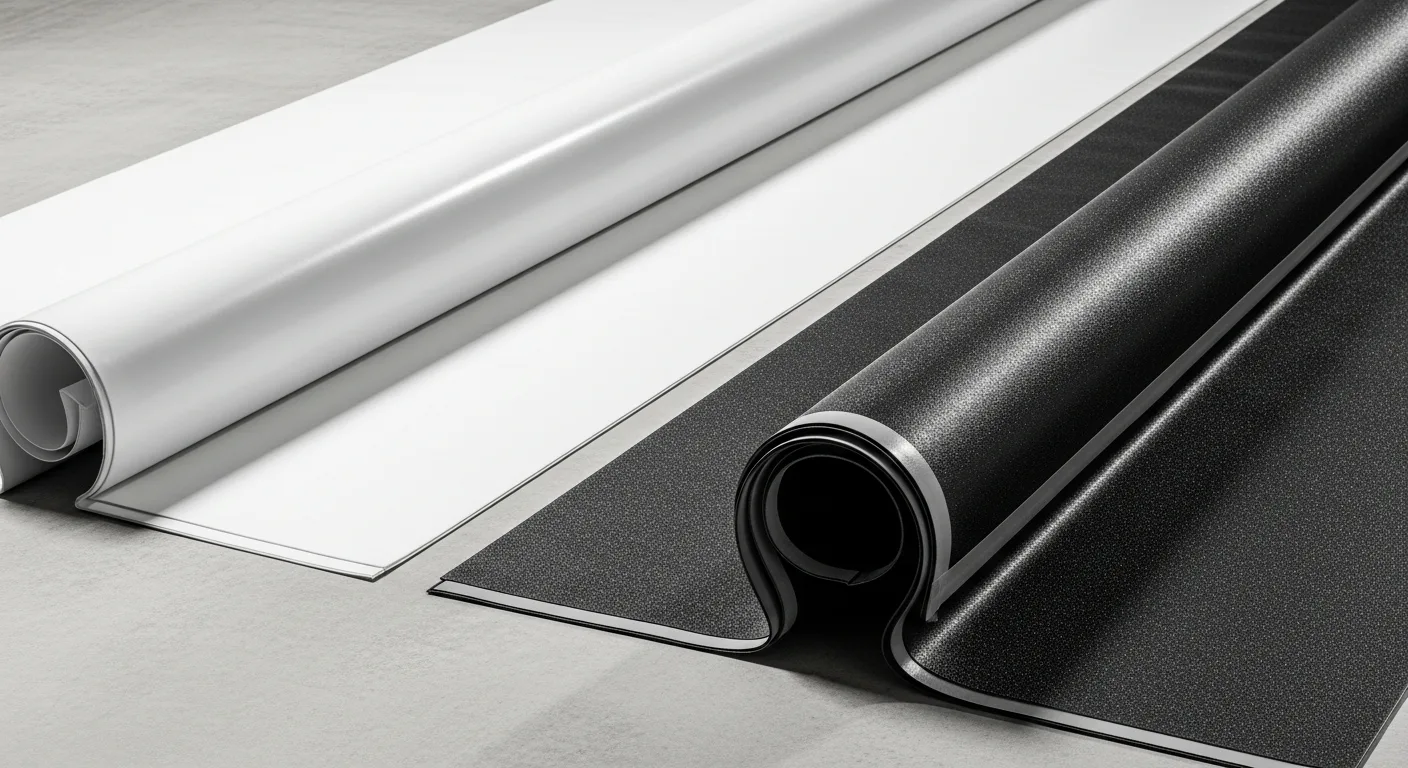
Roof membrane type significantly impacts uplift resistance. Single-ply membranes such as TPO, EPDM, and PVC rely primarily on mechanical fastening and adhesive bonding for wind resistance. Built-up roofing (BUR) and modified bitumen systems distribute uplift forces across multiple layers and may incorporate specialized base sheets designed for enhanced wind resistance.
Insulation type and attachment methods also affect overall system performance. Mechanically attached insulation boards provide superior wind uplift resistance compared to loose-fill or adhered insulation, particularly when properly integrated with the membrane attachment system. The perimeter and corner zones of commercial roofs experience significantly higher wind pressures and require enhanced attachment patterns to maintain system integrity.
Installation Quality and Wind Performance
Even the highest-rated roofing systems can fail if not installed according to manufacturer specifications and industry best practices. Proper fastener spacing, adhesive coverage rates, and seam details are critical factors that directly impact wind uplift performance. The Insurance Institute for Business & Home Safety (IBHS) has conducted extensive research demonstrating how installation deficiencies can reduce actual wind resistance by 50% or more compared to tested values.
Quality control measures during installation include regular pull tests to verify fastener holding power, adhesive coverage verification, and detailed inspection of critical details such as penetrations, transitions, and terminations. These measures ensure that installed systems achieve their designed wind uplift ratings and provide reliable long-term performance.
Regional Considerations for Texas Commercial Buildings
Texas presents unique challenges for commercial roofing due to its diverse climate zones and severe weather patterns. The state experiences everything from Gulf Coast hurricanes to High Plains tornadoes, requiring roofing systems capable of withstanding various extreme conditions. Understanding regional wind patterns, seasonal weather trends, and historical storm data is essential for proper system selection and design.
Amarillo and the Texas Panhandle region experience particularly challenging wind conditions, with frequent severe thunderstorms producing straight-line winds exceeding 80 mph and occasional tornado activity. Our specialized expertise in Texas roofing applications ensures that local building owners receive systems optimized for regional conditions and requirements.
Hail often accompanies severe wind events across Texas, creating compound threats that can compromise roofing systems through impact damage followed by wind uplift failures. When buildings experience storm damage, immediate professional assessment and repair are crucial to maintain wind uplift resistance and prevent progressive failures during subsequent weather events.
Climate Change and Evolving Wind Patterns
Recent climate research indicates that severe weather events are becoming more frequent and intense across Texas, with implications for commercial building design and roofing system selection. Building owners increasingly recognize the value of exceeding current minimum standards to account for potential future increases in wind intensity and frequency.
Progressive building codes and insurance programs are beginning to incentivize higher-performance roofing systems through reduced premiums and expedited permitting processes. Forward-thinking property owners are investing in enhanced wind uplift ratings as part of comprehensive risk management strategies.
Selecting Appropriate Wind Uplift Ratings for Commercial Applications
Proper wind uplift rating selection requires careful consideration of multiple factors including building location, occupancy type, structural importance, and economic considerations. Critical facilities such as hospitals, emergency services buildings, and essential manufacturing operations typically warrant higher uplift ratings to ensure operational continuity during and after severe weather events.
Leading manufacturers such as GAF, Owens Corning, and Firestone Building Products offer comprehensive wind uplift testing data and design resources to assist in system selection. These resources include detailed installation specifications, fastening patterns, and quality assurance protocols essential for achieving rated performance levels.
Economic analysis should consider not only initial system costs but also long-term performance, maintenance requirements, and potential storm damage costs. Higher-rated systems often provide superior long-term value through reduced maintenance needs, lower insurance premiums, and decreased risk of catastrophic failure during severe weather events.
Future Trends in Wind Uplift Technology and Standards
The commercial roofing industry continues advancing wind uplift technology through improved materials, enhanced testing methods, and innovative installation techniques. Advanced membrane formulations provide better adhesion characteristics, while new fastener designs distribute loads more effectively across roofing assemblies.
Building codes and industry standards are evolving to address changing weather patterns and improved understanding of wind behavior around commercial structures. Future developments may include performance-based design approaches that consider site-specific wind conditions rather than relying solely on generalized regional requirements.
Smart building technologies and integrated monitoring systems are beginning to provide real-time data on roof system performance during wind events, enabling proactive maintenance and early warning systems for potential failures. These advances promise to further enhance the reliability and performance of commercial roofing systems in high-wind environments.
Understanding and properly implementing appropriate wind uplift ratings is fundamental to commercial roof performance and building protection across Texas. Professional consultation and expert installation ensure that these critical systems provide the reliable performance necessary to protect valuable commercial properties and their occupants during severe weather events.
The Texas Panhandle's extreme weather patterns demand specific attention to wind uplift ratings, particularly given the region's exposure to severe thunderstorms, derechos, and tornado activity. National Severe Storms Laboratory data indicates that the Texas Panhandle experiences some of the nation's most intense straight-line winds, with downburst events regularly exceeding design wind speeds. This makes proper wind uplift rating selection critical for commercial roofing systems in Amarillo and surrounding areas.
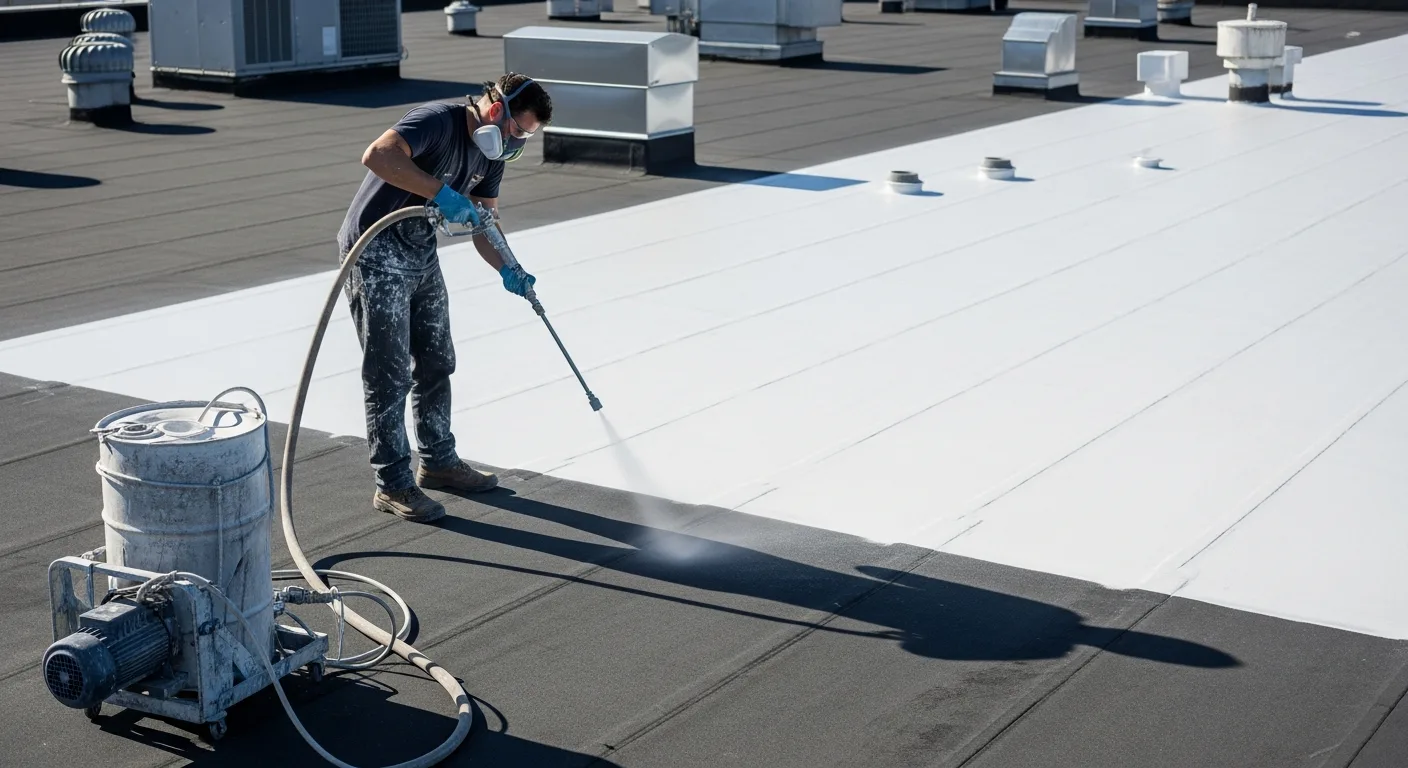
Commercial membrane systems must meet stringent uplift resistance standards established by SPRI (Single Ply Roofing Industry), which provides comprehensive testing protocols for single-ply roofing systems. Modern TPO and EPDM systems from manufacturers like Carlisle SynTec are engineered to withstand uplift forces ranging from 90 to 450 pounds per square foot, depending on the specific system configuration and attachment method. These ratings directly correlate with the number and spacing of mechanical fasteners, adhesive coverage patterns, and perimeter detailing specifications.
The International Code Council's building codes require commercial roofing systems to meet minimum wind uplift resistance based on local wind speed maps and building height classifications. In the Texas Panhandle, where design wind speeds can reach 115 mph or higher, roof systems must demonstrate adequate performance through standardized testing protocols such as ASTM E1592 and FM 4474. These tests simulate real-world uplift conditions by applying controlled negative pressure to roofing assemblies until failure occurs.
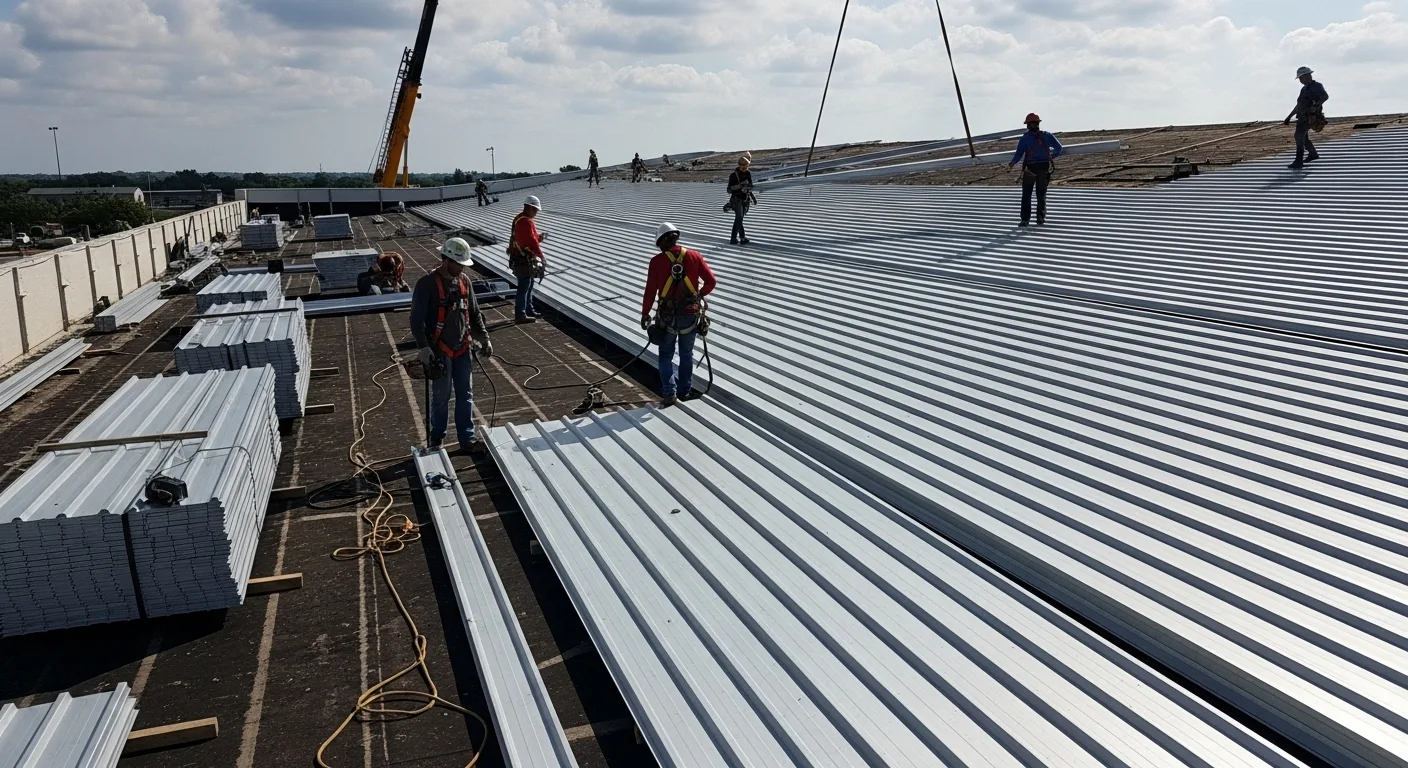
Metal roofing systems present unique wind uplift considerations, particularly standing seam configurations that rely on mechanical seaming and clip attachment systems. MBCI and other leading manufacturers design their commercial metal panels with specific uplift ratings that must be matched to local wind load requirements. The clip spacing, panel thickness, and seam height all contribute to the system's overall wind resistance, with properly designed systems capable of withstanding uplift forces well beyond code minimums.
Regular inspection and maintenance protocols become especially critical in high-wind environments like the Texas Panhandle. Insurance Institute for Business & Home Safety research demonstrates that even minor compromises in attachment integrity can lead to progressive failure during wind events. Commercial property owners should implement annual inspections focusing on fastener integrity, membrane seam strength, and perimeter flashing attachment to ensure continued wind uplift performance throughout the roofing system's service life.