When selecting roofing materials for commercial buildings in dry, windy regions like the Texas Panhandle, property owners face a critical decision between two leading single-ply membrane options: TPO (Thermoplastic Olefin) and EPDM (Ethylene Propylene Diene Monomer). Both materials offer distinct advantages, but understanding how they perform in challenging climate conditions is essential for making an informed investment that will protect your building for decades to come.
Understanding TPO and EPDM Roofing Systems
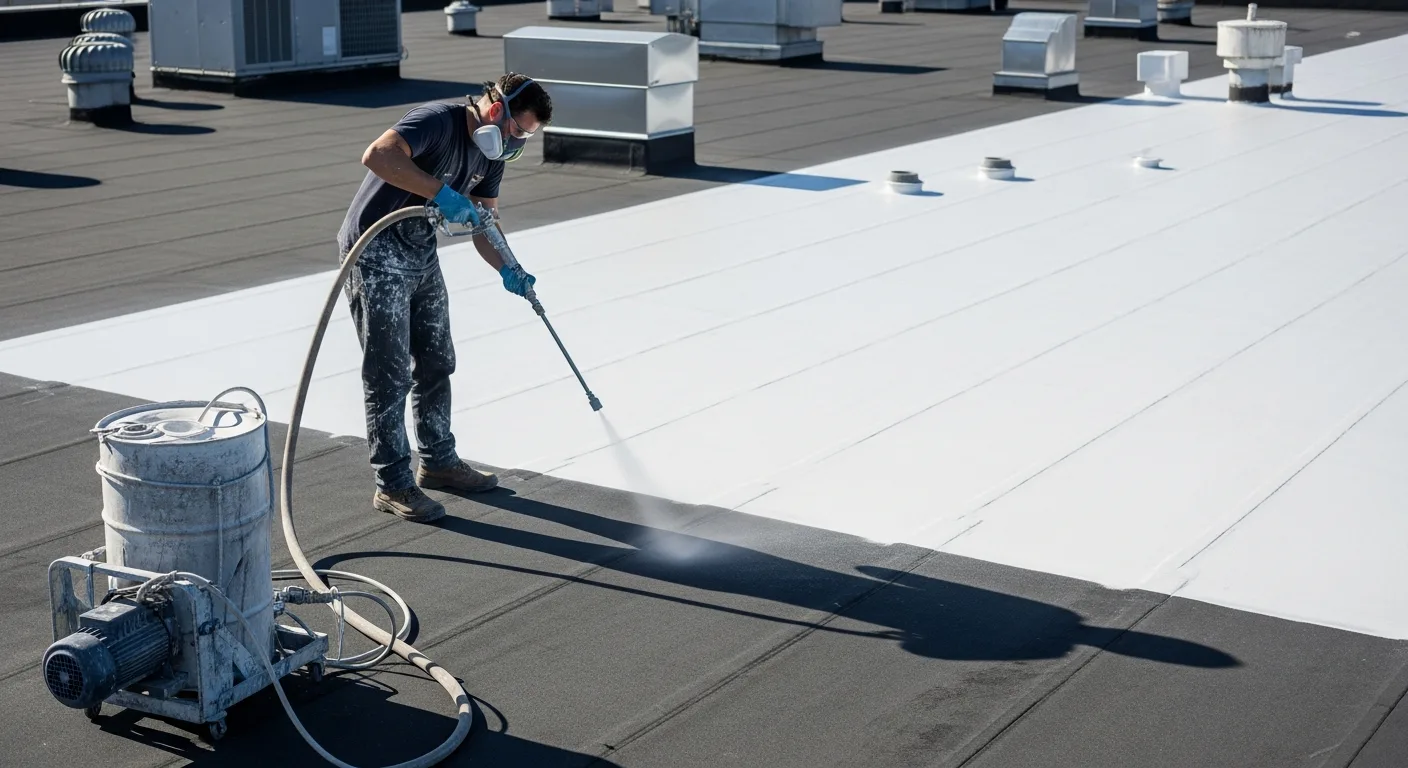
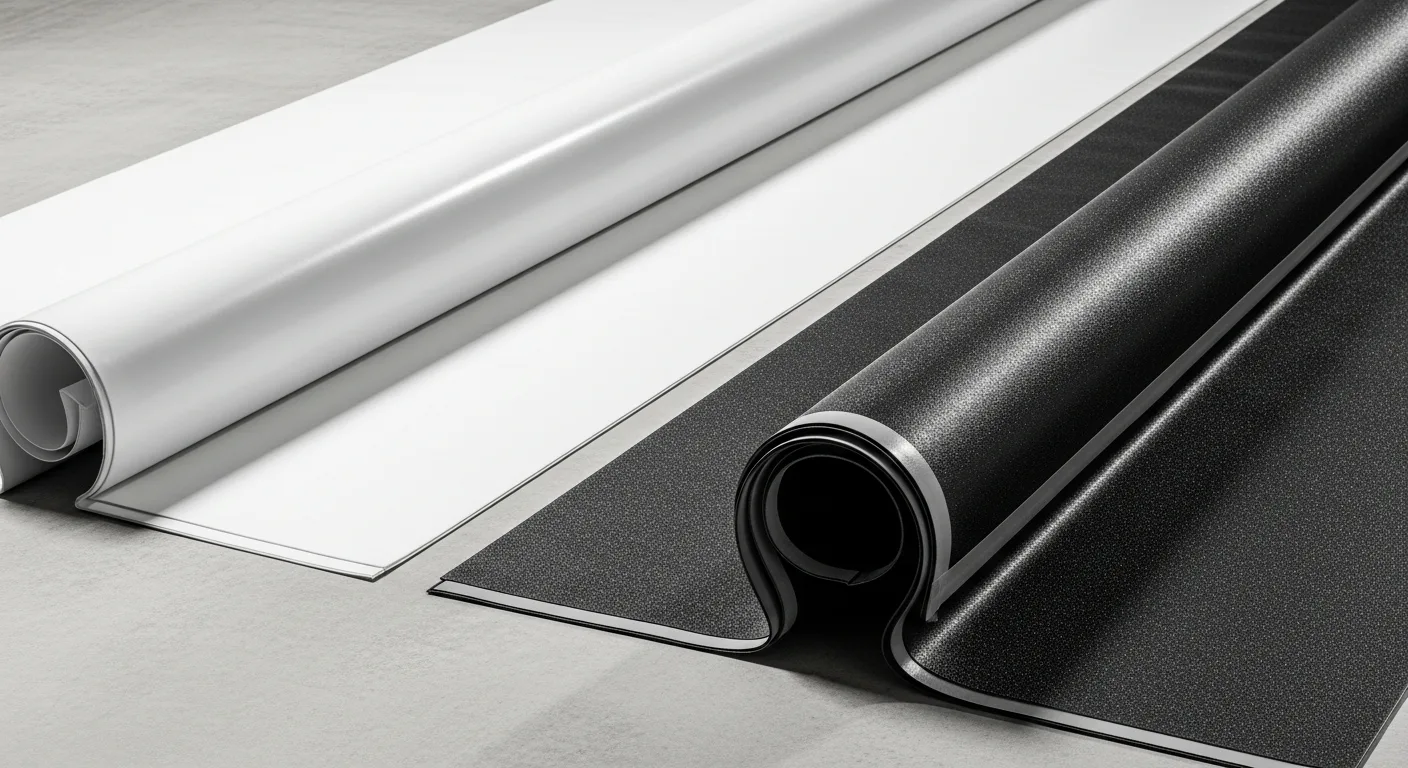
TPO and EPDM represent two of the most popular single-ply roofing membranes in commercial construction today. TPO roofing consists of a thermoplastic membrane that can be heat-welded at seams, creating a monolithic barrier that's particularly effective against water infiltration. The material typically features a white or light-colored surface that reflects solar radiation, making it an energy-efficient choice for buildings in hot climates.
EPDM, on the other hand, is a synthetic rubber membrane known for its exceptional durability and weather resistance. EPDM roofing systems have been protecting commercial buildings for over 50 years, with many original installations still performing well today. The material is typically black, though white and tan versions are available, and it's installed using adhesives or mechanical fasteners with seams sealed using liquid adhesives or tape.
Material Composition and Manufacturing
The fundamental difference between these materials lies in their chemical composition. TPO is a thermoplastic material made from polypropylene and ethylene-propylene rubber, combined with various fillers and colorants. This composition allows TPO to be heat-welded, creating strong, permanent seams that are less likely to fail over time.
EPDM is formulated from ethylene, propylene, and a small amount of diene monomer, resulting in a flexible rubber membrane. According to the National Roofing Contractors Association, EPDM's molecular structure provides excellent resistance to ozone, ultraviolet radiation, and extreme weather conditions.
Performance in Dry, Windy Climate Conditions
Dry, windy regions present unique challenges for commercial roofing systems. These environments typically feature high temperature fluctuations, intense UV exposure, low humidity, and frequent high-wind events that can stress roofing materials and attachment systems.
Wind Resistance and Uplift Performance
Wind resistance is paramount in regions prone to high winds and severe weather events. TPO membranes excel in this area due to their heat-welded seams, which create continuous bonds that are often stronger than the membrane itself. The Federal Emergency Management Agency recognizes properly installed TPO systems for their superior wind uplift resistance, making them suitable for buildings in hurricane-prone areas.
EPDM systems also provide excellent wind resistance when properly installed with appropriate attachment methods. The material's flexibility allows it to move with the building during wind events without tearing, though the adhesive-sealed seams may be more vulnerable to wind-driven moisture infiltration compared to heat-welded TPO seams.
UV and Heat Resistance
Both materials demonstrate excellent UV resistance, but they handle heat differently. TPO's reflective surface helps buildings maintain cooler interior temperatures, potentially reducing cooling costs by 10-15% according to Department of Energy studies. This reflectivity is particularly beneficial in dry, sunny climates where air conditioning represents a significant portion of energy consumption.
EPDM's dark surface absorbs more heat, which can be advantageous in northern climates for snow melting but may increase cooling costs in hot regions. However, white EPDM formulations are available that provide similar reflective benefits to TPO while maintaining EPDM's proven durability characteristics.
Installation Considerations and Seam Performance
The installation process significantly impacts long-term performance in challenging climates. TPO installation requires specialized hot-air welding equipment and trained technicians to create proper seam welds. When executed correctly, these heat-welded seams provide superior long-term performance and are less susceptible to failure from thermal cycling and wind stress.
EPDM installation relies on adhesive bonding or mechanical attachment, with seams sealed using liquid adhesives or pre-manufactured tape systems. While these methods are effective, they may be more sensitive to environmental conditions during installation and can be more challenging to execute properly in windy conditions.
Thermal Movement and Expansion
Dry regions often experience significant daily temperature swings, causing roofing materials to expand and contract repeatedly. TPO's thermoplastic nature allows it to handle thermal movement well, while its heat-welded seams move as a single unit with the membrane. EPDM's rubber composition provides excellent flexibility and thermal stability, with minimal dimensional change across temperature ranges.
Long-Term Durability and Maintenance Requirements
Both TPO and EPDM offer excellent longevity when properly installed and maintained, but they age differently in dry, windy environments. EPDM systems have a proven track record with installations dating back over 50 years, demonstrating remarkable durability in various climate conditions. The material's resistance to ozone and UV degradation makes it particularly suitable for high-altitude and high-UV environments.
TPO technology has evolved significantly since its introduction in the 1990s, with modern formulations offering improved durability and performance. According to research by the Insurance Institute for Business & Home Safety, properly installed TPO systems can provide 20-30 years of reliable service with appropriate maintenance.
Maintenance and Repair Considerations
EPDM systems typically require periodic inspection and maintenance of seams, especially in areas subject to thermal cycling and wind stress. Repairs can usually be accomplished using liquid adhesives or patch materials, making field maintenance relatively straightforward.
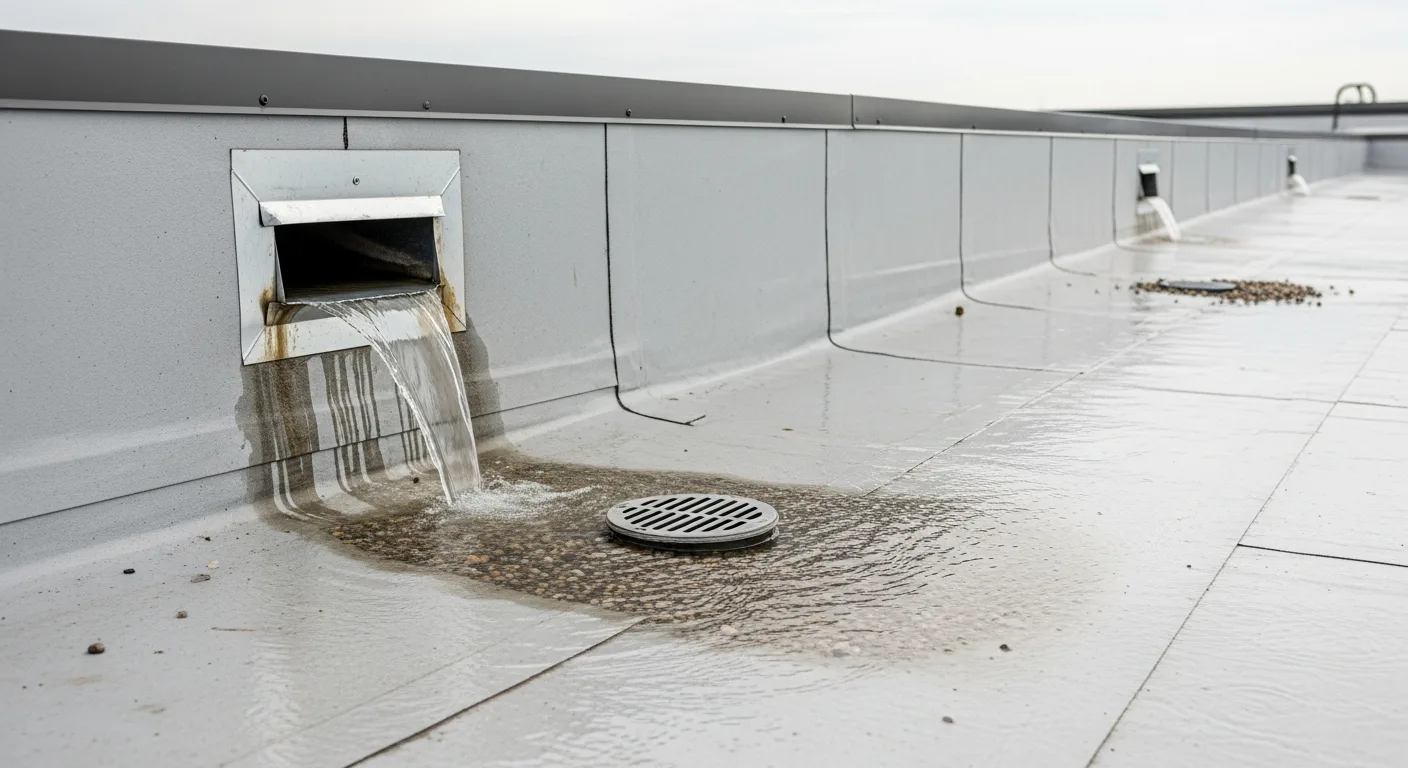
TPO maintenance focuses on membrane inspection and ensuring proper drainage, as the heat-welded seams rarely require attention once properly installed. However, TPO repairs may require specialized equipment and trained technicians to maintain the system's integrity.
Cost Analysis and Return on Investment
Initial installation costs for both systems are comparable, though specific pricing varies based on project size, building configuration, and local market conditions. Commercial roofing decisions should consider total cost of ownership rather than just initial investment.
TPO systems may offer lower long-term costs in dry, hot climates due to their energy efficiency benefits and reduced cooling loads. The reflective properties can result in significant savings over the roof's lifespan, particularly in buildings with high cooling requirements.
EPDM systems provide excellent value through their proven longevity and minimal maintenance requirements. The material's resistance to weathering and thermal cycling can result in lower maintenance costs over time, making it an economical choice for many commercial applications.
Making the Right Choice for Your Building
The decision between TPO and EPDM for commercial buildings in dry, windy regions depends on several factors including energy efficiency priorities, installation requirements, and long-term maintenance preferences. TPO offers superior energy efficiency and excellent wind resistance through heat-welded seams, making it ideal for buildings prioritizing cooling cost reduction and minimal seam maintenance.
EPDM provides proven long-term durability and flexibility, with a track record of performance in diverse climate conditions. Its resistance to thermal cycling and ease of repair make it an excellent choice for buildings where longevity and maintenance simplicity are primary concerns.
Both materials can provide decades of reliable service when properly installed by qualified contractors using appropriate attachment methods and quality materials from reputable manufacturers. The key to success lies in working with experienced roofing professionals who understand the unique challenges of your local climate and can recommend the most appropriate system for your specific building requirements.
Climate Performance in the Texas Panhandle
The Texas Panhandle presents unique challenges that directly impact commercial roofing performance. With severe hailstorms documented by the National Severe Storms Laboratory occurring frequently throughout spring and summer months, along with sustained winds often exceeding 30 mph, commercial buildings require roofing systems engineered for extreme weather resilience. Both TPO and EPDM membranes must meet stringent wind uplift requirements, but their performance characteristics differ significantly under these demanding conditions.
TPO membranes typically demonstrate superior performance in high-wind scenarios due to their heat-welded seam technology. Leading manufacturers like Carlisle SynTec produce TPO systems that achieve Factory Mutual (FM) 1-90 wind uplift ratings when properly installed with appropriate fastening patterns. The thermoplastic welding process creates seams that are often stronger than the base membrane itself, providing exceptional resistance to wind-driven moisture infiltration—a critical consideration during the region's intense thunderstorms.
EPDM systems, while proven over decades of service, rely on adhesive-bonded or tape-sealed seams that can be more vulnerable to wind uplift forces. However, modern EPDM formulations from manufacturers like Firestone incorporate enhanced polymer chemistry that maintains flexibility even during temperature extremes, from summer highs exceeding 100°F to winter lows below freezing.
Energy Efficiency and Building Code Compliance
Energy performance becomes paramount in the Texas Panhandle's intense solar environment. Cool Roof Rating Council standards measure initial solar reflectance and thermal emittance values that directly impact cooling costs. White TPO membranes typically achieve initial solar reflectance values of 0.83-0.87 and thermal emittance of 0.90-0.95, significantly outperforming traditional black EPDM in energy efficiency. This performance advantage can translate to substantial utility savings over the roof's service life.
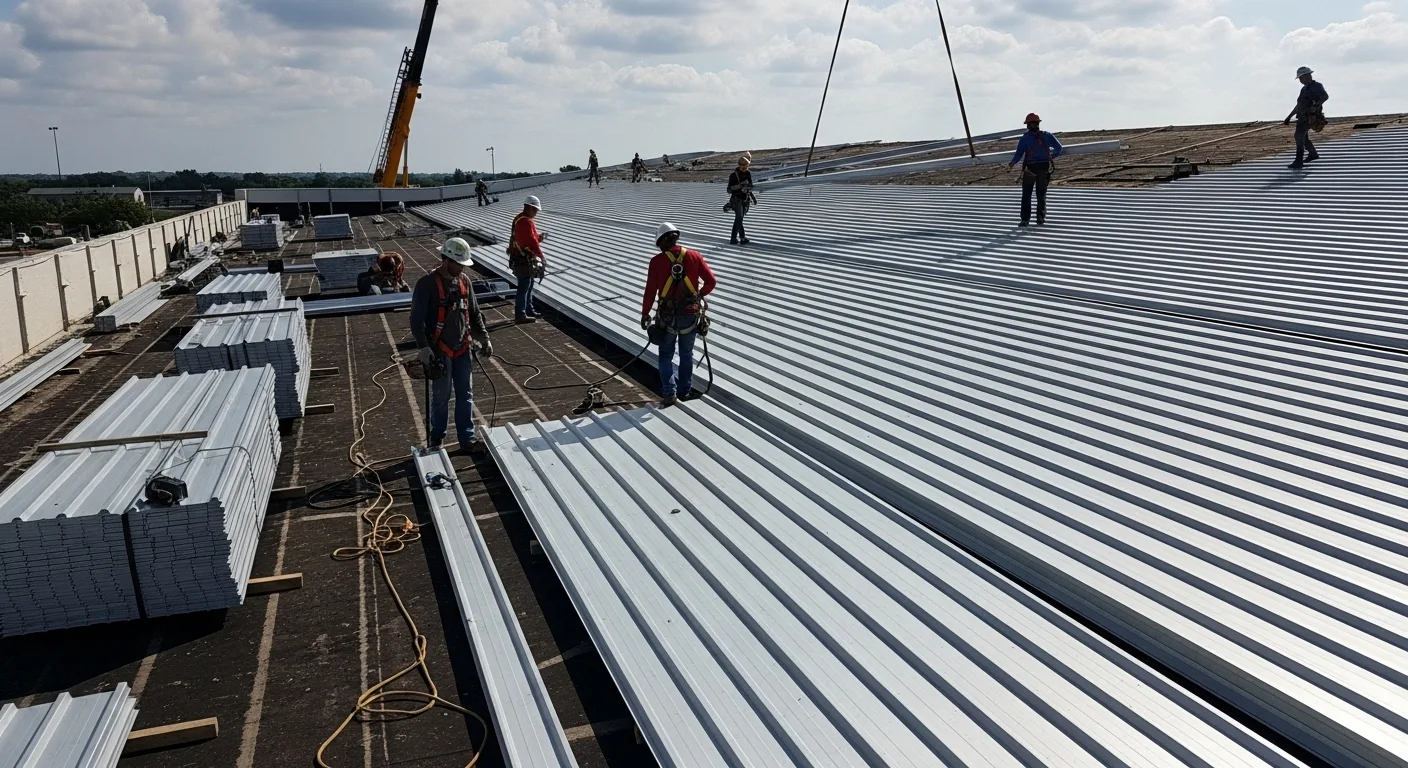
Installation safety and code compliance require adherence to National Roofing Contractors Association guidelines and local building codes. Both membrane types must be installed with proper fall protection systems and follow Single Ply Roofing Industry standards for attachment methods, particularly important given the region's high wind exposure classifications. The choice between mechanically attached, fully adhered, or ballasted systems depends on building height, exposure category, and local code requirements specific to the Texas Panhandle's wind zone classifications.