Understanding the science behind flat roof drainage systems is crucial for preventing costly water damage and extending your roof's lifespan. At CRS Roofing & Construction, we've seen firsthand how proper drainage engineering can make the difference between a roof that lasts decades and one that fails prematurely. The physics of water movement, combined with advanced drainage technologies, forms the foundation of effective flat roofing systems that protect your Amarillo commercial property.
The Physics of Water Movement on Flat Roofs
Despite their name, flat roofs aren't completely flat – they require a minimum slope to facilitate proper drainage. The science behind water movement follows basic principles of gravity and fluid dynamics. Water naturally seeks the lowest point, and without adequate slope, it will accumulate in low-lying areas, creating what's known as ponding water.
The National Roofing Contractors Association defines ponding water as water that remains on a roof surface 48 hours after precipitation ends under normal drying conditions. This seemingly harmless accumulation can lead to significant structural problems, membrane deterioration, and energy efficiency losses.
Effective drainage relies on creating positive drainage slopes, typically ranging from 1/8 inch to 1/4 inch per foot. This seemingly small incline is sufficient to overcome surface tension and guide water toward drainage outlets. The science shows that even minimal slopes can prevent the capillary action that allows water to spread across seemingly level surfaces.
Surface Tension and Water Behavior
Water's surface tension properties play a crucial role in flat roof drainage. On smooth surfaces, water tends to bead and flow more readily, while textured surfaces can trap water through increased surface area contact. Understanding these molecular forces helps engineers design membrane systems and drainage patterns that work with, rather than against, natural water behavior.
Primary Drainage Systems: The First Line of Defense
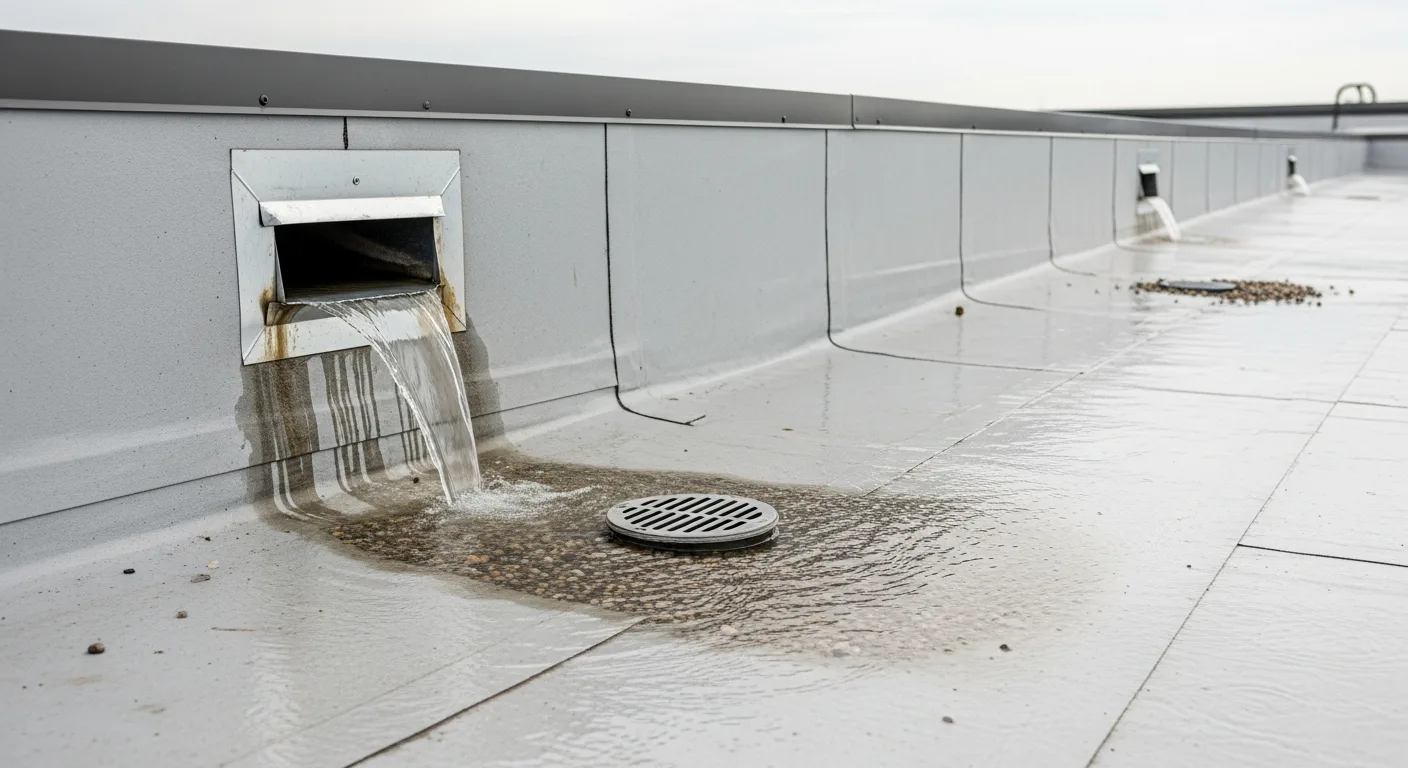
Primary drainage systems form the backbone of flat roof water management. These systems must handle the immediate removal of rainwater during storm events, preventing accumulation that could exceed the roof's load-bearing capacity or create safety hazards.
The Department of Energy emphasizes that proper drainage design directly impacts building energy performance, as standing water can compromise insulation effectiveness and increase cooling loads during summer months.
Internal Drains and Sizing Calculations
Internal drains represent the most common primary drainage solution for large flat roofing applications. The science behind drain sizing involves complex hydraulic calculations that consider rainfall intensity, roof area, and local climate data. Engineers use the rational method formula (Q = CIA) where Q equals drainage flow rate, C represents the runoff coefficient, I indicates rainfall intensity, and A represents the drainage area.
Proper drain placement requires understanding water flow patterns and ensuring adequate capacity for 100-year storm events. This involves analyzing local meteorological data and applying safety factors that account for debris accumulation and partial blockages that commonly occur over a roof's lifetime.
Scuppers and Overflow Protection
Scuppers function as gravity-fed drainage outlets, typically installed at the roof's perimeter. The science behind scupper design involves calculating weir flow equations that determine discharge capacity based on opening dimensions and water depth. These calculations ensure adequate drainage even when primary systems experience reduced capacity.
Secondary Drainage Systems: Emergency Water Management
Secondary drainage systems provide critical backup protection when primary systems become overwhelmed or blocked. The engineering principle behind secondary drainage follows the concept of redundancy – ensuring that water has multiple pathways to exit the roof surface safely.
Research conducted by the Insurance Institute for Business & Home Safety demonstrates that buildings with properly designed secondary drainage systems experience significantly fewer water damage claims compared to those relying solely on primary drainage.
Overflow Drain Positioning and Hydraulics
Secondary drains must be positioned at elevations slightly higher than primary drains, creating a stepped drainage hierarchy. This elevation difference, typically 2-4 inches, ensures that secondary systems activate only when primary drainage reaches capacity. The hydraulic calculations for secondary systems must account for the additional head pressure created by this elevation difference.
When primary drains become blocked or overwhelmed, water levels rise until reaching secondary drain inlets. At this point, the increased hydrostatic pressure provides the driving force for water evacuation through the secondary system. This engineering approach prevents catastrophic roof loading while maintaining structural integrity during extreme weather events.
Ponding Water Prevention Strategies
Preventing ponding water requires a comprehensive understanding of roof topography, membrane properties, and drainage system integration. The science shows that even minor deviations from designed slopes can create depression areas where water accumulates.
Modern roof repair techniques address ponding issues through various methods, including structural reinforcement, drainage improvements, and membrane modifications. Each approach requires careful analysis of the underlying causes and appropriate engineering solutions.
Tapered Insulation Systems
Tapered insulation represents one of the most effective scientific approaches to ponding prevention. These systems use precisely calculated insulation thicknesses to create positive drainage slopes across the entire roof surface. Computer modeling helps determine optimal taper configurations that direct water flow toward drainage outlets while maintaining adequate insulation values.
The thermal performance benefits of tapered systems extend beyond drainage improvements. By eliminating low spots where water can accumulate, these systems prevent the thermal bridging effects that occur when wet insulation loses its R-value. Studies show that properly designed tapered systems can improve overall roof energy performance by 15-20% compared to conventional flat installations.
Membrane Selection and Water Resistance
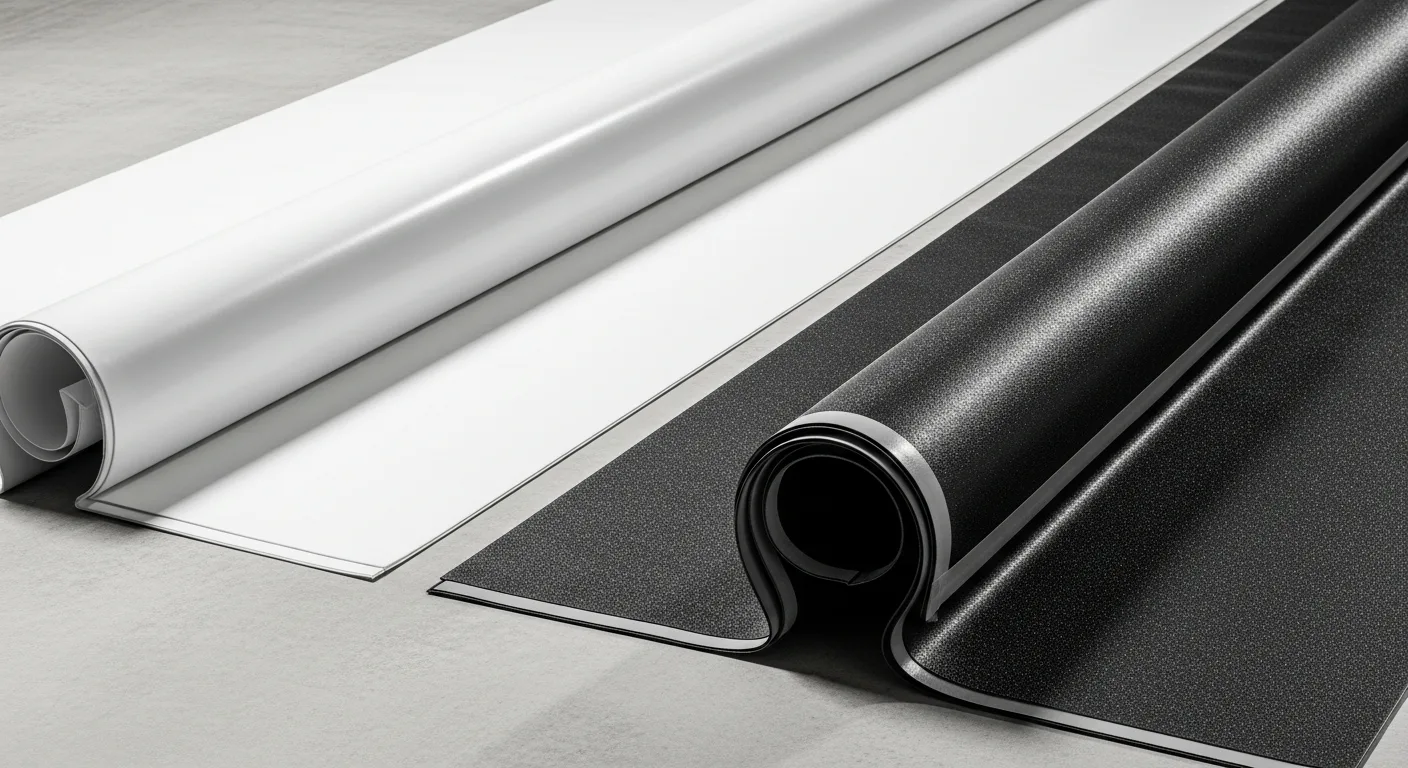
Different roofing membrane materials exhibit varying responses to prolonged water exposure. EPDM, TPO, and modified bitumen systems each have specific properties that affect their performance in ponding water conditions. GAF research indicates that membrane selection should consider local climate conditions, expected ponding duration, and compatibility with drainage system components.
Advanced Drainage Technologies and Innovations
Modern drainage technology continues to evolve, incorporating smart sensors, improved materials, and innovative design concepts. These advances help building owners and facility managers monitor drainage performance and prevent problems before they become costly repairs.
Smart drainage systems now include sensors that monitor water levels, flow rates, and system performance in real-time. This technology allows for predictive maintenance scheduling and early detection of drainage issues that could lead to ponding problems.
Green Roof Drainage Considerations
Green roof systems present unique drainage challenges that require specialized engineering approaches. The science behind vegetative roof drainage involves understanding soil saturation rates, plant water uptake, and retention system capacity. Owens Corning studies show that properly designed green roof drainage systems can reduce stormwater runoff by 40-60% while providing additional building benefits.
The layered construction of green roofs requires careful attention to drainage at multiple levels, including substrate drainage, root barrier protection, and emergency overflow systems. Each layer must work in harmony to prevent water accumulation that could damage the structural roof deck or building interior.
Professional Assessment and Maintenance
Understanding the science behind flat roof drainage is just the first step – professional assessment and regular maintenance ensure that these systems continue performing as designed. Firestone Building Products recommends bi-annual drainage system inspections to identify potential issues before they compromise roof performance.
Professional assessment involves more than visual inspection – it requires understanding the underlying hydraulic principles and engineering calculations that govern drainage performance. Our team at CRS Roofing & Construction uses advanced diagnostic tools and engineering expertise to evaluate drainage effectiveness and recommend appropriate improvements.
Regular maintenance programs should include drain cleaning, debris removal, and performance verification. These activities ensure that the scientific principles behind proper drainage continue to function effectively throughout the roof's service life. For comprehensive drainage solutions tailored to your specific building requirements, professional consultation provides the expertise needed to protect your investment and prevent costly water damage.
The science behind flat roof drainage and ponding water prevention continues to evolve as new materials, technologies, and engineering approaches develop. By understanding these fundamental principles and working with experienced professionals, building owners can ensure their flat roofing systems provide reliable, long-term performance while protecting their valuable assets from water damage.
The Texas Panhandle's extreme climate conditions make proper flat roof drainage even more critical than in moderate climates. With temperatures regularly exceeding 100°F during summer months and sudden severe thunderstorms producing golf ball-sized hail, ponding water can accelerate membrane degradation through thermal cycling and impact damage. According to NOAA's National Severe Storms Laboratory, the Texas Panhandle experiences some of the nation's most intense hailstorms, making effective drainage essential for preventing concentrated ice impact in ponded areas.
Commercial flat roof membranes like TPO and EPDM systems require specific drainage design standards to meet local building codes. SPRI (Single Ply Roofing Industry) establishes critical guidelines for single-ply membrane drainage, requiring primary and secondary drainage systems with overflow drains positioned 2 inches above the roof level. These standards become particularly important in Amarillo's climate, where sudden downpours can overwhelm inadequate drainage systems.
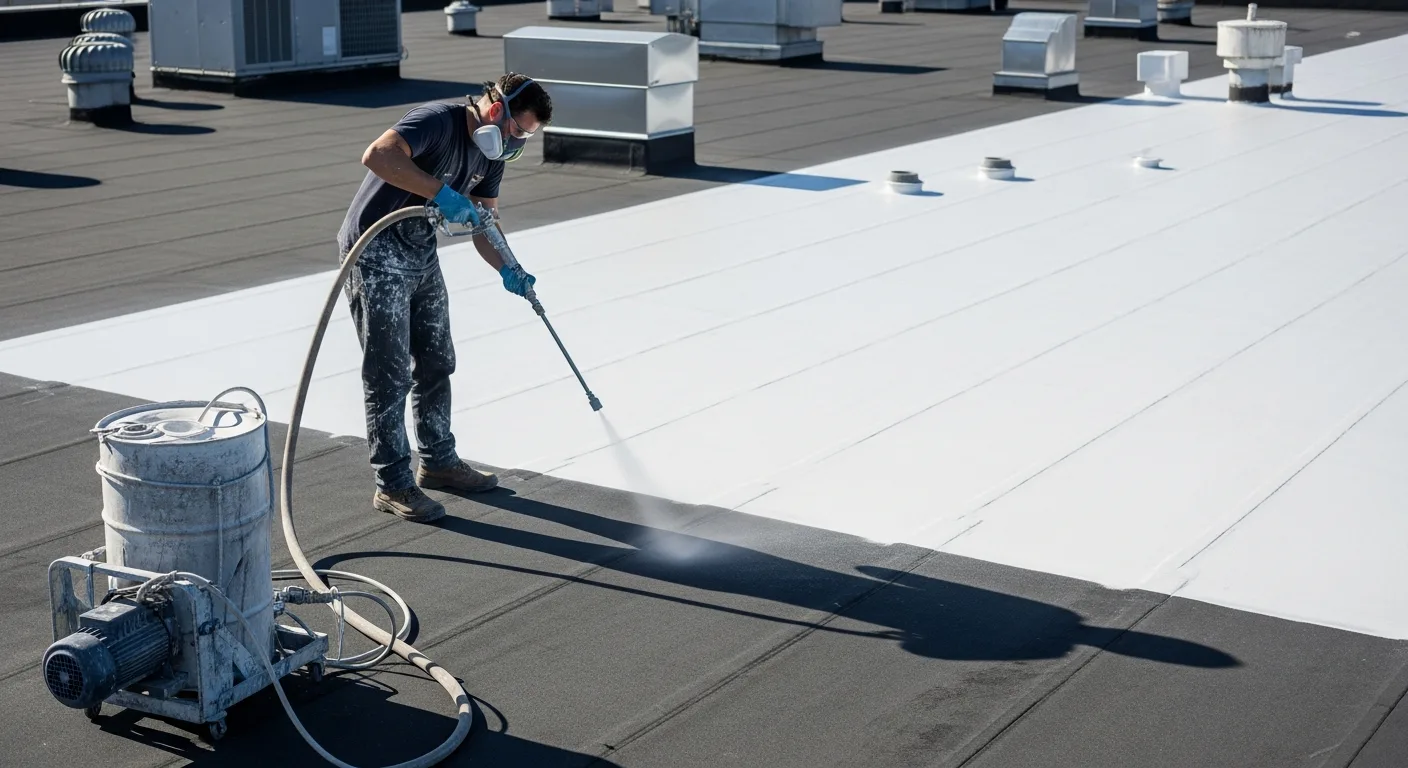
Advanced drainage solutions for Texas commercial properties often incorporate Carlisle SynTec's TPO membrane systems with integrated drainage features. These systems utilize heat-welded seams around drain penetrations to create watertight seals that can withstand the thermal expansion and contraction cycles common in our region's 60-degree temperature swings between winter lows and summer highs.
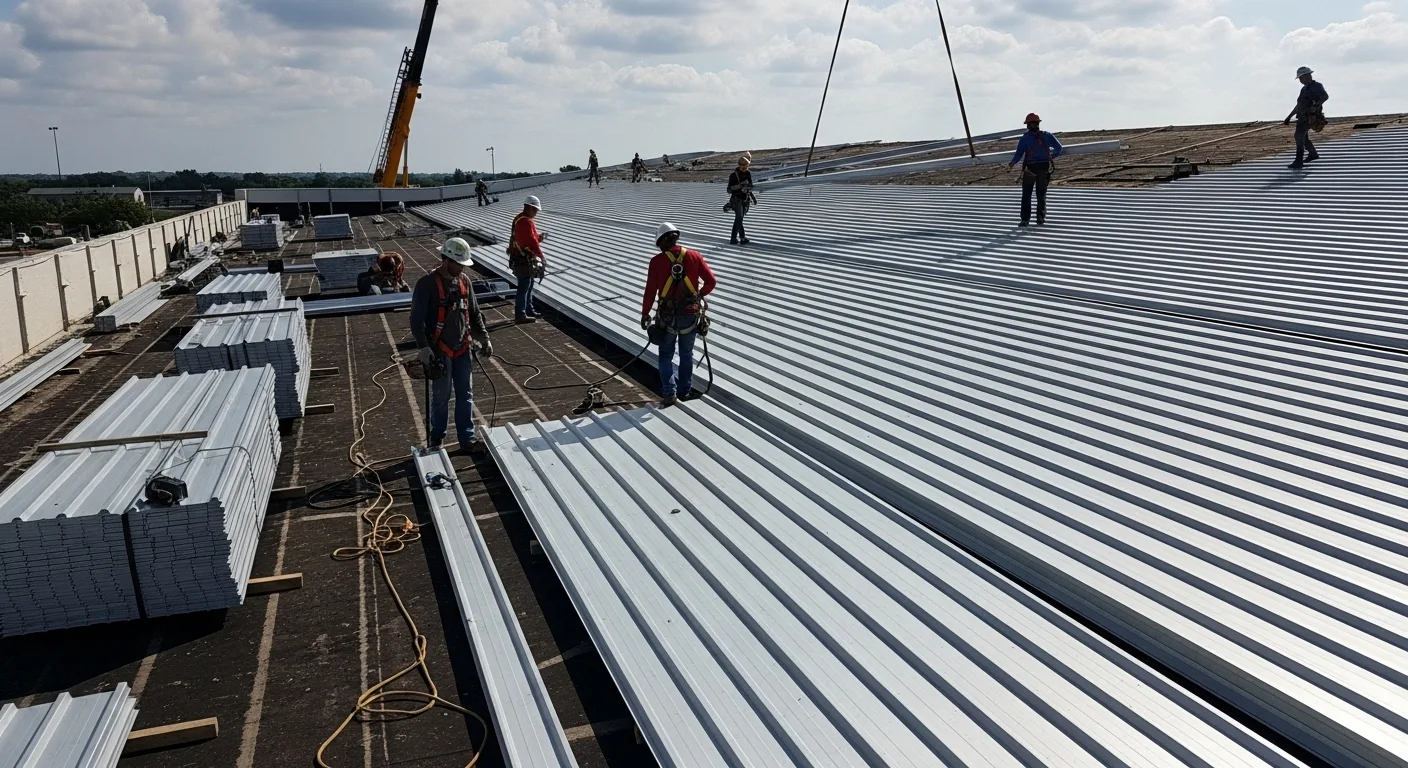
Safety compliance during drainage system installation follows strict OSHA fall protection standards, particularly crucial when working around roof drains and scuppers. Workers must maintain proper tie-off points and use appropriate personal protective equipment when installing or servicing drainage components on commercial flat roofs. The International Code Council's building codes mandate specific drainage capacity requirements based on local rainfall intensity data, with Texas requiring systems capable of handling 4-inch-per-hour precipitation rates during design storms.