When your commercial metal roof begins showing signs of wear, you face a critical decision: should you completely replace the existing system or recover it with a new roofing membrane? This choice impacts not only your immediate budget but also long-term building performance, energy efficiency, and operational costs. Understanding the key factors that determine whether a metal roofing retrofit should involve replacement or recovery can save your business thousands of dollars while ensuring optimal protection for years to come.
Understanding Metal Roofing Retrofit Options
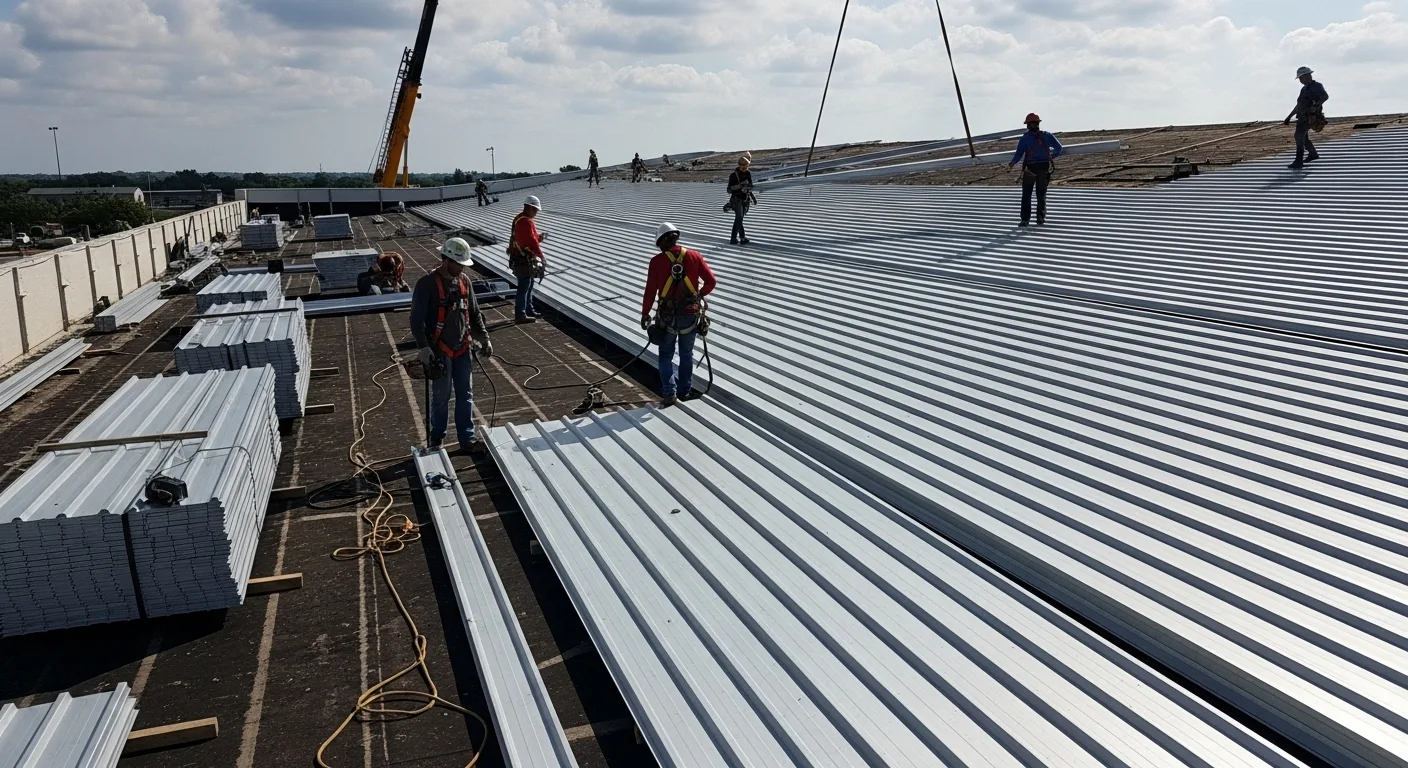
Metal roofing retrofits involve either complete tear-off and replacement or installing a new roofing system over the existing substrate. Recovery systems, also known as recover or overlay systems, allow you to maintain the structural benefits of your metal deck while addressing membrane failures, leaks, and energy efficiency concerns. This approach often proves more cost-effective than full replacement while delivering comparable performance benefits.
The National Roofing Contractors Association emphasizes that both approaches have distinct advantages depending on building conditions, budget constraints, and performance requirements. Recovery systems typically cost 30-50% less than complete replacement while reducing project timelines and minimizing business disruption.
Recovery System Components and Benefits
Modern recovery systems incorporate advanced materials and installation techniques that deliver exceptional performance. These systems typically include a new membrane, insulation layer, and protective covering installed directly over the existing metal deck. High-performance recovery systems can achieve R-values comparable to or exceeding new construction while providing superior weather resistance and energy efficiency.
Recovery installations also minimize waste disposal costs and environmental impact, as existing metal decking remains in place. This approach aligns with sustainable building practices while maintaining structural integrity and load-bearing capacity of the original roof system.
Key Factors Determining Replacement vs Recovery
Structural Condition Assessment
The condition of your existing metal deck serves as the primary determining factor in choosing between replacement and recovery. If the structural substrate shows significant corrosion, impact damage, or load-bearing compromise, complete roof replacement becomes necessary. Professional inspection should evaluate fastener integrity, deck deflection, and overall structural soundness.
Buildings with minor surface rust, isolated leak points, or membrane-only failures often qualify for recovery systems. The existing metal structure must provide adequate support for additional recovery system weight, typically adding 2-4 pounds per square foot depending on insulation and membrane specifications.
Building Code Compliance
Local building codes may limit the number of roof layers permitted on a single structure, typically allowing one recovery system over the original roof. Buildings with existing recovery systems generally require complete tear-off before installing new roofing materials. Additionally, some jurisdictions mandate structural upgrades during replacement projects, potentially affecting cost comparisons between replacement and recovery options.
Wind uplift requirements have evolved significantly in recent decades, and older buildings may need structural reinforcement to meet current codes during replacement projects. Recovery systems often allow buildings to achieve code compliance without extensive structural modifications.
Performance Considerations and Energy Efficiency
Energy efficiency represents a crucial factor in retrofit decision-making. The Department of Energy reports that improved roofing systems can reduce commercial building energy consumption by 10-40%, depending on climate zone and existing insulation levels.
Recovery systems excel at improving thermal performance through continuous insulation layers that eliminate thermal bridging common in metal roof construction. These systems can incorporate high-R-value insulation materials while maintaining proper vapor control and air sealing. Modern recovery membranes also feature reflective surfaces that reduce cooling loads in hot climates like Amarillo's.
Long-term Performance Expectations
Both replacement and recovery systems can deliver 20-30 year service lives when properly designed and installed. However, recovery systems may face limitations if future roof modifications become necessary. Buildings planning significant HVAC upgrades, solar installations, or other roof-mounted equipment may benefit from complete replacement to accommodate future needs.
Warranty considerations also differ between approaches. New roof systems typically offer comprehensive material and labor warranties, while recovery systems may have limitations based on existing substrate conditions. Our commercial services include thorough warranty evaluation to help clients understand long-term protection options.
Cost Analysis and Financial Considerations
Initial cost differences between replacement and recovery can be substantial, but total lifecycle costs require careful analysis. Recovery systems eliminate tear-off and disposal expenses while reducing labor requirements and project duration. However, buildings requiring extensive repairs or modifications may see cost benefits diminish.
Financial incentives may favor one approach over another. Energy efficiency rebates, tax credits, and depreciation schedules can significantly impact project economics. The Insurance Institute for Business & Home Safety notes that improved roofing systems may qualify for insurance premium reductions, providing ongoing operational savings.
Project Timeline and Business Disruption
Recovery installations typically require 40-60% less time than complete replacement projects, reducing business disruption and accelerating return to normal operations. This timeline advantage proves particularly valuable for businesses that cannot afford extended shutdowns or those operating in weather-sensitive environments.
However, discovery of unexpected conditions during recovery installation may require project scope modifications that eliminate timeline advantages. Thorough pre-construction investigation helps minimize surprises and maintain project schedules.
Material Technology and System Selection
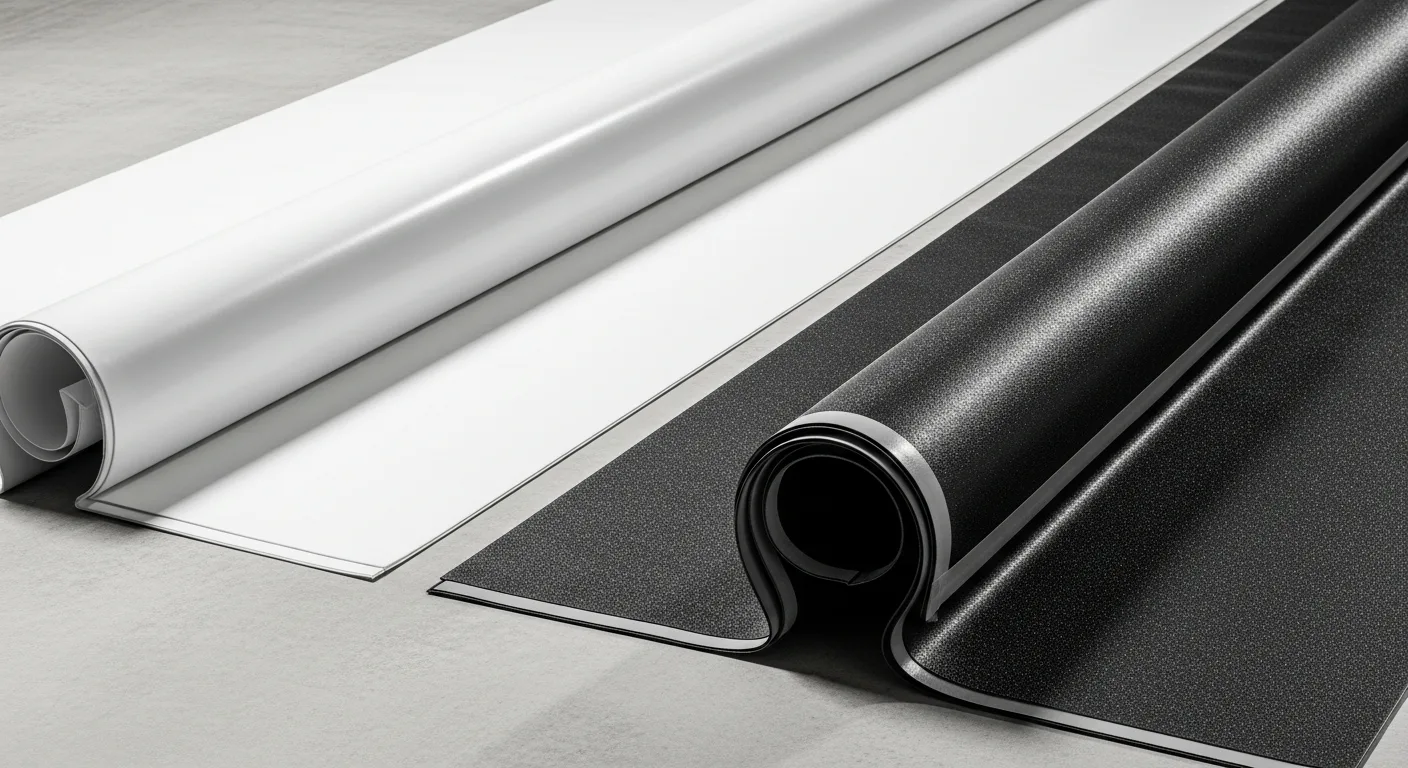
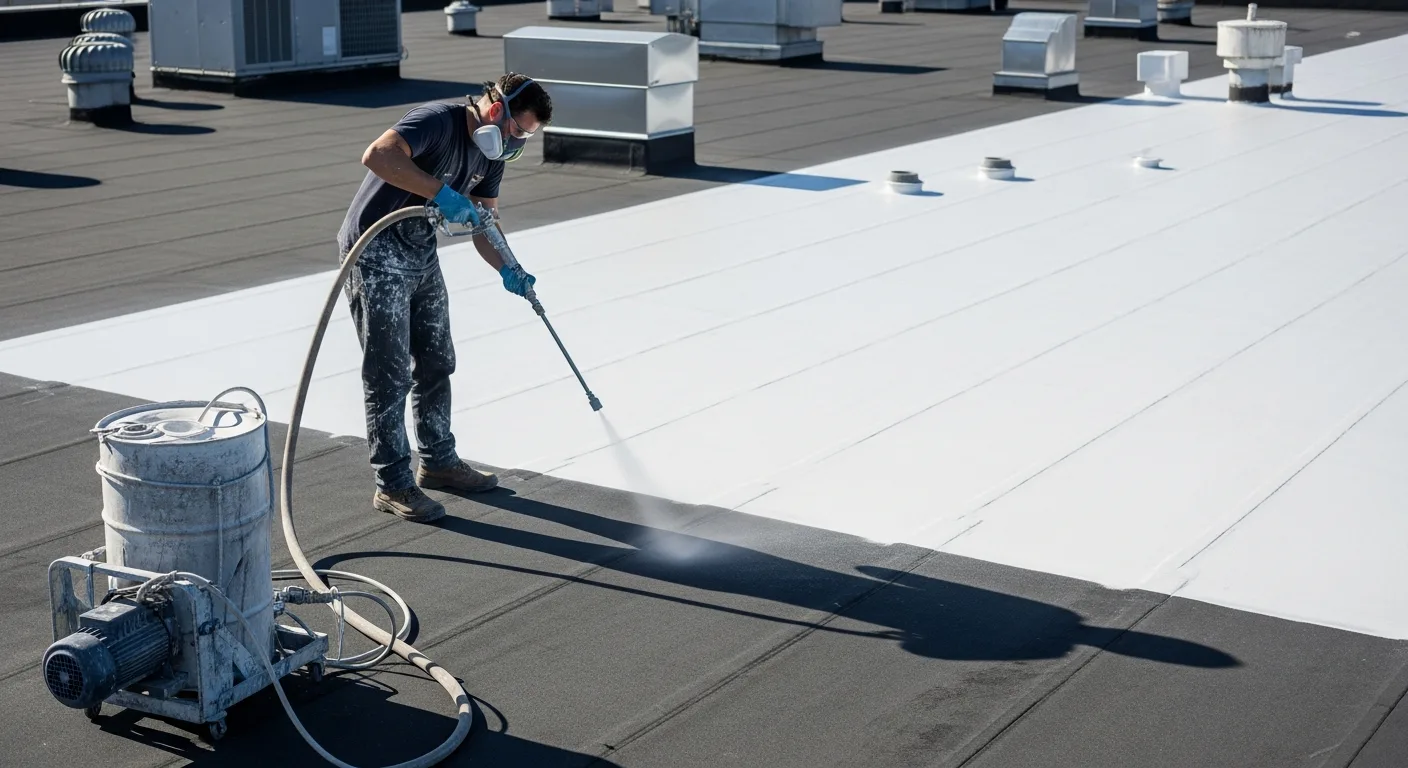
Advanced recovery system materials have revolutionized retrofit options for commercial buildings. Modern single-ply membranes, spray polyurethane foam systems, and liquid-applied membranes offer excellent performance characteristics suitable for recovery applications. These materials provide superior adhesion, flexibility, and weather resistance compared to earlier generation products.
Leading manufacturers like GAF and Owens Corning have developed specialized recovery system components that address unique challenges of retrofit installations. These systems incorporate proven technologies while addressing thermal expansion, substrate compatibility, and long-term adhesion requirements.
Climate-Specific Considerations
Amarillo's climate presents unique challenges that influence retrofit decision-making. Extreme temperature variations, high winds, and intense UV exposure require careful material selection and installation techniques. Recovery systems must accommodate thermal movement while maintaining weather resistance throughout the system's service life.
Hail resistance becomes particularly important in our region, and both replacement and recovery options should incorporate impact-resistant materials and design features. Firestone Building Products offers specialized hail-resistant membranes suitable for both new construction and recovery applications.
Making the Right Decision for Your Building
Choosing between replacement and recovery requires professional evaluation of multiple factors including structural condition, performance requirements, budget constraints, and long-term building plans. A qualified roofing contractor should perform comprehensive assessment including core sampling, structural analysis, and energy modeling to provide accurate recommendations.
The decision ultimately depends on balancing immediate costs against long-term performance and operational requirements. Buildings with sound structural substrates often benefit significantly from recovery systems, while those requiring extensive repairs or modifications may warrant complete replacement.
Our expertise in metal roofing systems helps clients navigate these complex decisions with confidence. We provide detailed analysis of both options, including cost projections, performance expectations, and warranty considerations to ensure informed decision-making that serves your building's long-term interests.
Whether you choose replacement or recovery, proper system design and professional installation remain critical to achieving optimal performance and longevity. Investing in quality materials and experienced contractors ensures your retrofit project delivers the protection, efficiency, and value your commercial building requires.
In the Texas Panhandle, where extreme weather conditions including high winds exceeding 90 mph and frequent hailstorms create unique challenges, the decision between replacement and recovery becomes even more critical. The region's intense UV exposure and temperature fluctuations—ranging from below freezing in winter to over 100°F in summer—can accelerate membrane degradation, making proper assessment essential. National Severe Storms Laboratory data confirms that this region experiences some of the nation's most severe hail activity, requiring roofing systems that meet stringent impact resistance standards.
When evaluating recovery options, McElroy Metal's retrofit specifications emphasize the importance of addressing thermal movement in existing metal substrates. Recovery systems must accommodate expansion and contraction cycles that can exceed 2 inches across large commercial buildings. The structural deck condition becomes paramount—if the existing metal decking shows significant corrosion, particularly around fastener penetrations, replacement may be the only viable long-term solution.
Code compliance considerations under the International Building Code require that recovery systems meet current wind uplift standards, which in Texas Zone II areas demand ratings up to 90 psf. Modern recovery membranes must also comply with Texas energy efficiency requirements, necessitating cool roof products with initial solar reflectance values of at least 0.70 and thermal emittance of 0.75 or higher, as outlined by Department of Energy cool roof standards.
Safety protocols during retrofit projects require adherence to OSHA fall protection standards, particularly given the frequent high winds common in West Texas. Recovery installations typically reduce worker exposure time compared to tear-off projects, decreasing safety risks while maintaining business operations. However, proper evaluation of existing roof structure load capacity remains essential, as recovery systems add 1-3 pounds per square foot depending on the membrane type and insulation requirements.
For optimal long-term performance in the harsh Texas Panhandle climate, NRCA guidelines recommend infrared scanning to identify hidden moisture within the existing system before recovery installation. Trapped moisture can lead to accelerated membrane failure and potential mold issues in the building envelope, making thorough assessment crucial for successful retrofit outcomes.