When your commercial building's roof shows signs of membrane failure, ponding water, or increasing energy costs, delaying replacement isn't just expensive—it's a risk to your business operations and bottom line. In the harsh Texas Panhandle climate, where extreme heat, devastating hail, and relentless winds create the perfect storm for roofing challenges, choosing the wrong membrane system or postponing necessary replacement can lead to catastrophic interior damage, business interruption, and insurance complications that cost far more than proactive roof replacement.
When Commercial Roof Issues Require Professional Attention
Thermoplastic Polyolefin (TPO) has emerged as the dominant choice for commercial roof replacement because it addresses the specific challenges that plague flat and low-slope commercial buildings in our region. When you notice membrane shrinkage, seam separation, or declining thermal reflectivity on your existing roof, these aren't cosmetic issues—they're indicators of building envelope failure that demand immediate professional evaluation.
The National Roofing Contractors Association reports that TPO now accounts for over 40% of new commercial roofing installations, and this dominance isn't coincidental. TPO's superior performance characteristics directly combat the moisture intrusion, thermal cycling, and wind uplift forces that destroy traditional roofing systems in the Texas Panhandle.
Professional assessment becomes critical when you observe ponding water lasting more than 48 hours after rainfall, interior temperature fluctuations despite consistent HVAC operation, or visible membrane deterioration. These symptoms indicate that your current roofing system has compromised the building envelope's integrity, creating conditions for mold growth, structural damage, and escalating energy costs that compound monthly until addressed.
Key Decision Factors: Repair vs. Replace Analysis
The decision between repair and replacement hinges on lifecycle cost analysis and performance expectations. TPO roof replacement typically delivers 15-20% greater energy savings compared to traditional built-up roofing systems, with membrane seams that maintain integrity under extreme thermal expansion and contraction cycles common in our climate.
Cost considerations extend beyond initial installation. TPO's exceptional wind uplift resistance—tested to withstand winds exceeding 110 mph when properly installed—provides crucial protection against the severe weather events that regularly impact the Texas Panhandle. This wind resistance translates directly into lower insurance premiums and reduced claim frequency, factors that significantly impact your total cost of ownership.
Timeline considerations favor TPO replacement over extensive repair programs. While patching and coating existing systems might seem cost-effective initially, these solutions typically require repeated maintenance within 2-3 years. TPO replacement, completed efficiently by experienced commercial roofing professionals, provides 20+ years of reliable performance with minimal maintenance requirements.
The thermal reflectivity of white TPO membranes—achieving Solar Reflectance Index (SRI) values exceeding 100—directly impacts your building's energy performance. According to Energy Star, properly installed cool roofing systems can reduce cooling costs by 10-15% annually, making TPO replacement a sound financial investment rather than merely a necessary expense.
TPO System Recommendations for Texas Panhandle Conditions
Selecting the appropriate TPO system requires understanding our region's unique challenges. Fully adhered TPO systems excel in high-wind environments, while mechanically attached systems with enhanced fastening patterns provide cost-effective solutions for buildings with appropriate structural capacity.
Membrane thickness selection directly impacts longevity and performance. 60-mil TPO membranes provide excellent puncture resistance for buildings with significant rooftop equipment or foot traffic, while 45-mil systems offer optimal cost-performance balance for standard commercial applications. The key lies in proper system design that accounts for your building's specific exposure conditions and usage patterns.
Insulation integration represents a critical component often overlooked in system selection. TPO's compatibility with various insulation types—from polyisocyanurate to expanded polystyrene—allows for customized R-value optimization that meets or exceeds current energy codes while providing enhanced thermal performance. This flexibility enables lifecycle cost optimization through reduced energy consumption and improved occupant comfort.
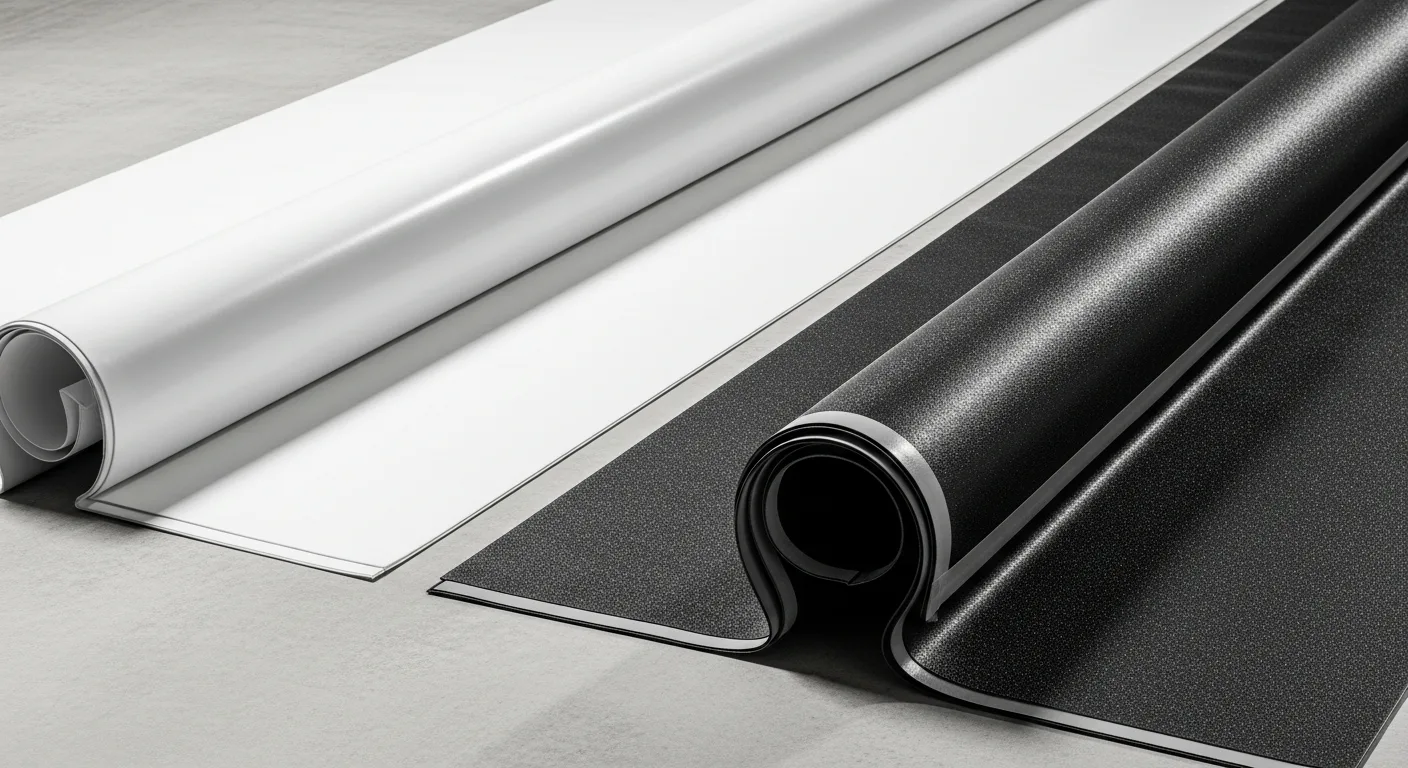
Membrane color selection impacts both aesthetic and performance characteristics. White TPO membranes maximize solar reflectance, reducing cooling loads and urban heat island effects. Gray membranes provide excellent performance with reduced soiling visibility, while tan options blend with southwestern architectural themes while maintaining good thermal performance.
What to Expect During the TPO Replacement Process
Professional TPO installation begins with comprehensive roof assessment and structural evaluation. Our process includes moisture surveys using infrared technology to identify hidden problems within existing roof assemblies, ensuring that replacement addresses all underlying issues rather than simply covering symptoms.
Tear-off procedures depend on existing conditions and building requirements. Complete removal allows for thorough deck inspection and repair, while recover applications over suitable existing systems can reduce project costs and installation time. Your contractor should provide detailed analysis of both options with clear cost-benefit comparisons.
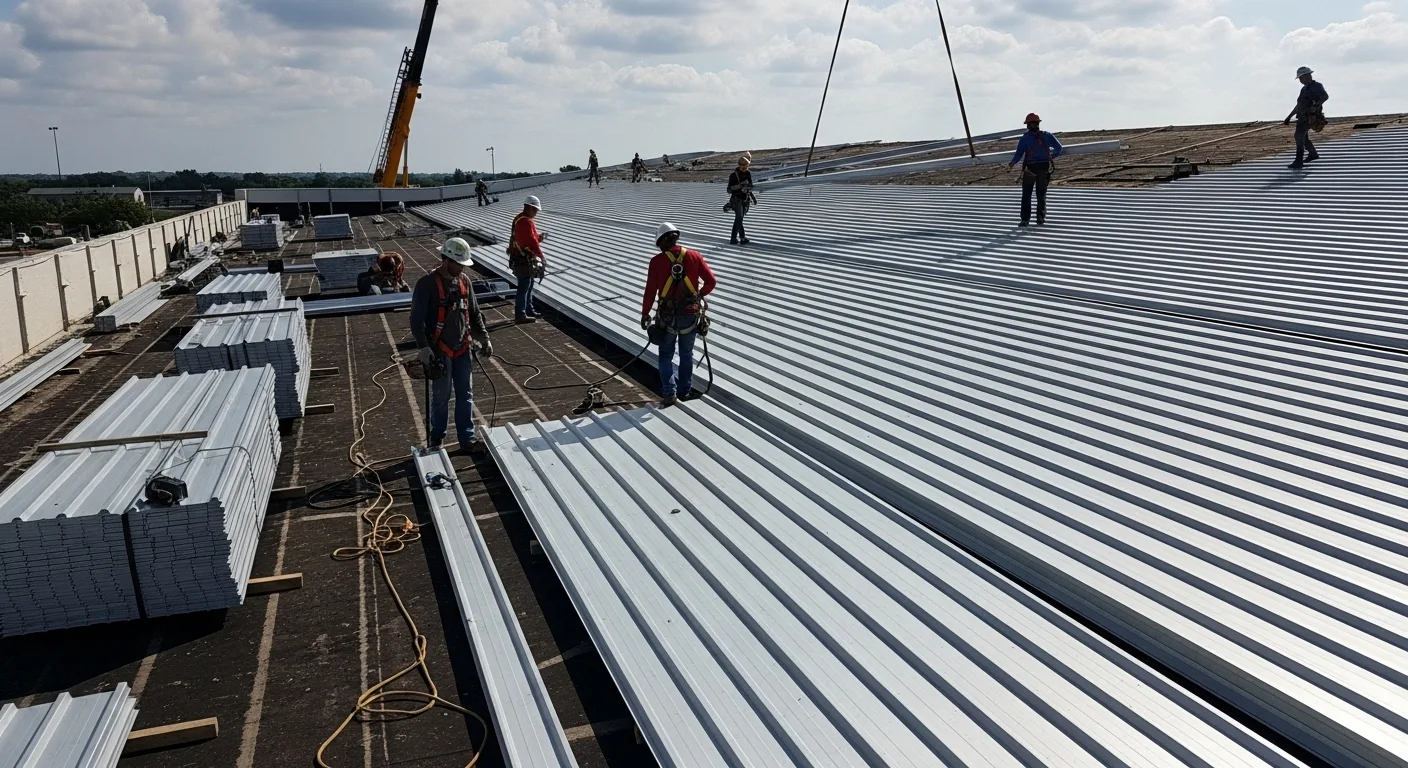
Installation typically requires 2-5 days for average commercial buildings, depending on size, complexity, and weather conditions. Proper scheduling considers seasonal factors, with spring and fall installations preferred to avoid extreme summer heat that can complicate membrane welding and crew safety.
Quality assurance throughout installation includes seam testing, fastener pull tests, and comprehensive final inspection. Professional installations include detailed warranty documentation and maintenance recommendations that protect your investment and ensure optimal long-term performance.
Why Choosing the Right Contractor Matters
TPO installation requires specialized expertise in heat welding, proper fastening patterns, and membrane handling techniques that differ significantly from traditional roofing methods. Contractor selection directly impacts system performance, warranty validity, and long-term reliability of your roof replacement investment.
Manufacturer certification programs ensure installers understand proper procedures and have access to technical support throughout installation. These certifications also qualify projects for enhanced warranty coverage, providing additional protection for your investment. When evaluating contractors, verify current manufacturer certifications and request references from recent commercial TPO projects.
Local experience matters significantly in contractor selection. Understanding Texas Panhandle weather patterns, local building codes, and regional installation challenges enables contractors to customize solutions for optimal performance. Our extensive experience with commercial roof replacement ensures proper system selection and installation techniques that maximize performance in our specific climate conditions.
Insurance considerations require careful attention during contractor selection. Verify comprehensive general liability coverage, workers' compensation insurance, and bonding adequate for your project scope. These protections safeguard your business from potential liability and ensure project completion even if unforeseen complications arise.
Don't let deteriorating roof conditions compromise your business operations and profitability. TPO roof replacement provides the superior performance, energy efficiency, and long-term value your commercial building needs to thrive in the challenging Texas Panhandle climate. Contact CRS Roofing & Construction today to schedule your comprehensive roof assessment and discover how TPO replacement can reduce your operating costs while protecting your valuable business assets. Our certified installation team and proven track record of successful commercial projects ensure your roof replacement investment delivers maximum performance and peace of mind for decades to come. Call now to discuss your specific requirements and receive a detailed proposal tailored to your building's needs and budget—your business deserves the protection and efficiency that only professional TPO installation can provide.
In the Texas Panhandle, where summer temperatures regularly exceed 100°F and severe hailstorms produce baseball-sized hail that can devastate roofing systems, TPO membranes demonstrate exceptional durability through rigorous ASTM testing standards. Modern TPO systems from leading manufacturers like Carlisle SynTec's Sure-Weld TPO offer tensile strength ratings exceeding 300 psi and puncture resistance up to 400+ lbf, making them ideal for withstanding the extreme weather conditions that define our region.
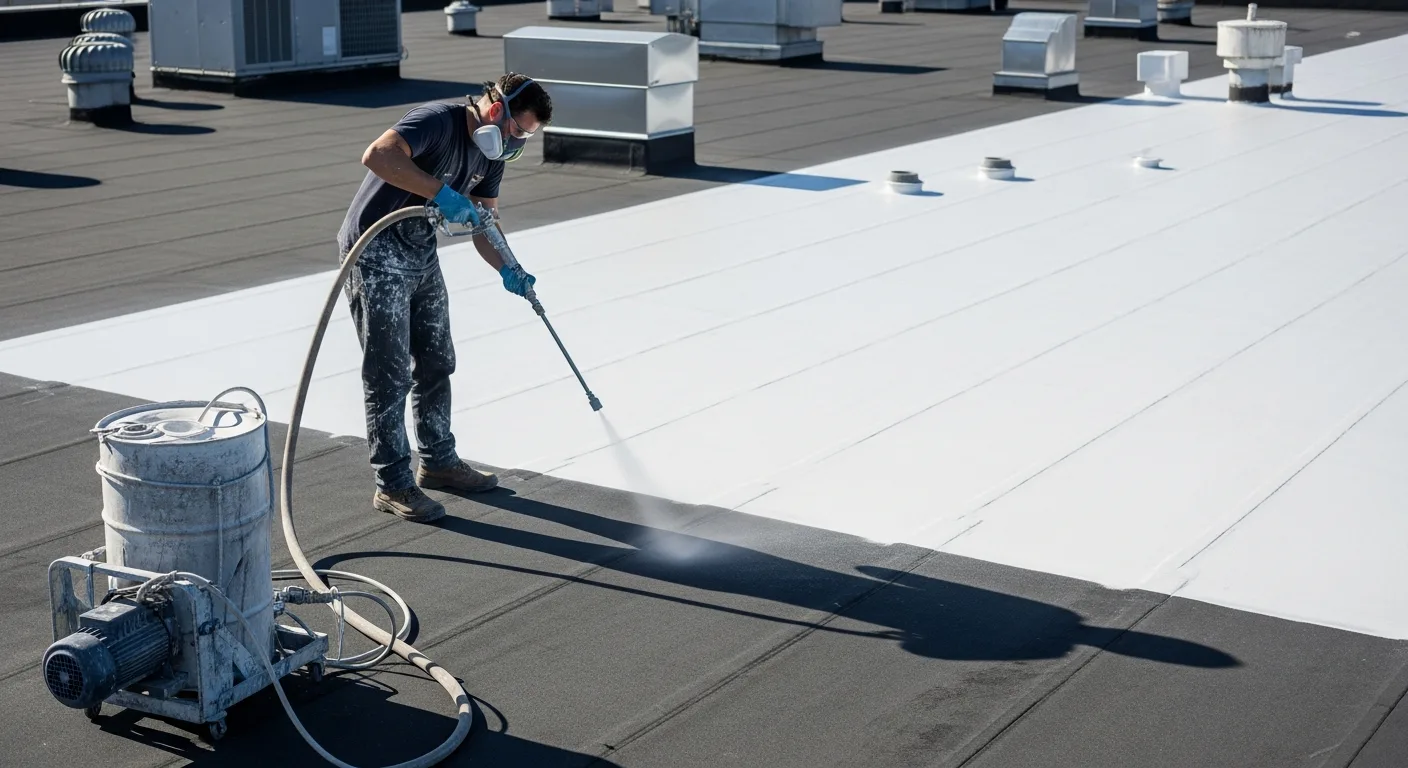
The reflective properties of TPO membranes directly address the cooling cost challenges faced by Amarillo businesses. With solar reflectance values typically ranging from 0.78 to 0.87, quality TPO installations can reduce rooftop temperatures by 50-60°F compared to traditional black membranes. The U.S. Department of Energy confirms that highly reflective roofing systems can reduce commercial cooling costs by 10-30%, a significant consideration when local utilities face peak demand during our intense summer months.
Wind uplift performance becomes critical in the Texas Panhandle, where straight-line winds exceeding 70 mph are common during severe thunderstorms. TPO systems mechanically fastened according to SPRI wind design standards can achieve uplift ratings of 90-120 psf when properly installed with appropriate fastener patterns and perimeter securement. This exceeds the wind load requirements for most commercial buildings in our wind zone, providing the structural integrity necessary to protect your investment during severe weather events.
Safety compliance during installation remains paramount for commercial roofing projects. OSHA fall protection requirements mandate comprehensive safety systems for all commercial roofing work, and TPO's heat-welded seam technology allows for safer installation compared to torch-applied systems. The chemical resistance and low-maintenance characteristics of TPO also reduce the frequency of future roof access, minimizing long-term safety risks for building maintenance personnel.