Your roof just survived another brutal Texas Panhandle hailstorm, and the damage looks extensive. You file an insurance claim expecting coverage, only to receive a denial letter weeks later. This scenario plays out across Amarillo every storm season, leaving property owners facing thousands in out-of-pocket repair costs. The harsh reality is that insurance companies deny 15-20% of roofing claims, often due to preventable documentation errors, delayed reporting, or inadequate damage assessment.
In the Texas Panhandle's extreme climate—where hail stones reach golf ball size and wind speeds exceed 70 mph—the window for proper claim handling is narrow. Every day of delay allows moisture intrusion to compound damage, turning a covered roof replacement into a denied claim for "pre-existing conditions" or "normal wear and tear." The financial consequences are devastating: what should have been a $15,000-25,000 covered replacement becomes a $30,000+ out-of-pocket expense when secondary water damage destroys the building envelope.
When Insurance Issues Require Professional Intervention
Insurance claim success depends on immediate professional assessment and proper documentation. The moment you suspect roof damage from severe weather, time becomes your most critical asset. Insurance adjusters are trained to minimize payouts, and they frequently deny claims for:
- Insufficient damage documentation: Blurry photos, missed impact points, or failure to document membrane seams and flashing damage
- Delayed reporting: Most policies require notification within 30-60 days of the loss event
- Pre-existing condition claims: Normal aging mixed with storm damage creates coverage disputes
- Inadequate temporary protection: Failure to prevent further moisture intrusion can void coverage
- Contractor selection errors: Using unlicensed contractors or inflated estimates triggers automatic denials
Professional roofing contractors who specialize in insurance claims understand these pitfalls intimately. We document every aspect of storm damage using industry-standard protocols, from granule loss patterns that indicate hail impact to wind uplift damage at membrane seams. This thoroughness is essential—according to the Insurance Institute for Business & Home Safety, properly documented claims have a 90% higher approval rate than amateur submissions.
The Texas Panhandle's climate amplifies these challenges. Temperature swings from -10°F to 110°F create thermal expansion stress that weakens roofing systems over time. When hail or high winds strike an already-stressed roof, the resulting damage pattern can appear to adjusters as normal wear rather than acute weather damage. Professional assessment distinguishes between chronic deterioration and acute storm damage, protecting your claim from denial.
Key Decision Factors for Insurance Claim Success
The difference between claim approval and denial often hinges on three critical decision factors: timing, documentation quality, and contractor expertise. Each factor directly impacts your financial exposure and long-term building envelope integrity.
Timing considerations extend beyond simple reporting deadlines. In the Texas Panhandle, seasonal weather patterns create narrow windows for optimal claim processing. Spring and early summer bring the most severe hail events, but they also trigger claim volume spikes that overwhelm adjusters. Filing immediately after a loss event—within 24-48 hours—positions your claim ahead of the processing backlog. Delayed filing pushes your claim into busy season review, where scrutiny intensifies and approval rates drop significantly.
Documentation quality determines claim outcome more than damage severity. Insurance companies routinely deny claims with thousands of dollars in legitimate damage due to poor photo evidence or incomplete damage inventories. Professional contractors use calibrated measurement tools, high-resolution photography with proper lighting, and comprehensive damage mapping that includes often-overlooked components like gutters, downspouts, and HVAC equipment.
Repair versus replacement decisions require careful analysis of lifecycle cost factors and code compliance requirements. Many insurance adjusters push for repair-only settlements that appear cost-effective initially but fail within 2-3 years due to the Texas climate's harsh conditions. A properly engineered roof replacement with enhanced wind uplift ratings and improved thermal reflectivity often costs less over 20 years than repeated repairs on a compromised system.
For commercial properties, the decision factors become more complex. Building codes may require full replacement when damage exceeds 25% of the roof area, regardless of insurance adjuster preferences. Additionally, business interruption considerations often justify premium roofing systems that minimize future downtime risk.
Material and System Recommendations That Support Claims
Insurance companies favor certain roofing materials and systems because they demonstrate superior performance in severe weather conditions. Choosing the right replacement materials strengthens your current claim and protects against future denials.
Impact-resistant shingles with Class 4 UL 2218 ratings receive insurance premium discounts of 15-35% in Texas. More importantly, these systems resist hail damage that would destroy standard shingles, reducing future claim frequency. GAF Timberline HD-Z and Owens Corning Duration Storm shingles both carry Impact Resistant warranties that insurance companies respect during claim evaluation.
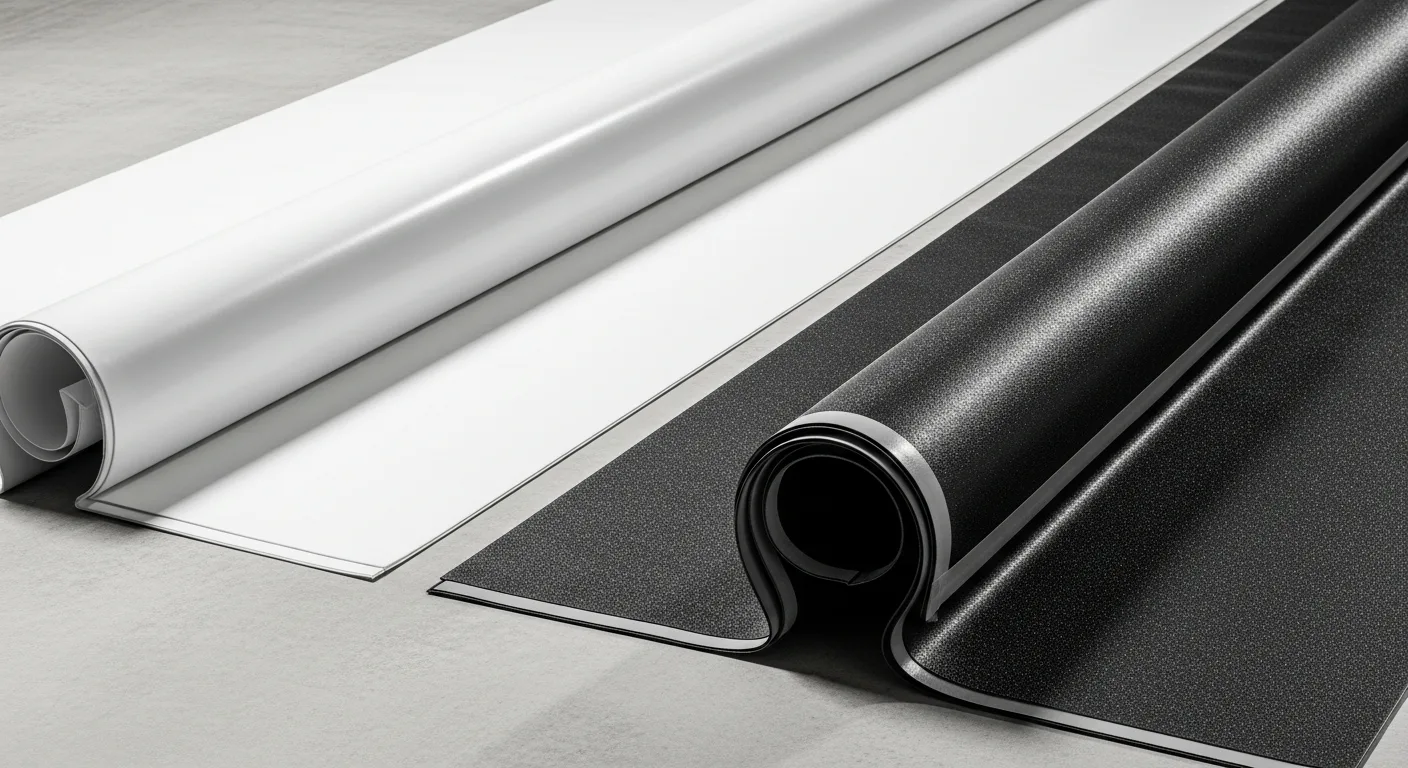
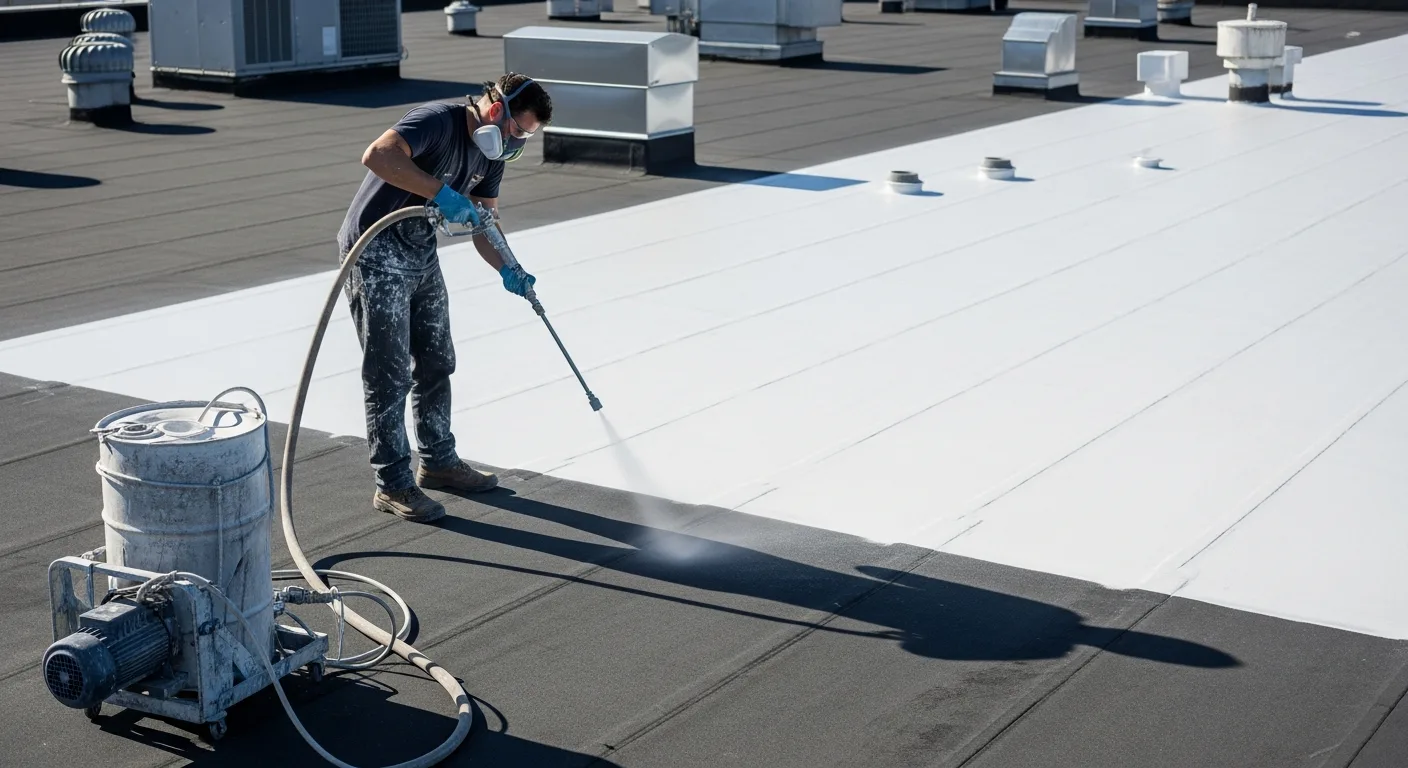
For commercial applications, single-ply membrane systems with mechanically fastened installation provide superior wind uplift resistance—critical for Texas Panhandle installations where sustained winds regularly exceed 60 mph. Carlisle SynTec and Firestone RubberGard EPDM systems offer 20+ year warranties that insurance providers acknowledge during claim processing. These systems also feature excellent thermal reflectivity, reducing cooling costs and demonstrating lifecycle value to adjusters focused on replacement cost justification.
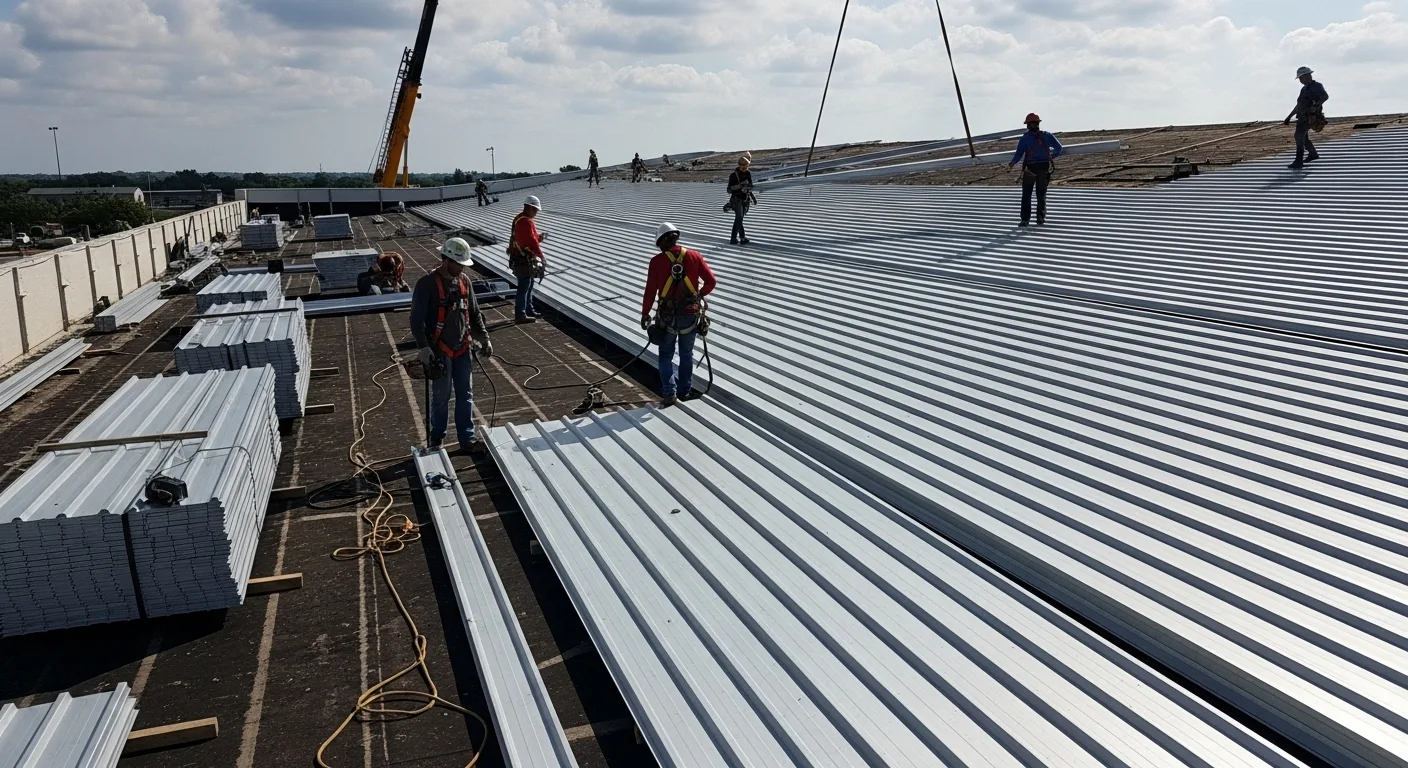
Metal roofing systems represent the ultimate insurance-friendly choice for both residential and commercial applications. Standing seam metal roofs with proper installation resist hail damage, wind uplift, and thermal cycling that destroys other materials. Insurance companies often provide maximum premium discounts for metal roofing because claim frequency drops by 60-70% compared to standard asphalt systems.
The key to material selection success lies in choosing systems that meet or exceed local building code requirements while providing documented performance advantages. The Department of Energy provides comprehensive guidance on roofing material performance in extreme climates, data that supports insurance claim justifications for premium system upgrades.
What to Expect During the Professional Claims Process
Working with experienced roofing contractors transforms the insurance claim process from adversarial negotiation to collaborative problem-solving. Professional contractors serve as your advocate throughout the complex claim lifecycle, managing communication with adjusters while protecting your interests.
Initial assessment begins with comprehensive damage documentation using industry-standard protocols. Professional contractors photograph every impact point, measure granule loss patterns, and assess wind uplift damage at vulnerable locations like membrane seams and ridge areas. This documentation package typically includes 50-100 high-resolution images with detailed annotations explaining damage significance to insurance reviewers.
Adjuster meetings become collaborative rather than confrontational when professional contractors present evidence. Experienced contractors speak the adjuster's language, referencing specific policy provisions and industry standards that support coverage decisions. They also identify supplemental damage that adjusters commonly miss, such as guttering impact, HVAC equipment damage, or compromised flashing systems.
Estimate negotiation focuses on proper material specifications and labor factors appropriate for Texas Panhandle conditions. Professional contractors understand prevailing wage rates, material delivery challenges, and seasonal cost fluctuations that impact project pricing. They also advocate for code-required upgrades that improve building envelope performance while remaining within policy coverage limits.
The timeline for professional claim processing typically spans 30-60 days from initial filing to settlement approval. However, this timeline assumes proper documentation and experienced contractor involvement from day one. Amateur claim handling often extends this process to 6+ months while creating coverage disputes that could have been avoided entirely.
For complex commercial claims or extensive residential damage, the process may require multiple adjuster visits and engineering assessments. Professional contractors coordinate these activities efficiently, minimizing business disruption while ensuring thorough damage evaluation that supports maximum settlement values.
Why Choosing the Right Contractor Determines Claim Success
Insurance claim outcomes depend heavily on contractor expertise, licensing credentials, and established relationships with major insurance carriers. The wrong contractor choice can transform a straightforward claim into a lengthy dispute that costs thousands in additional expenses and delays.
Licensing and insurance credentials provide immediate credibility with insurance adjusters who evaluate hundreds of contractor estimates monthly. Texas requires roofing contractors to maintain specific licensing for residential and commercial work, plus comprehensive liability insurance that protects property owners during the repair process. Unlicensed contractors trigger automatic claim red flags that often result in coverage denials or payment delays.
Industry certifications demonstrate technical competency that insurance companies respect during claim evaluation. GAF Master Elite contractors, Owens Corning Platinum Preferred contractors, and NRCA member companies receive preferential treatment because they've proven their installation expertise and business stability. These certifications also provide enhanced warranty coverage that reduces insurance company future liability exposure.
Local market knowledge proves essential for Texas Panhandle roofing projects where climate extremes and seasonal weather patterns impact material performance and installation requirements. Contractors who understand local building codes, permit requirements, and seasonal construction limitations can navigate the claim process more efficiently while avoiding costly delays or rework.
The most critical factor is established insurance relationships built through years of professional claim handling and successful project completion. Insurance adjusters develop trust with contractors who consistently provide accurate estimates, complete projects on schedule, and stand behind their work with comprehensive warranties. These relationships translate directly into faster claim approvals and higher settlement values for property owners.
To see our commercial roofing services page for detailed information about insurance claim assistance and professional installation services that maximize claim success while protecting your property investment throughout the Texas Panhandle's challenging climate conditions.
Don't let insurance claim mistakes cost you thousands in unnecessary expenses. CRS Roofing & Construction's insurance claim specialists have helped hundreds of Texas Panhandle property owners secure full coverage for storm damage repairs and replacements. Our comprehensive documentation process, established insurance relationships, and proven track record ensure your claim receives the attention and approval it deserves. Contact us today for a free insurance claim assessment—every day of delay increases your financial risk and reduces your chances of full settlement approval. Call now to protect your property and your investment.
Understanding Texas Panhandle weather patterns is crucial for both contractors and property owners when documenting storm damage. According to NOAA's severe weather data, the Texas Panhandle experiences some of the nation's most extreme hail events, with supercells producing stones exceeding 2.75 inches in diameter—large enough to cause catastrophic damage to standard asphalt shingles and penetrate commercial membrane systems. Insurance adjusters often require specific documentation standards that align with NRCA's professional assessment guidelines, including detailed measurements of impact marks, granule loss patterns, and structural integrity assessments.
The financial stakes become even higher when considering Texas's extreme temperature fluctuations, which can range from sub-zero winter conditions to summer highs exceeding 110°F. These thermal cycles create expansion and contraction stresses that insurance companies frequently cite as "normal wear and tear" to deny claims. However, when combined with hail damage, these conditions accelerate deterioration and create legitimate coverage scenarios. Professional documentation must differentiate between storm-related damage and age-related wear, particularly for impact-resistant shingles like TAMKO's Heritage series, which are specifically engineered for severe weather zones but still require proper assessment protocols.
Commercial property owners face additional complexities, as membrane roofing systems common in Amarillo's industrial sector require specialized knowledge for proper claim documentation. Single-ply membranes from manufacturers like Carlisle SynTec may show subtle puncture damage that's easily missed by untrained assessors, yet these small perforations can lead to catastrophic water intrusion during the region's intense thunderstorms. Insurance adjusters often deny claims when initial damage assessments fail to identify membrane stress points, seam separations, or fastener pull-through—all common results of the Panhandle's frequent 60+ mph straight-line winds.
The Insurance Institute for Business & Home Safety's research demonstrates that proper storm damage documentation within 72 hours of an event increases claim approval rates by over 40%. This narrow window is particularly critical in Texas, where rapid temperature changes can cause damaged roofing materials to expand and contract, potentially masking or altering the appearance of storm-related impacts. Professional contractors understand that insurance claim success depends on comprehensive photographic evidence, moisture readings, and detailed reports that clearly establish the storm event as the proximate cause of damage rather than pre-existing conditions or maintenance issues.