When your Amarillo property needs roofing work, that rock-bottom quote might seem like a financial lifeline. However, accepting the cheapest bid often transforms into an expensive mistake that compounds over time. In the Texas Panhandle's punishing climate—where summer temperatures exceed 100°F, hailstorms devastate building envelopes, and wind uplift forces challenge even quality installations—cutting corners on roofing work frequently results in catastrophic moisture intrusion, premature system failure, and insurance claim denials that cost property owners thousands more than investing in quality work upfront.
The harsh reality is that cheap roofing quotes typically indicate substandard materials, inadequate labor practices, or corner-cutting that compromises your building's structural integrity. With Amarillo's extreme weather patterns intensifying, delaying quality roofing investment while pursuing bargain solutions often leads to emergency repairs during peak storm season when contractors charge premium rates and quality materials become scarce.
When Low-Bid Roofing Requires Immediate Professional Intervention
Several warning signs indicate that cheap roofing work demands immediate professional assessment. Moisture intrusion represents the most critical concern, as inadequate membrane seams or improper flashing installation allows water penetration that rapidly deteriorates structural components and creates mold conditions requiring extensive remediation.
Wind uplift damage becomes apparent when low-quality contractors use insufficient fastener schedules or substandard adhesives that fail under the Texas Panhandle's sustained winds. According to the Insurance Institute for Business & Home Safety, proper installation techniques reduce wind damage claims by up to 95%, while inadequate work often results in catastrophic failure during moderate weather events.
Thermal performance issues emerge quickly with cheap installations, particularly when contractors skip critical insulation details or use materials with poor R-values. These shortcuts create uncomfortable interior conditions, skyrocketing energy costs, and accelerated HVAC system wear that compounds the initial roofing investment mistake.
Professional intervention becomes urgent when you notice granule loss, membrane bubbling, or ponding water within the first year of installation—clear indicators that cheap work requires immediate correction before weather exposure creates irreversible damage.
Key Decision Factors: Quality Investment vs. Ongoing Repair Costs
The decision between cheap quotes and quality roofing investment hinges on understanding lifecycle cost analysis rather than focusing solely on upfront expenses. Quality roofing systems typically cost 20-40% more initially but provide 2-3 times longer service life with significantly lower maintenance requirements.
Material quality represents the foundation of long-term value. Premium manufacturers like GAF, Owens Corning, and Firestone offer comprehensive warranty programs that protect your investment, while cheap materials often carry minimal coverage and fail prematurely under Texas weather stress. Quality materials also provide superior thermal reflectivity, reducing cooling costs by 15-25% annually in Amarillo's intense heat.
Installation timeline considerations favor quality contractors who properly schedule work around weather windows and cure times. Cheap contractors often rush installations to maximize profit margins, creating membrane seam failures and inadequate adhesion that requires costly correction work within months.
Insurance implications become critical when cheap roofing work fails during storm events. Many insurers void coverage for damages resulting from substandard installation or non-code-compliant work, leaving property owners responsible for complete replacement costs plus interior damage remediation.
Cost Comparison Analysis
Consider a typical 2,000 square foot residential roof replacement:
- Cheap Quote: $8,000 initial cost + $3,000 repairs (Year 2) + $12,000 premature replacement (Year 8) = $23,000 total
- Quality Investment: $12,000 initial cost + minimal maintenance over 25+ years = $12,500 total lifecycle cost
This analysis excludes energy savings, insurance premium reductions, and property value increases that quality roofing systems provide, making the investment case even more compelling.
Material and System Recommendations for Texas Panhandle Conditions
Amarillo's climate demands specific material characteristics that cheap quotes typically compromise. Impact-resistant shingles rated Class 4 by UL Solutions provide essential hail protection, while standard materials used in low-bid work often fail during moderate hail events common throughout the region.
For residential applications, architectural shingles with enhanced granule technology offer superior UV resistance and thermal reflectivity compared to basic 3-tab products typically specified in cheap quotes. Quality manufacturers engineer these materials specifically for extreme climate zones, incorporating advanced polymer modifiers that maintain flexibility through temperature swings.
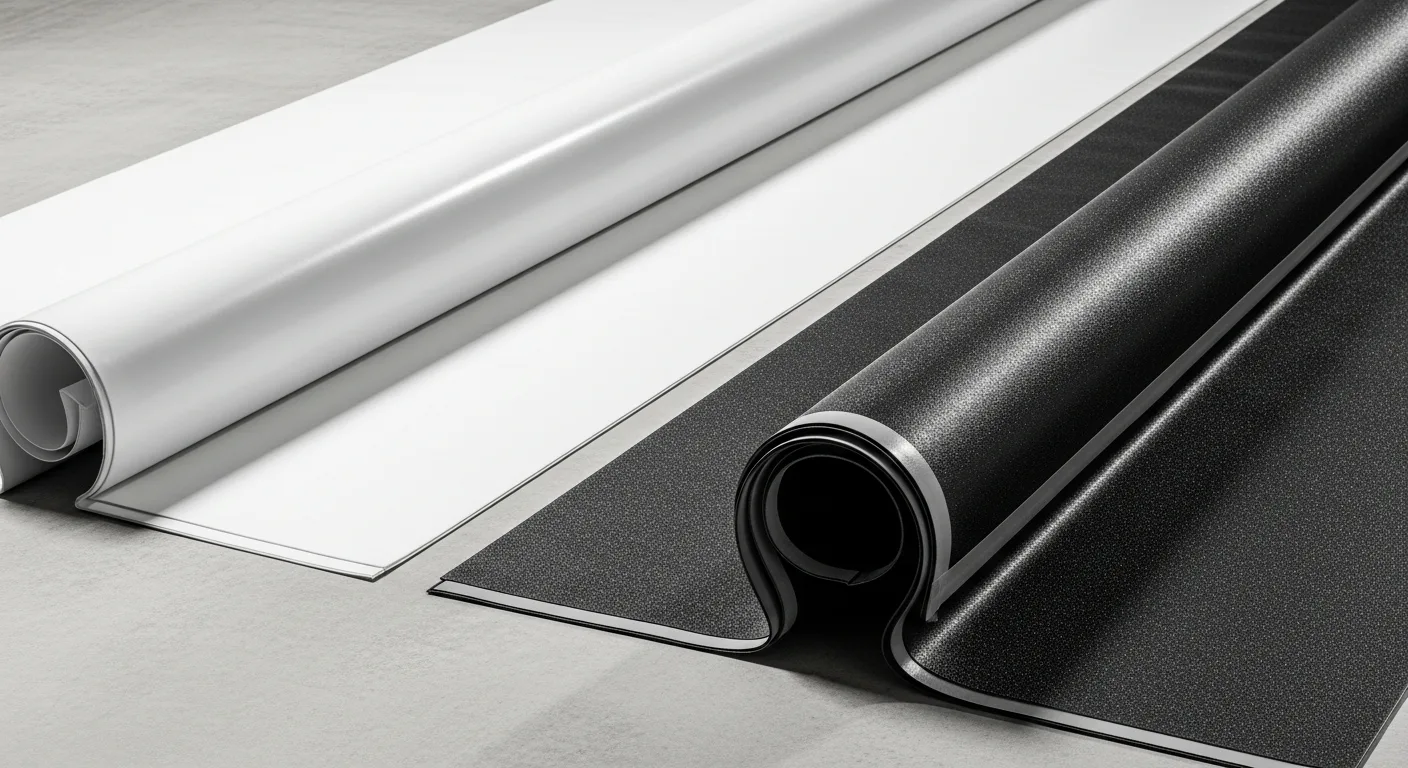
Commercial applications require membrane systems designed for high-wind zones and extreme temperature cycling. TPO and EPDM systems from established manufacturers provide proven performance when properly installed, while cheap alternatives often use inferior compounds that crack, shrink, or lose adhesion within years.
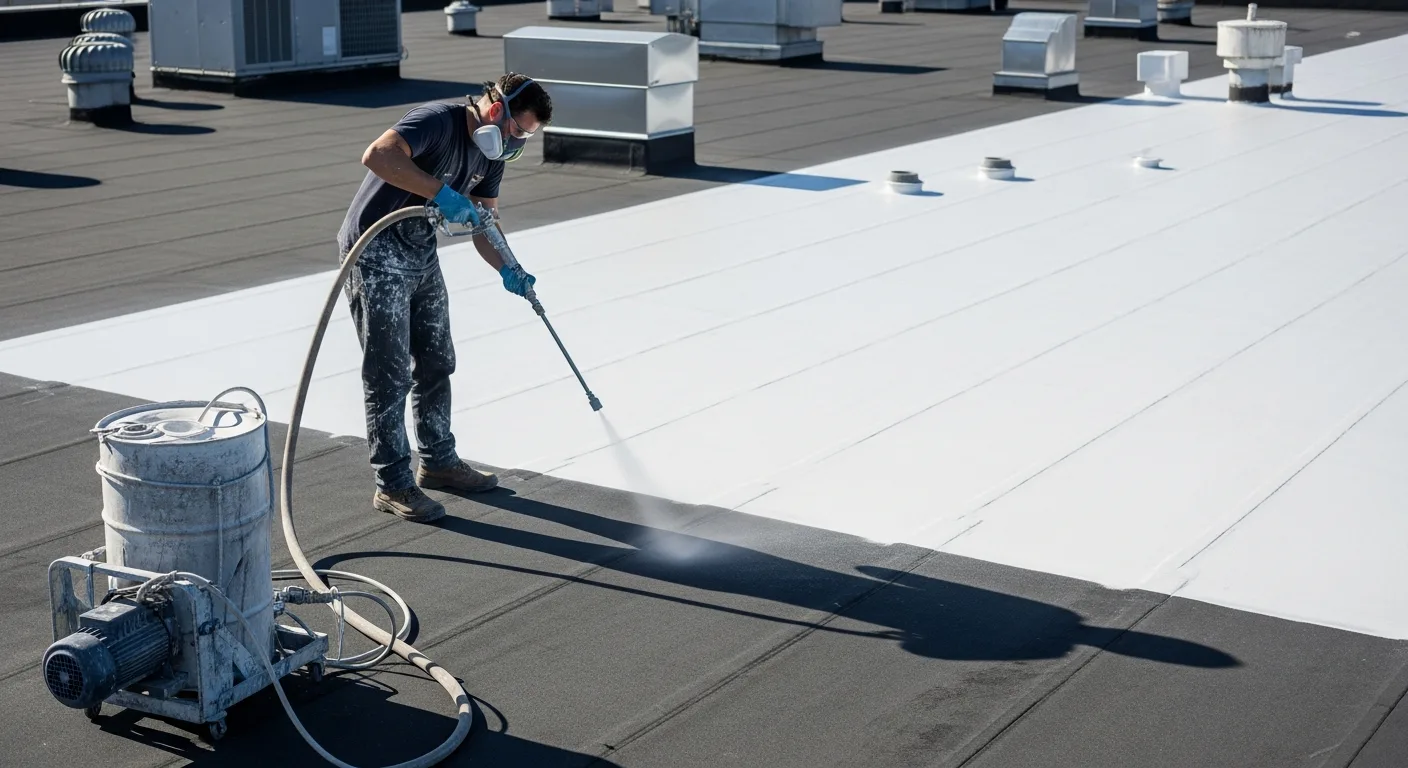
According to ENERGY STAR guidelines, cool roof systems with high thermal reflectivity significantly reduce cooling loads in hot climates like Amarillo's. Quality installations incorporate these energy-efficient materials that cheap quotes typically omit to maintain low pricing.
What to Expect During Professional Roofing Installation
Quality roofing contractors follow systematic processes that cheap operators often skip to reduce labor costs. Pre-installation inspections identify structural issues, ventilation inadequacies, and existing damage that must be addressed before new roofing installation begins.
Proper tear-off procedures include debris protection, structural deck inspection, and necessary repairs using appropriate materials. Cheap contractors often install over existing problems or use substandard decking materials that compromise long-term performance.
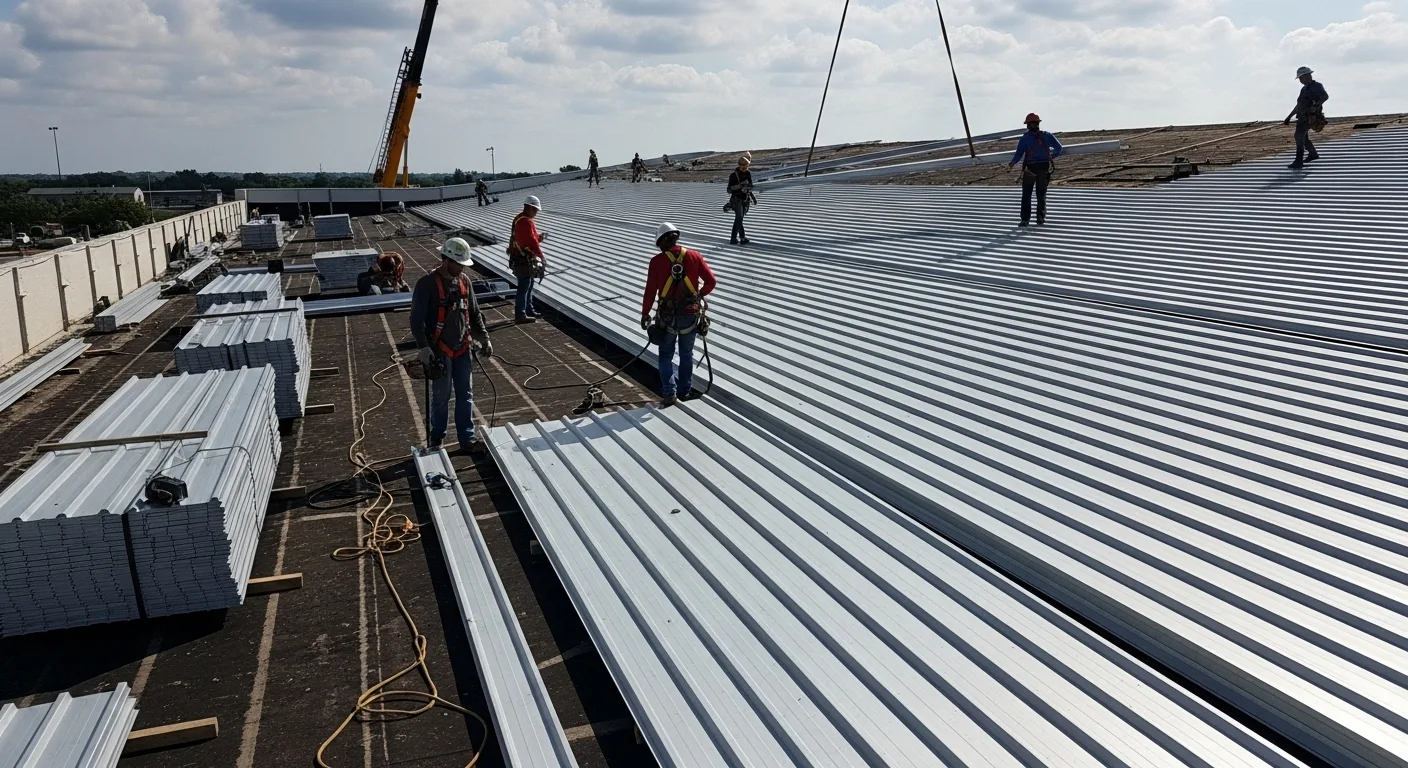
Professional installation includes comprehensive weather barrier systems, proper ventilation design, and meticulous attention to membrane seams and flashing details. These critical components, frequently overlooked in low-bid work, prevent moisture intrusion and ensure warranty compliance.
Quality contractors provide detailed documentation throughout the process, including material certifications, installation photographs, and warranty registration that protects your investment. This documentation becomes invaluable for insurance claims and future maintenance planning.
Timeline expectations vary significantly between quality and cheap installations. Professional contractors schedule work appropriately for weather conditions and material cure requirements, while cheap operators often rush installations regardless of optimal conditions, compromising long-term performance.
Why Choosing the Right Contractor Matters Most
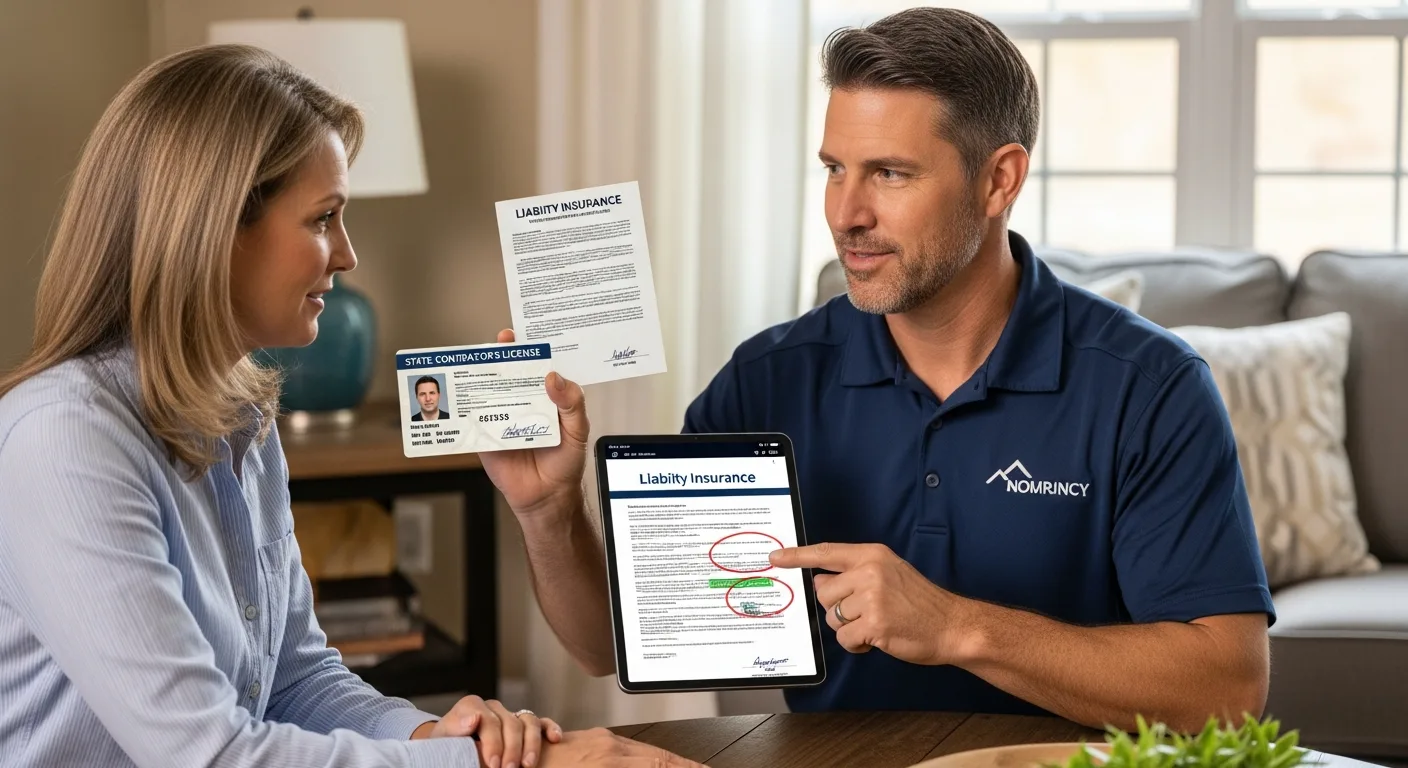
Contractor selection ultimately determines whether your roofing investment provides decades of reliable protection or becomes a source of ongoing problems and expenses. Licensed, bonded, and insured contractors provide legal recourse and financial protection that cheap, uninsured operators cannot offer when problems arise.
Established contractors maintain relationships with quality material suppliers and receive ongoing technical training that ensures proper installation techniques. These partnerships provide access to extended warranties and technical support unavailable to contractors focused solely on low pricing.
Local reputation and longevity matter significantly in roofing work, as you need contractor availability for warranty service and future maintenance throughout your roof's lifespan. Cheap contractors often disappear after project completion, leaving property owners without recourse for installation defects.
Professional contractors carry appropriate insurance coverage, including general liability and workers' compensation, protecting property owners from potential lawsuit exposure. Cheap operators frequently lack adequate coverage, creating significant liability risks for property owners.
Quality contractors also understand local building codes, permit requirements, and inspection processes that ensure legal compliance. Code violations from cheap work can create problems during property sales, insurance claims, or municipal inspections that require expensive correction.
For comprehensive information about quality roofing solutions, see our commercial roofing services page and learn more on our residential roof replacement section to understand the difference professional installation makes.
Don't let cheap roofing quotes become expensive mistakes. CRS Roofing & Construction provides honest, detailed estimates that account for quality materials, professional installation, and long-term performance in Amarillo's challenging climate. Our experienced team helps you understand the true cost of roofing decisions and provides solutions that protect your property investment for decades. Contact us today at (806) 584-5691 for a comprehensive roofing evaluation and discover why quality roofing work costs less over time than bargain alternatives that fail when you need protection most.
The National Severe Storms Laboratory documents that the Texas Panhandle experiences some of the nation's most extreme hail activity, with stones frequently exceeding 2 inches in diameter and impact velocities reaching 100+ mph. Quality roofing systems in this region must meet stringent impact resistance standards, such as UL 2218 Class 4 impact ratings, which cheap installations typically ignore. When contractors skip proper underlayment specifications or use substandard shingles without adequate impact resistance, property owners face repeated storm damage that insurance companies increasingly scrutinize for proper installation practices.
Wind uplift represents another critical factor where cheap roofing fails catastrophically. The National Wind Institute at Texas Tech research demonstrates that Amarillo's geographic position creates unique wind patterns where sustained speeds regularly exceed 40 mph during storm events, with gusts reaching 80+ mph. Professional installations following NRCA best practices incorporate proper fastener patterns, edge securement, and wind-rated materials that resist uplift forces. Bargain contractors frequently use insufficient fasteners, skip critical edge details, or install materials outside manufacturer specifications, creating weak points that fail during high-wind events.
The thermal cycling in our region presents additional challenges that cheap roofing cannot withstand. Summer surface temperatures on dark roofing materials can exceed 160°F, while winter conditions drop below freezing for extended periods. This extreme temperature differential—often 100°F+ swings—causes expansion and contraction that stresses roofing components beyond design limits when proper materials and installation techniques aren't employed. Insurance Institute for Business & Home Safety research confirms that proper material selection, adequate ventilation, and professional installation significantly reduce thermal stress failures that plague cheap roofing systems.
Code compliance represents another area where low-bid contractors create long-term liability. Current International Building Code requirements mandate specific R-values, fire ratings, and structural attachments that cheap installations often ignore to maintain profit margins. When city inspectors or insurance adjusters discover code violations, property owners face expensive remediation work, potential coverage denials, and liability issues that far exceed the initial savings from accepting the lowest bid.