Your commercial roofing investment could be headed for disaster if you're not reviewing manufacturer data sheets before system selection. In the Texas Panhandle, where extreme temperature swings, relentless UV exposure, and severe hail events test every building envelope component, choosing roofing materials without understanding their technical specifications is a costly gamble. Business owners who skip this critical due diligence face premature system failures, voided warranties, and emergency repairs that could have been prevented. When your roof fails unexpectedly, you're not just looking at repair costs—you're facing business interruption, inventory damage, and potential liability issues that multiply your losses exponentially.
When Manufacturer Data Sheet Review Requires Professional Attention
The complexity of modern commercial roofing systems demands expert interpretation of manufacturer data sheets. While basic specifications might seem straightforward, understanding how thermal reflectivity values translate to energy savings, or how wind uplift ratings correlate with your building's exposure category, requires specialized knowledge. Professional evaluation becomes essential when you're dealing with multi-layered membrane systems, where compatibility between components affects long-term performance.
In Amarillo's climate, specific data points become critical decision factors. Wind uplift resistance ratings must align with the Texas Panhandle's frequent high-wind events, while thermal cycling performance data indicates how well materials will handle our extreme temperature variations—from sub-zero winter conditions to summer temperatures exceeding 100°F. Fire ratings, puncture resistance, and UV stability measurements directly impact your system's lifecycle cost analysis and insurance premiums.
According to the National Roofing Contractors Association, improper material selection based on incomplete data review contributes to nearly 40% of premature commercial roof failures. When moisture intrusion occurs due to inadequate membrane specifications or improper seam technology, the resulting damage extends far beyond the roofing system itself.
Key Decision Factors: Performance Data vs. Initial Cost
Smart business owners recognize that manufacturer data sheets reveal the true cost of roofing ownership. Initial material costs represent only 20-25% of total lifecycle expenses, making performance specifications far more important than purchase price. Energy efficiency data, including R-value and thermal reflectivity measurements, directly impact your building's operational costs for decades.
For Texas Panhandle applications, prioritize these critical data sheet elements: impact resistance ratings for hail protection, membrane thickness and reinforcement specifications for durability, and thermal expansion coefficients that indicate dimensional stability. Wind uplift values must exceed local code requirements—in Amarillo's Wind Zone II classification, this means systems rated for pressures significantly above minimum standards.
Warranty terms within manufacturer data sheets often contain exclusions that affect your long-term protection. Material-only warranties differ substantially from system warranties, and installation requirements detailed in technical data can void coverage if not followed precisely. Professional contractors understand these nuances and can identify potential warranty conflicts before they become expensive problems.
Consider the ROI implications: a roofing system with superior performance data might cost 15% more initially but deliver 30% energy savings and twice the service life. Over a 20-year analysis period, the higher-performing system typically provides substantial cost advantages while reducing business risk.
Material and System Recommendations Based on Technical Data
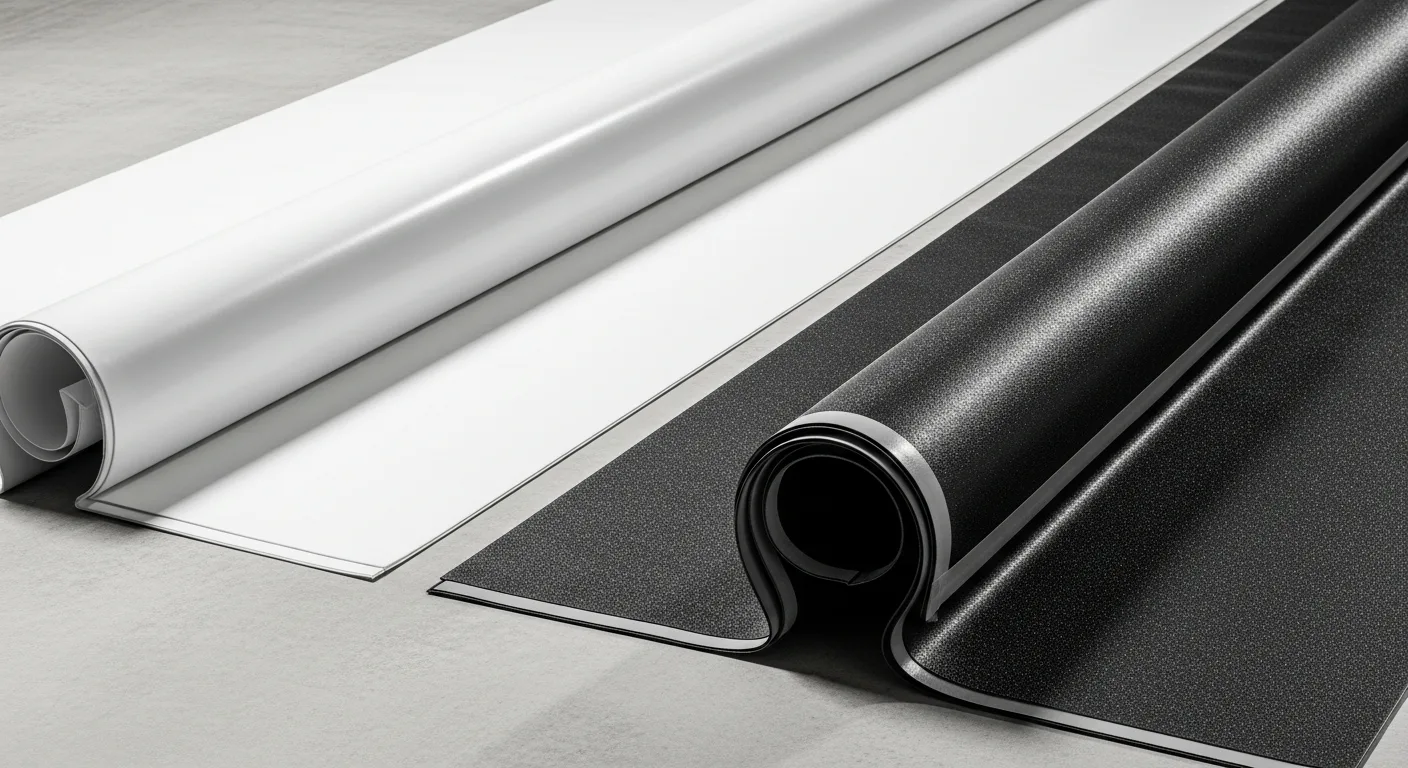
For Amarillo's demanding climate conditions, manufacturer data sheets should guide you toward specific system types proven in similar environments. Single-ply membrane systems like TPO and EPDM offer excellent performance when their technical specifications align with local requirements. TPO systems with high thermal reflectivity ratings reduce cooling loads significantly, while EPDM's thermal cycling performance excels in temperature-variable climates.
Modified bitumen systems provide exceptional wind uplift resistance when data sheets confirm proper adhesive specifications and application temperatures. For buildings requiring superior impact resistance, look for systems with UL 2218 Class 4 ratings—the highest hail resistance classification available.
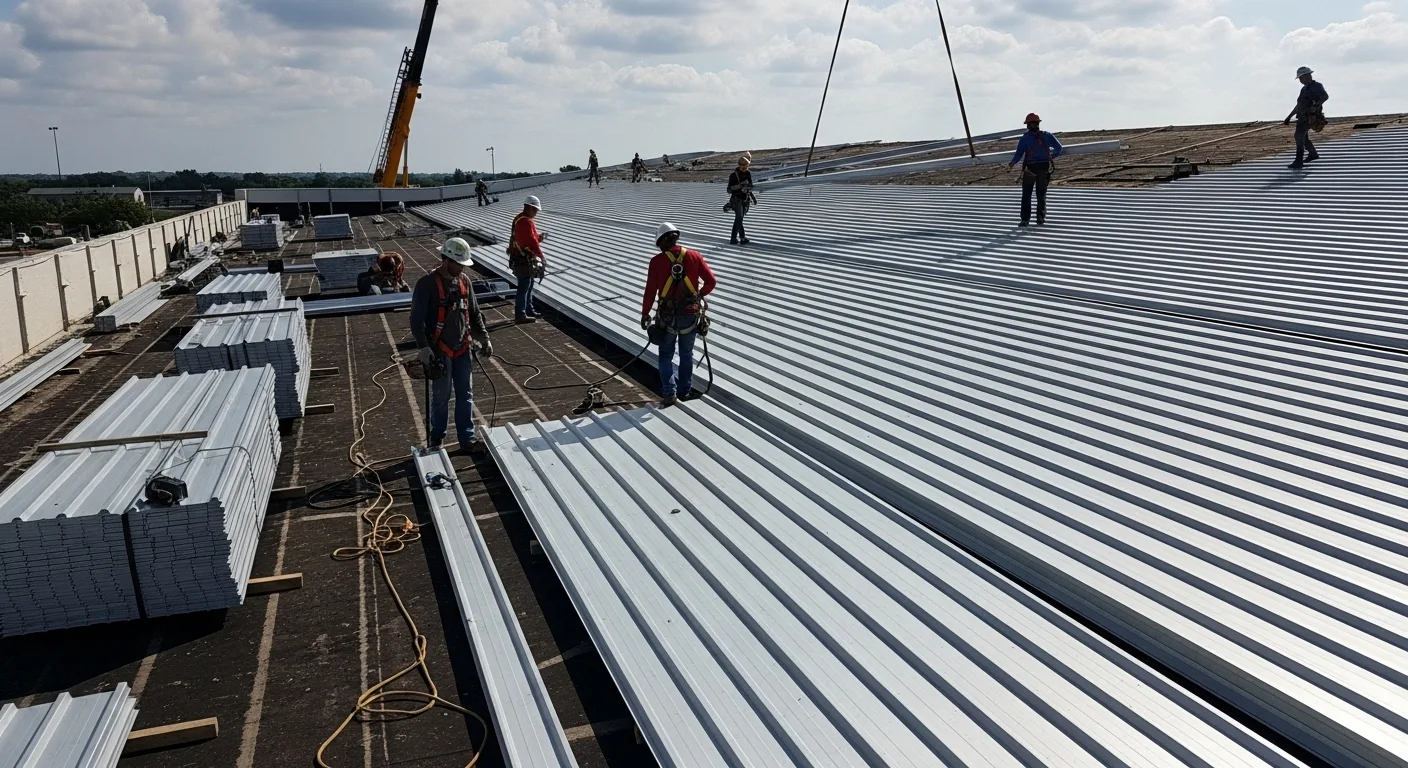
Metal roofing systems offer compelling advantages when manufacturer data confirms appropriate gauge thickness, coating specifications, and thermal expansion accommodation. Standing seam profiles with thermal barriers reduce energy transfer while providing decades of maintenance-free service.
Built-up roofing systems remain viable for specific applications, particularly when data sheets document proven performance in high-temperature environments. Multi-ply construction provides redundancy that single-membrane systems cannot match, making them ideal for critical facility applications.
Our commercial roofing services page provides detailed information about how we evaluate and recommend systems based on comprehensive manufacturer data analysis tailored to your specific building requirements and operational needs.
What to Expect During the Professional Evaluation Process
Professional roofing contractors begin with comprehensive building assessments that inform manufacturer data sheet evaluation. Structural load calculations, existing condition surveys, and building envelope analysis provide the context needed to interpret technical specifications accurately. This process typically requires 2-3 days for thorough evaluation of complex commercial buildings.
During manufacturer data review, expect detailed discussions about performance trade-offs and long-term implications. Professional contractors can explain how different specifications affect installation requirements, maintenance schedules, and lifecycle costs. They'll identify potential compatibility issues between existing building components and proposed roofing systems.
The evaluation process includes code compliance verification using current manufacturer data. Texas building codes continue evolving, and only current technical documentation ensures compliance with latest requirements. Insurance carrier requirements also factor into system selection, as many insurers offer premium discounts for systems meeting specific performance criteria.
Expect comprehensive proposals that reference specific manufacturer data points supporting system recommendations. Professional contractors provide detailed cost analyses showing initial investment, projected energy savings, maintenance requirements, and expected service life based on documented performance data.
Why Choosing the Right Contractor Matters for Data Sheet Analysis
Not all roofing contractors possess the technical expertise required for proper manufacturer data sheet interpretation. Professional evaluation requires understanding of building science principles, local climate factors, and long-term performance implications that extend far beyond basic installation skills.
Experienced contractors maintain relationships with manufacturer technical representatives who provide application-specific guidance and performance data interpretation. They understand how laboratory test results translate to real-world performance in Texas Panhandle conditions and can identify potential issues before they impact your building.
Professional contractors also provide ongoing support throughout the material selection and installation process. They coordinate with manufacturers to ensure proper material handling, storage, and application procedures that maintain warranty coverage. Post-installation inspections verify that system performance matches manufacturer specifications.
The Insurance Institute for Business & Home Safety emphasizes that proper contractor selection significantly impacts commercial roofing system performance and longevity. Contractors who thoroughly understand manufacturer data provide better long-term value and reduced business risk.
Working with local contractors familiar with Amarillo's specific climate challenges ensures that manufacturer data sheet analysis considers regional performance factors. They understand how local weather patterns, seasonal variations, and environmental conditions affect different roofing system specifications.
Don't gamble with your commercial roofing investment by selecting systems without proper manufacturer data sheet analysis. Contact CRS Roofing & Construction today for comprehensive evaluation services that ensure optimal system performance and long-term value. Our experienced team provides thorough manufacturer data review, professional recommendations based on your specific requirements, and expert installation that maintains warranty protection. Schedule your consultation now to protect your business with informed roofing decisions backed by solid technical data and proven local expertise.
Understanding specific technical specifications becomes paramount when selecting roofing systems for the Texas Panhandle's demanding environment. NOAA weather data confirms that Amarillo experiences temperature swings exceeding 100°F annually, from sub-zero winter conditions to summer highs above 100°F. This extreme thermal cycling requires careful evaluation of membrane expansion coefficients, seam integrity ratings, and thermal shock resistance values found in manufacturer data sheets. Commercial property owners must pay particular attention to substrate compatibility charts, especially when retrofitting existing structures where thermal bridging and differential expansion rates can compromise system performance.
Wind uplift ratings deserve special scrutiny in our region, where National Wind Institute research documents sustained winds regularly exceeding 60 mph during spring storm events. Manufacturer data sheets specify FM-4470 uplift classifications, but understanding how these ratings correlate with your building's height, roof area, and surrounding terrain requires professional analysis. For instance, TPO systems from manufacturers like Carlisle SynTec may show identical thickness specifications but vastly different wind performance ratings based on attachment methods and seaming technologies detailed in their technical documentation.
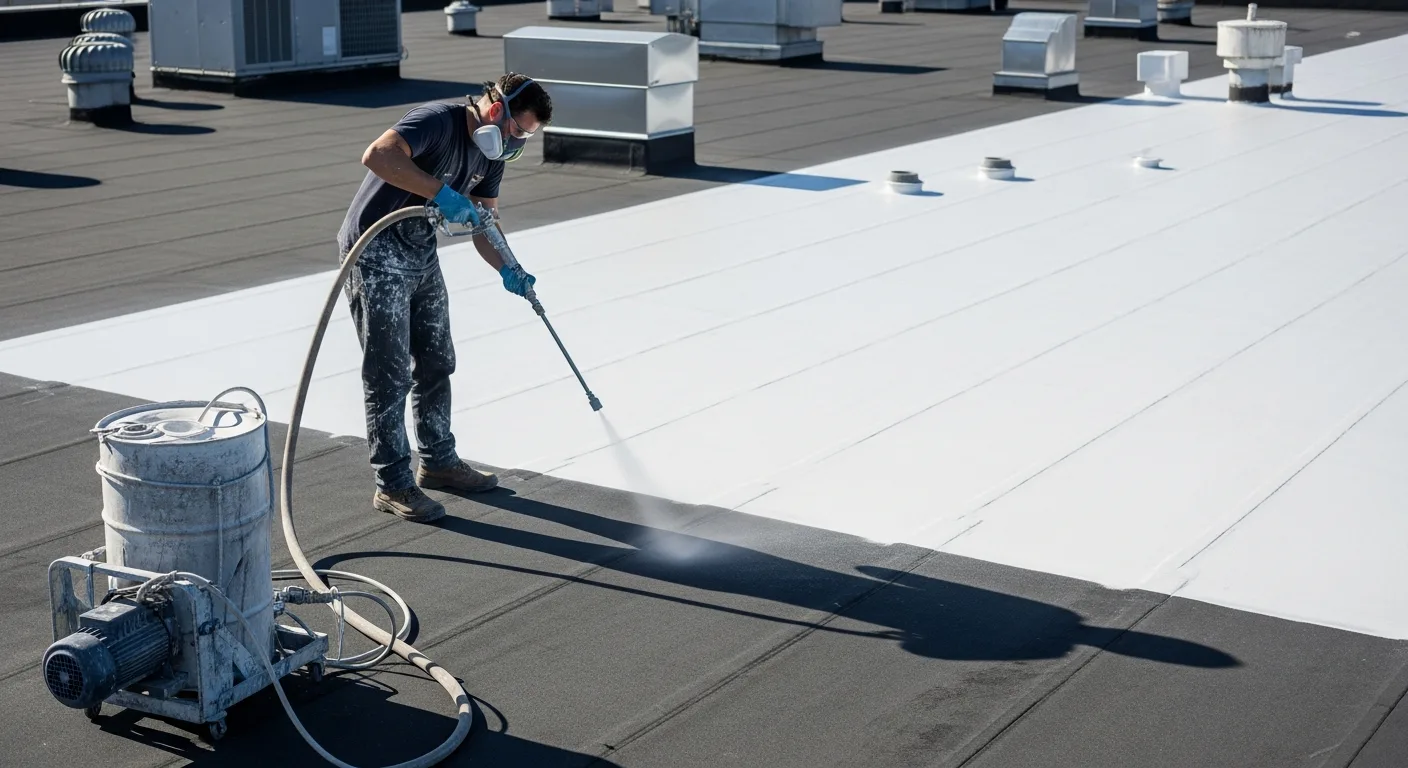
Energy efficiency specifications in manufacturer data sheets directly impact operational costs in our climate zone. Department of Energy studies indicate that cool roof technologies can reduce commercial cooling costs by 10-15% in hot climates like ours. However, solar reflectance index (SRI) values and thermal emittance ratings must be evaluated against local utility rate structures and building usage patterns. Single-ply membrane systems may show similar reflectivity values initially, but manufacturer data on dirt retention and reflectance degradation over time reveals significant long-term performance differences that affect total cost of ownership.
Hail impact resistance specifications require careful interpretation given our region's severe weather patterns. Insurance Institute for Business & Home Safety testing provides standardized impact ratings, but manufacturer data sheets often include additional proprietary testing results that better predict real-world performance. Understanding the difference between UL 2218 Class 4 impact ratings and manufacturer-specific puncture resistance values helps business owners make informed decisions about insurance premium reductions and long-term durability expectations.
Code compliance verification through manufacturer data sheets ensures projects meet International Building Code requirements specific to Texas adoption standards. Fire ratings, vapor permeability specifications, and structural loading capacities must align with local code interpretations and building department requirements. Professional contractors can identify potential compliance issues before installation, preventing costly retrofits and ensuring warranty coverage remains intact throughout the system's service life.