Your commercial property's roof represents one of your largest capital investments, yet many business owners delay critical roofing decisions until emergency repairs become unavoidable. In the Texas Panhandle's extreme climate—where hail storms can devastate conventional roofing systems overnight and energy costs soar during brutal summer months—choosing the wrong roofing system can cost your business tens of thousands in unexpected repairs, operational disruptions, and inflated utility bills. Metal roofing systems offer compelling advantages, but understanding precisely when they make financial sense requires careful analysis of your building's specific needs, operational requirements, and long-term investment goals.
When Metal Roofing Requires Immediate Professional Evaluation
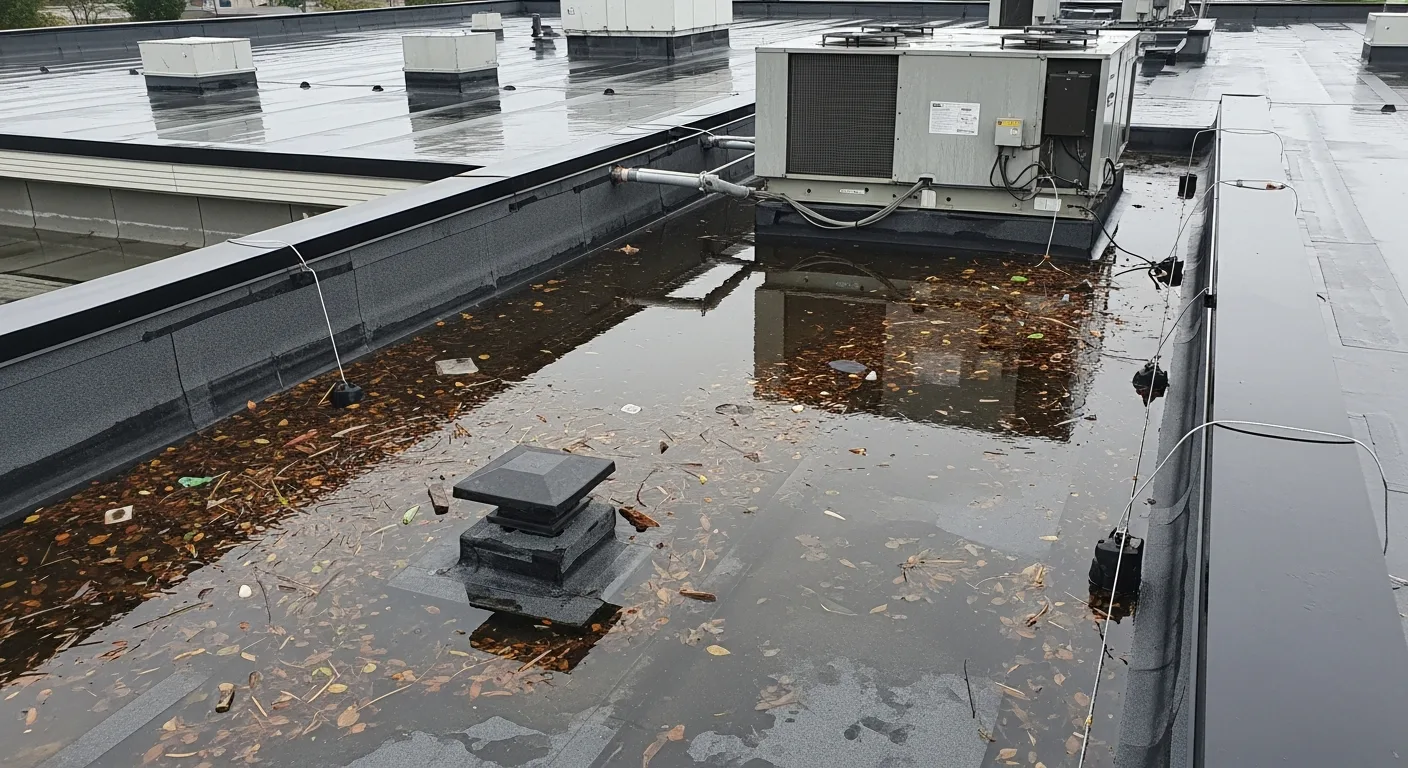
Several critical scenarios demand immediate consultation with metal roofing specialists to avoid costly delays and missed opportunities. If your existing roof shows signs of membrane degradation, frequent moisture intrusion, or repeated hail damage repairs, delaying metal roof evaluation exposes your business to catastrophic failure during the next severe weather event.
Properties with high energy consumption from HVAC systems operating against poor thermal performance should prioritize metal roofing assessment immediately. The Texas Panhandle's extreme temperature swings—from scorching 100°F+ summers to sub-freezing winters—create tremendous thermal stress on building envelopes. Metal roofing systems with superior thermal reflectivity can reduce cooling loads by 10-25%, generating substantial operational savings that justify investment costs within 7-10 years.
Manufacturing facilities, warehouses, and agricultural operations face unique considerations. These properties often feature large roof areas where wind uplift forces during Texas thunderstorms can cause catastrophic damage to inadequately secured roofing systems. Metal roofing's superior wind resistance and structural integrity make it essential for protecting valuable equipment, inventory, and ensuring business continuity.
Insurance considerations also create urgency. Many commercial property insurers now offer significant premium reductions for impact-resistant metal roofing systems, particularly in hail-prone regions like the Texas Panhandle. These savings, combined with reduced claim frequency, can offset a substantial portion of installation costs over the roof's lifecycle.
Key Decision Factors for Commercial Metal Roofing Investment
The metal roofing decision hinges on comprehensive lifecycle cost analysis rather than initial investment alone. While metal roofing systems typically cost 15-30% more initially than conventional alternatives, their 40-60 year service life and minimal maintenance requirements often deliver superior return on investment.
Energy efficiency represents a crucial decision factor. According to the U.S. Department of Energy, cool metal roofing systems can reduce peak cooling demand by 10-15% compared to conventional roofing. For large commercial facilities in Amarillo's climate, this translates to annual savings of $0.50-$1.50 per square foot, making energy performance a primary investment justification.
Timeline considerations prove critical for business operations. Metal roofing installation typically requires 2-4 weeks for most commercial projects, compared to 4-8 weeks for complex built-up membrane systems. However, weather delays during Texas storm season can extend any roofing project. Businesses planning major roofing investments should schedule installations during optimal weather windows—typically late fall through early spring—to minimize operational disruptions.
Structural capacity analysis determines feasibility and costs. Most existing commercial buildings can accommodate metal roofing systems, but older structures may require structural reinforcement. Professional structural evaluation identifies these requirements early, preventing costly surprises and delays. Properties with adequate structural capacity can often install metal roofing directly over existing systems, reducing disposal costs and installation time.
Metal Roofing System Recommendations for Texas Commercial Properties
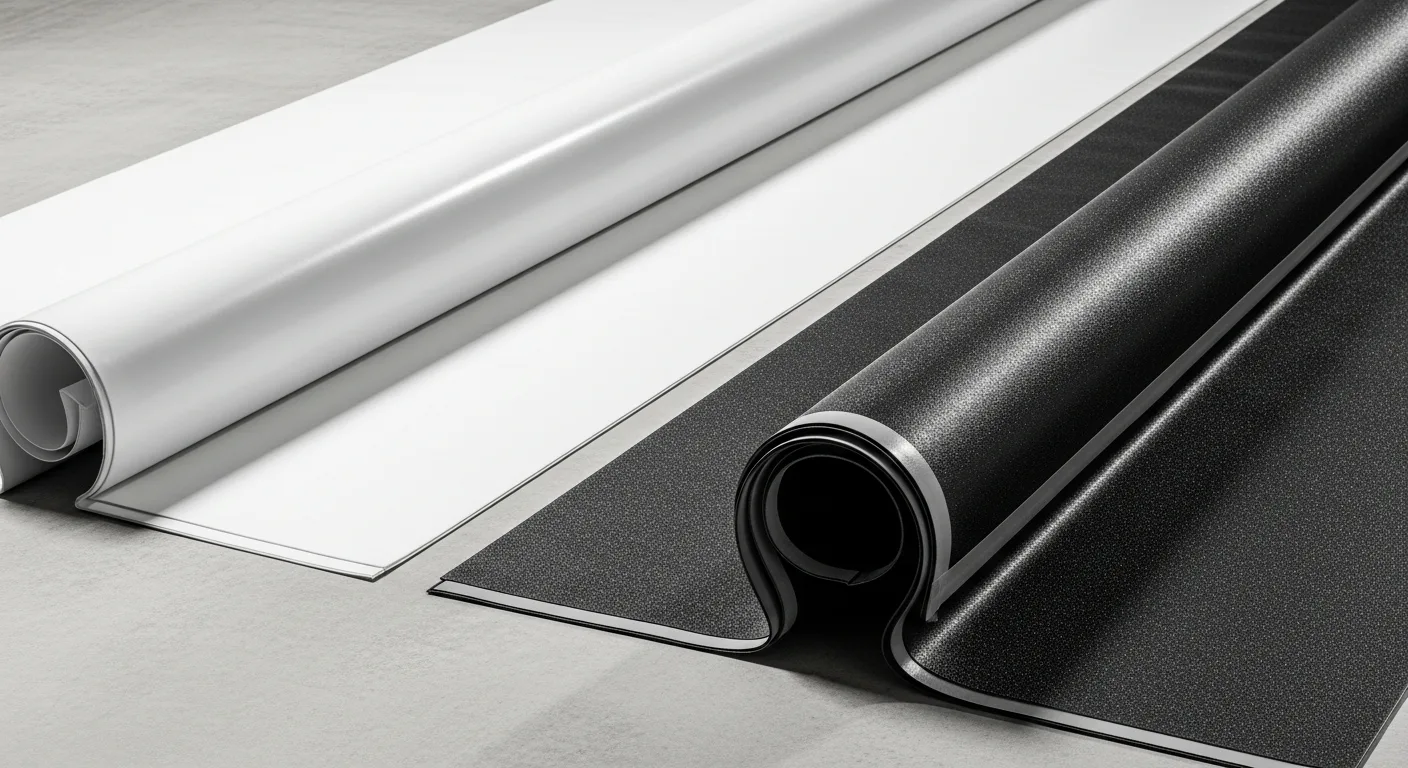
Standing seam metal roofing systems deliver optimal performance for most Texas Panhandle commercial applications. These systems feature concealed fasteners that eliminate thermal bridging and provide superior weather resistance. The continuous seam design creates exceptional resistance to wind uplift forces—critical for properties exposed to severe thunderstorms and tornadoes.
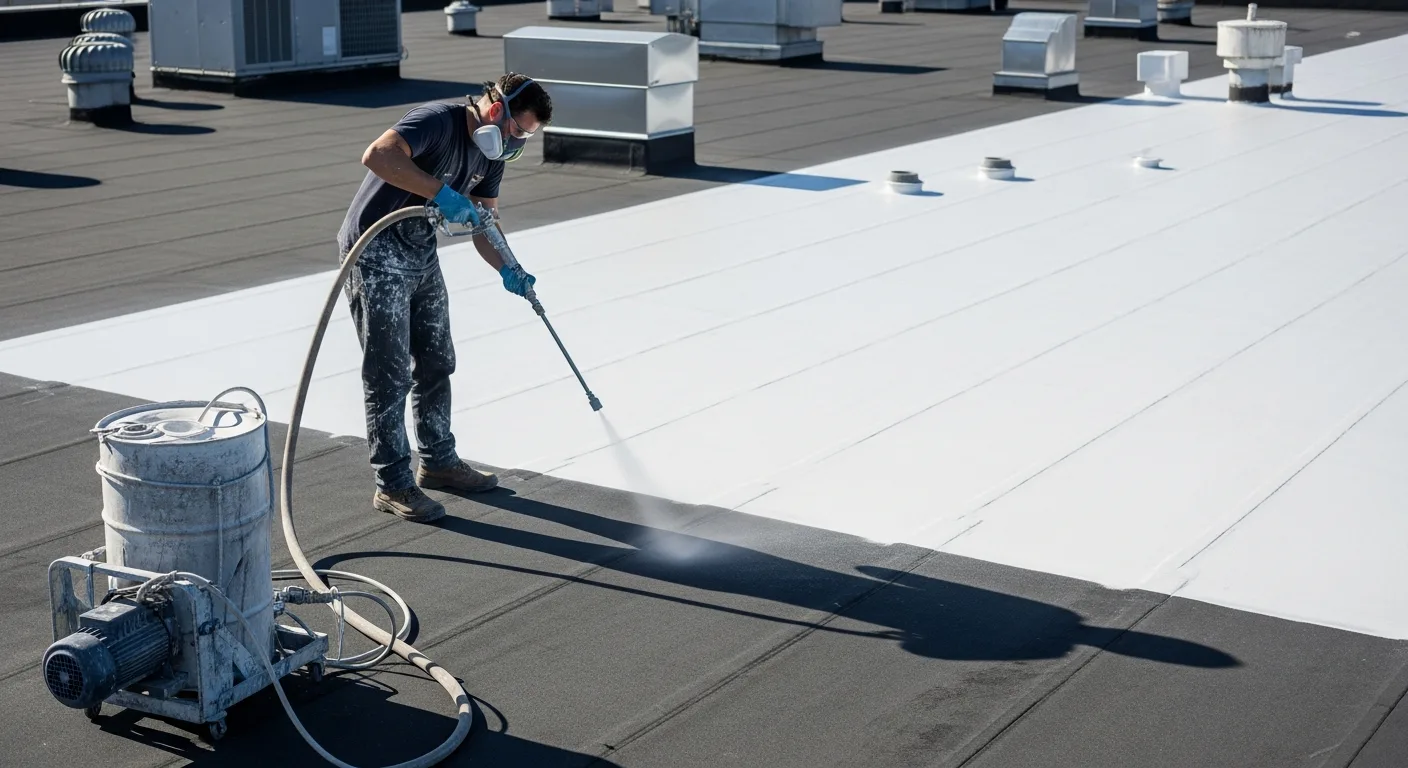
Cool roof coatings with high solar reflectance indices (SRI) prove essential in Texas heat. Systems certified by the Cool Roof Rating Council with reflectance values above 0.70 and thermal emittance above 0.80 maximize energy savings. These coatings can reduce roof surface temperatures by 30-50°F compared to conventional systems, dramatically reducing cooling loads.
For facilities requiring enhanced insulation performance, metal roofing systems with integrated polyisocyanurate insulation provide superior R-values while maintaining structural integrity. These systems address thermal bridging concerns common with conventional metal roofing, ensuring consistent building envelope performance.
Specific material selection depends on environmental exposure. Coastal areas within 10 miles of salt air require aluminum or specialty-coated steel systems to resist corrosion. Inland properties can utilize galvanized steel systems with appropriate coating warranties. Kynar 500® or similar fluoropolymer coatings provide 20-30 year fade and chalk warranties essential for maintaining property aesthetics and resale value.
What to Expect During the Metal Roofing Installation Process
Professional metal roofing installation begins with comprehensive structural assessment and engineering analysis. This phase typically requires 1-2 weeks and determines load requirements, attachment specifications, and any necessary structural modifications. Proper engineering prevents future failures and ensures warranty compliance.
Pre-installation preparation involves coordinating with building operations to minimize business disruptions. Experienced contractors develop detailed protection plans for sensitive equipment, inventory, and work areas. This planning phase proves critical for manufacturing facilities and healthcare properties where operational continuity cannot be compromised.
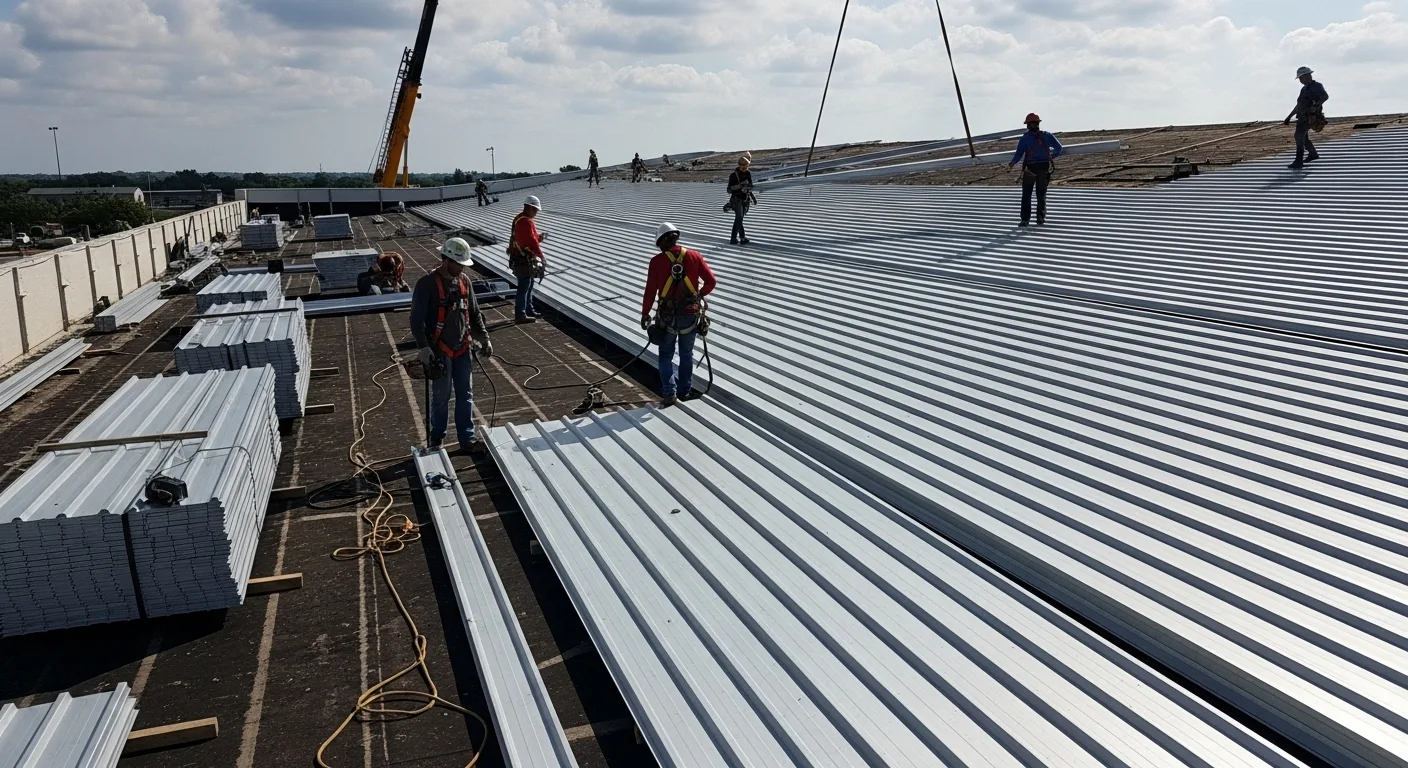
Installation proceeds systematically, beginning with substrate preparation and insulation installation. Quality contractors maintain strict membrane seam integrity and fastener spacing according to manufacturer specifications and local wind load requirements. Proper installation typically progresses at 2,000-4,000 square feet per day, depending on system complexity and weather conditions.
Post-installation inspection and testing verify system performance before project completion. This includes leak testing, fastener torque verification, and thermal imaging to identify potential issues. Comprehensive documentation provides warranty protection and baseline data for future maintenance programs.
Why Choosing the Right Commercial Roofing Contractor Matters
Metal roofing system performance depends entirely on proper installation, making contractor selection your most critical decision. Inadequately installed systems fail prematurely, voiding warranties and creating massive liability exposure. Texas weather provides no forgiveness for installation defects—a single severe storm can expose poor workmanship catastrophically.
Contractor licensing and insurance requirements vary by project scope and jurisdiction. Commercial projects require contractors with appropriate commercial general liability coverage, typically $2-5 million per occurrence. Workers' compensation insurance protects property owners from liability exposure during installation. Verify coverage adequacy before allowing work to commence.
Manufacturer certifications ensure installers understand system requirements and warranty obligations. Major manufacturers like Carlisle SynTec and Firestone Building Products maintain rigorous certification programs that validate contractor competency. Certified contractors provide enhanced warranty protection and technical support throughout the roof's service life.
Local experience proves invaluable for Texas Panhandle projects. Contractors familiar with regional weather patterns, building codes, and permit requirements complete projects more efficiently while avoiding costly delays. Our extensive experience with commercial roofing services throughout the Amarillo region ensures your project proceeds smoothly from initial assessment through final warranty documentation.
Quality contractors provide comprehensive maintenance programs that protect your investment long-term. Professional maintenance extends roof life, maintains warranty coverage, and identifies potential issues before they become expensive problems. Regular inspection and preventive maintenance can double the effective service life of commercial roofing systems.
Don't let another harsh Texas season threaten your business operations and bottom line. Schedule your comprehensive metal roofing evaluation today to discover how modern metal roofing systems can protect your investment, reduce operational costs, and provide decades of worry-free performance. Our certified commercial roofing specialists will conduct a thorough assessment of your property's specific needs and provide detailed cost-benefit analysis to guide your decision. Contact CRS Roofing & Construction now to secure your consultation and take the first step toward long-term roof performance and peace of mind. Your business deserves the protection and efficiency that only properly installed metal roofing can provide—and every day you delay increases your exposure to costly weather damage and operational disruptions.
The Texas Panhandle's unique climate demands specific metal roofing specifications that meet rigorous wind and hail resistance standards. According to National Weather Service data, the region experiences some of the nation's most severe hailstorms, with hail diameters exceeding 2 inches occurring multiple times annually. Standing seam metal roofing systems from manufacturers like McElroy Metal offer superior impact resistance ratings, often achieving UL 2218 Class 4 impact ratings that can significantly reduce insurance premiums for commercial properties.
Energy efficiency considerations become paramount in the Texas Panhandle's extreme temperature variations. The U.S. Department of Energy recommends cool roof systems with high solar reflectance and thermal emittance values for commercial buildings in hot climates. Metal roofing systems with specialized reflective coatings can achieve solar reflectance values exceeding 0.70, dramatically reducing cooling loads during summer months when temperatures routinely exceed 100°F. These systems work in conjunction with proper insulation to create thermal barriers that can reduce HVAC operating costs by 15-25% annually.
Wind resistance becomes critical given the region's exposure to severe thunderstorms and occasional tornadoes. Commercial metal roofing systems must comply with International Building Code wind load requirements, which in the Texas Panhandle typically mandate designs capable of withstanding wind speeds of 90-110 mph. Standing seam systems provide superior wind uplift resistance compared to traditional roofing materials, with properly installed systems achieving uplift ratings exceeding 300 pounds per square foot.
The National Roofing Contractors Association emphasizes that metal roof installation requires specialized expertise, particularly in seaming techniques and thermal expansion accommodation. Improper installation can void manufacturer warranties and compromise performance during extreme weather events. Professional evaluation should include analysis of existing structural capacity, as metal roofing systems typically weigh 1-3 pounds per square foot compared to 2-4 pounds for conventional built-up systems, potentially allowing retrofit installations without structural modifications.