Property managers in the Texas Panhandle face unique roofing challenges that can devastate operating budgets and tenant satisfaction if not addressed properly. With Amarillo's extreme temperature swings, severe hail events, and relentless wind uplift forces, choosing the wrong roofing contractor can result in premature system failure, costly emergency repairs, and potential liability issues. The consequence of delaying this critical decision or selecting an unqualified contractor extends far beyond immediate repair costs—it impacts your entire building envelope's integrity, energy efficiency, and long-term asset value.
When Roofing Issues Require Professional Contractor Evaluation
Property managers must recognize the warning signs that indicate immediate professional intervention. Moisture intrusion through compromised membrane seams, visible ponding water after storms, or granule loss from hail impact requires expert assessment within 48-72 hours. The Texas Panhandle's climate creates a narrow window for effective intervention—summer temperatures exceeding 100°F accelerate deterioration, while winter freeze-thaw cycles can turn minor membrane damage into catastrophic building envelope failure.
Interior water damage, energy bill increases indicating compromised thermal reflectivity, or tenant complaints about temperature control signal that your roofing system's R-value performance has been compromised. These issues compound rapidly in Amarillo's climate, where extreme heat creates thermal stress that can cause existing damage to expand exponentially. According to the Insurance Institute for Business & Home Safety, delayed roof repairs cost property owners 300-500% more than immediate professional intervention.
Insurance claims related to hail or wind damage create additional urgency. Texas property insurance policies often include strict reporting timeframes, and choosing an unqualified contractor can void coverage or result in claim denials. Professional documentation and proper installation methods become critical for both immediate repairs and future insurability.
Key Decision Factors Every Property Manager Must Evaluate
The repair versus replacement decision significantly impacts your property's lifecycle cost analysis and operational efficiency. A qualified roofing contractor should provide comprehensive building envelope assessment, not just surface-level recommendations. In the Texas Panhandle, partial repairs often fail within 12-18 months due to thermal expansion stress and UV degradation, making strategic replacement the more cost-effective long-term solution.
Timeline considerations become critical during peak weather seasons. Amarillo's hail season typically runs March through June, creating high contractor demand and material shortages. Properties requiring immediate attention should prioritize contractors with proven emergency response capabilities and established material supplier relationships. Delayed repairs during this period can result in secondary damage that multiplies repair costs and extends tenant disruption.
Budget planning must account for both immediate costs and long-term operational savings. Energy-efficient roofing systems with high thermal reflectivity can reduce cooling costs by 15-30% in Texas Panhandle climates, providing measurable ROI within 3-5 years. However, these benefits only materialize with proper installation by certified contractors who understand membrane compatibility, fastening patterns, and vapor barrier integration.
Warranty coverage varies dramatically between contractors and directly impacts your asset's protection. Manufacturer warranties require certified installer participation, while contractor workmanship warranties should cover both materials and labor for minimum 5-year periods. Properties with compromised warranty coverage face significantly higher long-term maintenance costs and reduced asset values.
Material and System Recommendations for Texas Panhandle Properties
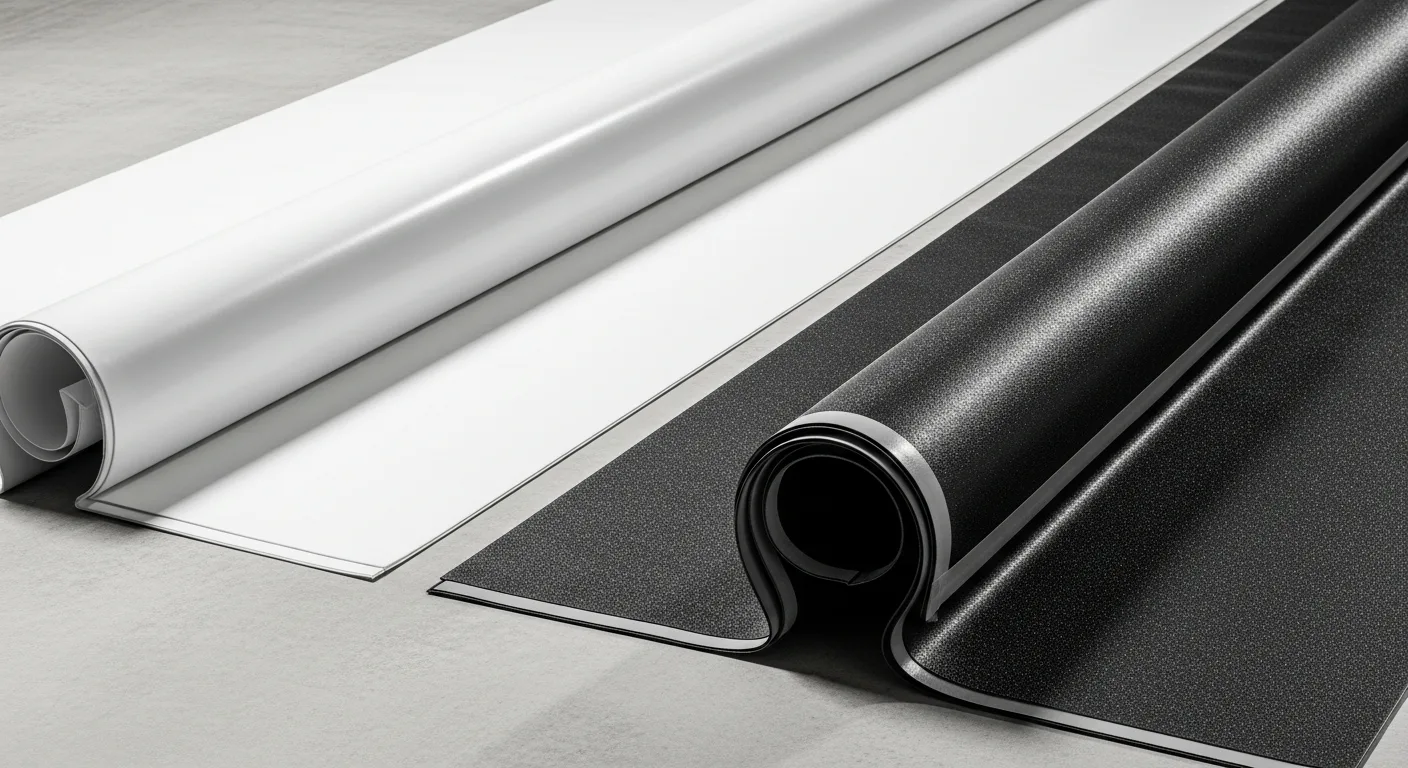
Commercial properties in Amarillo require roofing systems specifically engineered for high wind uplift, extreme temperature variations, and frequent hail impact. Modified bitumen and TPO membrane systems provide excellent performance when properly installed with adequate insulation and proper drainage design. Single-ply EPDM systems offer superior puncture resistance for properties with frequent rooftop maintenance access.
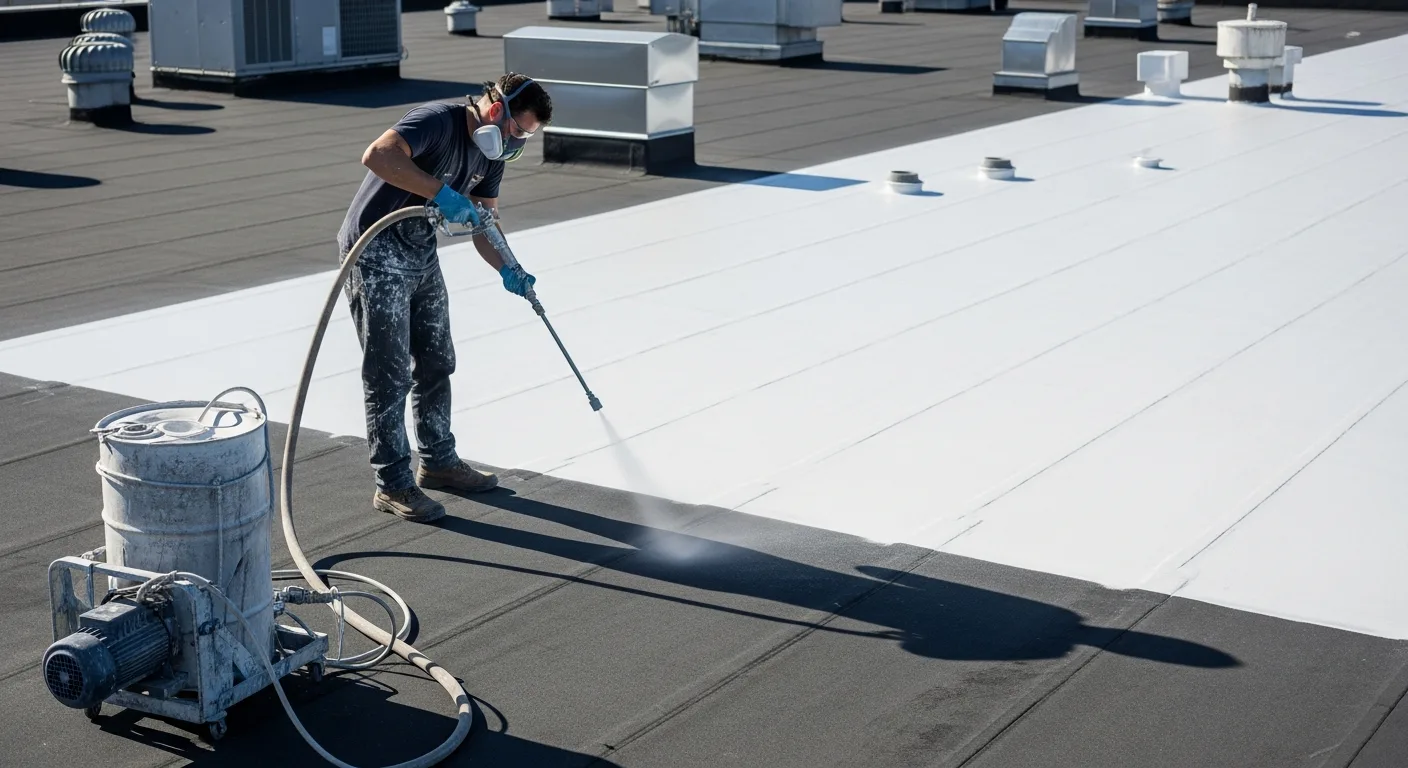
Thermal reflectivity becomes crucial for operating cost management. Energy Star qualified roofing products reduce surface temperatures by 50-80°F compared to traditional materials, directly impacting HVAC system efficiency and tenant comfort. Cool roof technologies provide immediate energy savings while extending system lifespan by reducing thermal stress cycles.
Wind uplift ratings must match local building code requirements and insurance specifications. Texas Panhandle properties typically require systems rated for 120+ mph wind speeds, with enhanced perimeter and corner fastening patterns. Membrane attachment methods, insulation securement, and flashing details require specialized expertise to meet performance standards under extreme conditions.
Hail resistance ratings directly impact insurance premiums and claim frequency. Class 4 impact-resistant materials provide measurable premium discounts while reducing maintenance costs. However, these benefits require proper installation techniques and regular professional maintenance to maintain performance characteristics.
What Property Managers Should Expect During Professional Installation
Pre-construction planning should include comprehensive building envelope assessment, permit acquisition, and tenant communication strategies. Qualified contractors provide detailed project schedules with weather contingency plans, material delivery coordination, and daily progress reporting. This planning phase typically requires 2-3 weeks but prevents costly delays and ensures regulatory compliance.
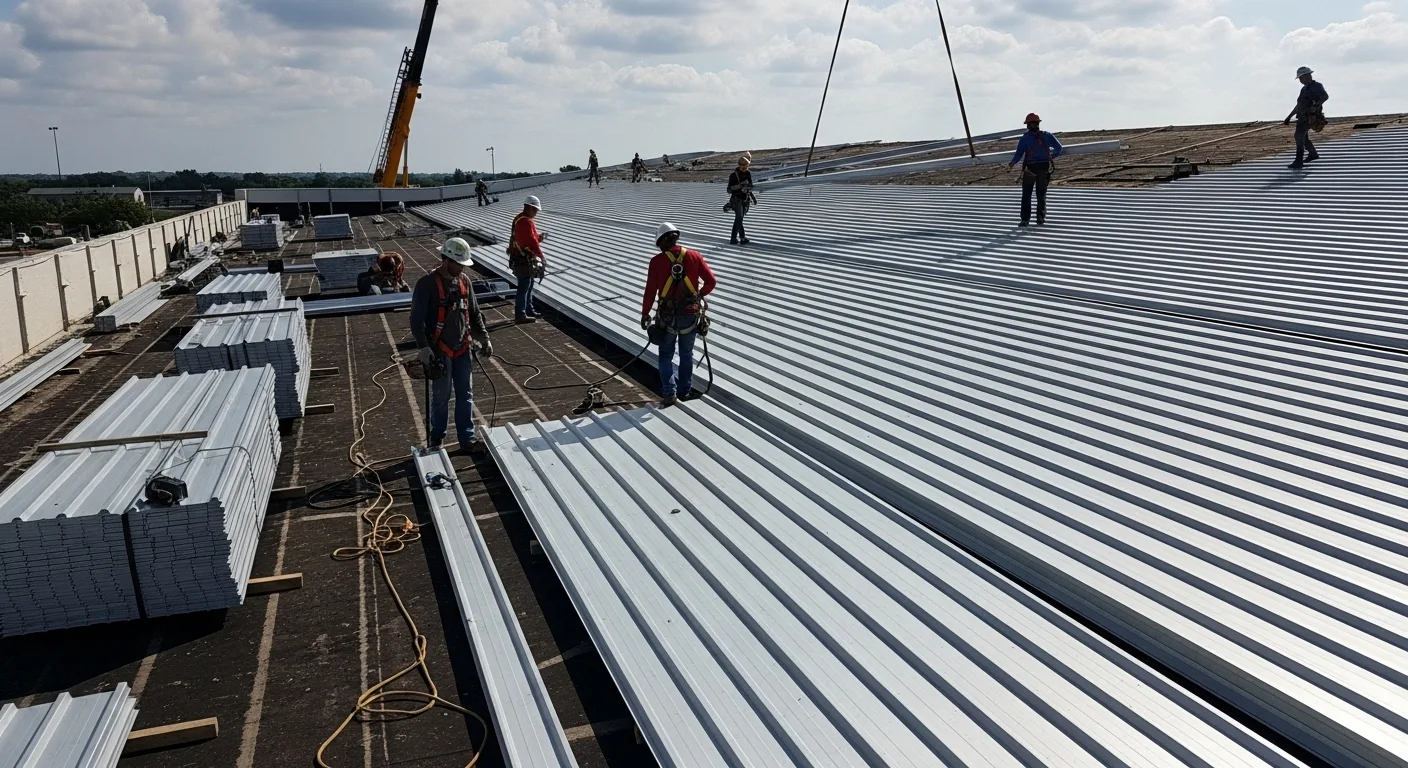
Installation procedures must follow manufacturer specifications and local building codes precisely. Membrane seam welding, insulation placement, and flashing integration require specialized equipment and certified technicians. Daily quality control inspections should document progress and identify potential issues before they impact system performance. Property managers should expect regular communication and photo documentation of critical installation phases.
Weather monitoring becomes essential during installation periods. Texas Panhandle weather changes rapidly, and professional contractors maintain constant weather surveillance to protect exposed building areas. Emergency covering procedures and temporary weatherproofing should be standard protocol for multi-day projects.
Final inspection and documentation provide essential warranty activation and future maintenance guidance. Comprehensive photo documentation, warranty certificates, and maintenance schedules ensure long-term system performance and protect your investment. This documentation becomes critical for insurance claims and future contractor selection.
Why Contractor Selection Determines Long-Term Success
Local expertise provides irreplaceable value in the Texas Panhandle's challenging climate. Contractors with established Amarillo operations understand specific weather patterns, local building codes, and insurance requirements that impact project success. They maintain relationships with material suppliers, expediting delivery during peak demand periods and ensuring product availability during emergencies.
Certification and training credentials directly correlate with installation quality and warranty coverage. Manufacturer-certified contractors receive ongoing technical training, access to premium materials, and extended warranty options unavailable through general contractors. These qualifications provide measurable value through improved system performance and reduced maintenance requirements.
Insurance and bonding verification protects property managers from liability exposure and ensures project completion regardless of contractor circumstances. Adequate general liability coverage, workers compensation, and performance bonds should be verified before contract execution. These protections become essential for properties with tenant occupancy during construction periods.
References and portfolio review provide insight into contractor capabilities and customer satisfaction levels. Properties similar to yours, completed within the past 2-3 years, demonstrate relevant experience and technical competency. Speaking directly with property managers who have worked with potential contractors reveals critical information about communication, problem-solving, and follow-up service quality.
Emergency response capabilities become crucial for properties with weather-related damage. Contractors with 24/7 emergency services, temporary repair capabilities, and priority customer programs provide essential protection during storm seasons. This capability can prevent minor issues from becoming major property damage events.
Don't let contractor selection mistakes jeopardize your property's value and operational efficiency. CRS Roofing & Construction brings over two decades of Texas Panhandle expertise to every project, with manufacturer certifications, comprehensive insurance coverage, and proven emergency response capabilities. Our property management specialists understand the unique challenges facing Amarillo commercial properties and provide customized solutions that maximize ROI while minimizing tenant disruption. Contact our team today for a comprehensive roofing assessment and discover why leading property managers trust CRS Roofing & Construction for their most critical roofing projects. Visit our commercial roofing services page to explore our complete range of property management solutions, or call now to schedule your priority consultation and protect your investment before the next severe weather event strikes.
Commercial roofing systems in the Texas Panhandle must withstand some of the nation's most severe weather conditions. According to National Severe Storms Laboratory data, the region experiences hail events with stones exceeding 2 inches in diameter multiple times per year, creating immediate puncture risks for membrane systems. Property managers should prioritize contractors who understand that TPO and EPDM membrane specifications must meet enhanced puncture resistance standards, with minimum 60-mil thickness recommended for high-impact zones.
Wind uplift resistance becomes critical when sustained winds regularly exceed 70 mph during severe weather events. The National Roofing Contractors Association recommends that commercial buildings in Amarillo implement roofing systems rated for minimum 90 psf uplift resistance. Single-ply membrane systems from manufacturers like Carlisle SynTec offer Sure-Weld TPO systems specifically engineered for high-wind applications, featuring reinforced attachment methods that prevent catastrophic blow-off during severe weather.
Energy efficiency standards become paramount when summer temperatures consistently exceed 100°F for extended periods. U.S. Department of Energy guidelines indicate that cool roof technology can reduce surface temperatures by 50-80°F compared to traditional dark surfaces, directly impacting HVAC operational costs. Property managers should require contractors to specify membrane systems with minimum Solar Reflectance Index (SRI) values of 78 for steep-slope applications and 82 for low-slope commercial installations.
Safety compliance cannot be compromised when evaluating roofing contractors. OSHA fall protection standards mandate specific safety protocols for commercial roofing operations, including guardrail systems, safety net systems, and personal fall arrest systems. Qualified contractors maintain current safety training certifications and demonstrate Experience Modification Rates (EMR) below 1.0, indicating superior workplace safety performance compared to industry averages.
Code compliance verification ensures long-term asset protection and insurance coverage validity. The International Code Council International Building Code requires commercial roofing systems to meet specific fire resistance ratings, structural load capacities, and drainage performance standards. Property managers must verify that selected contractors maintain current licensing, bonding, and insurance coverage that meets or exceeds local municipal requirements, as inadequate coverage can void building insurance policies and create significant liability exposure.