When Texas Panhandle homeowners face roof replacement after hail damage or wind uplift failures, choosing insurance-preferred roofing materials can mean the difference between smooth claim processing and months of disputes. With insurance companies increasingly scrutinizing roofing materials for wind resistance ratings and impact classifications, selecting the wrong system could leave you facing premium increases or coverage limitations. The consequences of choosing non-preferred materials extend beyond initial costs—they affect your building envelope's long-term performance against extreme weather and your property's insurability in our high-risk climate zone.
When Insurance Preferences Require Professional Assessment
Insurance companies evaluate roofing systems based on specific performance criteria that directly correlate with claim frequency and severity. In the Texas Panhandle, where hail events exceed the national average by 300% and wind speeds regularly surpass 70 mph, insurers prioritize materials with documented resistance to these hazards.
Professional evaluation becomes essential when your current roof shows signs of moisture intrusion through compromised membrane seams, granule loss exceeding manufacturer specifications, or thermal cycling damage from our extreme temperature swings. These conditions signal that your existing system may not meet current insurance requirements for wind uplift resistance or impact ratings.
The Insurance Institute for Business & Home Safety (IBHS) continuously updates testing standards for roofing materials, and what satisfied insurance requirements five years ago may no longer qualify for preferred status. Our inspection process evaluates not just visible damage but also compliance with current UL 2218 impact resistance standards and FM 4473 wind uplift classifications.
Key Decision Factors for Insurance-Preferred Replacement
The decision between repair and full replacement often hinges on insurance coverage optimization rather than immediate necessity. Insurance-preferred materials typically feature Class 4 impact resistance, the highest rating available, which can reduce premiums by 10-30% annually while providing superior protection against future hail events.
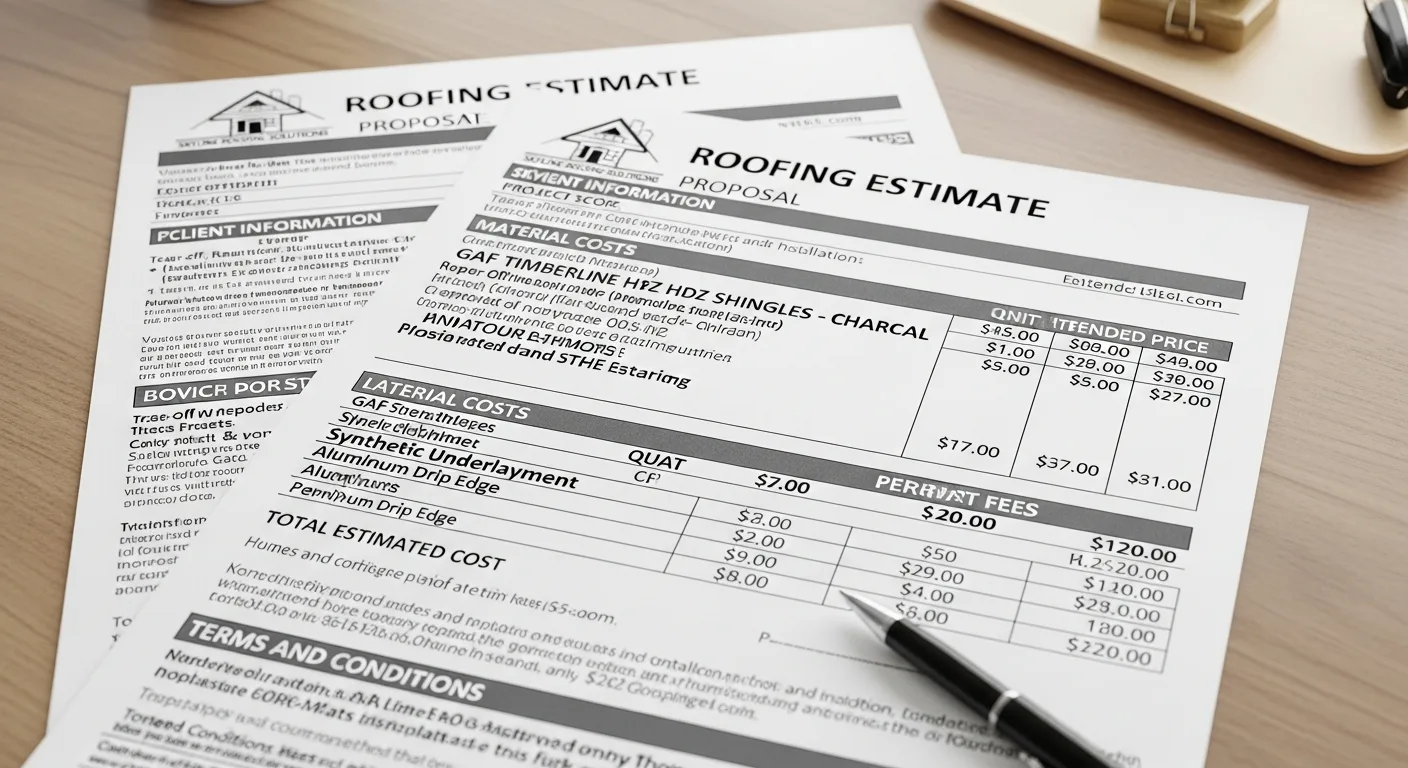
Cost analysis must include lifecycle considerations beyond initial installation. Insurance-preferred systems often carry enhanced warranties—up to 50 years for premium architectural shingles—that provide coverage transferability and maintain preferred status throughout the warranty period. This long-term value proposition becomes critical when considering our region's severe weather frequency.
Timeline considerations favor insurance-preferred materials due to streamlined claim processing. Insurers maintain pre-approved contractor networks and expedited approval processes for preferred systems, reducing project delays that could expose your building envelope to additional weather damage. Standard approval timelines decrease from 6-8 weeks to 2-3 weeks with preferred materials.
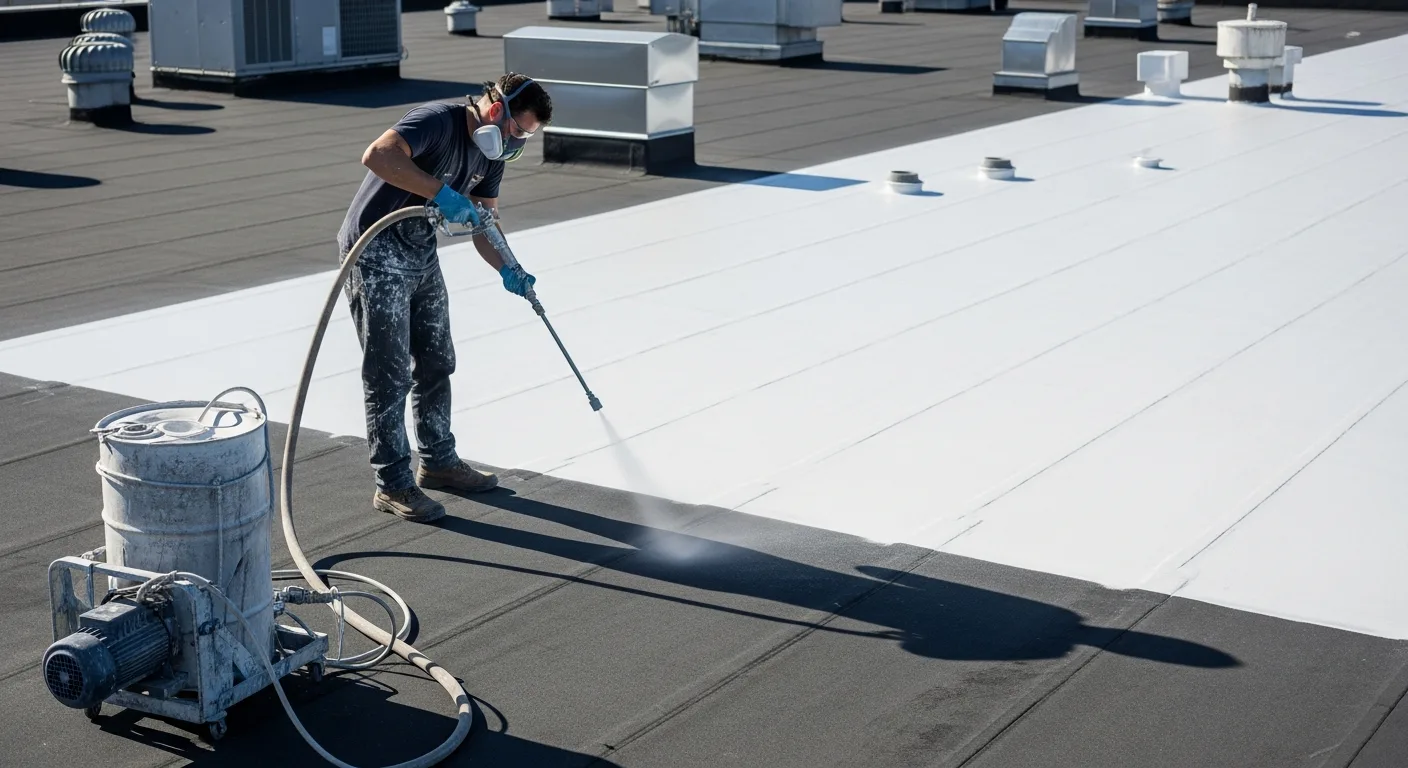
For commercial properties, the decision factors expand to include energy efficiency requirements and tax incentive availability. Cool roof systems with high thermal reflectivity ratings not only satisfy insurance preferences but may qualify for federal tax credits and utility rebates, improving overall project ROI.
Material and System Recommendations for Texas Panhandle Conditions
Residential Applications: GAF Timberline HDZ shingles with LayerLock technology represent the gold standard for insurance-preferred residential roofing. These systems achieve UL 2218 Class 4 impact resistance while maintaining wind ratings up to 130 mph—essential for our severe weather environment. The enhanced granule adhesion technology specifically addresses thermal cycling challenges from our extreme temperature variations.
Owens Corning Duration Storm shingles offer comparable performance with SureNail technology that creates six nail seal points per shingle, exceeding standard four-point attachment requirements. This enhanced fastening system directly addresses wind uplift concerns that drive insurance claim frequency in our region.
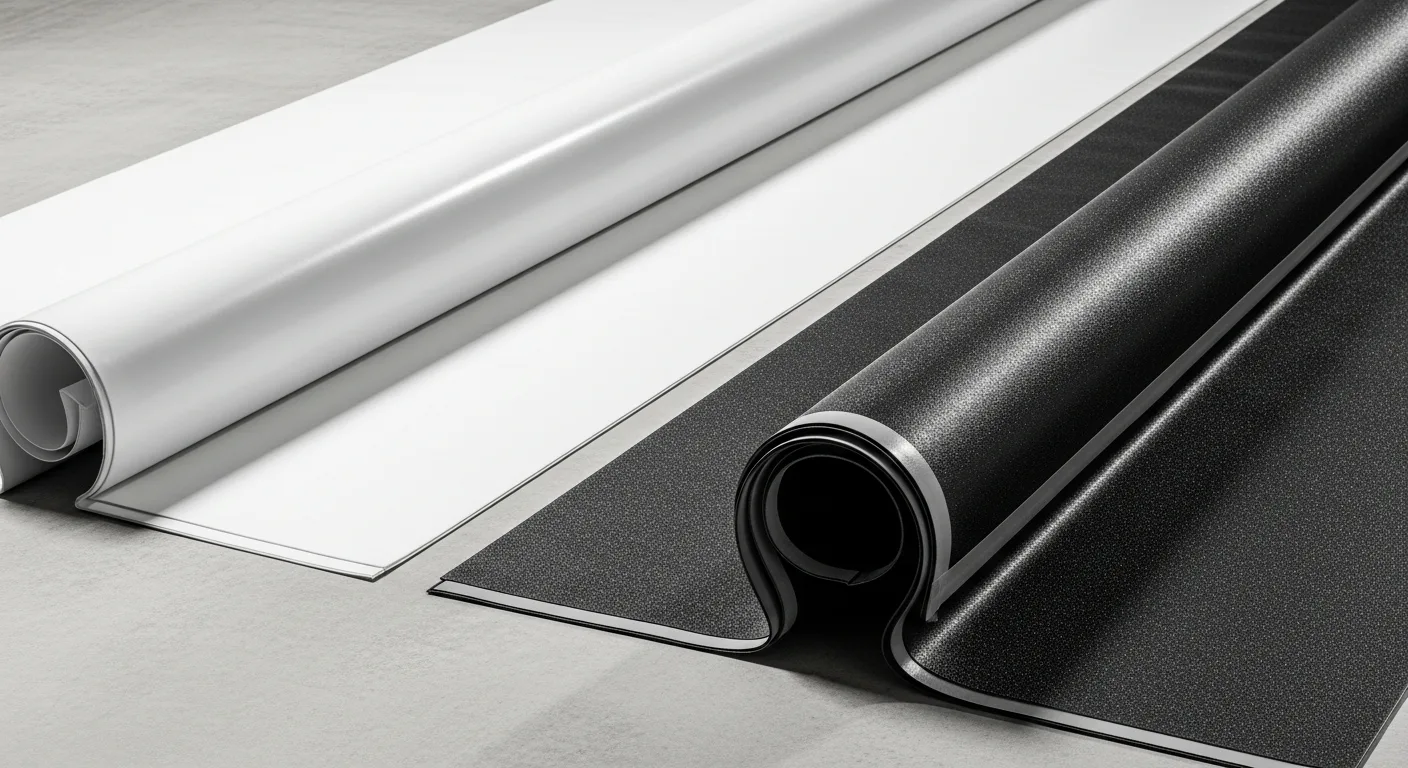
Commercial Applications: Single-ply membrane systems from Carlisle SynTec or Firestone achieve insurance preference through superior wind uplift ratings and proven longevity in extreme climates. These systems feature mechanically-attached installation methods that maintain integrity during high-wind events while providing excellent thermal reflectivity for energy efficiency.
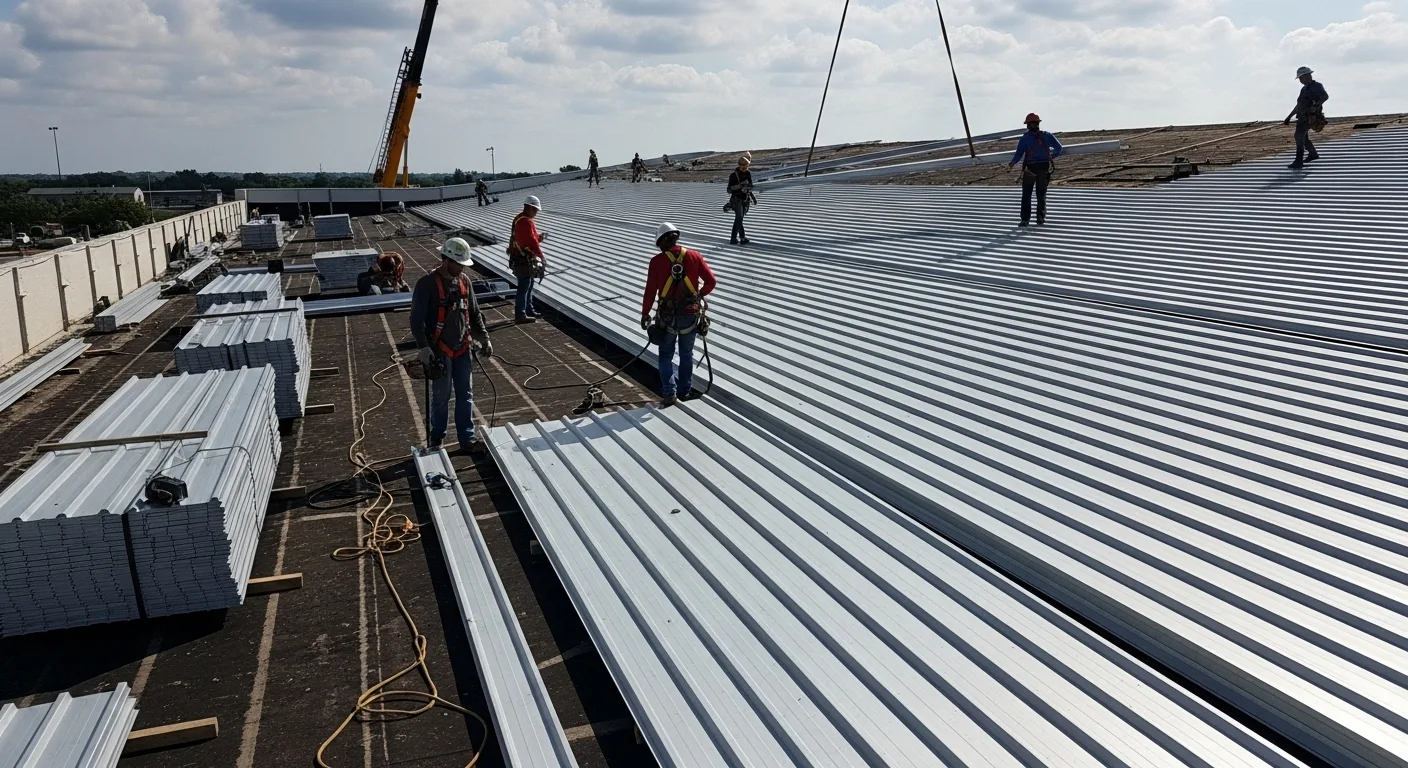
Metal roofing systems with structural standing seam profiles offer the highest wind resistance ratings available—up to 180 mph—making them increasingly popular with insurance providers in tornado-prone regions. The continuous seam design eliminates moisture intrusion points while providing superior thermal performance through reflective coatings.
To explore specific material recommendations for your property type, see our commercial roofing services page for detailed system specifications and performance data relevant to your building requirements.
What to Expect During the Insurance-Preferred Installation Process
The installation process for insurance-preferred systems begins with detailed documentation requirements that exceed standard roofing projects. Our team provides comprehensive pre-installation photography, material certification documentation, and compliance verification reports that satisfy insurance adjuster requirements before work commences.
Installation follows enhanced quality control protocols including third-party inspections at critical stages. For Class 4 impact-resistant systems, we verify proper fastener placement, adequate sealing compound application, and compliance with manufacturer specifications that maintain warranty coverage and insurance preferred status.
Quality assurance measures include:
- Digital documentation of every installation step
- Independent fastener pattern verification
- Membrane seam integrity testing for commercial applications
- Final inspection reports with performance certifications
Post-installation documentation provides insurance companies with verification that materials and installation methods meet their preferred status requirements. This documentation package becomes essential for future claims and ensures continued premium advantages throughout the system's lifecycle.
For residential projects involving hail damage, learn more on our residential roof replacement section for detailed information about insurance coordination and claim processing assistance.
Why Choosing the Right Contractor Matters for Insurance Approval
Insurance companies increasingly require certified installers for preferred material status to remain valid. Our certifications with major manufacturers ensure that installations meet or exceed specifications required for insurance preference, while our direct relationships with insurance adjusters streamline the approval process.
Contractor selection affects more than installation quality—it impacts insurance claim outcomes and future coverage availability. Insurance companies track contractor performance data and may require specific credentials for preferred material installations. Our GAF Master Elite certification and Owens Corning Platinum Preferred status demonstrate the expertise insurance companies require for their preferred systems.
Local expertise becomes critical when navigating Texas-specific insurance requirements and building codes. Our understanding of regional weather patterns, insurance company preferences, and local code requirements ensures that your roof replacement project satisfies all stakeholders while maximizing long-term value.
Warranty coordination between manufacturers, installers, and insurance providers requires experienced project management to avoid coverage gaps or disputes. Our comprehensive warranty management services ensure that all parties maintain their obligations throughout the system's lifecycle.
Ready to secure your property with insurance-preferred roofing materials that provide superior protection and cost savings? Contact CRS Roofing & Construction today for a comprehensive evaluation of your roof replacement options. Our insurance-preferred material expertise and certified installation processes ensure optimal claim outcomes and long-term performance in the challenging Texas Panhandle climate. Schedule your professional assessment now to discover which insurance-preferred systems offer the best value for your specific property requirements and budget considerations.
The National Severe Storms Laboratory reports that the Texas Panhandle experiences some of the most intense convective weather patterns in North America, with supercells producing hailstones exceeding 2 inches in diameter and straight-line winds reaching 90+ mph. This extreme weather profile requires roofing materials that meet specific ASTM testing standards for impact resistance and wind uplift performance.
Insurance companies typically require Class 4 impact-resistant shingles in our region, which must pass ASTM D3161 testing standards for wind resistance and UL 2218 steel ball drop tests. Manufacturers like TAMKO offer impact-resistant options in their Heritage and Titan lines specifically engineered for high-hail zones, while maintaining the aesthetic appeal homeowners demand. The polymer-modified asphalt construction in these systems provides superior granule retention and thermal cycling resistance—critical factors when summer roof surface temperatures exceed 160°F and winter lows drop below 10°F.
For commercial applications, the Single Ply Roofing Industry (SPRI) emphasizes that membrane systems must achieve FM-4470 wind uplift ratings appropriate for the building's risk category and geographic location. In the Texas Panhandle's Wind Zone II classification, this typically requires systems rated for uplift pressures of 90-120 psf. TPO and EPDM membranes from manufacturers like Versico and Firestone achieve these ratings through enhanced attachment methods and reinforced membrane construction designed specifically for high-wind environments.
Energy efficiency considerations also impact insurance preferences, as reflective roofing systems reduce thermal stress and extend service life. Cool Roof Rating Council certified materials with initial solar reflectance values above 0.25 and thermal emittance above 0.75 not only qualify for energy rebates but demonstrate reduced expansion-contraction cycles that minimize leak-prone membrane stress. Metal roofing systems with PVDF coatings from manufacturers like MBCI and McElroy Metal consistently achieve these performance benchmarks while providing 120+ mph wind ratings.
The Insurance Institute for Business & Home Safety (IBHS) FORTIFIED standards provide the gold standard for wind-resistant construction in our region. FORTIFIED Roof certification requires specific deck attachment, sealed roof deck, and high-performance shingle installation methods that can reduce wind and hail damage claims by up to 95%. When combined with proper attic ventilation and radiant barriers—essential in our climate where attic temperatures can exceed 140°F—these systems provide comprehensive protection that insurance companies recognize with premium discounts ranging from 10-30%.
Professional installation following manufacturer specifications and local code requirements becomes critical for maintaining insurance coverage. The International Building Code requires specific fastening patterns and edge securement for our wind zone, while Texas Windstorm Insurance Association (TWIA) standards mandate enhanced attachment methods for properties in designated windstorm areas. Failure to meet these specifications can void warranties and complicate claim processing, making professional assessment and installation essential for long-term protection and insurability.