Your roofing project's success hinges on more than just selecting quality materials—it depends on strict adherence to building codes that protect your property from the Texas Panhandle's extreme weather conditions. Non-compliant installations can void warranties, trigger insurance claim denials, and leave your building envelope vulnerable to moisture intrusion during severe weather events. With Amarillo's frequent hail storms and high winds reaching 70+ mph, code violations aren't just paperwork problems—they're safety hazards that compromise your property's structural integrity and financial value.
The consequences of ignoring code requirements extend beyond immediate safety concerns. Insurance companies increasingly scrutinize roofing installations for compliance, particularly after hail damage claims. A non-compliant roof can result in claim denials worth tens of thousands of dollars, while building departments can halt construction and require expensive corrections that double your project timeline and costs.
When Building Code Compliance Requires Professional Navigation
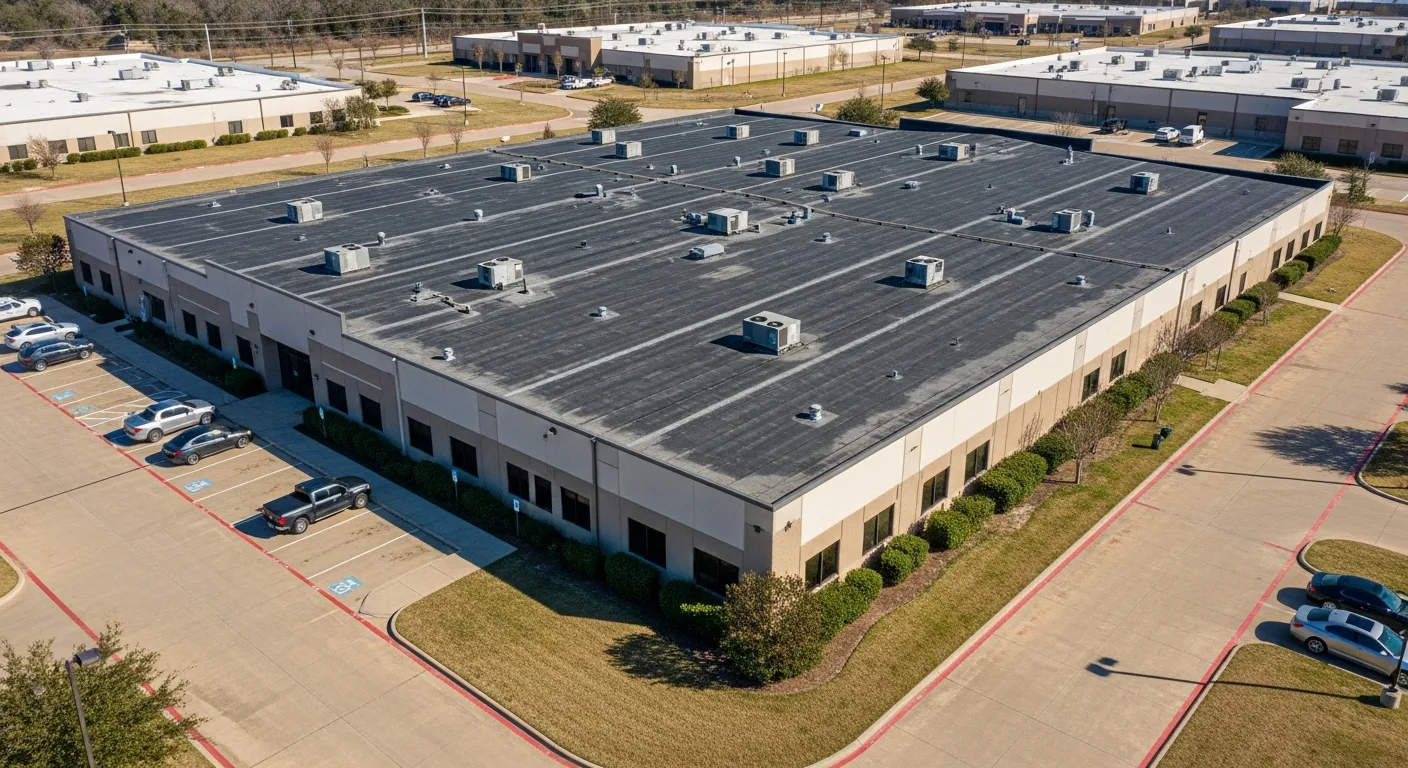
Several scenarios demand immediate professional guidance to ensure code compliance and protect your investment. Commercial properties face the most complex requirements, with International Building Code (IBC) standards governing everything from wind uplift resistance to fire ratings across different occupancy classifications. The National Roofing Contractors Association emphasizes that commercial buildings require engineered systems with specific attachment methods and membrane seam requirements that vary based on building height and exposure category.
Residential projects involving structural changes, additions over 50% of the roof area, or complete replacements trigger permit requirements under the International Residential Code (IRC). Texas amendments to these codes include specific provisions for high-wind zones, requiring enhanced shingle ratings and installation methods that exceed standard manufacturer specifications.
Emergency repairs following hail or wind damage present unique compliance challenges. While temporary measures may proceed without permits, permanent repairs must meet current code standards—not the codes in effect when your original roof was installed. This often means upgrading structural elements, improving ventilation systems, and incorporating enhanced wind resistance features that weren't required decades ago.
Key Decision Factors for Code-Compliant Roofing Projects
Understanding the financial and timeline implications of code compliance helps you make informed decisions about repair versus replacement strategies. Repair projects exceeding 25% of the roof area typically trigger full code compliance requirements, potentially making complete replacement more cost-effective. This threshold calculation includes both material and labor costs, making seemingly minor repairs surprisingly expensive when code upgrades are required.
Wind resistance requirements represent the most critical factor in the Texas Panhandle. Buildings must meet Design Wind Speed requirements based on their Risk Category and location. Amarillo falls within a 115-mph basic wind speed zone, but effective wind speeds increase based on building height, terrain roughness, and topographic effects. Commercial buildings often require systems rated for uplift pressures exceeding 90 pounds per square foot.
The lifecycle cost analysis strongly favors code-compliant installations. While initial costs may increase 15-25% for enhanced wind resistance and proper permitting, the long-term savings include reduced insurance premiums, improved energy efficiency, and protection against catastrophic failure. Insurance companies offer premium discounts up to 35% for homes with Impact-Resistant (IR) shingles and proper installation certifications.
Timeline considerations vary significantly based on project complexity and permit requirements. Simple residential replacements typically require 2-3 weeks from permit application to approval, while commercial projects involving structural modifications can extend 6-8 weeks. Fast-track permitting is available for emergency repairs, but permanent installations still require standard review processes.
Material and System Recommendations for Code Compliance
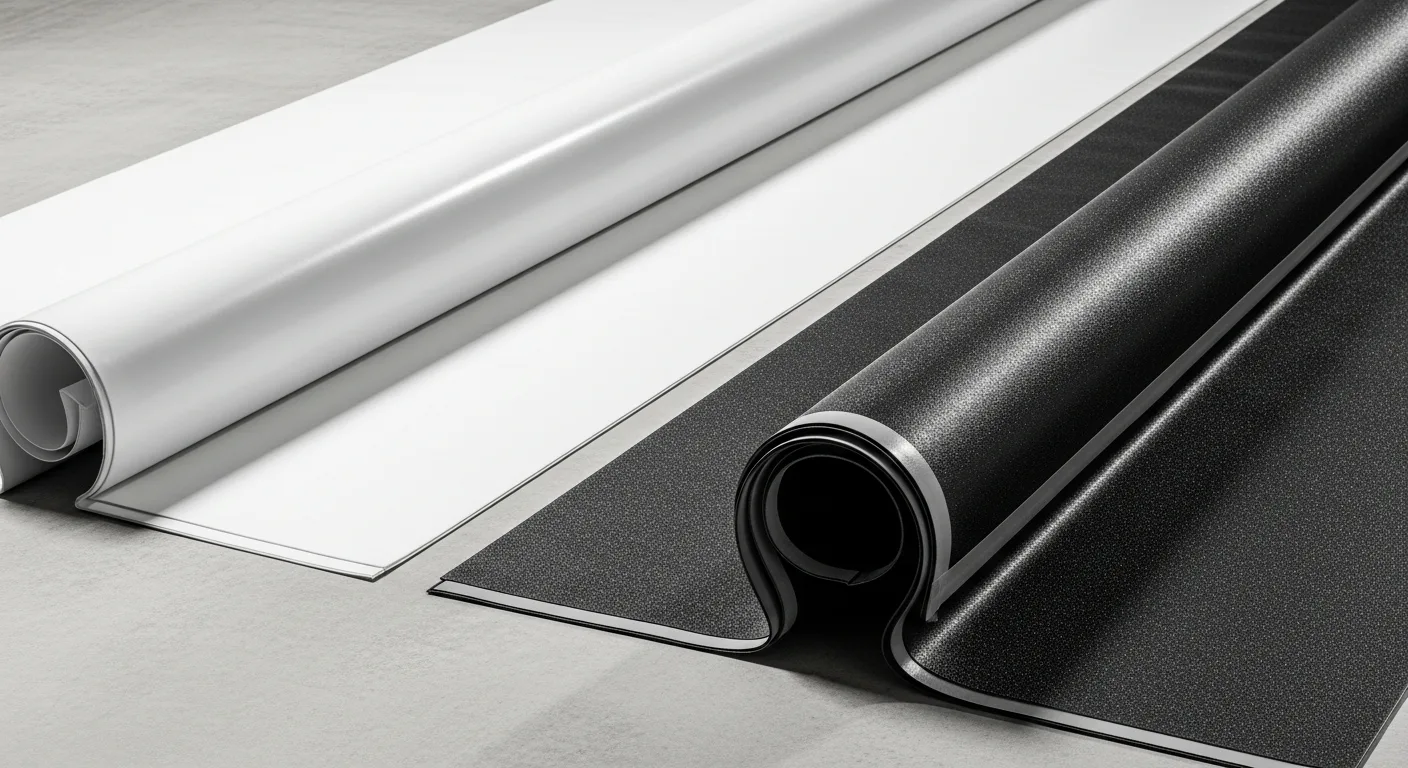
Selecting appropriate materials requires understanding both minimum code requirements and performance standards that exceed these baselines. For commercial applications, membrane systems must meet FM Global or UL wind uplift classifications appropriate to your building's exposure category. Single-ply membranes like TPO and EPDM require specific attachment patterns and seam treatments that vary based on roof geometry and wind exposure.
Residential installations benefit from Impact-Resistant shingles rated Class 3 or Class 4, which exceed IRC minimum requirements but provide superior hail protection. These systems require specific installation methods including enhanced starter courses, additional fasteners in high-wind zones, and proper ventilation ratios that maintain manufacturer warranties while meeting energy codes.
Insulation and ventilation systems must comply with energy codes that have become increasingly stringent. The International Energy Conservation Code (IECC) requires continuous insulation in many applications, while proper ventilation ratios prevent moisture accumulation that compromises building envelope integrity. Balanced ventilation systems with both intake and exhaust components are now mandatory for most residential installations.
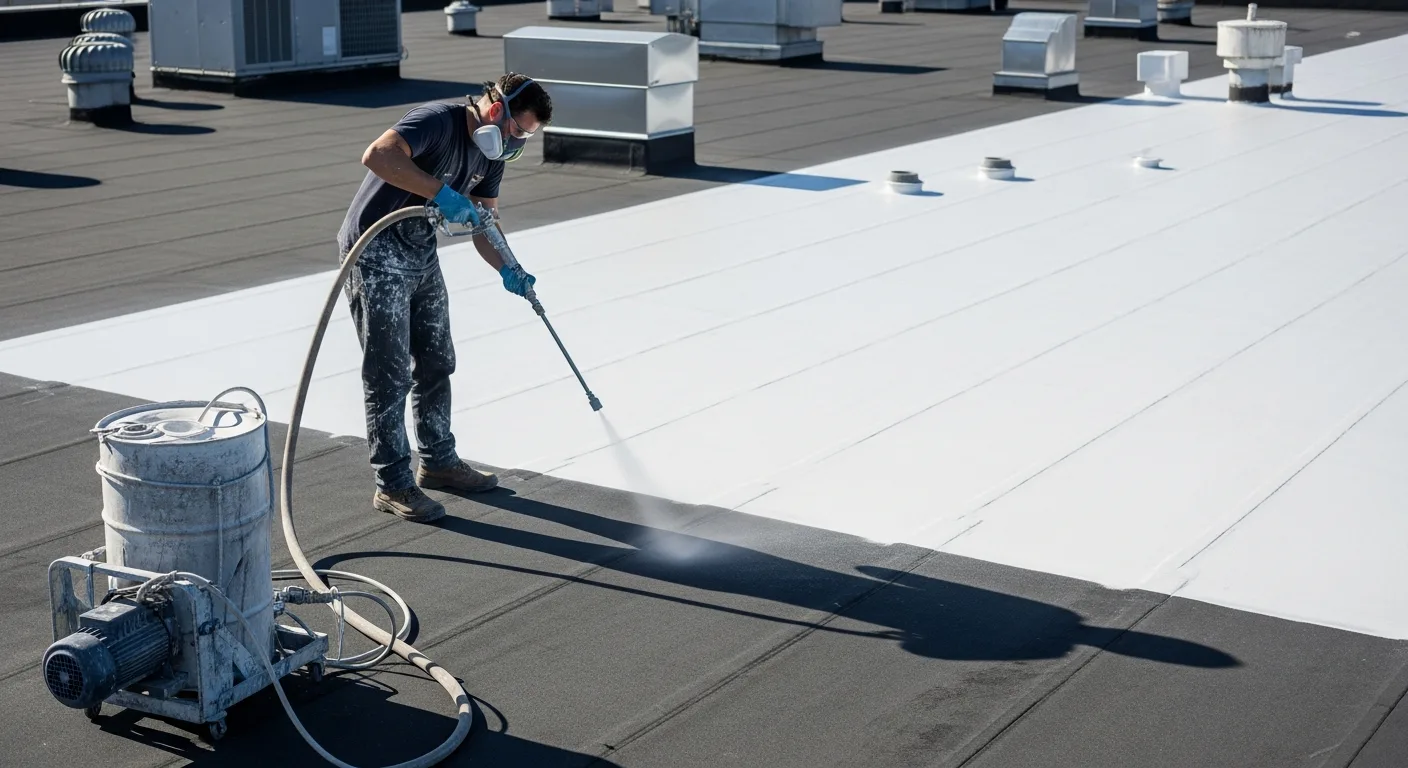
For properties seeking enhanced performance, cool roof systems with high thermal reflectivity can provide energy savings that justify premium costs while exceeding minimum code requirements. The Energy Star program certifies roofing materials that reduce cooling costs by 10-15% in hot climates like the Texas Panhandle.
What to Expect During the Code Compliance Process
Professional roofing contractors manage the complex permitting and inspection process, but understanding key milestones helps you track progress and prepare for requirements. Initial permit applications require detailed plans showing material specifications, attachment methods, structural calculations for wind loads, and energy compliance documentation. Commercial projects additionally need professional engineer stamps for structural elements and specialized systems.
Pre-installation inspections verify that existing structures can support new roofing systems and identify any required structural upgrades. Inspectors examine deck conditions, structural framing adequacy, and existing ventilation systems that may require modification for code compliance.
Mid-installation inspections occur before decking installation is complete, allowing inspectors to verify proper attachment methods, insulation placement, and vapor barrier installation. This critical checkpoint prevents costly corrections later in the process when components become inaccessible.
Final inspections include comprehensive reviews of completed installations, verifying wind resistance requirements, proper ventilation function, and energy code compliance. Inspectors use specialized equipment to test membrane seam integrity and measure insulation R-values in commercial applications.
Professional contractors coordinate these inspections efficiently, minimizing delays while ensuring thorough compliance documentation. Failed inspections can halt work and require expensive corrections, making experienced contractor selection crucial for smooth project completion.
Why Choosing the Right Contractor Matters for Code Compliance
Code compliance expertise separates professional roofing contractors from general handymen or storm-chasing operations that flood the market after severe weather events. Licensed contractors maintain current knowledge of code changes, proper installation techniques, and permit requirements that protect your investment and ensure legal compliance.
Experience with local building departments streamlines the permit process and prevents delays caused by incomplete applications or non-standard specifications. Established contractors maintain relationships with inspectors and understand local interpretation of code requirements that can vary between jurisdictions.
Insurance and bonding requirements for licensed contractors provide additional protection for property owners. Worker's compensation coverage, liability insurance, and performance bonds protect against accidents, property damage, and incomplete work that can leave you liable for code violations.
Professional contractors also provide warranty coverage that extends beyond material warranties to include workmanship guarantees. These warranties become void if installations don't meet code requirements, making contractor expertise essential for long-term protection. To see our commercial roofing services page for detailed information about our licensing and certifications.
Quality contractors maintain continuing education certifications from major manufacturers and industry organizations, ensuring they understand evolving best practices and new code requirements. This expertise proves invaluable when navigating complex projects involving multiple systems or unusual architectural features.
Don't let code compliance complexity delay your roofing project or compromise your property's protection. CRS Roofing & Construction's certified professionals navigate building codes expertly while ensuring your installation meets or exceeds all requirements for maximum performance and protection. Our comprehensive approach includes permit management, inspector coordination, and detailed documentation that protects your investment and maintains warranty coverage. Contact us today for a detailed code compliance assessment and project quote—your property deserves the protection that only comes from proper installation by experienced professionals who understand Texas Panhandle requirements.
The Texas Panhandle's unique climate challenges require roofing systems to meet specific performance thresholds that exceed basic code minimums. NOAA data shows Amarillo experiences hail events exceeding 2 inches in diameter annually, making impact resistance ratings a critical compliance factor. Commercial roofing membranes must demonstrate Class 4 impact resistance per UL 2218 standards, while wind uplift calculations must account for the region's exposure category and mean roof height. The International Building Code requires specific attachment patterns and fastener densities that vary based on building height, with high-rise structures demanding engineered solutions that factor Texas wind load maps.
Energy code compliance adds another layer of complexity, particularly for commercial properties seeking to optimize operational costs in extreme Texas heat. The state's climate zones require minimum R-values ranging from R-25 to R-38 for roof assemblies, with Department of Energy guidelines recommending continuous insulation to eliminate thermal bridging. Cool roof technologies become essential in West Texas, where summer temperatures routinely exceed 100°F. Reflective membranes from manufacturers like Carlisle SynTec can reduce cooling loads by 10-15%, helping meet both energy codes and long-term sustainability goals.
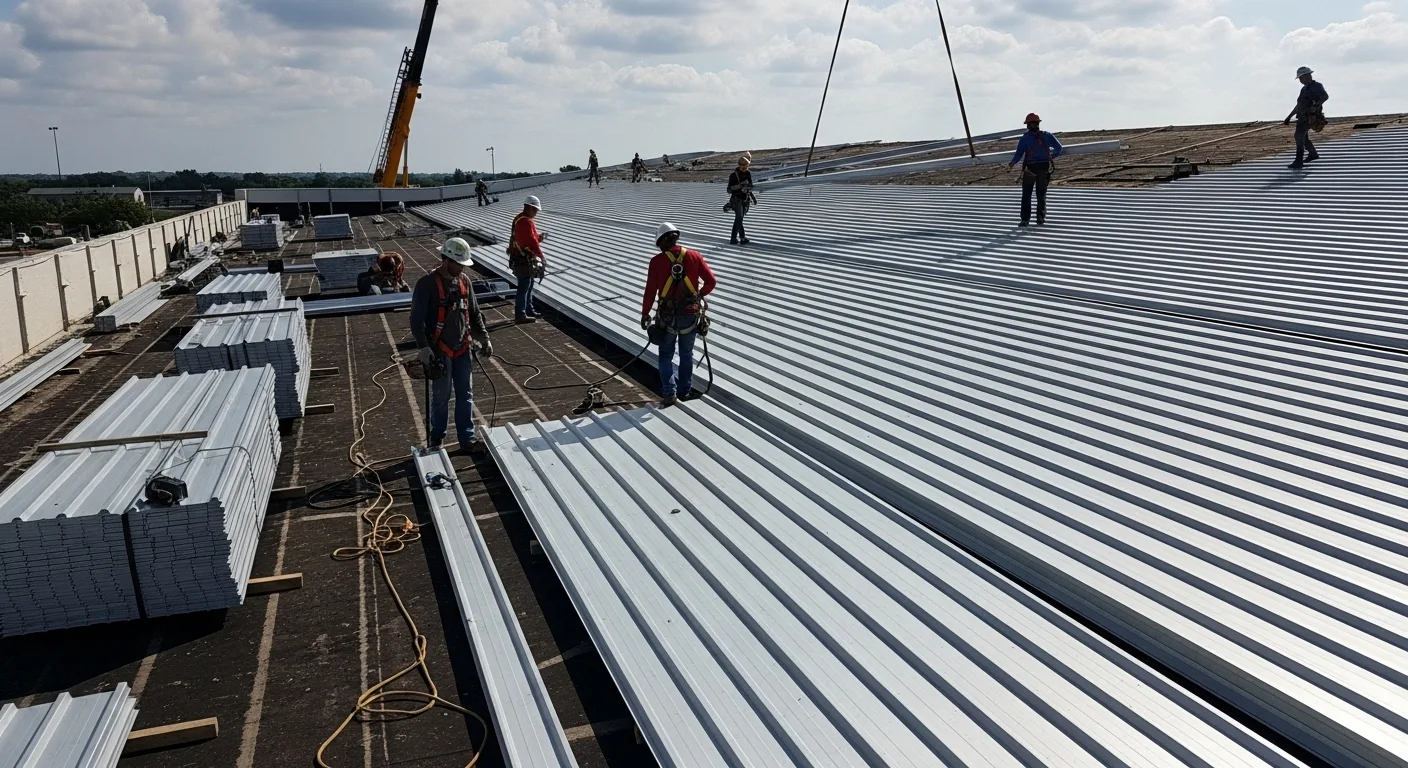
Safety compliance during installation requires strict adherence to OSHA fall protection standards, which become even more critical during Amarillo's windy conditions. Proper documentation of code compliance extends beyond installation—it includes maintaining certification records, inspection reports, and manufacturer warranties that insurance companies scrutinize during claim evaluations. The National Roofing Contractors Association emphasizes that comprehensive documentation not only ensures code compliance but also provides the paper trail necessary for successful insurance claims and property value protection in the demanding Texas Panhandle environment.