Your commercial property's roofing system represents one of your largest infrastructure investments, yet many property owners in Amarillo receive inadequate inspection reports that leave critical vulnerabilities undetected. In the harsh Texas Panhandle climate, where extreme temperature swings, severe hail storms, and sustained high winds can compromise building envelope integrity within months, an incomplete roofing assessment can lead to catastrophic moisture intrusion, structural damage, and insurance claim denials that cost tens of thousands in emergency repairs.
A comprehensive commercial roofing report isn't just documentation—it's your roadmap for protecting your investment, maintaining insurance compliance, and preventing the cascade of problems that begin with undetected membrane deterioration or compromised flashing systems. When wind uplift forces exceed your roof's tested specifications or thermal cycling causes membrane seams to fail, early detection through proper reporting makes the difference between a manageable repair and a complete roof replacement.
When This Issue Requires Professional Attention
Commercial roofing reports become critical after any significant weather event in the Texas Panhandle, but waiting for visible damage is a costly mistake. Professional assessment is essential when your building exhibits warning signs like water stains, increased energy costs indicating compromised thermal reflectivity, or when your roof approaches the 15-20 year mark where membrane degradation accelerates.
The National Roofing Contractors Association recommends biannual inspections for commercial properties, but Texas Panhandle conditions demand more frequent assessment. Hail damage may not be immediately visible, especially on modified bitumen or EPDM systems where granule loss or membrane punctures can remain hidden until moisture intrusion creates interior damage.
Insurance companies increasingly require detailed documentation of roof condition for claim processing and coverage renewal. Without a comprehensive report that documents existing conditions, material specifications, and maintenance history, property owners face claim denials and coverage gaps that leave them financially exposed to storm damage repairs.
Key Decision Factors for Commercial Roofing Assessment
When evaluating whether to commission a full roofing report versus basic inspection, consider the lifecycle cost analysis of your roofing system. A thorough report costs $500-1,500 but can identify problems that, left unaddressed, escalate into $50,000-200,000 emergency replacements. The investment pays for itself by extending roof life through proactive maintenance and preventing secondary damage to building contents and operations.
Timeline considerations are critical in our climate. Texas Panhandle weather patterns create narrow windows for roofing work between severe weather seasons. A comprehensive report completed in early spring allows property owners to schedule necessary repairs before summer's extreme heat stress or fall's hail season arrives. Delaying assessment until damage occurs often means emergency repairs during unfavorable weather conditions at premium pricing.
Compare the cost of proactive reporting against reactive repairs: Emergency roof repairs in Amarillo average 40-60% higher than scheduled maintenance, and emergency contractors may not provide the same warranty coverage or insurance compliance documentation. For multi-building portfolios, comprehensive reporting enables strategic budget planning and coordinated maintenance schedules that minimize operational disruption.
Essential Components Your Commercial Roofing Report Must Include
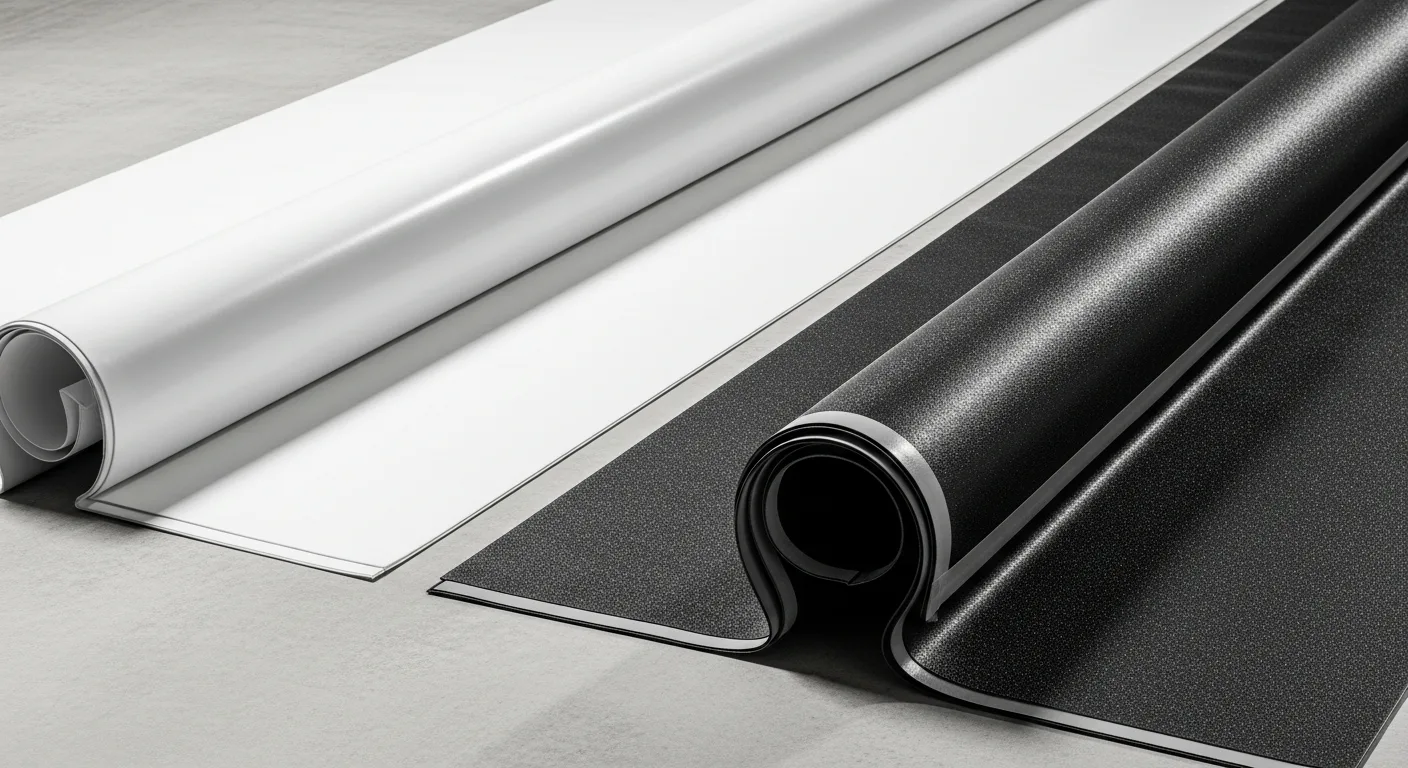
A professional commercial roofing report should provide detailed assessment of membrane condition, including measurements of remaining thickness on built-up roofing systems and documentation of any visible punctures, tears, or UV degradation on single-ply membranes. The report must include thermal imaging to detect moisture intrusion that isn't visible during surface inspection, as trapped moisture accelerates membrane deterioration and compromises R-value performance.
Drainage system evaluation is critical for Texas Panhandle properties that experience intense rainfall events. Your report should document drain condition, gutter functionality, and any ponding water areas that create membrane stress. Poor drainage accelerates weathering and creates ice dam formation during our occasional freezing events.
Flashing and penetration sealing require detailed documentation, as these areas experience the highest failure rates in high-wind environments. The report should include photographic evidence of caulking condition, termination bar security, and any gaps that allow wind-driven moisture penetration. Our commercial roofing services page outlines the specific inspection protocols we follow for comprehensive assessment.
Material specifications and warranty documentation ensure your report supports future insurance claims and maintenance planning. The report should identify membrane type, insulation R-value, installation methods, and any modifications that affect manufacturer warranty coverage.
What to Expect During the Professional Assessment Process
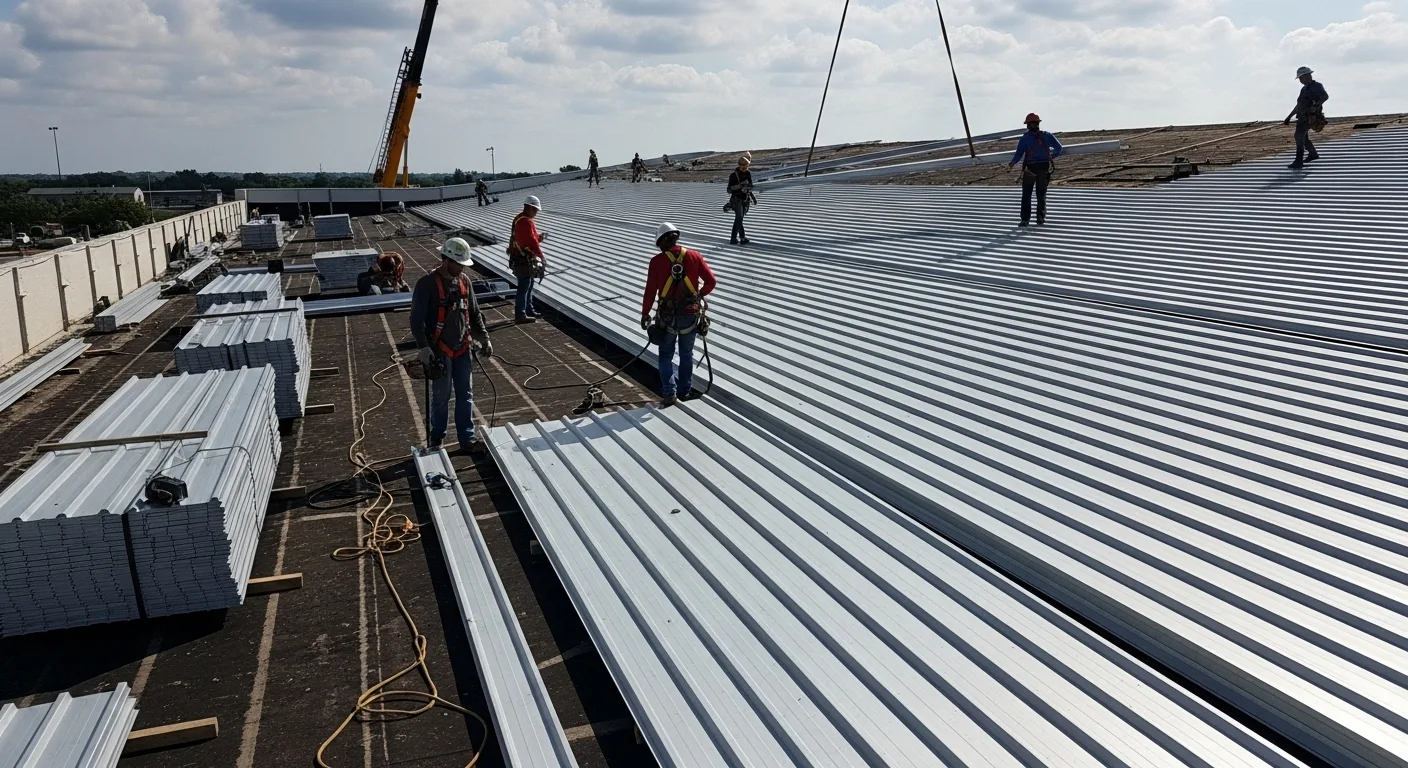
Professional commercial roof inspection begins with review of building plans, previous maintenance records, and any known problem areas. The process typically requires 2-4 hours for comprehensive assessment, depending on building size and complexity. Expect the inspector to access all roof areas safely, document conditions photographically, and use specialized equipment like moisture meters and thermal imaging cameras.
The inspection process includes core sampling on older built-up roofing systems to determine insulation condition and membrane thickness. This minimally invasive testing provides critical data about remaining roof life and helps prioritize repair versus replacement decisions. All core sample locations are immediately sealed to prevent moisture intrusion.
Weather conditions affect inspection timing and accuracy. Optimal conditions include dry weather with temperatures above 40°F, allowing proper thermal imaging function and safe roof access. Morning inspections often provide the best thermal contrast for detecting moisture problems, while afternoon inspections better reveal heat-related membrane stress.
Your contractor should provide preliminary findings immediately and deliver a comprehensive written report within 48-72 hours. This timeline ensures you can make timely decisions about repairs before weather conditions worsen or insurance claim deadlines pass.
Why Choosing the Right Contractor Matters for Accurate Reporting
Commercial roofing assessment requires specialized expertise that many general contractors lack. Certified thermographers, proper insurance coverage, and manufacturer training ensure your report meets industry standards and insurance requirements. Contractors without proper certifications may miss critical problems or provide documentation that insurance companies reject during claim processing.
Local expertise matters significantly in the Texas Panhandle, where unique climate conditions create specific failure patterns. Contractors familiar with regional weather patterns, local building codes, and insurance requirements provide more accurate assessments and actionable recommendations. They understand how extreme temperature cycling affects different membrane types and can predict failure modes specific to our environment.
Verify your contractor's credentials thoroughly. Look for NRCA membership, manufacturer certifications, and specific experience with your building type. Commercial, industrial, and institutional properties each present unique challenges that require specialized knowledge. Educational facilities, for example, must meet different code requirements than warehouse properties.
The quality of reporting directly impacts your ability to budget maintenance, secure insurance coverage, and protect your investment. Experienced contractors provide detailed recommendations with prioritized repair schedules, cost estimates, and timeline considerations that help you make informed decisions. Visit our industry-specific roofing solutions page to understand how different property types require specialized assessment approaches.
Don't let an inadequate roofing report leave your Amarillo commercial property vulnerable to expensive surprises. Contact CRS Roofing & Construction today to schedule your comprehensive commercial roof assessment. Our certified inspectors use advanced diagnostic equipment and provide detailed reports that meet insurance requirements while helping you protect your investment through proactive maintenance planning. Call us now to ensure your property is prepared for whatever Texas Panhandle weather brings next—your building and your budget depend on it.
In the Texas Panhandle, where NOAA weather data shows wind speeds regularly exceeding 70 mph during severe weather events, a comprehensive roofing report must document critical performance specifications that generic inspections often overlook. Your commercial roofing assessment should include detailed wind uplift ratings, membrane adhesion test results, and thermal cycling performance data—specifications that become life-or-death details when tornado alley weather systems strike Amarillo with little warning.
A professional commercial roofing report must document compliance with current building codes and industry standards. According to NRCA best practices, essential documentation includes membrane thickness measurements, seam strength testing results, and detailed photographic evidence of all penetrations, transitions, and potential failure points. For TPO and EPDM systems common in our region, the report should specify membrane manufacturers like Carlisle SynTec's Sure-Weld TPO systems and include heat-weld integrity test results, as thermal expansion and contraction in our extreme temperature swings can compromise seam performance within a single season.
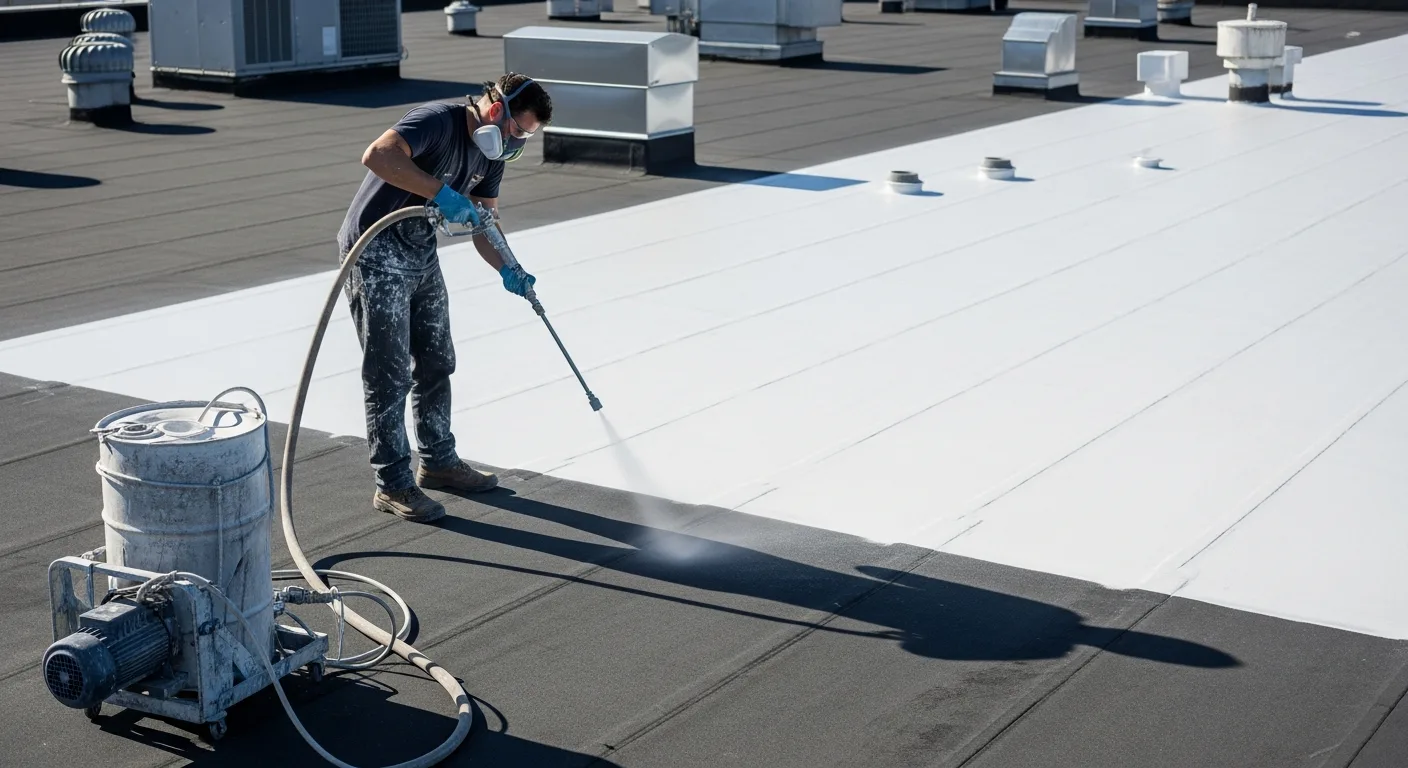
Energy efficiency documentation has become increasingly critical as utility costs soar and environmental regulations tighten. Your roofing report should include thermal reflectance values and emissivity ratings, particularly for light-colored membrane systems. Cool Roof Rating Council standards require specific solar reflectance index (SRI) values, and in Texas's intense UV environment, these ratings directly impact your building's energy consumption and HVAC system longevity. The report should document whether your current system meets Energy Star requirements for reflective roofing, as this affects both operational costs and potential utility rebates.
Safety compliance documentation cannot be overlooked in any legitimate commercial roofing assessment. OSHA fall protection requirements mandate specific anchor points and safety systems for routine maintenance access, and your roofing report should document the condition and compliance of all safety infrastructure. Additionally, the assessment should include detailed moisture intrusion analysis using thermal imaging and moisture meters, as even minor leaks in our region's intense storms can lead to catastrophic mold growth and structural damage within weeks.