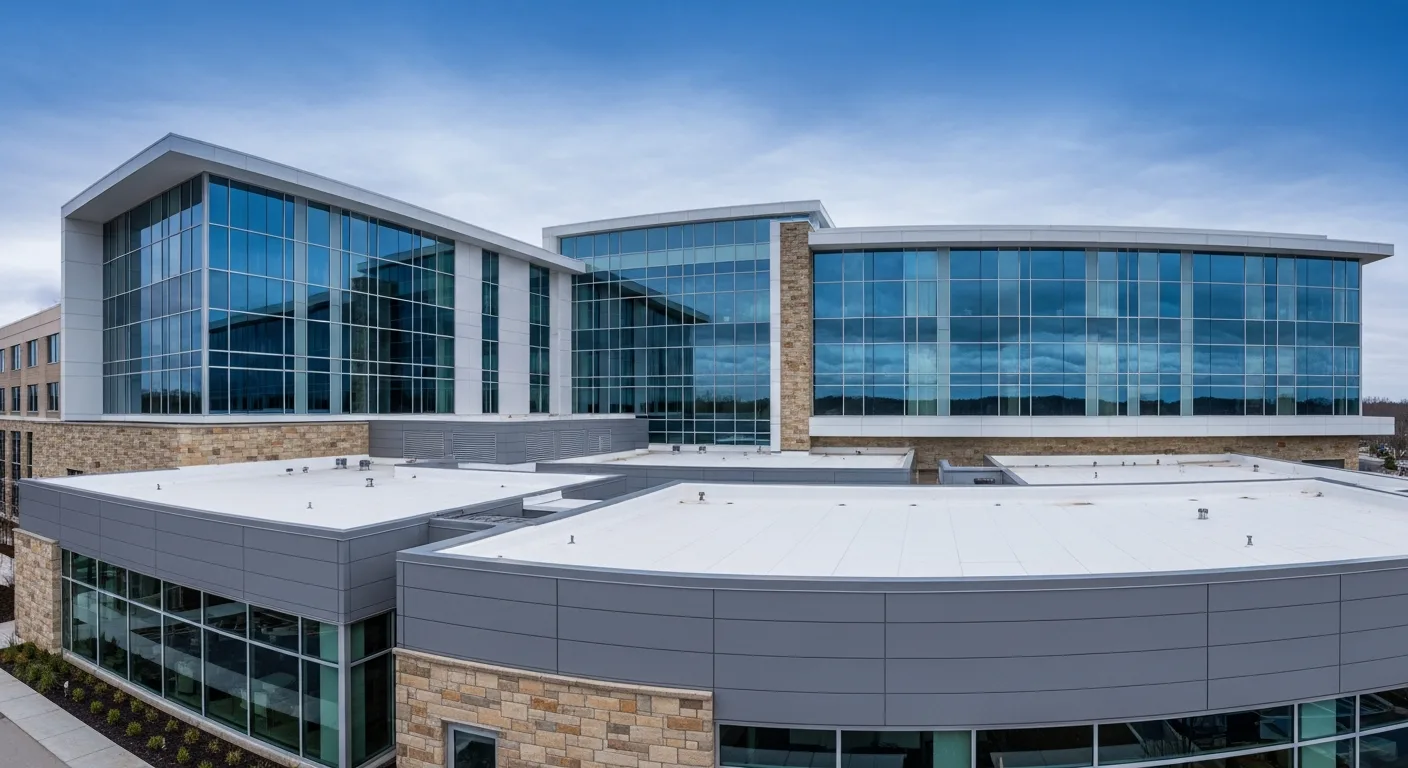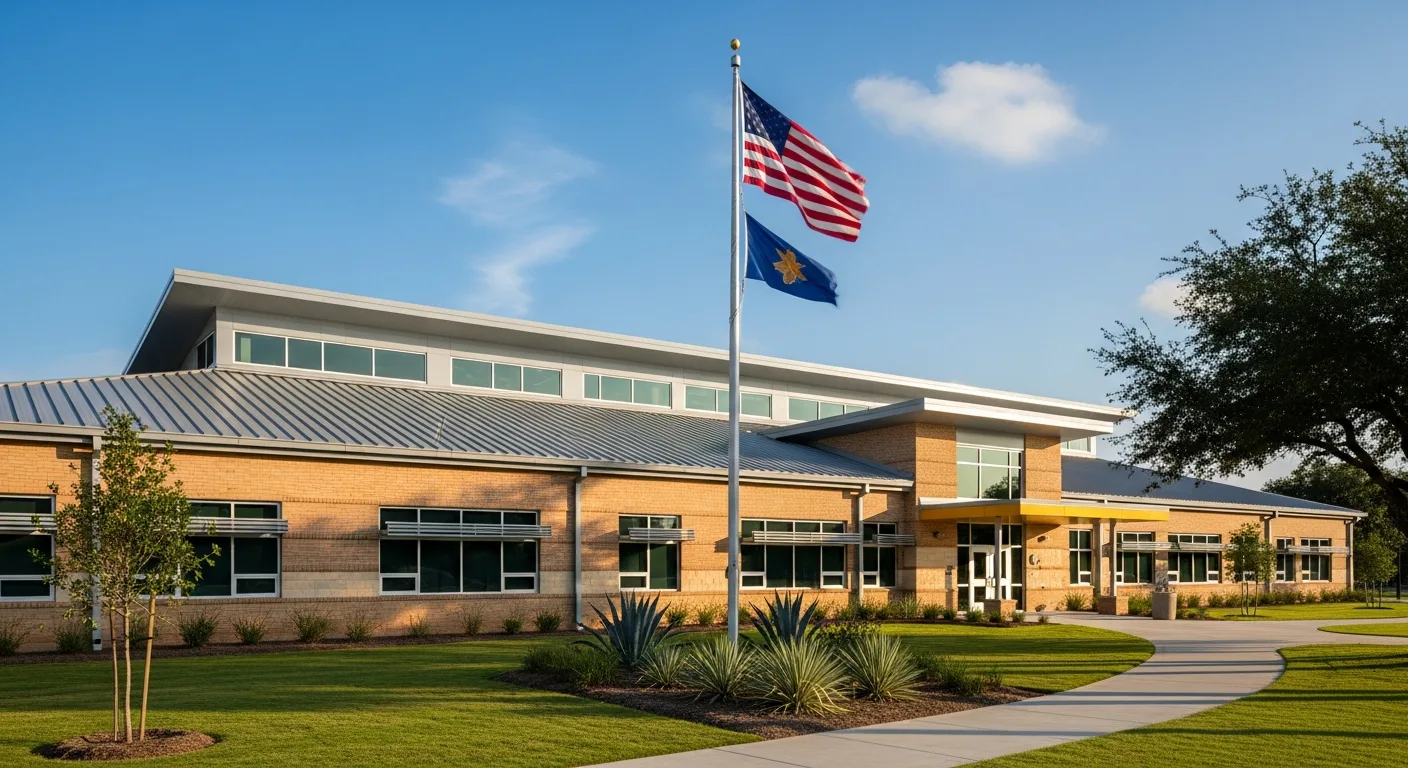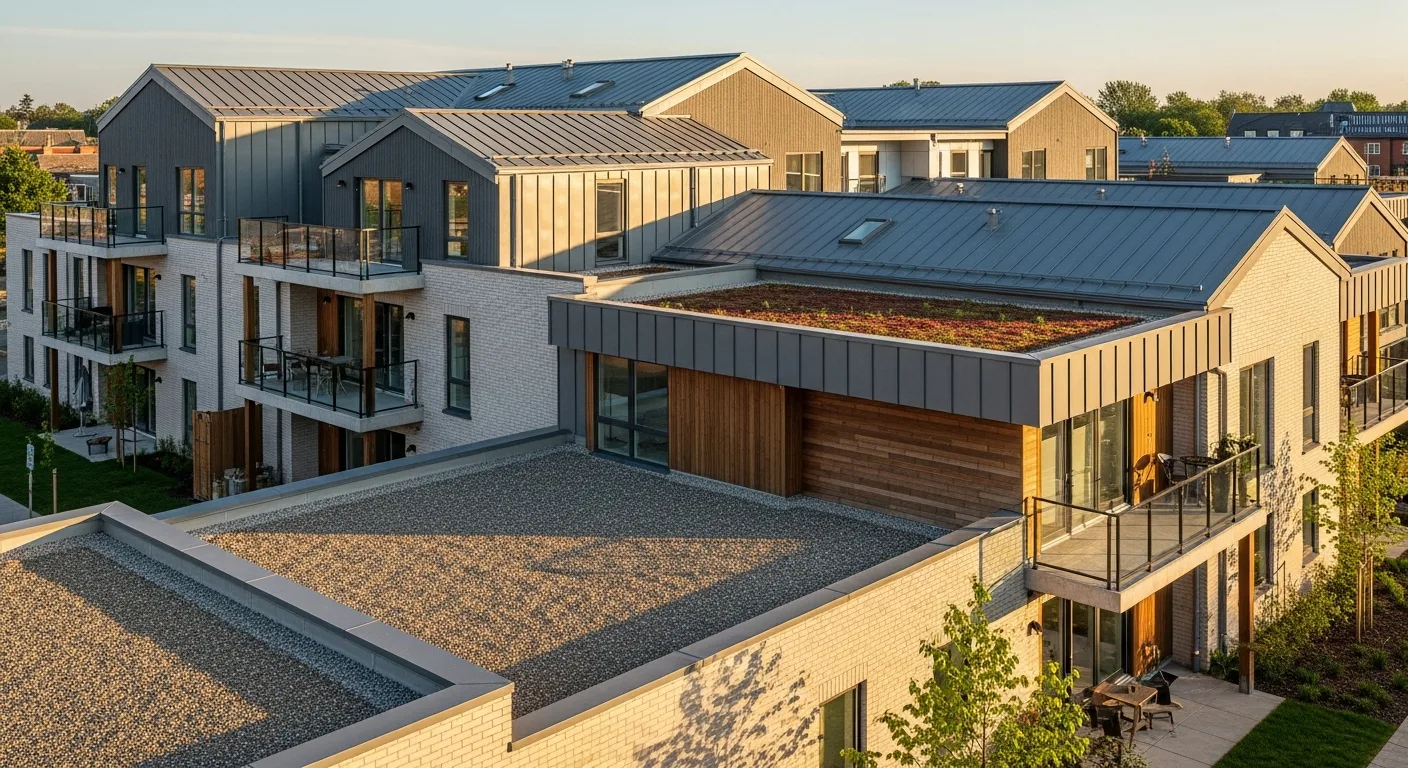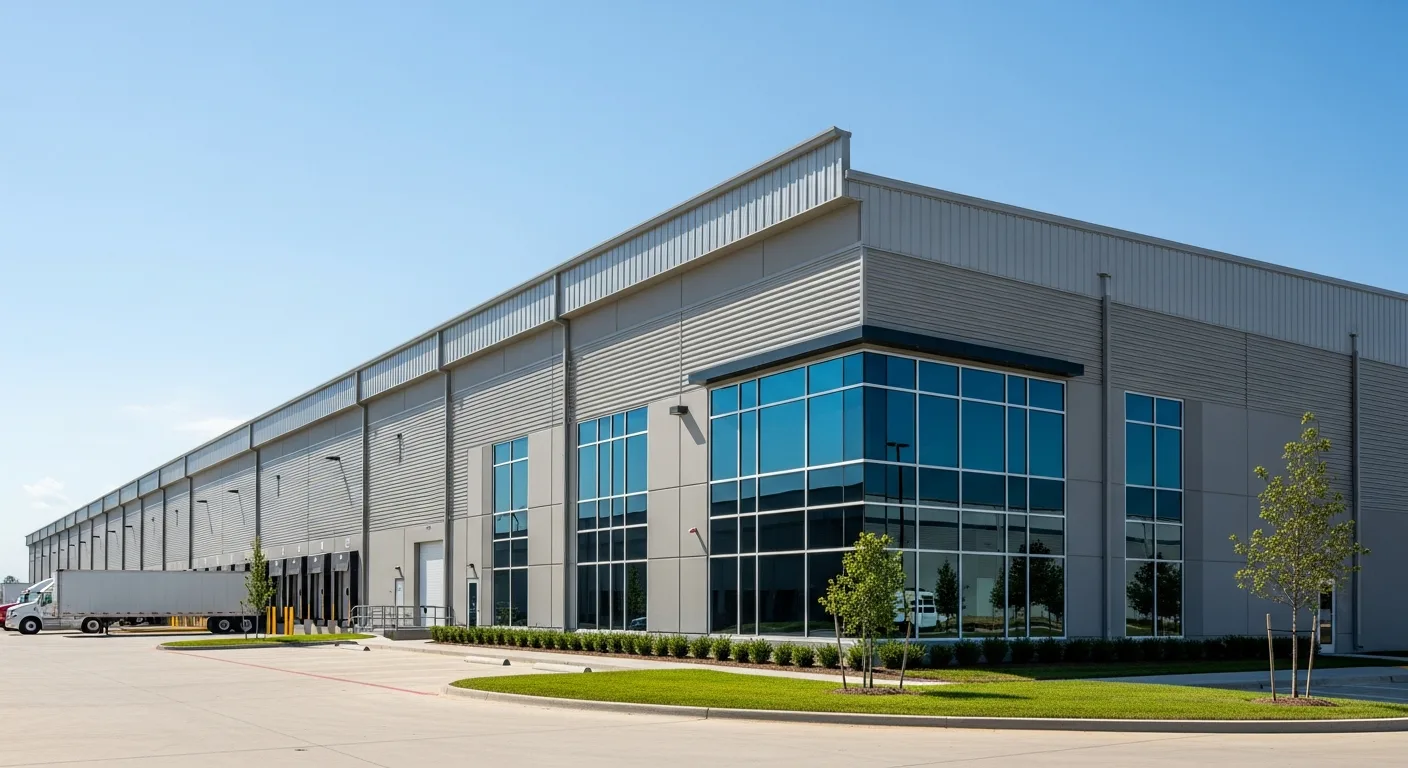
In the world of industrial construction, the choice of roofing system can make or break a facility's operational efficiency and long-term profitability. When it comes to warehouse and industrial buildings, metal roofing systems have emerged as the clear frontrunner, offering unmatched durability, cost-effectiveness, and performance characteristics that align perfectly with the demanding requirements of commercial operations. Understanding why metal systems dominate the industrial roofing landscape reveals the compelling advantages that make them the preferred choice for warehouse owners and facility managers across Texas and beyond.
The Industrial Roofing Landscape: Why Material Choice Matters
Industrial and warehouse facilities face unique roofing challenges that differ significantly from residential or even standard commercial buildings. These structures typically feature expansive roof areas, often spanning hundreds of thousands of square feet, with minimal interior support systems that place enormous structural demands on the roofing assembly. The sheer scale of these buildings means that even minor inefficiencies in material performance or installation can translate into substantial operational costs over the building's lifespan.
According to the National Roofing Contractors Association, warehouse and industrial facilities require roofing systems that can withstand extreme weather conditions while maintaining structural integrity across vast unsupported spans. The roofing system must also accommodate the unique operational requirements of industrial facilities, including heavy equipment loads, thermal cycling from industrial processes, and the need for long-term reliability with minimal maintenance intervention.
For businesses investing in warehouse roofing, the choice of material system directly impacts operational costs, energy efficiency, and the facility's ability to protect valuable inventory and equipment. This is why understanding the performance characteristics of different roofing materials becomes crucial for making informed decisions that support long-term business objectives.
Structural Advantages of Metal Roofing Systems
Metal roofing systems offer superior structural performance that makes them ideally suited for the demanding requirements of warehouse and industrial applications. The strength-to-weight ratio of modern metal roofing materials allows for the creation of long-span roof systems without the need for extensive interior support structures, maximizing usable floor space within the facility.
Steel and aluminum roofing systems can easily span distances of 100 feet or more without intermediate support, enabling the open floor plans that are essential for efficient warehouse operations. This structural capability is particularly important for facilities that require large, unobstructed spaces for equipment movement, storage systems, and manufacturing processes.
Load-Bearing Capacity and Wind Resistance
The Insurance Institute for Business & Home Safety has extensively documented the superior wind resistance capabilities of properly installed metal roofing systems. In industrial applications, where roof failure can result in catastrophic business interruption and inventory loss, the ability of metal systems to withstand extreme weather events becomes a critical performance factor.
Metal roofing panels are engineered to handle significant snow loads, wind uplift forces, and thermal expansion and contraction cycles that would compromise other roofing materials. The interlocking panel designs and advanced fastening systems used in modern metal roofing installations create continuous load paths that distribute forces across the entire roof structure, enhancing overall building resilience.
Energy Efficiency and Thermal Performance
Energy costs represent a significant operational expense for warehouse and industrial facilities, making the thermal performance of the roofing system a crucial consideration for facility owners. Metal roofing systems offer several advantages that contribute to improved energy efficiency and reduced operational costs.
The reflective properties of metal roofing materials help reduce solar heat gain during summer months, while advanced insulation systems can be integrated to maintain consistent interior temperatures year-round. The Department of Energy recognizes cool metal roofing systems as an effective strategy for reducing building energy consumption and improving overall environmental performance.
Thermal Bridge Prevention
Modern metal roofing systems incorporate thermal break technology that prevents heat transfer through the roof structure, addressing one of the primary sources of energy loss in industrial buildings. This is particularly important for temperature-controlled warehouses, cold storage facilities, and manufacturing operations that require precise environmental conditions.
The ability to achieve high R-values while maintaining the structural advantages of metal construction makes these systems ideal for facilities seeking to optimize energy performance without compromising on durability or span capabilities.
Durability and Maintenance Considerations
The long-term performance and minimal maintenance requirements of metal roofing systems provide substantial advantages for warehouse and industrial facility operators. Unlike membrane systems that may require frequent repairs or replacement, properly installed metal roofing can provide decades of reliable service with minimal intervention.
Leading manufacturers like GAF offer comprehensive warranty programs for their metal roofing systems, reflecting the confidence in long-term performance that these materials provide. The corrosion-resistant coatings and galvanized substrates used in modern metal roofing systems ensure that the structural integrity and appearance of the roof are maintained throughout the building's operational life.
Weather Resistance and Impact Performance
Industrial facilities often face severe weather conditions that can compromise roofing systems and interrupt business operations. Metal roofing systems demonstrate exceptional resistance to hail damage, high winds, and thermal cycling that would degrade other roofing materials over time.
The impact resistance of metal roofing is particularly valuable for facilities located in areas prone to severe weather events. FEMA guidelines recognize the superior performance of metal roofing systems in extreme weather conditions, making them a preferred choice for facilities requiring high levels of operational continuity.
Cost-Effectiveness and Return on Investment
While the initial installation cost of metal roofing systems may be higher than some alternative materials, the total cost of ownership typically favors metal systems for warehouse and industrial applications. The combination of extended service life, minimal maintenance requirements, and energy efficiency benefits creates a compelling financial case for metal roofing investments.
The speed of installation for metal roofing systems also contributes to overall project cost-effectiveness. Pre-engineered metal building systems can be erected quickly, reducing construction time and allowing facilities to become operational sooner than would be possible with other construction methods.
Insurance and Risk Management Benefits
Many insurance providers offer reduced premiums for facilities with metal roofing systems, recognizing the lower risk profile associated with these durable, fire-resistant materials. The non-combustible nature of metal roofing contributes to overall fire safety, while the structural performance characteristics reduce the likelihood of weather-related damage claims.
Environmental Sustainability and Modern Manufacturing
Sustainability considerations increasingly influence facility design and construction decisions, with metal roofing systems offering several environmental advantages that align with corporate sustainability goals. The recyclability of metal roofing materials, combined with their longevity, creates a favorable environmental profile compared to other roofing options.
Companies like Owens Corning have developed innovative insulation systems specifically designed to work with metal roofing assemblies, further enhancing the environmental performance of these systems through improved energy efficiency.
For businesses focused on industrial roofing solutions that support long-term operational goals, metal systems provide the ideal combination of performance, durability, and sustainability that modern warehouse and industrial facilities require.
The dominance of metal roofing systems in warehouse and industrial applications reflects their ability to address the unique challenges and requirements of these demanding environments. From structural performance and energy efficiency to long-term durability and cost-effectiveness, metal roofing systems deliver the comprehensive benefits that facility owners need to support successful industrial operations for decades to come.
The Texas Panhandle presents particularly challenging conditions for warehouse roofing systems, with extreme temperature fluctuations, severe hail storms, and sustained high winds exceeding 70 mph during severe weather events. According to National Severe Storms Laboratory data, the Amarillo region experiences some of the most intense hailstorms in the country, making impact resistance a critical factor in roofing material selection. Metal roofing systems excel in these conditions, with many commercial metal roofing panels rated for Class 4 hail impact resistance and wind uplift ratings exceeding 120 mph when properly installed.
From an energy efficiency standpoint, metal roofing systems offer significant advantages for large warehouse facilities in hot climates like Texas. The U.S. Department of Energy recognizes metal roofing's superior reflective properties, with properly coated metal systems achieving solar reflectance values of 0.70 or higher. This translates to substantial cooling cost savings for warehouse operations, particularly important given that HVAC systems in large industrial facilities can account for 30-40% of total energy consumption. The thermal expansion characteristics of modern metal roofing systems are engineered to accommodate temperature swings of 100°F or more without compromising structural integrity.
Safety and code compliance represent another area where metal roofing systems demonstrate clear advantages for warehouse applications. OSHA standards for fall protection during maintenance activities are more easily accommodated with metal roofing systems, which can support properly designed walkway systems and anchor points for safety equipment. Additionally, the International Building Code provisions for fire resistance are readily met by metal roofing assemblies, with most systems achieving Class A fire ratings. The lightweight nature of metal roofing—typically 1-3 pounds per square foot compared to 8-12 pounds for built-up systems—reduces structural loading requirements and allows for more cost-effective building design, particularly important for the large span construction common in warehouse facilities.