School buildings represent one of the most critical infrastructure investments in our communities, sheltering thousands of students and staff members daily. However, educational facilities face unique roofing challenges that can lead to costly failures, disrupting learning environments and straining already tight budgets. Understanding the most common roofing problems in school buildings and implementing proactive prevention strategies is essential for maintaining safe, functional learning spaces while maximizing the return on educational infrastructure investments.
Understanding the Unique Challenges of School Roofing Systems
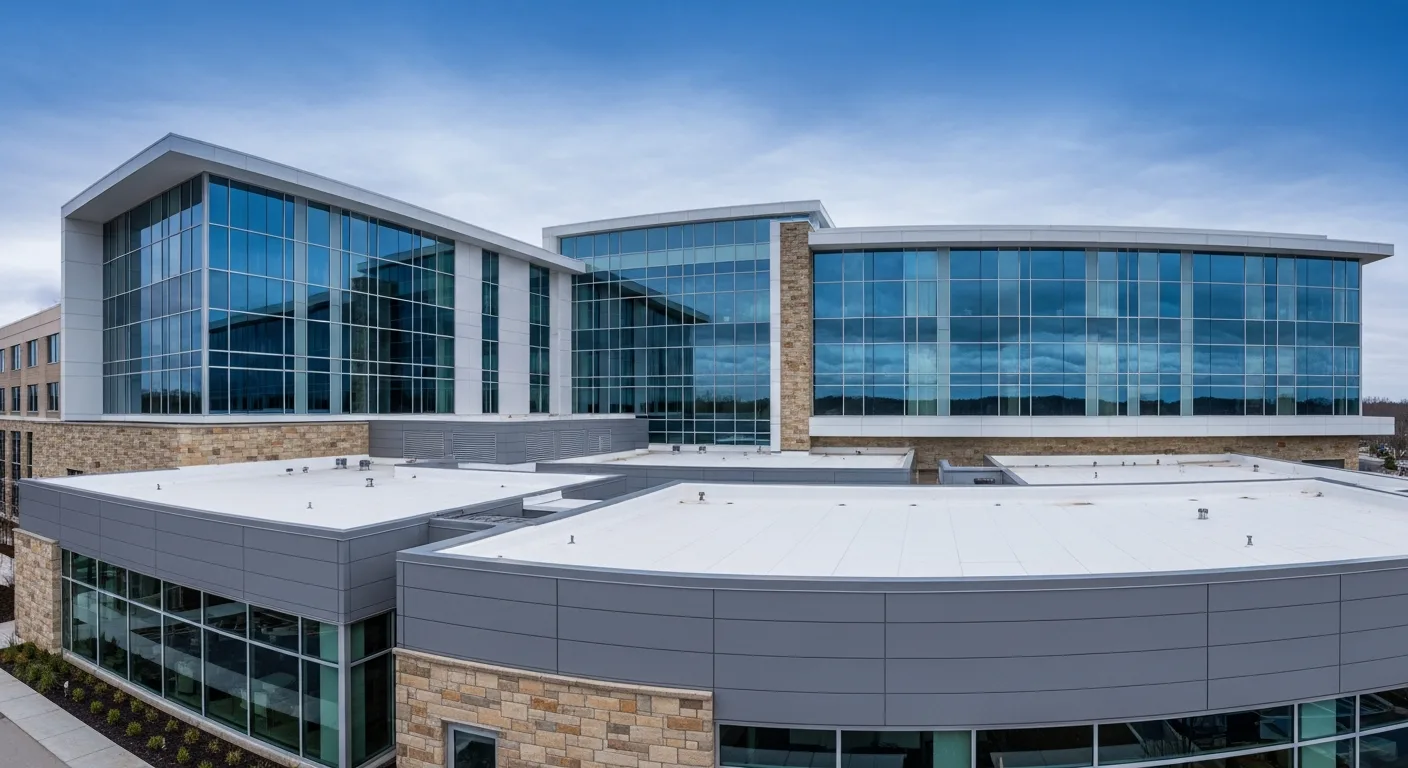
Educational facilities present distinct roofing challenges that differentiate them from typical commercial buildings. Schools typically feature large, flat or low-slope roof areas that must accommodate various mechanical systems, including HVAC units, ventilation systems, and increasingly, solar panel installations. The extensive square footage of most school roofs means that even minor issues can quickly escalate into major problems affecting multiple classrooms and common areas.
Additionally, schools operate on strict budgets with limited flexibility for emergency repairs. The U.S. Department of Energy reports that educational facilities account for a significant portion of commercial building energy consumption, making roof performance critical for energy efficiency and operational costs. When roofing systems fail, the impact extends beyond mere repairs to include potential health hazards, disrupted learning environments, and costly emergency relocations.
The Impact of Deferred Maintenance
Many school districts struggle with deferred maintenance due to budget constraints, leading to a backlog of roofing issues that compound over time. What begins as minor membrane punctures or loose flashing can evolve into major structural problems requiring complete roof replacement. This cycle of reactive maintenance ultimately costs more than proactive roof maintenance programs while creating ongoing disruptions to the educational environment.
Membrane Deterioration and Ponding Water Issues
Single-ply membrane systems, while popular for their cost-effectiveness and ease of installation, are particularly susceptible to specific failure modes in school applications. UV exposure, temperature fluctuations, and foot traffic from maintenance personnel can cause premature membrane degradation, leading to splits, punctures, and seam failures.
Ponding water represents one of the most persistent problems on school roofs. The large, flat surfaces common in educational facilities are prone to drainage issues, especially when roof drains become clogged with debris or when the building settles over time. According to the National Roofing Contractors Association, ponding water can reduce membrane life by up to 50% and create ideal conditions for mold growth and structural deterioration.
Prevention Strategies for Membrane Systems
Implementing regular inspection protocols is crucial for identifying early signs of membrane distress. Professional school roofing solutions should include quarterly visual inspections, annual professional assessments, and immediate post-storm evaluations. Installing additional roof drains, improving slope configurations, and maintaining clear drainage paths help prevent water accumulation that accelerates membrane degradation.
Protective walkways and equipment pads distribute foot traffic loads and protect the membrane from mechanical damage during routine maintenance activities. These simple additions can significantly extend membrane life while reducing the frequency of emergency repairs.
HVAC System Integration Problems
Modern schools rely heavily on complex HVAC systems to maintain indoor air quality and temperature control. However, the integration of these mechanical systems with roofing assemblies creates numerous potential failure points. Improper curb installation, inadequate flashing details, and settling of equipment can create water infiltration pathways that compromise both the roofing system and the expensive mechanical equipment it supports.
Vibration from HVAC equipment can also cause fatigue failures in roof membranes and flashing systems over time. The constant movement gradually works fasteners loose and creates stress concentrations that lead to premature material failure. Additionally, condensation from air handling units can create moisture problems if not properly managed through effective vapor barrier installation and drainage design.
Mechanical System Maintenance Coordination
Coordinating roofing maintenance with mechanical system servicing helps identify problems before they become critical failures. Regular inspection of equipment curbs, flashing details, and drainage systems around HVAC units should be standard practice. Installing proper vibration isolation and ensuring adequate clearances between equipment and roofing components helps prevent mechanical damage.
Structural Load and Safety Concerns
School roofs must support not only their own weight but also snow loads, equipment loads, and increasingly, solar panel installations. Structural overloading can lead to catastrophic failures that endanger building occupants and require extensive emergency repairs. The Federal Emergency Management Agency emphasizes the importance of proper structural design for public buildings, including adequate load-carrying capacity for various weather conditions.
Many older school buildings were not designed to accommodate modern equipment loads or renewable energy installations. Adding solar panels, updated HVAC systems, or additional mechanical equipment without proper structural analysis can overload the roof structure and lead to deflection, cracking, or even collapse in extreme cases.
Load Management and Assessment
Regular structural assessments help identify potential overloading issues before they become dangerous. Professional engineers should evaluate any proposed equipment additions or modifications to ensure adequate structural capacity. Snow removal protocols and load monitoring systems can help prevent dangerous accumulations during severe weather events.
Energy Efficiency and Insulation Failures
Thermal performance issues in school roofing systems can lead to both energy waste and moisture problems. Inadequate insulation, thermal bridging, and air leakage contribute to higher energy costs and can create conditions conducive to condensation and mold growth. The Department of Energy's building energy codes mandate specific thermal performance standards for educational facilities, making proper insulation installation critical for code compliance and operational efficiency.
Compressed or wet insulation loses its thermal resistance properties, creating hot or cold spots that stress roofing membranes and waste energy. These thermal irregularities can cause differential expansion and contraction that leads to membrane splitting and fastener pull-out over time.
Thermal Performance Optimization
Regular thermal imaging inspections can identify insulation deficiencies and air leakage paths before they cause significant problems. Proper vapor barrier installation and continuous insulation systems help maintain consistent thermal performance while preventing moisture infiltration. Upgrading to high-performance insulation materials during roof replacements improves long-term energy efficiency and reduces operational costs.
Emergency Preparedness and Disaster Resilience
Schools serve as community shelters during emergencies, making roof system resilience particularly important. Severe weather events can cause extensive roof damage that compromises the building's ability to function as a safe haven for community members. The Insurance Institute for Business & Home Safety provides guidelines for improving commercial building resilience against natural disasters.
Wind uplift resistance, impact resistance, and water infiltration protection are critical considerations for school roofing systems in regions prone to severe weather. Proper attachment methods, reinforced membrane systems, and redundant drainage capacity help ensure continued building functionality even after significant weather events.
Disaster Preparedness Planning
Developing comprehensive emergency response plans that include immediate roof damage assessment protocols helps minimize disruption to educational activities. Pre-qualified emergency commercial roof repair contractors and readily available temporary protection materials enable rapid response to weather-related damage. Regular emergency drills should include roof system inspection procedures to ensure facility managers can quickly identify and address storm damage.
Implementing Comprehensive Prevention Strategies
Preventing common roofing failures in school buildings requires a multi-faceted approach that combines proactive maintenance, proper system design, and regular professional assessment. Establishing relationships with qualified roofing contractors who understand the unique challenges of educational facilities ensures access to specialized expertise when problems arise.
Budget planning for roof maintenance should treat roofing systems as critical infrastructure requiring ongoing investment rather than components that can be ignored until failure occurs. Developing long-term roof asset management plans helps school districts allocate resources effectively while maintaining safe, functional learning environments for students and staff.
By understanding these common failure modes and implementing comprehensive prevention strategies, school administrators can protect their roofing investments while ensuring uninterrupted educational operations for years to come.
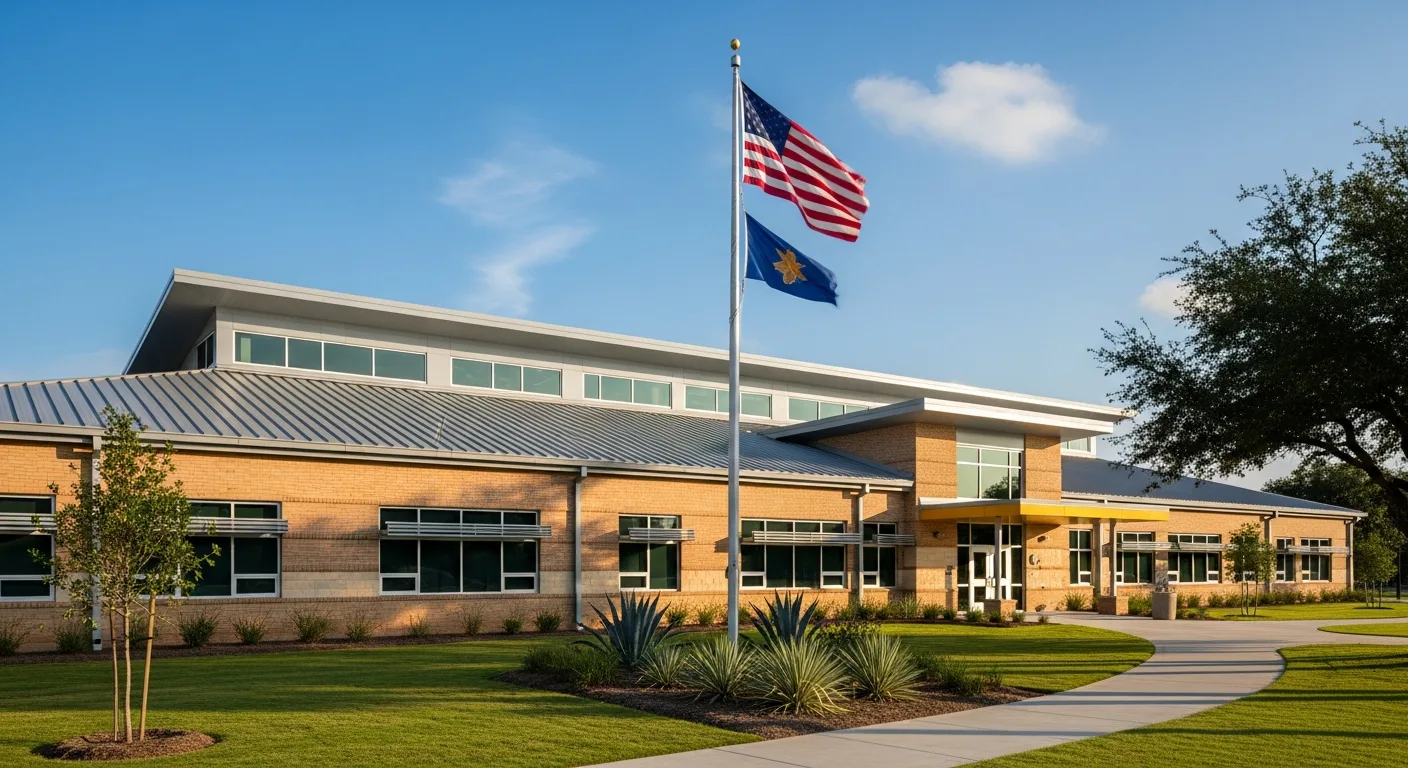
The Texas Panhandle's extreme climate conditions create particularly challenging environments for school roofing systems. With temperature swings exceeding 100°F between winter lows and summer highs, combined with frequent hail storms and sustained winds often exceeding 60 mph, educational facilities in this region require specialized roofing solutions. The National Severe Storms Laboratory data shows that the Texas Panhandle experiences some of the highest hail frequency rates in the nation, making impact resistance a critical consideration for school roofing systems.
For schools with large flat or low-slope areas, commercial membrane systems must meet stringent wind uplift requirements. The Single Ply Roofing Industry (SPRI) establishes testing standards for membrane systems, with many Texas school districts requiring systems rated for uplift pressures of 90 psf or higher. TPO and EPDM membranes from manufacturers like Carlisle SynTec offer proven performance in these demanding conditions, with mechanically fastened systems providing superior wind resistance compared to fully adhered applications.
Energy efficiency considerations are equally critical for school buildings operating under tight budget constraints. The extreme summer heat in the Amarillo region places enormous stress on HVAC systems, making reflective roofing materials essential. Cool Roof Rating Council standards indicate that highly reflective membranes can reduce surface temperatures by up to 50°F compared to traditional dark membranes, directly translating to reduced cooling costs and extended equipment life.
Safety compliance during installation and maintenance is paramount for school projects. OSHA requirements for fall protection are strictly enforced on educational facilities, with contractors required to implement comprehensive safety plans that account for the unique challenges of working around occupied school buildings. Additionally, many school districts now require IBHS FORTIFIED construction standards for new installations, providing enhanced resilience against severe weather events common to the region.