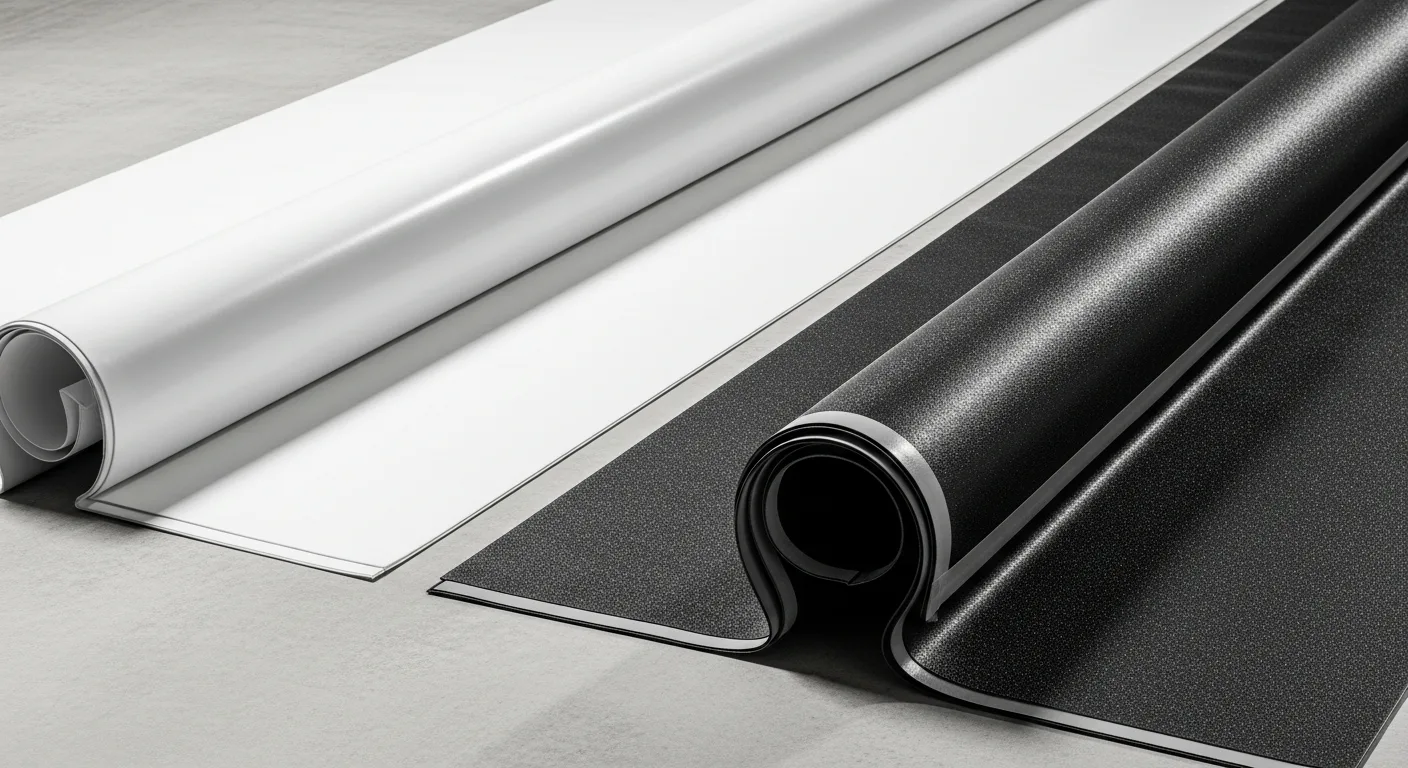
When commercial property owners evaluate roofing options, understanding the expected lifespan of different membrane systems and materials becomes crucial for long-term financial planning and building envelope performance. While TPO, EPDM, and metal roofing each offer distinct advantages, their longevity varies significantly based on installation quality, environmental conditions, and maintenance practices.
What Roof System Lifespan Means for Your Investment
Roof system lifespan encompasses more than simple material durability—it reflects the entire building envelope's ability to resist moisture intrusion, maintain thermal performance, and withstand environmental stresses over time. The National Roofing Contractors Association emphasizes that proper installation and regular maintenance significantly impact actual service life, regardless of the roofing material selected.
In commercial applications, roof replacement represents a substantial capital investment, making lifespan projections critical for budgeting and asset management. Understanding warranty requirements and expected performance helps facility managers plan maintenance schedules and replacement timelines effectively.
TPO Roofing: Modern Single-Ply Performance
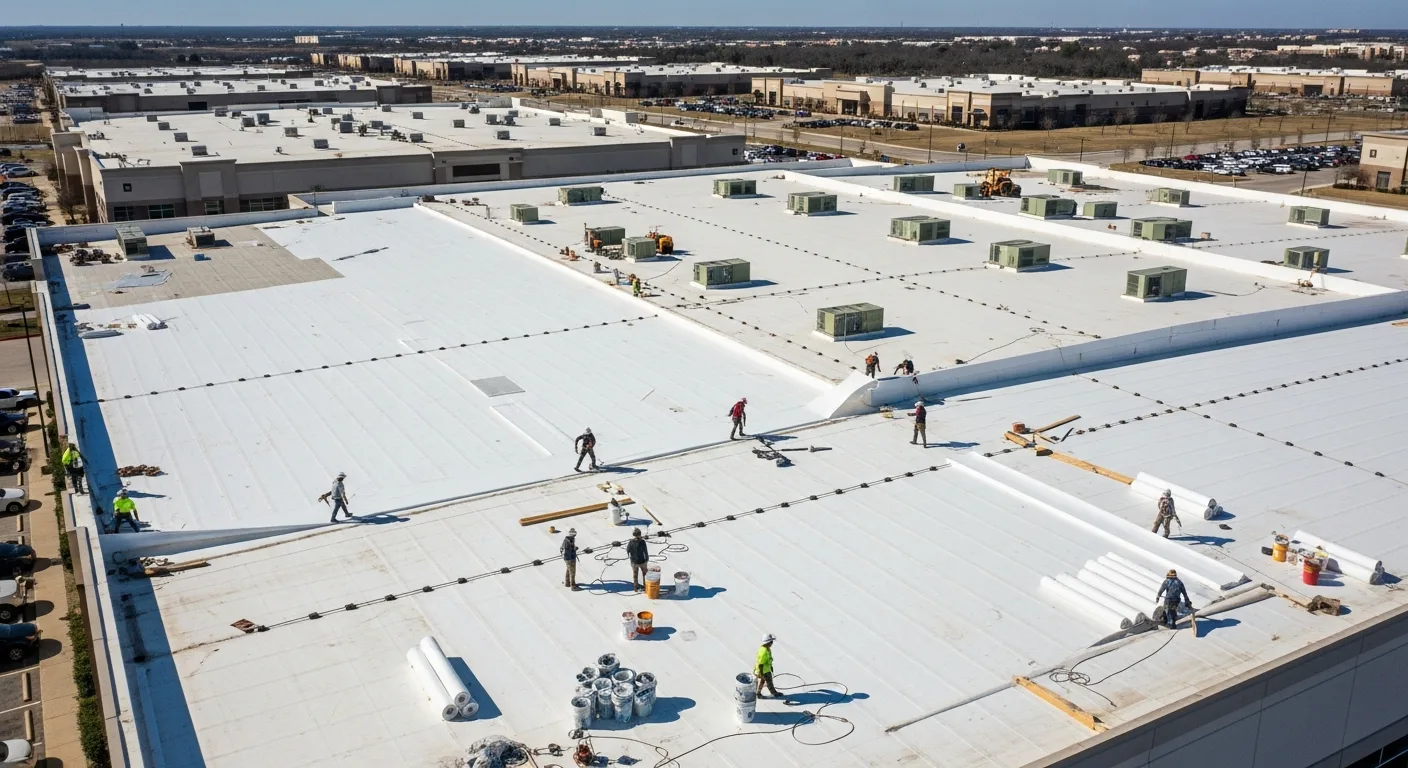
Thermoplastic Polyolefin (TPO) roofing typically delivers 15-25 years of service life under normal conditions. As a relatively newer commercial membrane system, TPO combines energy efficiency with cost-effective installation, making it increasingly popular for low-slope commercial applications.
TPO Longevity Factors
- Membrane thickness: 45-mil and 60-mil systems generally outlast thinner options
- Seam integrity: Heat-welded seams provide superior long-term durability
- UV resistance: White TPO surfaces offer excellent thermal reflectivity, reducing thermal stress
- Installation quality: Proper fastening and drainage design prevent premature failure
TPO's relatively shorter track record compared to EPDM means long-term performance data continues developing. However, quality installations with proper maintenance routinely achieve 20+ years of reliable service in commercial applications.
EPDM Roofing: Proven Rubber Membrane Reliability
Ethylene Propylene Diene Monomer (EPDM) rubber roofing demonstrates exceptional longevity, with properly installed systems lasting 20-30 years or more. This single-ply membrane's proven track record makes it a trusted choice for commercial roof systems requiring long-term reliability.
EPDM Durability Advantages
- Weather resistance: Excellent performance in extreme temperature fluctuations
- Hail resistance: Rubber composition absorbs impact better than rigid materials
- Chemical stability: Resistant to ozone, acids, and alkalis
- Flexibility: Maintains elasticity throughout temperature cycles
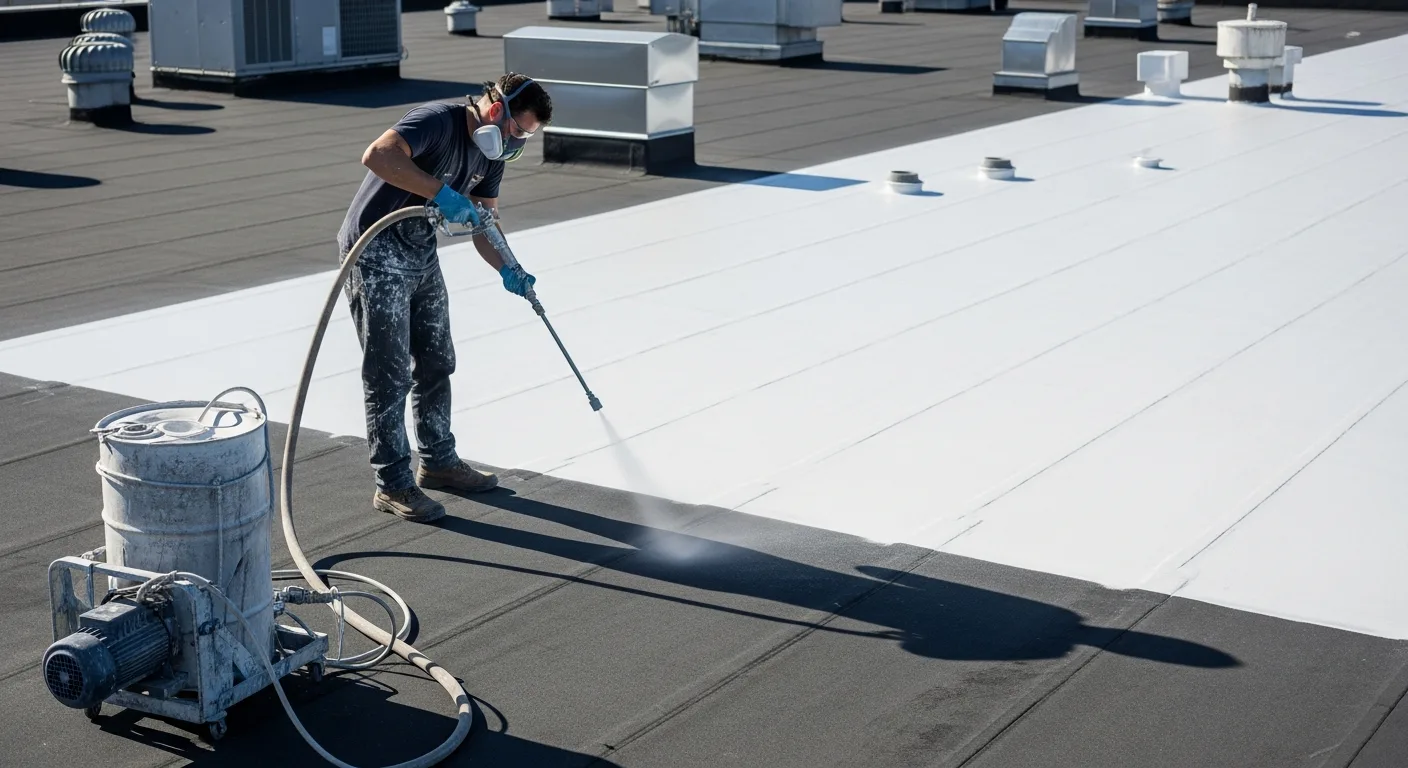
EPDM's black surface absorbs more heat than reflective alternatives, potentially increasing cooling costs. However, EPDM manufacturers offer white membrane options and coatings to improve thermal performance while maintaining the material's inherent durability.
Metal Roofing: Superior Longevity for Commercial Applications
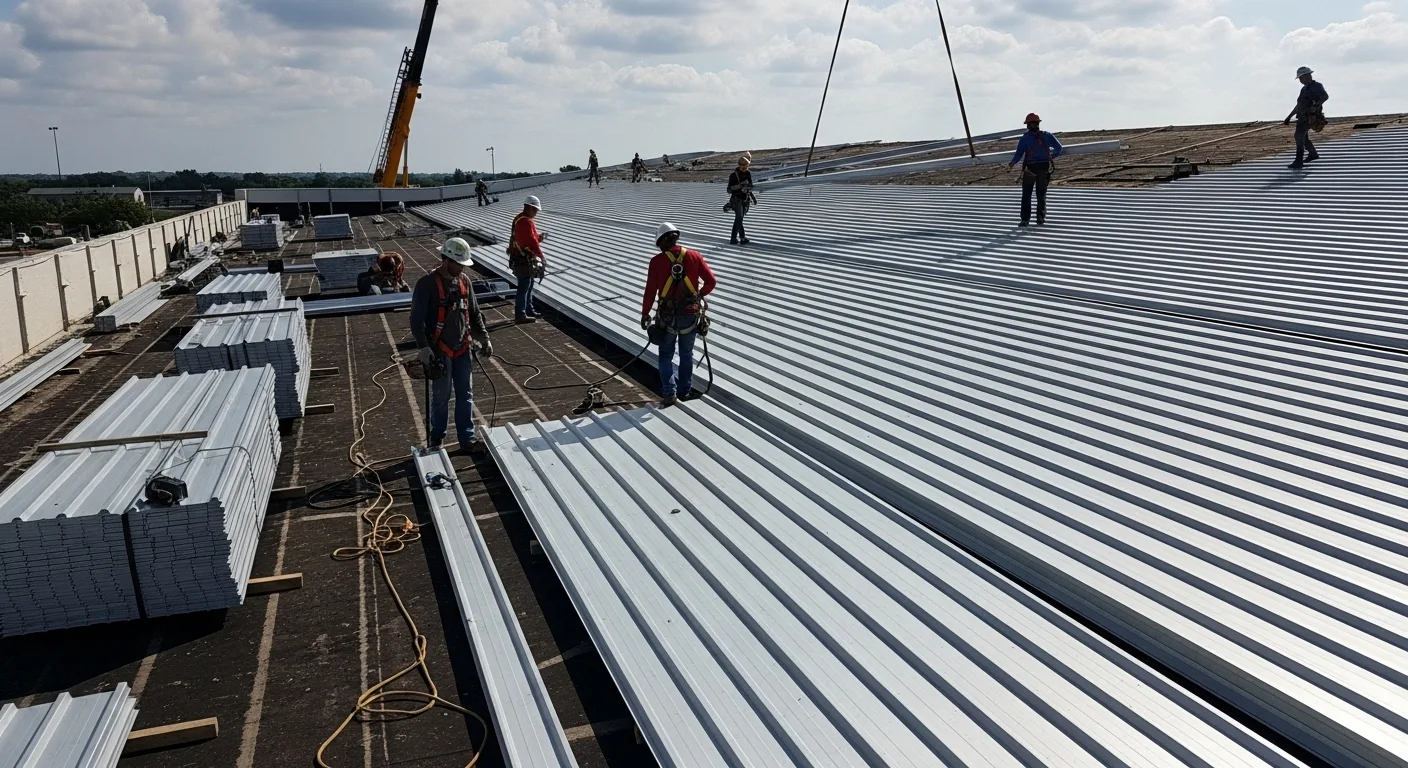
Metal roofing systems consistently deliver the longest service life among commercial roofing options, with quality installations lasting 30-50 years or more. Standing seam metal roofs, architectural metal panels, and structural metal systems each offer exceptional durability when properly designed and installed.
Metal Roofing Longevity Benefits
- Structural integrity: Resists wind uplift, impact damage, and thermal movement
- Coating systems: Advanced finishes provide decades of weather protection
- Minimal maintenance: Periodic inspections and minor repairs extend service life
- Energy performance: Reflective coatings reduce cooling loads throughout the system's life
The Department of Energy recognizes metal roofing's superior thermal performance and longevity, noting that reflective metal systems can reduce cooling costs while providing decades of reliable service.
Performance in Storm-Prone Texas Panhandle Conditions
The Texas Panhandle's severe weather patterns—including high winds, hailstorms, and extreme temperature swings—significantly impact roofing material performance and lifespan expectations.
Wind Uplift Resistance
Metal roofing systems typically provide superior wind uplift resistance compared to membrane systems. Standing seam profiles and proper fastening systems enable metal roofs to withstand the region's frequent high-wind events without compromising long-term performance.
Both TPO and EPDM require careful attention to fastening patterns and edge details to achieve adequate wind resistance. Mechanically fastened systems generally outperform fully adhered installations in high-wind environments.
Hail Impact Considerations
EPDM's rubber composition provides excellent hail resistance, often recovering from impacts that would damage other materials. TPO's performance varies with membrane thickness and temperature at impact. Metal roofing with impact-resistant coatings demonstrates superior hail durability, though denting may occur without affecting waterproofing integrity.
UV Exposure and Thermal Cycling
The intense UV exposure and dramatic temperature fluctuations common in the Texas Panhandle accelerate material aging. Reflective TPO and white EPDM systems reduce thermal stress, while metal roofing with quality finishes maintains appearance and performance despite harsh conditions.
Maximizing Roof System Lifespan
Regardless of material selection, several factors dramatically influence actual service life and long-term building envelope performance.
Professional Installation Standards
Quality installation following manufacturer specifications and industry standards ensures optimal performance. Proper substrate preparation, drainage design, and detail work prevent premature failures that compromise system longevity.
Preventive Maintenance Programs
Regular inspections and proactive maintenance extend roof system lifespan significantly. Addressing minor issues before they develop into major problems protects the building envelope and maximizes return on investment.
Commercial maintenance programs should include:
- Bi-annual professional inspections
- Drainage system cleaning and maintenance
- Seam and fastener inspections
- Timely repair of minor damage
When to Call a Professional Commercial Roofer
Selecting the optimal roofing system requires careful evaluation of building requirements, budget constraints, and long-term performance expectations. Professional assessment considers structural requirements, energy efficiency goals, and local climate challenges to recommend the most appropriate solution.
CRS Roofing & Construction's experienced team evaluates commercial roofing needs throughout the Texas Panhandle, providing detailed analysis of material options, expected performance, and lifecycle costs. Our expertise in TPO, EPDM, and metal systems ensures property owners receive comprehensive guidance for their specific applications.
Whether you're planning new construction or evaluating replacement options for an existing facility, learn more on our commercial roofing services section to discover how proper material selection and professional installation maximize your roofing investment's lifespan and performance.
In the Texas Panhandle's extreme climate, where temperatures can swing from sub-zero winters to scorching summers exceeding 100°F, material selection becomes even more critical. The region's notorious hail storms and sustained winds create additional challenges that directly impact roofing system longevity. NOAA weather data shows the Amarillo area experiences some of the most severe hail activity in the nation, making impact resistance a crucial factor in lifespan calculations.
For TPO installations in commercial applications, the Single Ply Roofing Industry (SPRI) emphasizes that proper membrane thickness and seaming techniques are essential for achieving maximum service life. Premium TPO systems from manufacturers like Carlisle SynTec feature reinforced membranes that can withstand the thermal cycling common in North Texas, where daily temperature variations of 40-50°F are routine during transitional seasons.
EPDM systems demonstrate exceptional resilience in extreme temperature environments, with some installations exceeding 30 years when properly maintained. The material's inherent flexibility allows it to accommodate the significant thermal movement experienced on flat commercial roofs. However, seam integrity becomes paramount in high-wind environments like the Texas Panhandle, where sustained winds regularly exceed 35 mph.
Metal roofing systems, particularly standing seam configurations, offer superior longevity in severe weather climates. MBCI's commercial metal systems are engineered to meet or exceed the stringent wind uplift requirements outlined in the International Building Code for high-wind zones. When properly installed with adequate structural attachment, metal roofing can achieve 40-50 year lifespans even under the harsh conditions typical of the Texas Panhandle.
Energy efficiency considerations also impact long-term performance and cost-effectiveness. Cool Roof Rating Council data indicates that reflective roofing systems can reduce surface temperatures by 50-60°F compared to traditional dark surfaces, significantly extending material life by reducing thermal stress. This becomes particularly important for commercial buildings where HVAC loads directly impact operational costs throughout the system's lifespan.