Standing water on your commercial roof after yesterday's thunderstorm isn't just an eyesore—it's a ticking financial time bomb. In the Texas Panhandle, where intense summer storms can dump inches of rain in minutes followed by scorching heat, inadequate roof drainage systems silently devastate building envelopes while inflating operational costs. The harsh reality? What starts as minor ponding water quickly escalates into structural damage, mold remediation costs, and business interruption expenses that can reach six figures.
Every day you delay addressing drainage issues, moisture intrusion penetrates deeper into your building's infrastructure. The extreme temperature swings characteristic of Amarillo's climate—from blazing 100°F summers to sudden freezing conditions—create expansion and contraction cycles that turn minor membrane seams separations into major failures. According to the National Roofing Contractors Association, poor drainage is the leading cause of premature commercial roof replacement, cutting roof lifecycles by up to 50%.
When Poor Drainage Requires Immediate Professional Attention
Recognizing the critical warning signs can save your business from catastrophic damage and costly emergency repairs. If water remains on your roof for more than 48 hours after precipitation, you're facing a drainage emergency that demands professional intervention. The Insurance Institute for Business & Home Safety identifies ponding water as a primary factor in commercial roof failures, particularly in regions experiencing severe weather events.
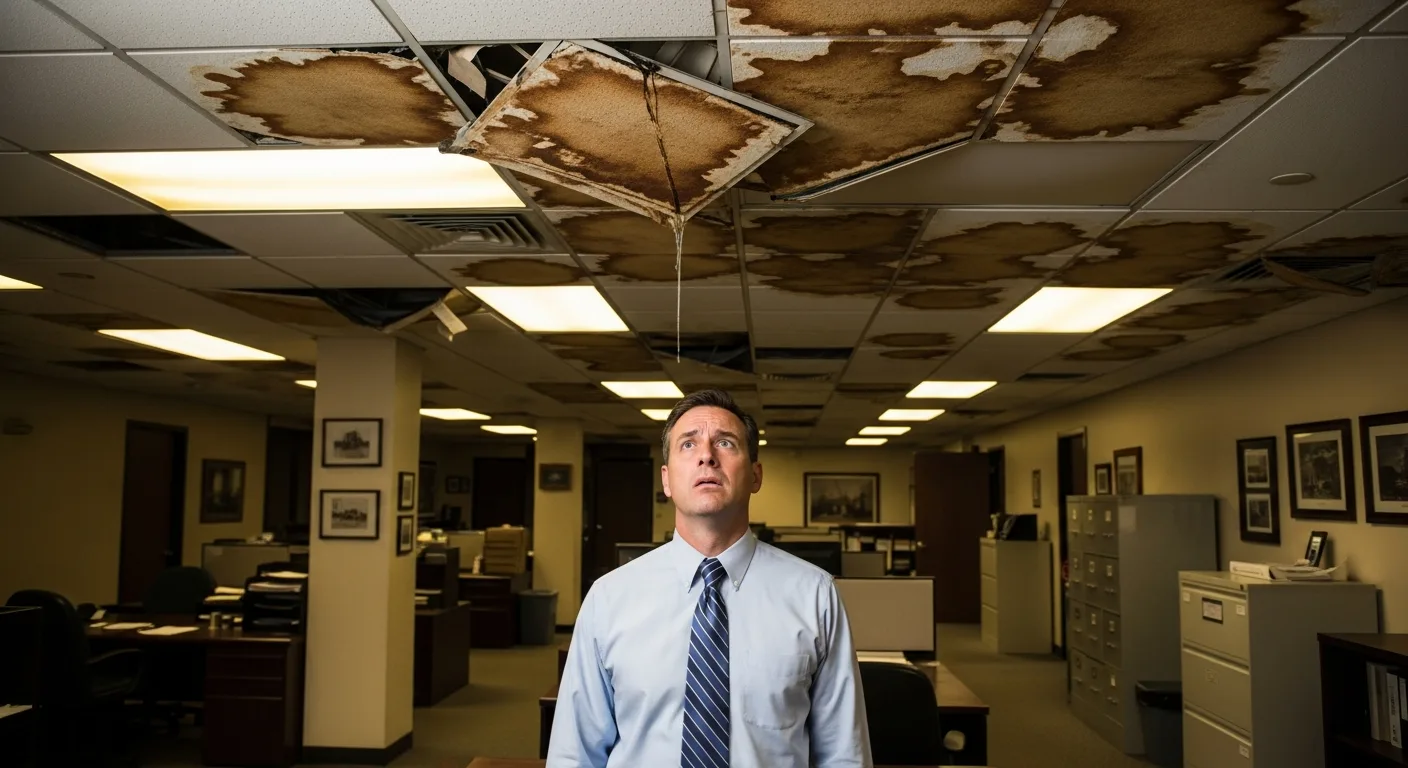
In the Texas Panhandle climate, several factors compound drainage problems rapidly. High winds can blow debris into gutters and drains, while hail damage can create subtle depressions that collect water. Temperature fluctuations cause roof membranes to expand and contract, potentially shifting drain components and creating new low spots. When you notice water stains on interior ceilings, musty odors, or visible ponding lasting beyond normal evaporation timeframes, immediate professional assessment prevents exponential damage progression.
The building envelope's integrity depends on proper water management. Moisture intrusion through compromised membrane seams leads to insulation saturation, reducing R-value efficiency and driving up energy costs. Structural components begin deteriorating, and mold growth creates health hazards requiring expensive remediation. Each storm cycle without proper drainage accelerates this destructive process, making early intervention far more cost-effective than reactive repairs.
Key Decision Factors: Repair vs. Replacement Investment Analysis
Determining whether to repair existing drainage systems or invest in comprehensive roof replacement requires careful lifecycle cost analysis. Minor drain modifications and membrane patching typically cost $3,000-$8,000 per problematic area, while complete drainage system overhauls range from $15,000-$40,000 depending on building size and complexity. However, these figures pale compared to the hidden costs of inaction.
Consider the total cost of ownership when evaluating options. Poor drainage reduces energy efficiency as saturated insulation loses thermal reflectivity properties. Interior damage from water intrusion averages $10,000-$25,000 per incident, including flooring replacement, equipment damage, and business interruption costs. Insurance claims for drainage-related damage often result in premium increases or coverage exclusions, creating long-term financial implications.
Timeline considerations significantly impact decision-making in the Texas Panhandle. Spring and fall represent optimal windows for roofing work before extreme summer heat or winter weather complications arise. Emergency repairs during peak storm seasons cost 40-60% more than planned maintenance projects. Smart business owners schedule drainage assessments during moderate weather periods, allowing time for proper planning and competitive contractor selection rather than desperate emergency hiring.
Our commercial roofing services page outlines comprehensive drainage solutions tailored to Texas Panhandle conditions, helping you understand which approach delivers optimal long-term value for your specific situation.
Proven Material and System Recommendations
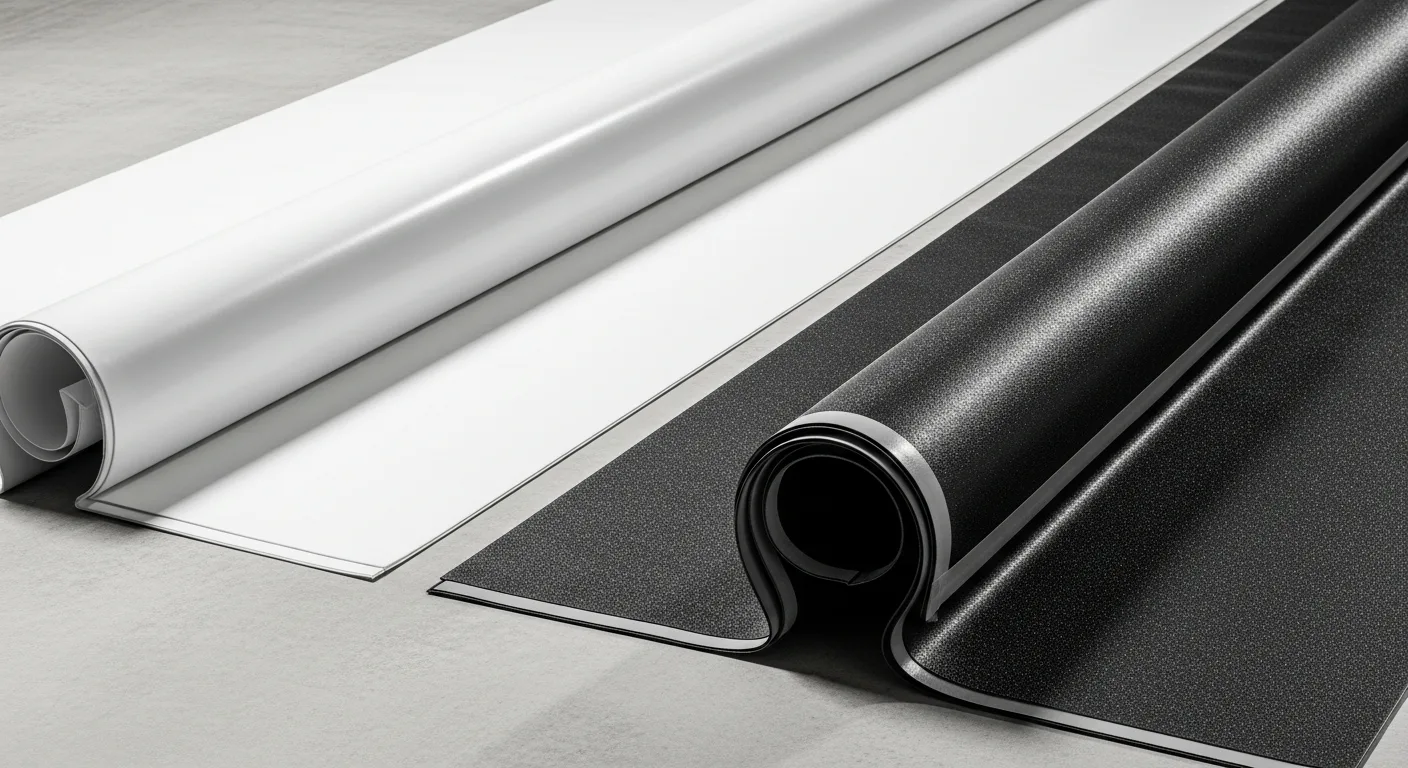
Modern commercial drainage systems offer significant advantages over older installations, particularly in challenging climates like Amarillo's. Thermoplastic polyolefin (TPO) and ethylene propylene diene monomer (EPDM) membranes provide superior wind uplift resistance and thermal cycling performance essential for Texas Panhandle conditions. These materials maintain flexibility through temperature extremes while offering excellent puncture resistance against hail damage.
Primary drainage systems should include adequately sized roof drains positioned at structural low points, with secondary overflow systems preventing catastrophic ponding during extreme weather events. Tapered insulation systems create positive drainage slopes, eliminating flat areas where water collects. Modern drain designs incorporate debris screens and heating elements where freeze-thaw cycles pose concerns.
For existing buildings with drainage challenges, retrofit solutions can dramatically improve performance without complete roof replacement. Internal drainage improvements, perimeter scupper additions, and strategic membrane modifications address ponding issues while extending roof lifecycle. However, buildings with multiple drainage problems or aging roof systems often benefit more from comprehensive replacement incorporating modern drainage technology.
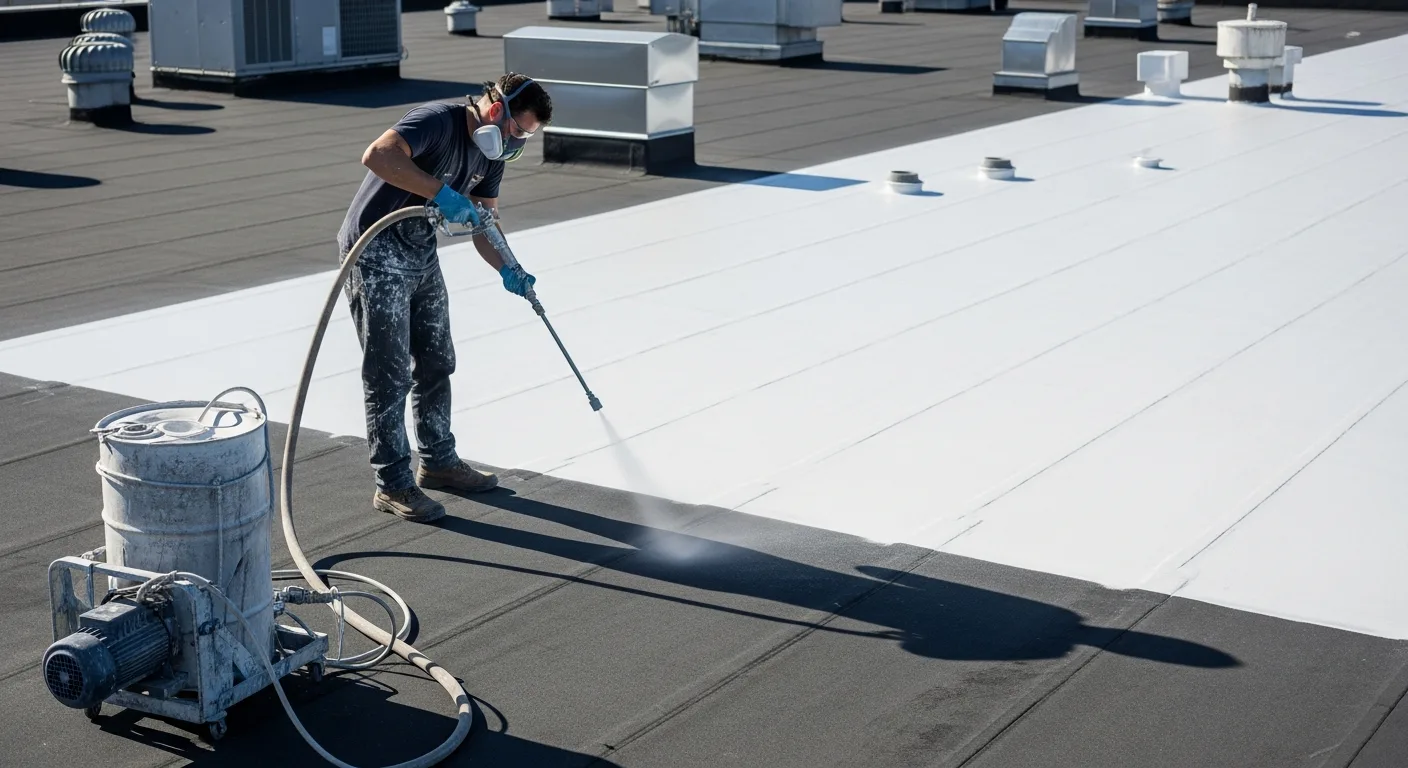
Energy efficiency considerations become crucial in the Texas heat. Cool roof coatings with high thermal reflectivity reduce membrane temperatures, decreasing expansion stress on drainage components. Proper insulation installation with adequate R-value prevents condensation issues that can compromise drainage system integrity over time.
What to Expect During Professional Drainage Correction
Professional drainage correction begins with comprehensive roof assessment using electronic leak detection and thermal imaging to identify all moisture intrusion points. Experienced contractors document existing conditions, measure ponding areas, and evaluate structural adequacy for drainage modifications. This initial phase typically requires 1-2 days for thorough commercial buildings.
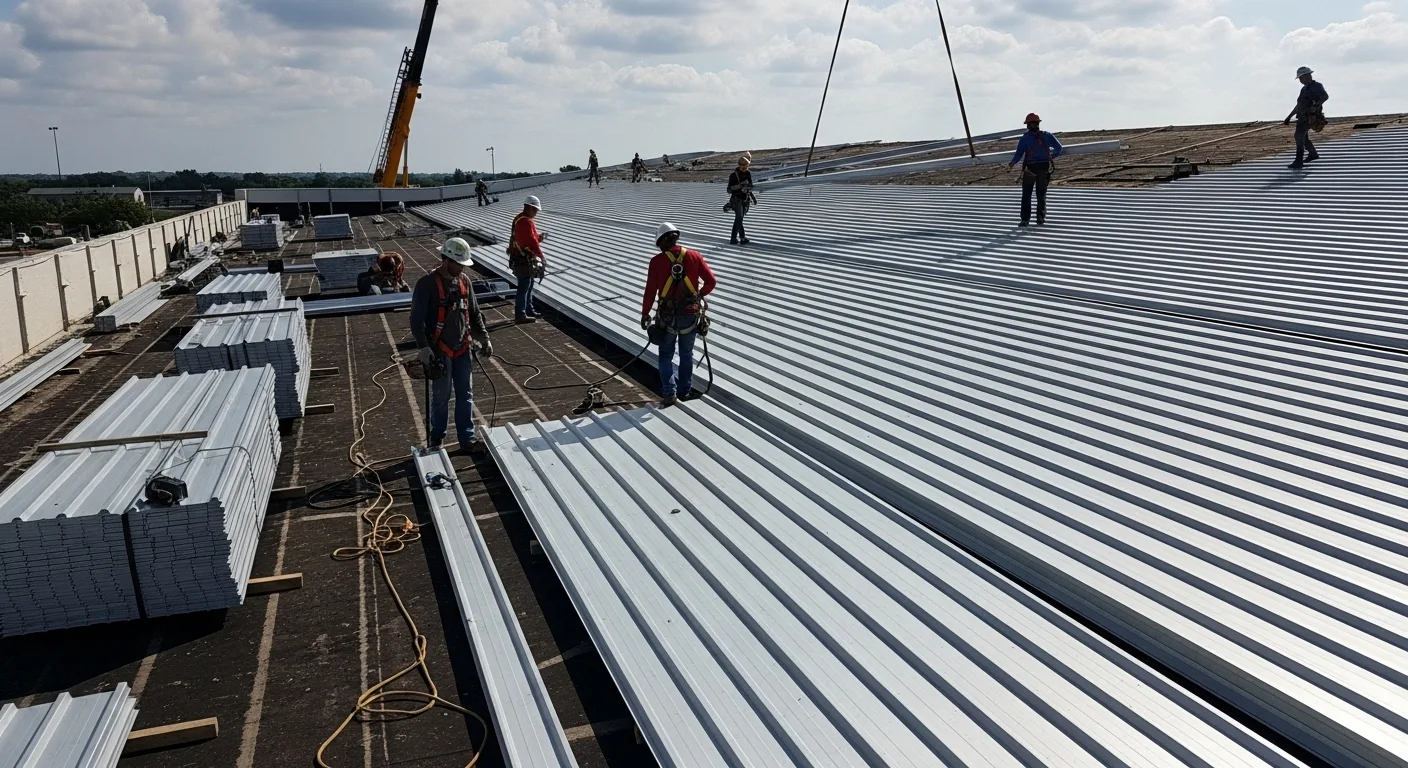
Implementation phases depend on selected solutions. Minor drain modifications and membrane repairs often complete within 3-5 business days during favorable weather. Comprehensive drainage overhauls requiring structural modifications may extend 2-3 weeks, with work scheduling around business operations to minimize disruption. Professional contractors coordinate material deliveries, permit requirements, and inspection schedules to ensure smooth project progression.
Quality contractors provide detailed project timelines, weather contingency plans, and daily progress updates. Expect temporary protective measures during construction, including tarps and barriers preventing moisture intrusion. Upon completion, professional testing verifies drainage system performance before final acceptance.
Documentation becomes crucial for warranty coverage and insurance purposes. Reputable contractors provide detailed work records, material certifications, and system performance guarantees. This documentation proves essential for future maintenance planning and potential insurance claims related to subsequent weather events.
Why Choosing the Right Contractor Makes All the Difference
Drainage system success depends heavily on contractor expertise and local climate understanding. Texas Panhandle conditions require specialized knowledge of wind uplift requirements, hail impact resistance, and thermal cycling stresses unique to this region. Contractors lacking local experience often underestimate these factors, leading to premature system failures and costly callbacks.
Proper contractor selection involves verifying licensing, insurance coverage, and manufacturer certifications for specified materials. Established contractors maintain relationships with approved suppliers, ensuring authentic materials with full warranty coverage. They understand local building codes, permit requirements, and inspection processes, preventing project delays and compliance issues.
Experience with similar building types proves critical for commercial drainage projects. Industrial facilities, retail centers, and office buildings present different challenges requiring tailored solutions. Contractors specializing in your building type understand specific requirements and potential complications, delivering more reliable results.
CRS Roofing & Construction brings over two decades of Texas Panhandle commercial roofing expertise to every drainage project. Our team understands how Amarillo's unique climate challenges affect drainage performance and building envelope integrity. We provide comprehensive solutions backed by manufacturer warranties and our commitment to long-term customer relationships built on reliable performance.
Don't let poor drainage silently destroy your commercial investment. Contact CRS Roofing & Construction today for a comprehensive drainage assessment and customized solution proposal. Our experienced team will evaluate your specific situation, provide detailed cost analysis, and recommend the most effective approach for protecting your building's long-term value. Call us now to schedule your professional inspection and take the first step toward eliminating costly drainage problems before they escalate into major building envelope failures.
The Texas Panhandle's unique meteorological profile creates the perfect storm for drainage failures. National Severe Storms Laboratory data shows that Amarillo experiences some of the nation's most dramatic temperature differentials, with daily swings of 40°F or more during transitional seasons. These extreme fluctuations cause roofing membranes to expand and contract repeatedly, creating micro-fractures around drainage components that allow water infiltration. When combined with the region's notorious hail storms—some producing golf ball-sized ice at velocities exceeding 100 mph—even minor drainage inadequacies become catastrophic vulnerabilities.
Commercial flat roof systems in Texas must comply with stringent wind uplift requirements outlined in the International Building Code, which mandates specific drainage performance standards for buildings in Wind Zone III areas like Amarillo. However, meeting minimum code requirements isn't sufficient when dealing with the Panhandle's severe weather patterns. Professional drainage assessments should evaluate not just primary drain capacity, but also secondary overflow systems and emergency drainage pathways that activate during extreme precipitation events—critical considerations given that Amarillo can receive over 3 inches of rainfall in a single hour during supercell thunderstorms.
Modern commercial roofing materials like TPO and EPDM membrane systems from Carlisle SynTec offer superior puncture resistance and weatherability, but their performance depends entirely on proper water management. Standing water creates hydrostatic pressure that can exceed 62 pounds per square foot—enough force to compromise even the most robust membrane-to-substrate adhesion. Single Ply Roofing Industry (SPRI) guidelines specify that commercial roofs should achieve complete drainage within 48 hours, but Texas Panhandle buildings benefit from systems designed to clear water within 24 hours due to the region's intense UV exposure and rapid algae growth in standing water.
Energy efficiency considerations add another layer of complexity to drainage design in Texas commercial buildings. Energy Star cool roof requirements mandate high solar reflectance values to reduce cooling costs, but ponding water negates these benefits by creating heat islands that increase HVAC loads. Additionally, Oak Ridge National Laboratory research demonstrates that moisture intrusion through compromised drainage systems can reduce insulation R-values by up to 50%, dramatically increasing energy consumption and creating ideal conditions for mold growth in Texas's humid climate zones.