Your aging roof is showing signs of wear, and you're facing a critical decision that could impact your property's value and your budget for years to come. In the harsh Texas Panhandle climate, where extreme temperature swings, devastating hail storms, and relentless UV exposure accelerate roof deterioration, the choice between applying protective coatings or investing in complete roof replacement requires careful consideration. Making the wrong decision could result in costly emergency repairs, insurance claim complications, and potentially catastrophic building envelope failure during Amarillo's next severe weather event.
When This Issue Requires Professional Attention
The decision between roof coatings and full replacement isn't one to make lightly or postpone. Several critical factors demand immediate professional evaluation, particularly in our region's challenging climate conditions.
Structural integrity concerns top the list of factors requiring expert assessment. If your roof deck shows signs of sagging, water damage, or compromised structural members, coatings won't address these fundamental issues. A professional inspection can identify whether your building's structural framework can support additional coating materials and continue protecting your investment.
Moisture intrusion indicators signal urgent attention needs. Water stains on interior ceilings, mold growth, or visible daylight through roof penetrations suggest that your building envelope has been compromised. The National Roofing Contractors Association emphasizes that addressing moisture problems quickly prevents exponential damage costs and protects indoor air quality.
Age-related deterioration patterns also require professional evaluation. Roofs approaching or exceeding their expected lifecycle often exhibit multiple failure points that coatings cannot effectively address. Our commercial roofing services page details how we assess these complex scenarios to recommend the most cost-effective long-term solution.
Insurance considerations add another layer of urgency. Many policies have specific requirements regarding roof maintenance and replacement timelines. Delaying necessary action could jeopardize coverage when you need it most during severe weather seasons.
Key Decision Factors: Understanding Your Options
The coating versus replacement decision hinges on several critical factors that directly impact your return on investment and long-term building protection.
Roof condition assessment serves as the foundation for this decision. Coatings work exceptionally well on structurally sound roofs with minor surface defects, membrane seams showing early wear, or facilities requiring enhanced thermal reflectivity. However, roofs with extensive damage, multiple leak points, or significant structural issues require complete replacement to ensure reliable protection.
Cost analysis extends far beyond initial investment. While roof coatings typically cost 30-50% less than full replacement initially, lifecycle cost analysis reveals the complete financial picture. Quality coatings can extend roof life by 10-15 years, potentially delaying replacement and providing excellent ROI. However, applying coatings to severely deteriorated roofs often results in continued maintenance costs and premature failure.
Timeline considerations prove crucial for business operations and residential comfort. Coating applications typically require 2-3 days for most commercial facilities, minimizing disruption compared to full replacement projects that may take 1-2 weeks. However, coating projects during inappropriate weather conditions can compromise application quality and performance.
Energy efficiency impacts represent a significant decision factor in our extreme climate. Modern reflective coatings can reduce cooling costs by 10-30% by increasing thermal reflectivity and improving R-value performance. The Energy Star program recognizes qualified cool roof coatings that provide measurable energy savings in hot climates like ours.
Material and System Recommendations
Selecting appropriate coating systems or replacement materials requires understanding how different options perform in Texas Panhandle conditions.
Acrylic coatings offer excellent UV resistance and thermal reflectivity, making them ideal for our intense solar exposure. These water-based systems provide good elongation properties to accommodate thermal expansion and contraction cycles common in our region. However, they require completely dry substrates for proper adhesion and may not perform well in areas with standing water concerns.
Silicone coatings excel in moisture resistance and maintain flexibility across wide temperature ranges. These systems can be applied over slightly damp surfaces and provide superior weathering resistance against hail impact and wind uplift forces. Their self-cleaning properties help maintain reflectivity over time, crucial for long-term energy performance.
Polyurethane coatings offer exceptional durability and impact resistance, making them suitable for roofs exposed to frequent hail events. These systems provide excellent adhesion and chemical resistance but require careful surface preparation and favorable weather conditions during application.
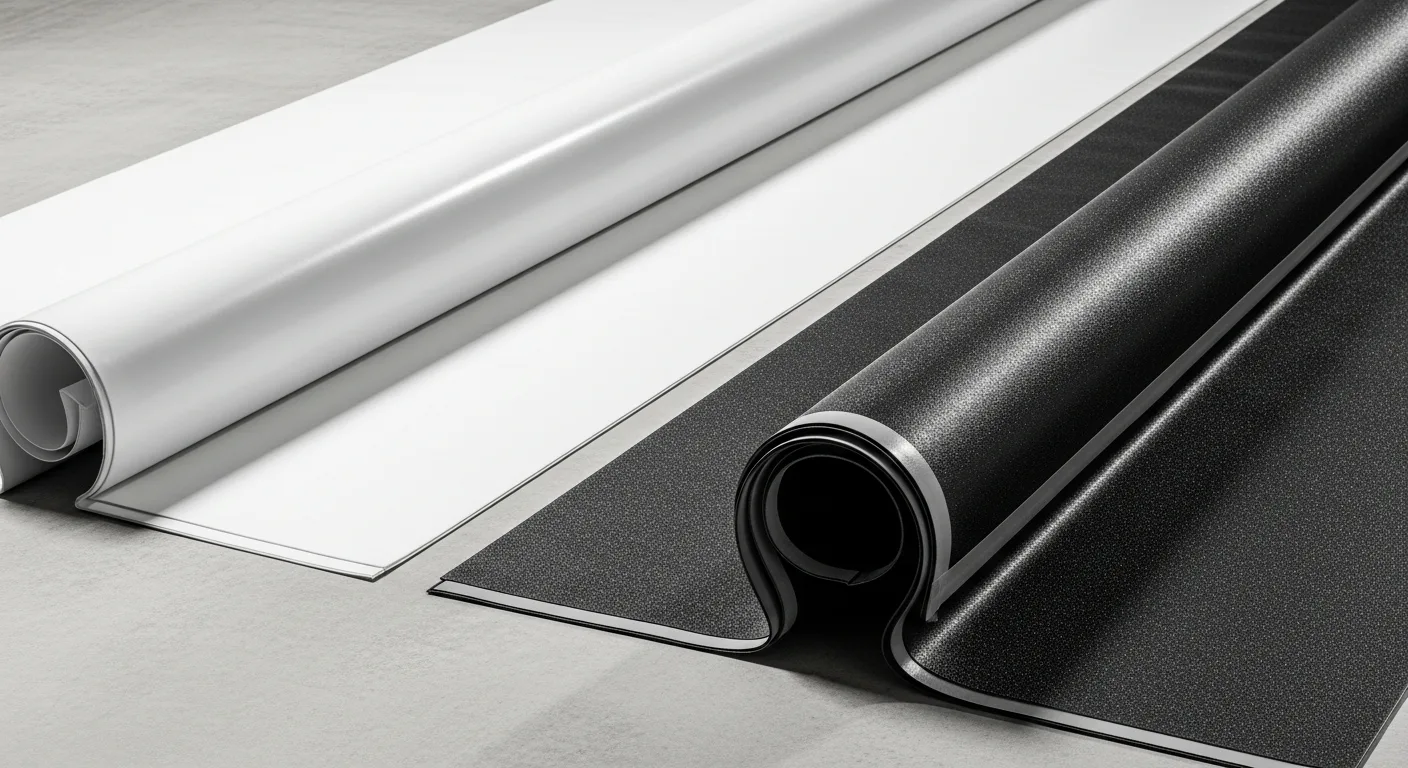
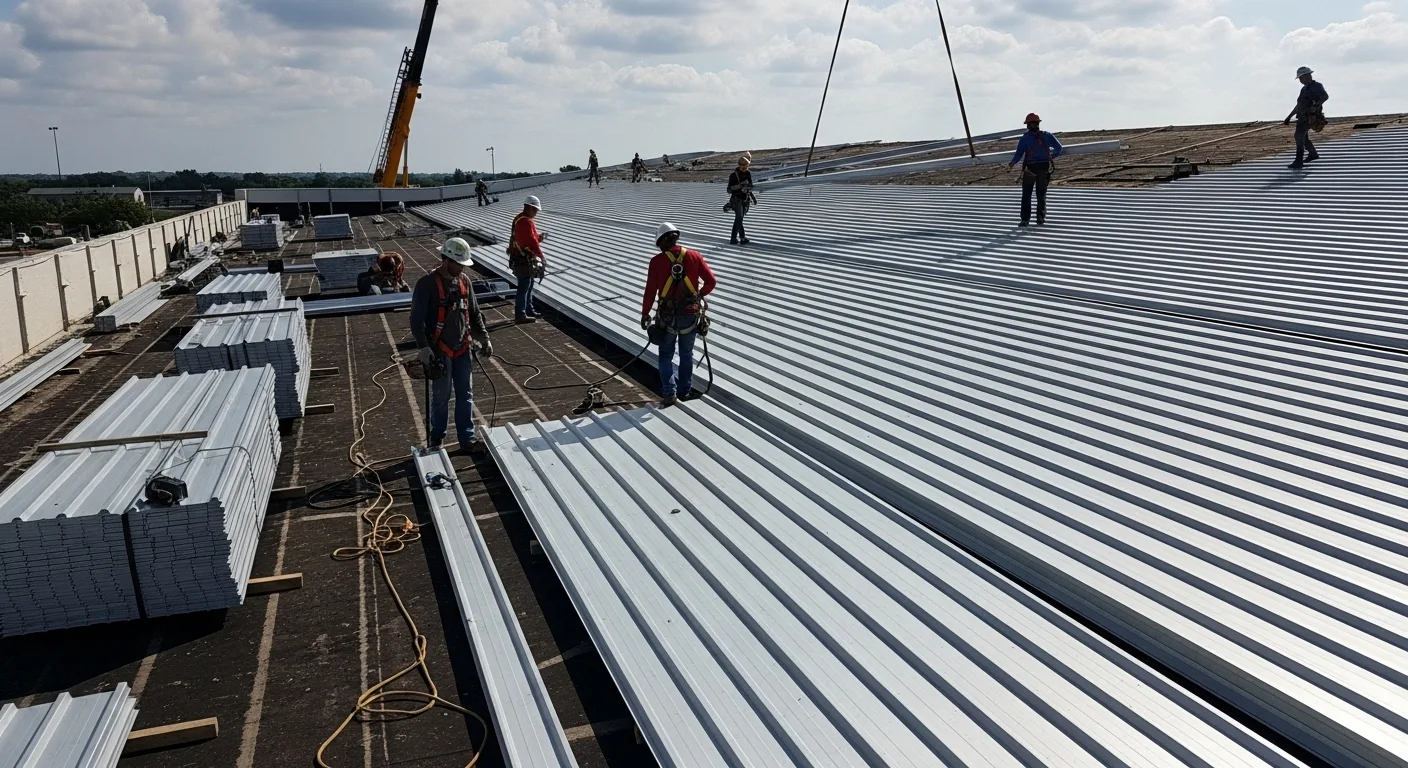
For full replacement scenarios, modern membrane systems like TPO, EPDM, or modified bitumen provide proven performance in our climate. These systems, detailed on our residential roof replacement section, offer 20-30 year warranties and predictable lifecycle performance.
What to Expect During the Process
Understanding the coating or replacement process helps you prepare for the project and ensure optimal results.
Initial assessment begins with comprehensive roof inspection, including moisture scans, core samples, and structural evaluation. Professional contractors use infrared thermography and electrical impedance testing to identify hidden moisture and assess substrate conditions accurately.
Surface preparation proves critical for coating success. This involves pressure washing, removing loose materials, sealing penetrations, and addressing membrane seams or damaged areas. Proper preparation typically represents 60-70% of coating project time but ensures long-term adhesion and performance.
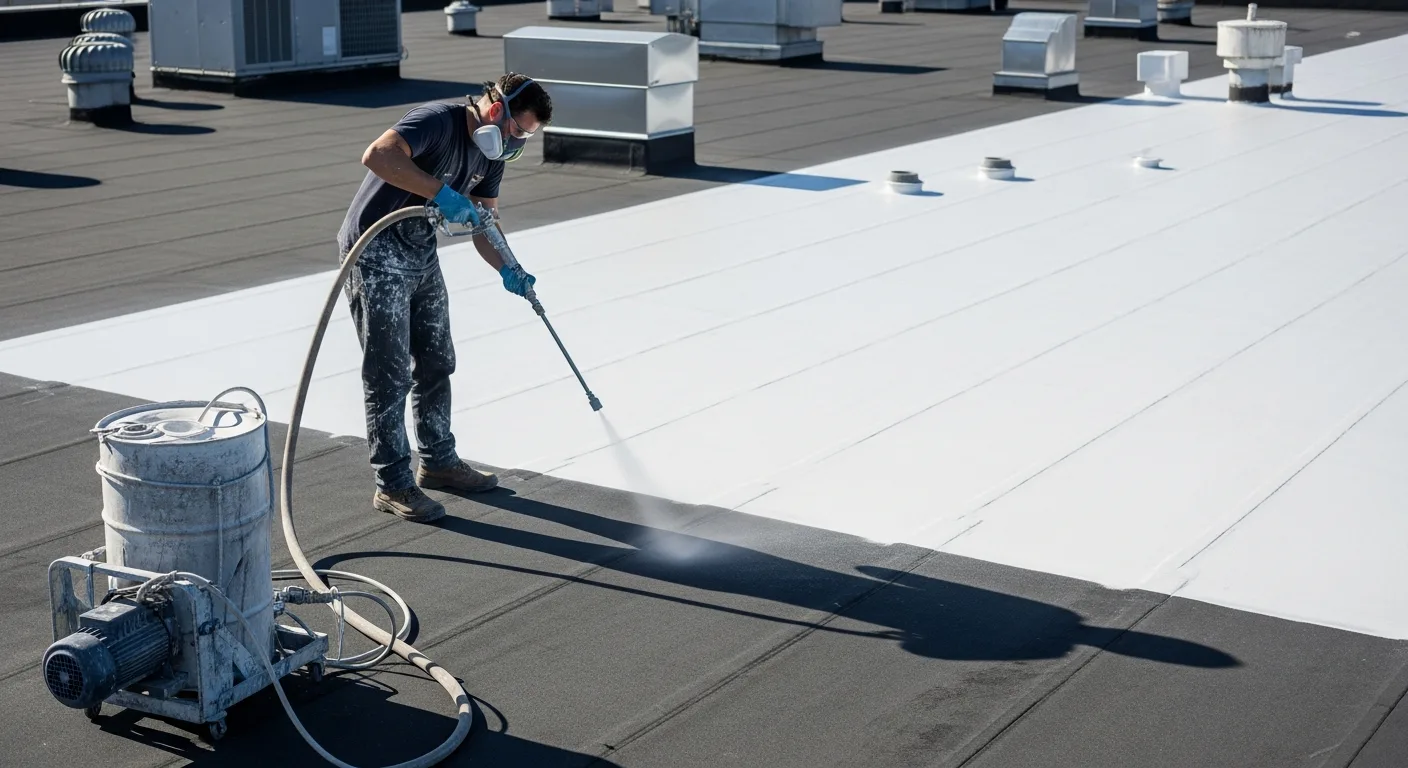
Application procedures vary by coating type but generally involve primer application, base coat installation, and finish coat application. Weather monitoring throughout the process ensures optimal curing conditions and prevents application during high humidity, extreme temperatures, or precipitation events.
Quality control measures include film thickness testing, seam inspection, and final system verification. Professional contractors document each phase to ensure warranty compliance and provide maintenance guidance for optimal system performance.
Why Choosing the Right Contractor Matters
The success of either coating applications or replacement projects depends heavily on contractor expertise and local experience.
Local climate knowledge proves invaluable for material selection and application timing. Contractors familiar with Texas Panhandle weather patterns understand seasonal considerations, optimal application windows, and material performance expectations in extreme conditions.
Proper licensing and insurance protect your investment and ensure code compliance. Qualified contractors maintain manufacturer certifications for specific coating systems and carry comprehensive liability coverage for project protection.
Warranty provisions vary significantly between contractors and systems. Reputable contractors offer comprehensive warranties covering both materials and workmanship, backed by established relationships with manufacturers and local presence for ongoing support.
Project management capabilities ensure efficient completion with minimal disruption. Experienced contractors coordinate material delivery, weather monitoring, and application sequencing to maximize productivity and system performance.
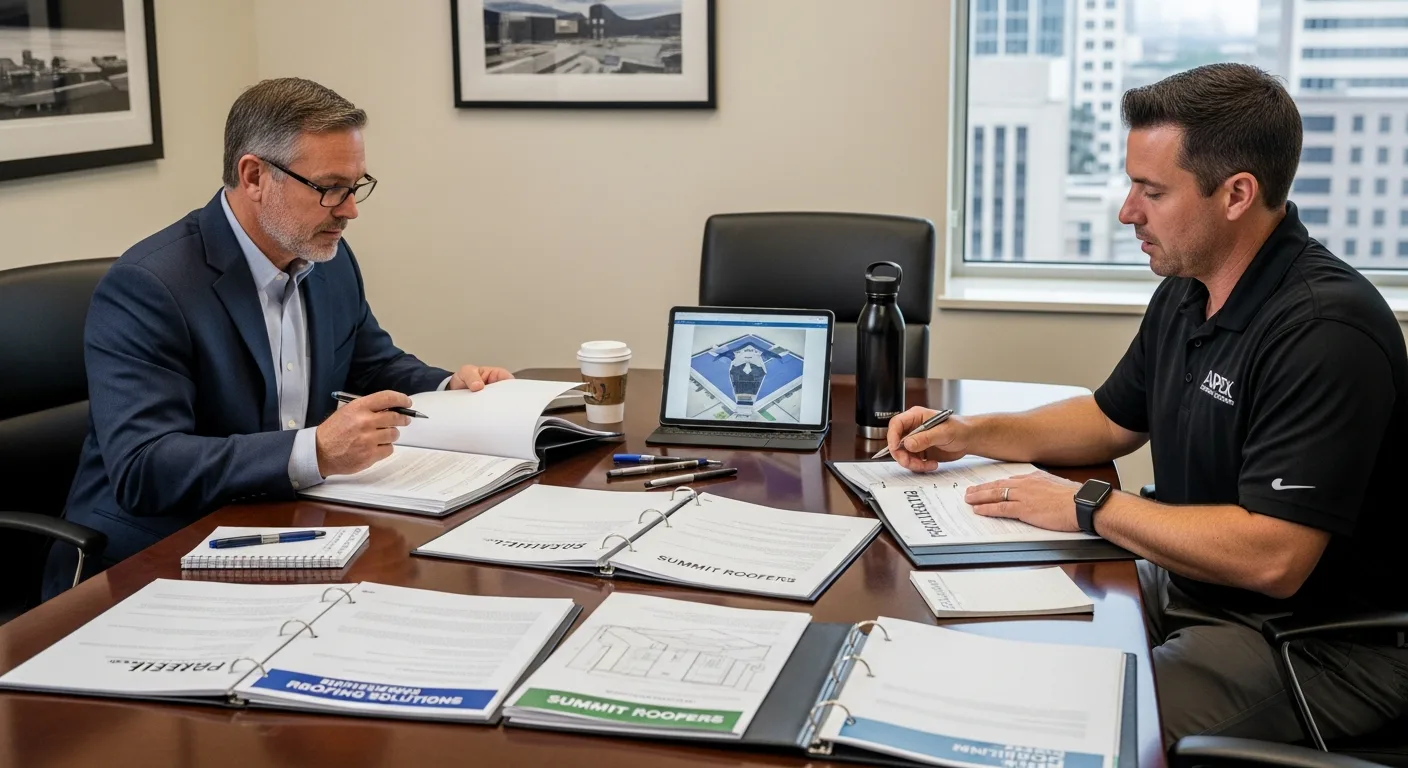
Don't let roof deterioration compromise your property's protection and value. Contact CRS Roofing & Construction today for a comprehensive roof assessment and detailed cost comparison between coating and replacement options. Our certified professionals will evaluate your specific situation, explain your options clearly, and provide transparent pricing for both solutions. With severe weather season approaching, taking action now ensures your roof provides reliable protection when you need it most. Call us immediately to schedule your consultation and discover which solution delivers the best long-term value for your investment.
Age and material compatibility factors also influence the viability of coating applications. Commercial roofing systems older than 20 years may have membrane degradation that prevents proper coating adhesion. According to Single Ply Roofing Industry (SPRI) standards, substrate preparation becomes increasingly critical as roof age advances, particularly for TPO and EPDM systems common in our region.
The Texas Panhandle's extreme weather patterns demand specific material performance criteria that influence the coating versus replacement decision. National Severe Storms Laboratory data shows our region experiences some of the nation's most frequent large hail events, with stones exceeding golf ball size occurring multiple times annually. These impacts can compromise coating integrity within months of application if the underlying membrane has existing punctures or weak spots.
Energy efficiency considerations play an increasingly important role in commercial roofing decisions. The U.S. Department of Energy reports that properly applied reflective coatings can reduce cooling costs by 10-15% in hot climates like ours, where summer temperatures routinely exceed 100°F for weeks at a time. However, these energy savings only materialize if the coating maintains its reflective properties, which requires a structurally sound substrate and proper application techniques.
Code compliance and insurance implications cannot be overlooked in this decision process. FM Global standards specify minimum uplift resistance requirements for commercial roofing systems, particularly critical in our high-wind environment where straight-line winds can exceed 80 mph during severe thunderstorms. Coating applications must maintain these engineered wind uplift ratings, which may not be achievable on severely deteriorated roof systems.
The decision timeline becomes compressed when dealing with membrane systems approaching failure. Versico's technical guidelines emphasize that once moisture has penetrated the building envelope, coating applications become temporary solutions at best. In Amarillo's climate, where freeze-thaw cycles can rapidly expand existing damage, delaying replacement when structural issues exist often results in exponentially higher repair costs.