When selecting roofing materials, property owners often focus on durability and aesthetics while overlooking thermal performance. However, understanding R-values—the measure of a material's resistance to heat flow—can significantly impact your building's energy efficiency, comfort levels, and long-term operating costs, especially in climates with extreme temperature fluctuations like the Texas Panhandle.
What R-Value Means and Why It Matters for Your Roof System
R-value measures thermal resistance, indicating how well a material prevents heat transfer. Higher R-values provide better insulation performance, keeping conditioned air inside your building while blocking unwanted heat gain or loss through the building envelope. For roofing systems, R-value becomes critical because roofs absorb substantial solar radiation and experience the greatest temperature differentials between interior and exterior environments.
The Department of Energy emphasizes that proper roof insulation can reduce energy costs by 10-50%, making R-value selection a crucial financial decision. In commercial applications, inadequate thermal performance can lead to uncomfortable working conditions, increased HVAC loads, and higher operational expenses that compound over the roof system lifespan.
R-Values of Common Roofing Materials
Different roofing materials provide varying levels of thermal resistance, and understanding these differences helps inform material selection:
Asphalt Shingles
Standard asphalt shingles offer minimal R-value (approximately R-0.4 to R-0.8 per inch), providing little thermal resistance on their own. However, when combined with proper underlayment and attic insulation, they can contribute to an effective roof system. Impact-resistant shingles maintain similar thermal properties while offering enhanced protection against hail damage common in the Texas Panhandle.
Metal Roofing
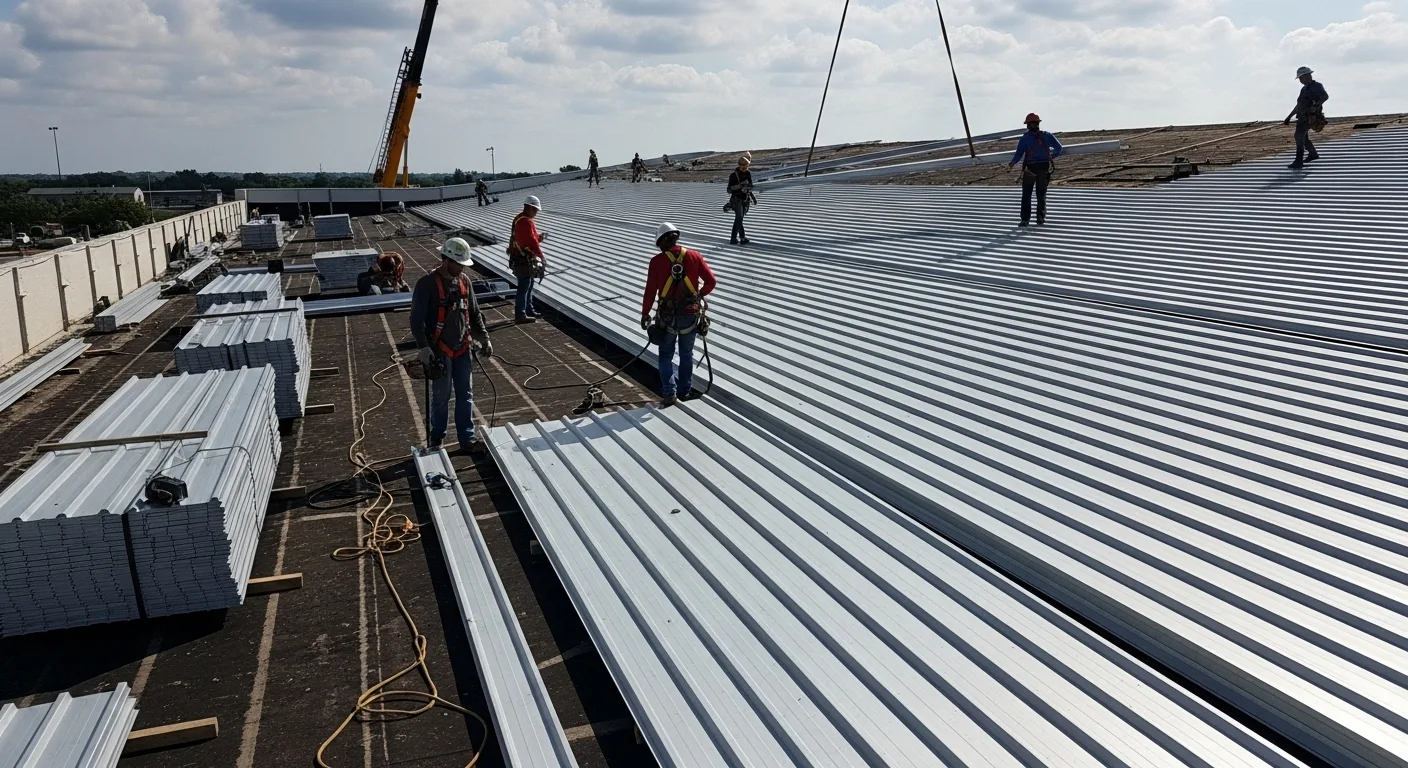
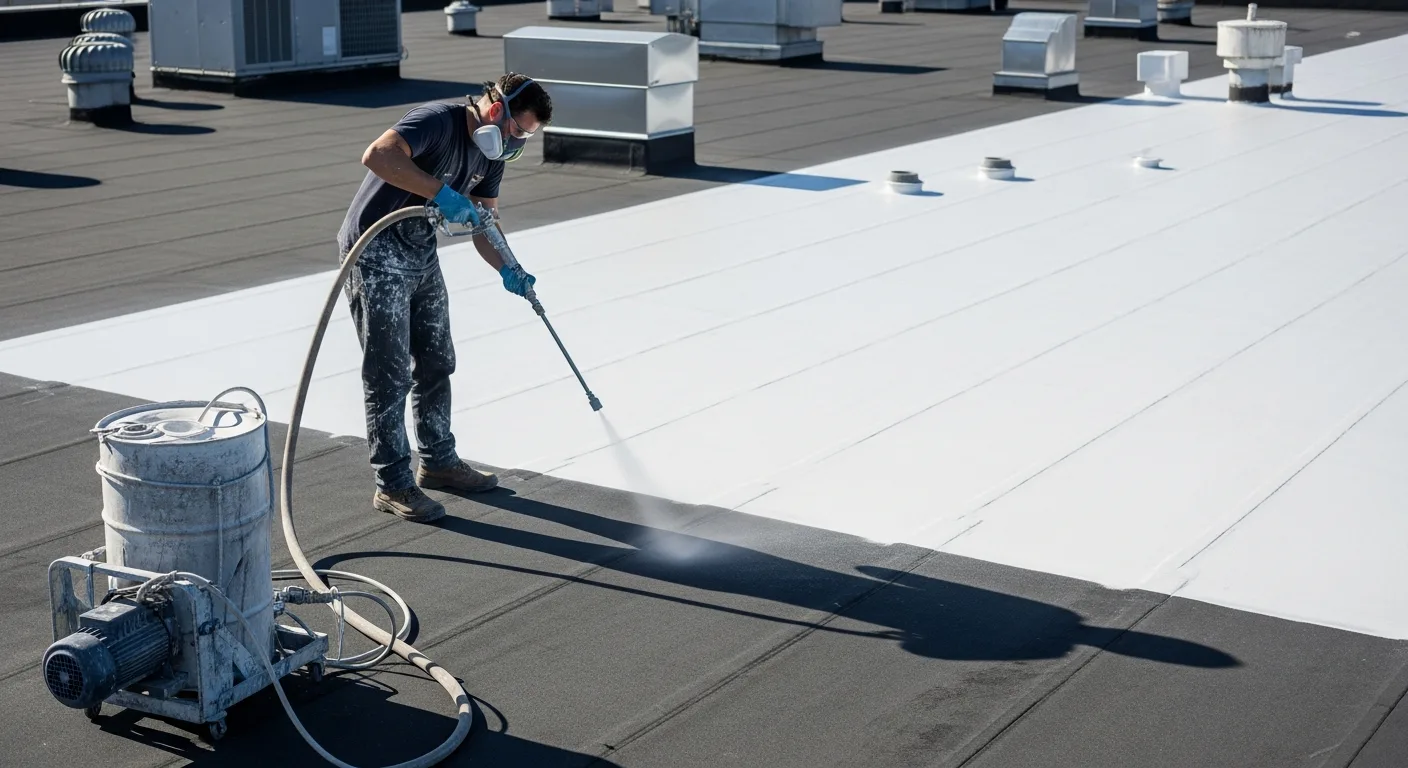
Metal roofing materials typically provide R-values between R-0.5 and R-1.0 per inch. While the base material offers limited insulation, metal roofing systems often incorporate reflective coatings that reduce heat absorption. These "cool roof" technologies can significantly impact building energy performance by reflecting solar radiation rather than absorbing it.
Clay and Concrete Tiles
Clay tiles offer R-values around R-0.4 per inch, while concrete tiles provide approximately R-0.1 to R-0.2 per inch. However, tile roofing systems create natural air spaces that enhance overall thermal performance through convective cooling effects.
Commercial Membrane Systems
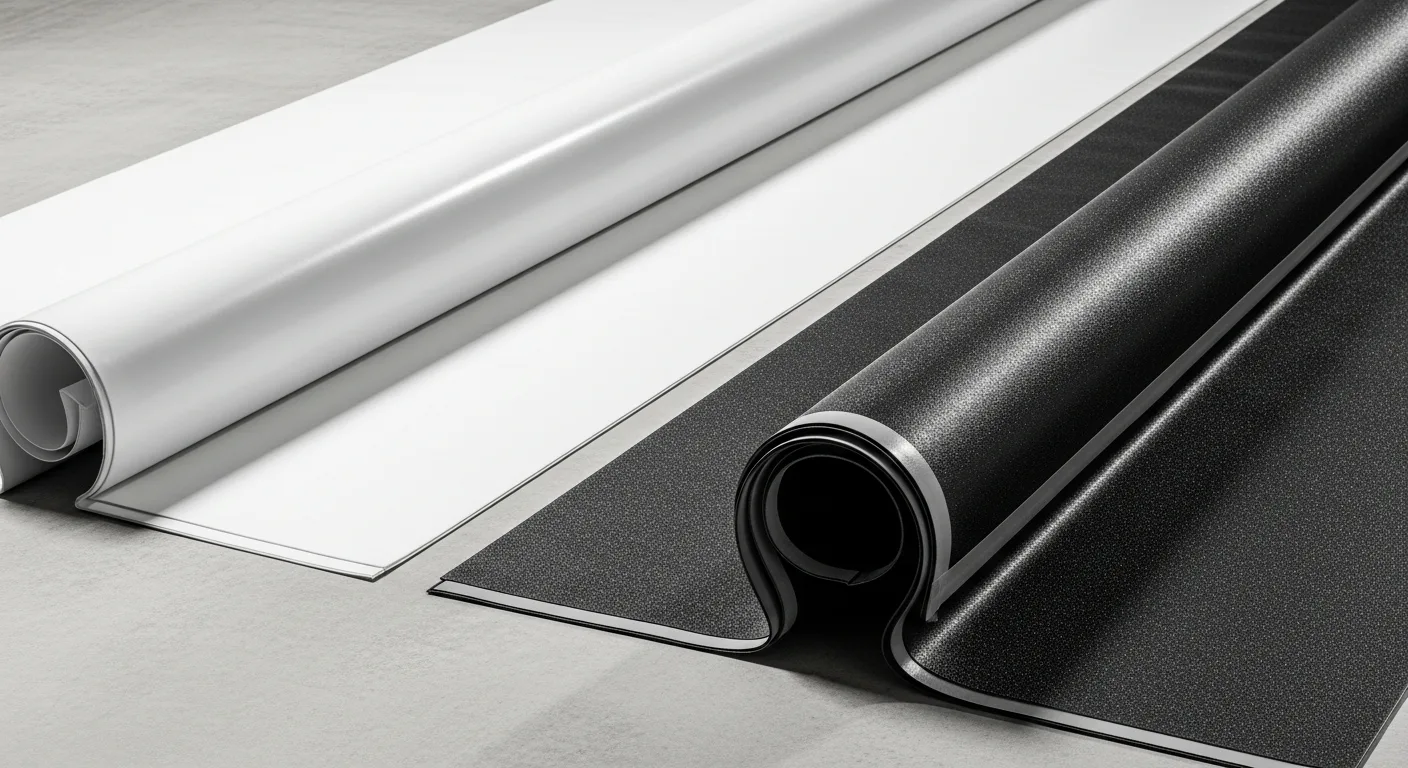
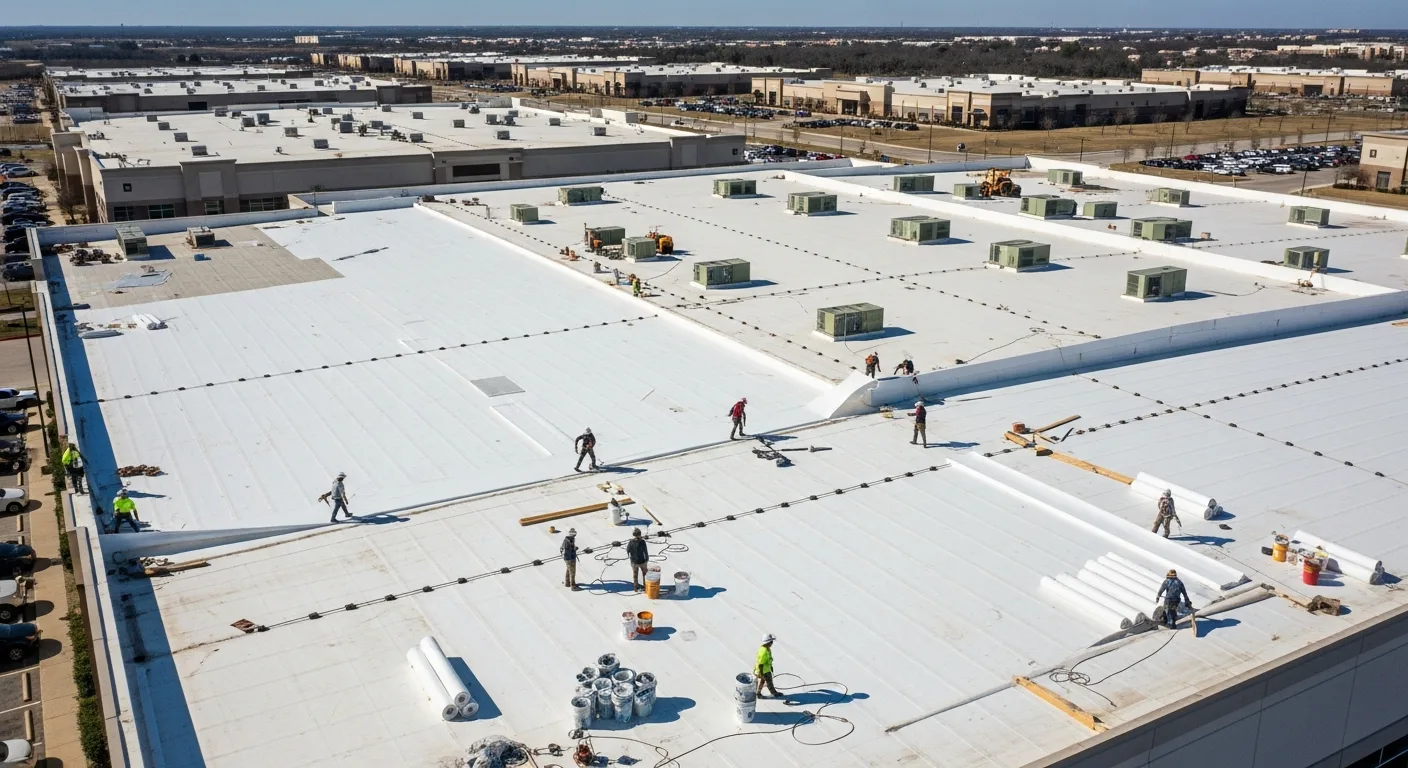
Single-ply membrane systems like TPO, EPDM, and PVC typically provide minimal R-value (R-0.5 to R-1.0), but manufacturers often integrate them with polyisocyanurate (polyiso) insulation boards. These insulation layers can achieve R-values from R-5 to R-8 per inch, creating highly efficient commercial roof systems when properly installed to prevent thermal bridging.
Built-Up and Modified Bitumen Systems
Traditional built-up roofing (BUR) and modified bitumen systems offer limited R-value in their membrane components but rely on integrated insulation layers to achieve thermal performance. When combined with rigid foam insulation, these systems can achieve excellent thermal resistance while maintaining proven waterproofing capabilities.
Factors Affecting Roofing R-Value Performance
Several factors influence how R-values translate to real-world thermal performance:
Installation Quality and Thermal Bridging
Improperly installed insulation can create thermal bridges—pathways for heat transfer that bypass insulated areas. Gaps, compression, or damaged insulation dramatically reduce effective R-values. Professional installation ensures continuous thermal barriers and proper vapor barrier placement to prevent moisture intrusion that can degrade insulation performance.
Age and Environmental Degradation
R-values can decrease over time due to settling, moisture exposure, or UV degradation. Regular roof inspections help identify compromised insulation before it significantly impacts energy performance.
Air Sealing and Ventilation Balance
Even high R-value materials perform poorly without proper air sealing. Uncontrolled air movement can bypass insulation entirely, making ventilation design crucial for maintaining thermal performance while preventing moisture problems.
R-Value Considerations for High-Wind and Storm-Prone Areas
In regions experiencing severe weather like the Texas Panhandle, R-value selection must balance thermal performance with structural requirements. High winds can create uplift forces that affect insulation attachment methods, while hailstorms can damage both roofing materials and underlying insulation layers.
Wind uplift resistance requirements may limit insulation thickness or dictate specific attachment patterns that affect thermal performance. Working with experienced professionals ensures that R-value goals don't compromise structural integrity or warranty requirements from manufacturers like GAF or Owens Corning.
Impact-Resistant Options
Storm-prone areas benefit from impact-resistant materials that maintain R-value performance after hail events. Class 4 impact-rated shingles and reinforced membrane systems protect underlying insulation from damage that could compromise long-term thermal performance.
Optimizing R-Value for Different Building Types
Residential Applications
Residential roofing systems typically achieve R-value through attic insulation rather than roofing materials themselves. However, radiant barriers and reflective roofing materials can significantly reduce heat gain, improving comfort and reducing cooling costs. Learn more on our residential roofing service page about integrated approaches to thermal performance.
Commercial Buildings
Commercial roofing systems often integrate insulation directly into the roof assembly, making material R-values more critical. Low-slope commercial roofs particularly benefit from continuous insulation that eliminates thermal bridging while maintaining proper drainage dynamics to prevent ponding water. Visit our commercial roofing services section for information about energy-efficient membrane systems.
Industrial Facilities
Industrial buildings may require specialized R-value solutions based on interior processes and temperature requirements. High-temperature applications or buildings with significant internal heat loads need carefully calculated thermal performance to maintain comfortable working conditions while controlling energy costs.
When to Call a Professional Roofer
Determining optimal R-values requires understanding local building codes, energy efficiency standards, and the interaction between different building envelope components. Professional roofers can conduct energy assessments, calculate heat transfer coefficients, and recommend solutions that balance thermal performance with durability and cost-effectiveness.
The National Roofing Contractors Association emphasizes that proper thermal design requires expertise in building science, local climate conditions, and material performance characteristics. Professional installation ensures that specified R-values translate to actual energy savings and comfort improvements.
Additionally, roofing professionals can help navigate utility rebate programs and tax incentives available for energy-efficient roofing systems, potentially offsetting higher initial costs of better-insulated roof systems.
Understanding R-values helps property owners make informed decisions about roofing materials and systems that will provide long-term energy savings and comfort. Consider scheduling a comprehensive roof inspection to evaluate your current system's thermal performance and explore energy-efficient upgrade options that make sense for your specific building and budget requirements.
In the Texas Panhandle, where summer temperatures routinely exceed 100°F and winter conditions can drop below freezing, proper thermal performance becomes even more critical. The extreme temperature swings place tremendous stress on roofing systems, making adequate R-values essential for both structural longevity and occupant comfort. Department of Energy guidelines recommend minimum R-30 to R-60 for attic insulation in Texas climate zones, though commercial applications often require higher performance standards.
For commercial roofing systems, industry standards established by organizations like ASHRAE provide specific thermal performance requirements based on building type and usage. These standards consider factors beyond basic R-value, including thermal bridging, air infiltration, and the building envelope's overall performance. In metal roofing applications, manufacturers like MBCI offer insulated panel systems that can achieve R-values ranging from R-10 to R-30, depending on core material thickness and composition.
Single-ply membrane systems popular in commercial applications also contribute to overall thermal performance. Carlisle SynTec's TPO systems can be installed over various insulation types to achieve specified R-values while maintaining membrane integrity. The key lies in proper system design that accounts for thermal movement, particularly important in the Texas Panhandle's extreme temperature variations.
Code compliance represents another crucial consideration, as the International Building Code requires specific thermal performance standards for different building types. ICC building codes establish minimum requirements, but exceeding these standards often provides significant long-term benefits. Energy modeling studies conducted by NREL demonstrate that higher-performing roof systems can reduce cooling costs by up to 40% in hot climates like ours, making the initial investment in superior R-values a sound financial decision for property owners throughout the Amarillo area.