With metal roofing systems representing one of the largest upfront investments in commercial and residential construction, property owners frequently question whether the premium cost delivers genuine long-term value. While initial installation costs typically exceed traditional asphalt shingles by 40-60%, understanding the total cost of ownership reveals why metal roofing has become increasingly popular for properties facing extreme weather conditions like those common in the Texas Panhandle.
What Makes Metal Roofing a Significant Investment
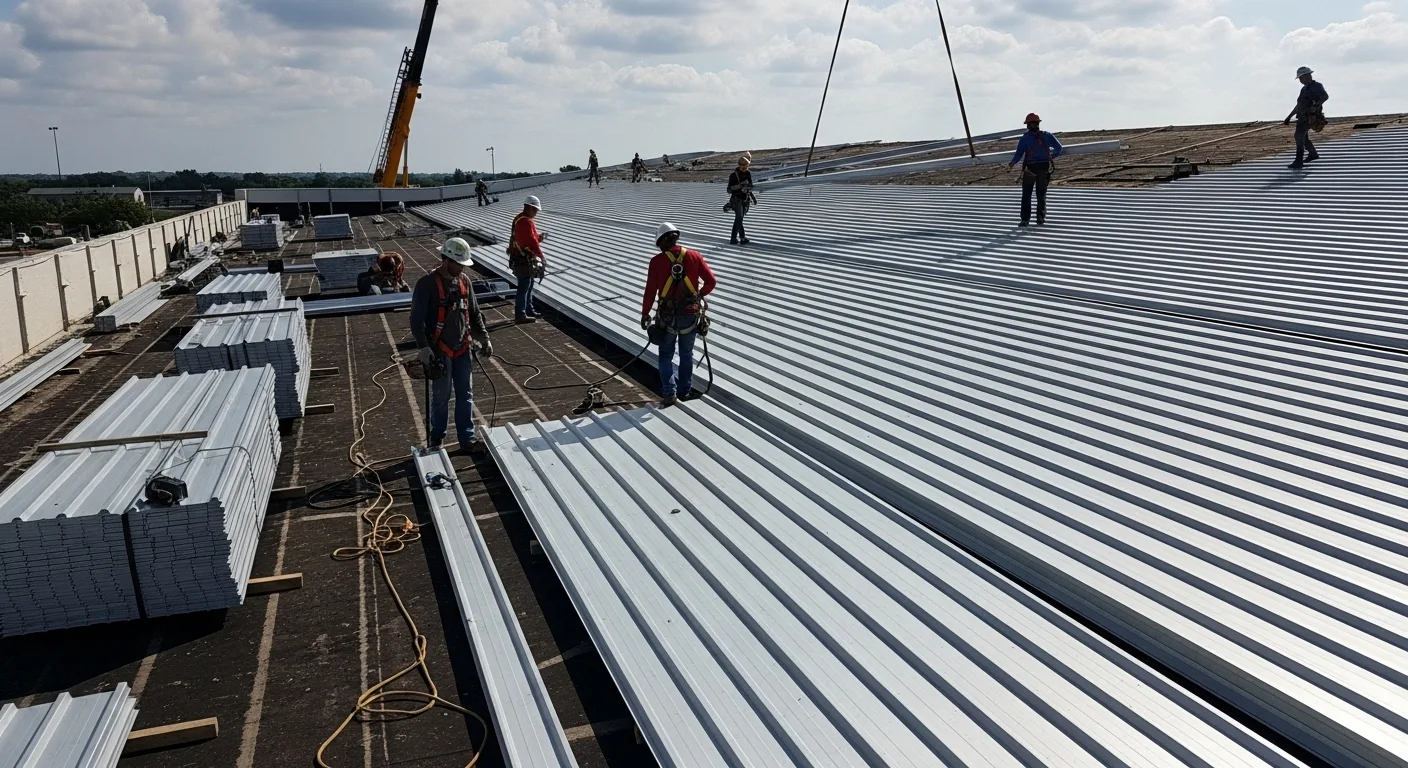
Metal roofing systems command higher initial costs due to superior materials, specialized installation requirements, and enhanced building envelope performance. Standing seam metal roofs, corrugated panels, and metal shingle systems each offer distinct advantages that justify their premium pricing through extended roof system lifespan and reduced maintenance requirements.
The investment value extends beyond the roofing material itself. Metal roofing systems integrate advanced thermal reflectivity properties, achieving "cool roof" performance that reduces cooling costs significantly. This energy efficiency becomes particularly valuable in regions experiencing extreme temperature fluctuations and intense UV exposure.
Modern metal roofing systems also provide exceptional wind uplift resistance, with properly installed standing seam systems capable of withstanding winds exceeding 150 mph. This structural integrity proves invaluable for properties in storm-prone areas where traditional roofing materials frequently require premature replacement following severe weather events.
Key Factors Driving Metal Roofing Value
Several critical factors contribute to metal roofing's long-term investment value, beginning with exceptional durability. Quality metal roofing systems routinely achieve 40-70 year lifespans, compared to 15-25 years for conventional asphalt shingles. This extended service life reduces replacement frequency and associated labor costs over the building's operational lifetime.
Energy performance represents another significant value driver. Department of Energy studies demonstrate that reflective metal roofing can reduce cooling costs by 10-25% annually. The high thermal reflectivity and low thermal mass of metal systems minimize heat transfer into building interiors, reducing HVAC system workload during peak temperature periods.
Maintenance requirements for metal roofing systems remain minimal compared to alternative materials. Properly installed metal roofs resist moisture intrusion, pest infiltration, and fire damage while requiring only periodic inspections and minor maintenance. This reliability translates to reduced operational costs and fewer emergency repair situations.
Impact-resistant properties provide additional value in hail-prone regions. Many metal roofing products achieve Class 4 impact ratings, the highest available standard, potentially qualifying property owners for insurance premium discounts. Insurance Institute for Business & Home Safety research confirms that metal roofing significantly outperforms traditional materials during severe weather events.
Commercial vs. Residential Investment Considerations
Commercial properties often realize greater metal roofing investment returns due to larger roof areas and higher energy consumption. Standing seam and architectural metal panel systems provide superior drainage dynamics, preventing ponding water issues common with low-slope commercial applications. The extended warranty coverage available for commercial metal roofing systems, often 20-30 years, provides additional financial protection.
Residential applications benefit from metal roofing's aesthetic versatility and property value enhancement. Metal shingle systems mimic traditional materials while delivering superior performance, making them attractive for homeowners seeking durability without compromising curb appeal. The residential market also benefits from numerous style options, including stone-coated metal tiles and architectural profiles.
Financial Analysis: Total Cost of Ownership
Evaluating metal roofing investment value requires comprehensive total cost of ownership analysis rather than focusing solely on initial installation costs. This analysis should include material costs, installation expenses, energy savings, maintenance requirements, and expected replacement intervals.
Initial costs for residential metal roofing typically range from $8-16 per square foot installed, compared to $4-8 for premium asphalt shingles. However, the extended lifespan means property owners might replace asphalt shingles 2-3 times during a single metal roof's service life, dramatically altering the long-term cost equation.
Energy savings contribute significantly to return on investment calculations. Properties with high cooling demands can recover 20-40% of the metal roofing premium through reduced utility costs over the first decade. This energy performance becomes increasingly valuable as utility rates continue rising and environmental regulations favor energy-efficient building systems.
Maintenance cost differentials also impact total ownership costs. Asphalt shingle systems require regular granule replacement, flashing repairs, and periodic replacement of damaged sections. Metal roofing systems need only occasional inspections and minor maintenance, reducing both material costs and service call frequencies.
Financing and Incentive Considerations
Various financing options and incentives can improve metal roofing investment economics. Many manufacturers offer extended payment plans for both residential and commercial installations. Additionally, energy-efficient metal roofing systems may qualify for federal tax credits, utility rebates, and local incentive programs that reduce net investment costs.
Insurance considerations also affect investment calculations. Many insurers offer premium discounts for impact-resistant metal roofing, and some provide additional coverage benefits recognizing the superior storm resistance these systems provide.
Performance in High-Wind and Storm-Prone Areas
The Texas Panhandle's severe weather patterns make metal roofing particularly attractive for long-term property protection. High winds, frequent hailstorms, and dramatic temperature swings challenge conventional roofing materials while highlighting metal systems' superior resilience.
Standing seam metal roofing excels in high-wind conditions through mechanical attachment systems that secure panels directly to structural decking. This connection method provides exceptional wind uplift resistance compared to granulated shingle systems that rely primarily on adhesive bonds. Properly installed metal roofing routinely survives wind events that destroy conventional roofing materials.
Hail resistance represents another critical advantage in storm-prone regions. Quality metal roofing materials resist denting and penetration from hailstones that would damage or destroy asphalt shingles. This durability prevents moisture intrusion and maintains structural integrity following severe weather events that typically require extensive repairs for traditional roofing systems.
The thermal performance benefits become particularly valuable during extreme temperature fluctuations common in continental climates. Metal roofing's ability to reflect solar radiation reduces cooling loads during intense summer heat, while low thermal mass prevents excessive heat retention that can stress building envelope components.
When to Call a Professional Roofer
Determining whether metal roofing represents a sound investment for your specific property requires professional evaluation of multiple factors including building structure, local climate conditions, energy usage patterns, and long-term ownership plans. Qualified roofing contractors can perform comprehensive assessments that consider all relevant variables affecting return on investment calculations.
Professional evaluation becomes essential for commercial properties where complex drainage requirements, structural loading considerations, and building code compliance affect system selection and installation methods. Commercial metal roofing installations require specialized expertise to ensure proper performance and warranty compliance.
For residential applications, professional assessment helps determine which metal roofing system best matches architectural requirements, local building codes, and budget constraints. Experienced contractors can also identify potential structural modifications needed to support metal roofing systems and ensure proper installation techniques.
Schedule a comprehensive roof evaluation to explore whether metal roofing makes financial sense for your property. Our team can provide detailed cost-benefit analysis specific to your building's requirements and help you make an informed investment decision. Learn more on our commercial roofing services section or visit our residential roofing service page to discover how metal roofing systems can provide long-term value for your property investment.
The Texas Panhandle's extreme weather patterns make material selection critical for long-term performance. NOAA weather data shows the region experiences temperature swings from below freezing to over 100°F, creating thermal expansion stresses that can compromise traditional roofing materials. Metal roofing systems excel under these conditions, with standing seam panels designed to accommodate thermal movement through floating clip systems and strategic seaming techniques.
Wind resistance becomes paramount in a region where straight-line winds regularly exceed 70 mph during severe thunderstorms. MBCI's standing seam systems achieve uplift ratings exceeding 300 pounds per square foot when properly installed, far surpassing the 90-110 psf ratings typical of premium asphalt shingle systems. This enhanced wind performance directly translates to lower insurance premiums and reduced claim frequency for property owners in high-wind zones.
Energy efficiency considerations become increasingly important as cooling costs represent 40-60% of summer utility expenses in the Texas Panhandle. Metal roofing systems with Cool Roof Rating Council certified reflectance values above 0.70 can reduce surface temperatures by 50-80°F compared to traditional dark asphalt shingles. This thermal performance improvement directly reduces HVAC load and extends equipment life, contributing to the overall return on investment calculation.
Installation standards and code compliance require adherence to International Building Code requirements for structural attachment and wind uplift resistance. The specialized fastening systems and underlayment specifications for metal roofing demand experienced installation crews familiar with thermal expansion joints, penetration sealing, and proper panel overlap techniques. These installation complexities contribute to higher labor costs but ensure system integrity under extreme weather conditions.
Hail impact resistance represents another critical performance factor, with the Texas Panhandle experiencing some of the nation's highest hail frequencies. IBHS testing protocols demonstrate that properly specified metal roofing systems maintain structural integrity under UL 2218 Class 4 hail impact testing, while traditional materials often require replacement after severe hail events. This damage resistance translates to substantial long-term savings in replacement costs and insurance deductibles.