The Texas Panhandle's unforgiving climate doesn't give roofing materials a second chance. With summer temperatures soaring above 100°F, golf ball-sized hail striking without warning, and sustained winds exceeding 60 mph, your roof faces a relentless assault year-round. Making the wrong material choice now means facing catastrophic failure, emergency repairs, and insurance headaches when the next severe weather event hits—and in Amarillo, that's not a matter of if, but when.
The consequences of inadequate material selection extend far beyond immediate repair costs. Poor thermal reflectivity leads to skyrocketing energy bills during our brutal summers. Insufficient wind uplift resistance results in membrane separation during our notorious spring storms. Most critically, choosing materials without proper hail impact ratings virtually guarantees premature failure, leaving your building envelope vulnerable to moisture intrusion and structural damage.
When Material Selection Requires Professional Engineering Analysis
While basic material comparisons might seem straightforward, the Texas Panhandle's extreme climate conditions demand sophisticated analysis that goes beyond simple product specifications. Professional evaluation becomes essential when you're dealing with buildings over 10,000 square feet, structures with complex geometries, or facilities with critical operational requirements.
Several factors indicate you need expert material vetting rather than standard contractor recommendations. Wind uplift calculations require precise engineering analysis of your building's exposure category, mean roof height, and effective wind area. The Insurance Institute for Business & Home Safety emphasizes that improper wind resistance calculations are a leading cause of commercial roof failures during severe weather events.
Thermal performance analysis becomes critical when lifecycle cost considerations outweigh initial material costs. Buildings with high cooling loads, extensive HVAC systems, or energy-intensive operations require materials with optimized thermal reflectivity and R-value characteristics. Additionally, structures housing sensitive equipment or inventory need materials that maintain consistent thermal performance throughout extreme temperature swings.
If your facility has experienced repeated weather-related damage, houses critical operations, or carries high-value inventory, professional material analysis isn't optional—it's risk management. Check our commercial roofing services page to understand how comprehensive material evaluation protects your investment.
Critical Decision Factors for Harsh Climate Performance
Impact resistance ratings determine whether your roof survives or fails during hail events. In the Texas Panhandle, Class 4 impact resistance should be considered the minimum standard, not an upgrade. Materials meeting UL 2218 Class 4 standards can withstand 2-inch steel balls dropped from 20 feet—equivalent to large hail impact. However, understanding the testing methodology is crucial, as some materials achieve Class 4 ratings through temporary surface hardening that degrades under UV exposure.
Wind uplift resistance requires analyzing both membrane attachment and system integration. FM Global loss prevention data shows that wind damage typically begins at membrane seams and transitions, not necessarily at the highest uplift zones. Materials must maintain adhesion strength throughout temperature cycling, UV degradation, and moisture exposure. Systems rated for FM-90 wind uplift provide superior protection compared to standard building code minimums.
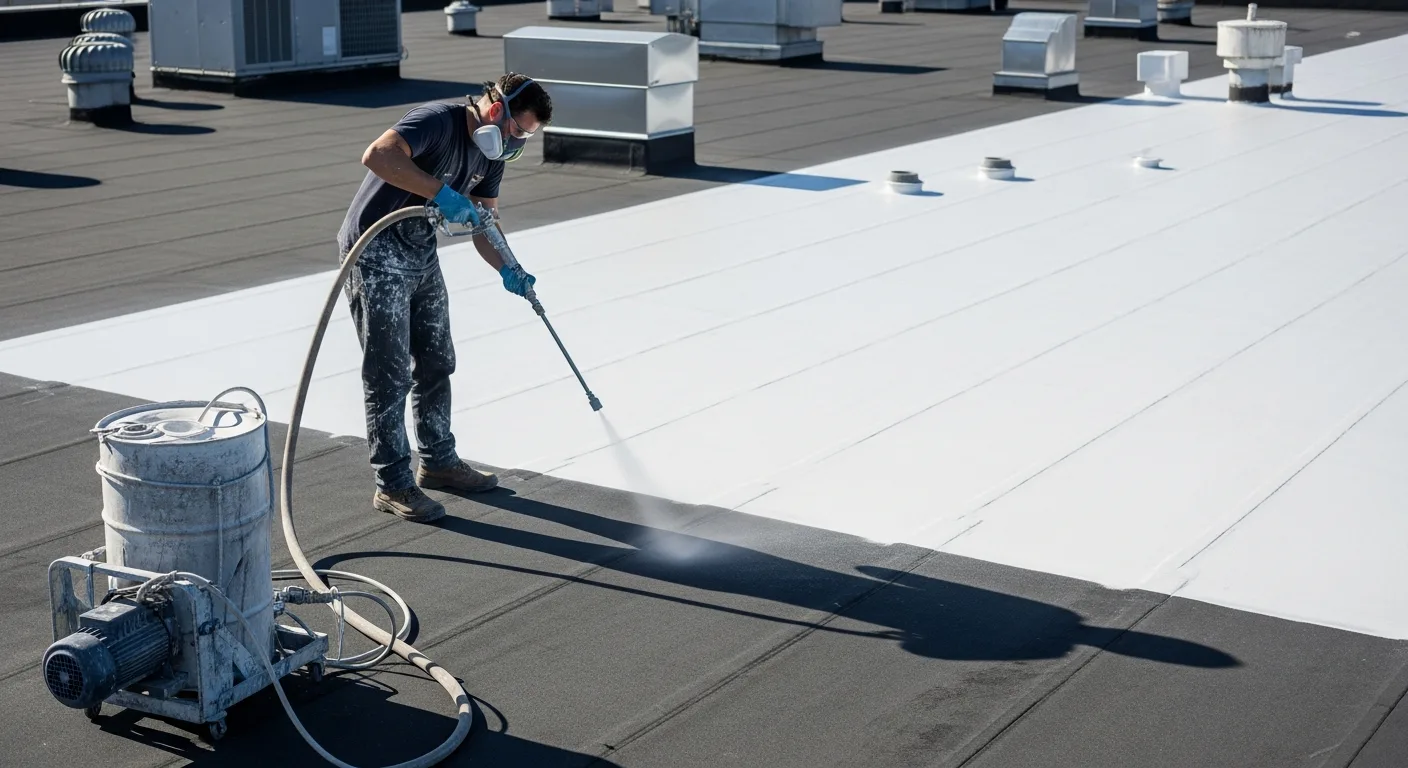
Thermal performance directly impacts both energy costs and material longevity. Cool Roof Rating Council data demonstrates that high solar reflectance materials can reduce surface temperatures by 50-80°F compared to conventional materials. In Amarillo's intense solar environment, this temperature reduction significantly extends material life while reducing cooling loads.
Lifecycle cost analysis must account for maintenance requirements, warranty coverage, and expected service life under local climate conditions. Materials with lower initial costs often generate higher total ownership costs through increased maintenance, shorter replacement cycles, and higher energy consumption. Professional analysis typically reveals 15-25 year cost differences that dwarf initial material premiums.
Material System Recommendations for Texas Panhandle Conditions
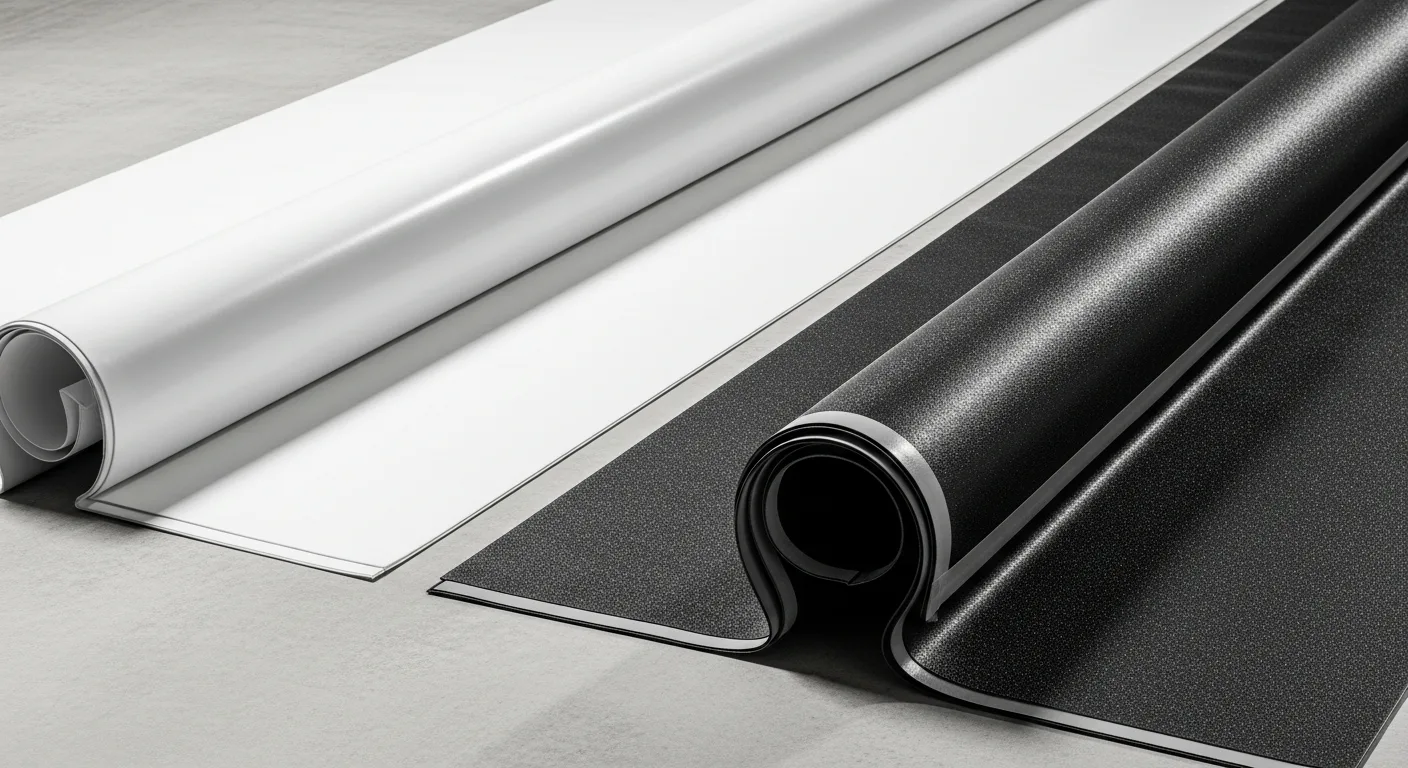
Modified bitumen systems with granulated cap sheets offer proven performance in extreme temperature environments. High-quality modified bitumen incorporates polymer modifiers that maintain flexibility during temperature swings from sub-freezing winters to 130°F+ summer surface temperatures. Granulated surfaces provide excellent UV protection and impact resistance while maintaining thermal reflectivity through specially formulated ceramic granules.
Single-ply membrane systems excel in specific applications but require careful material selection. TPO membranes with thick mil ratings (60-80 mil) and reinforced construction provide excellent wind uplift resistance and reflectivity. However, TPO performance varies significantly between manufacturers, making supplier selection critical. EPDM systems offer superior flexibility and proven longevity but require white coatings or ballast for thermal performance.
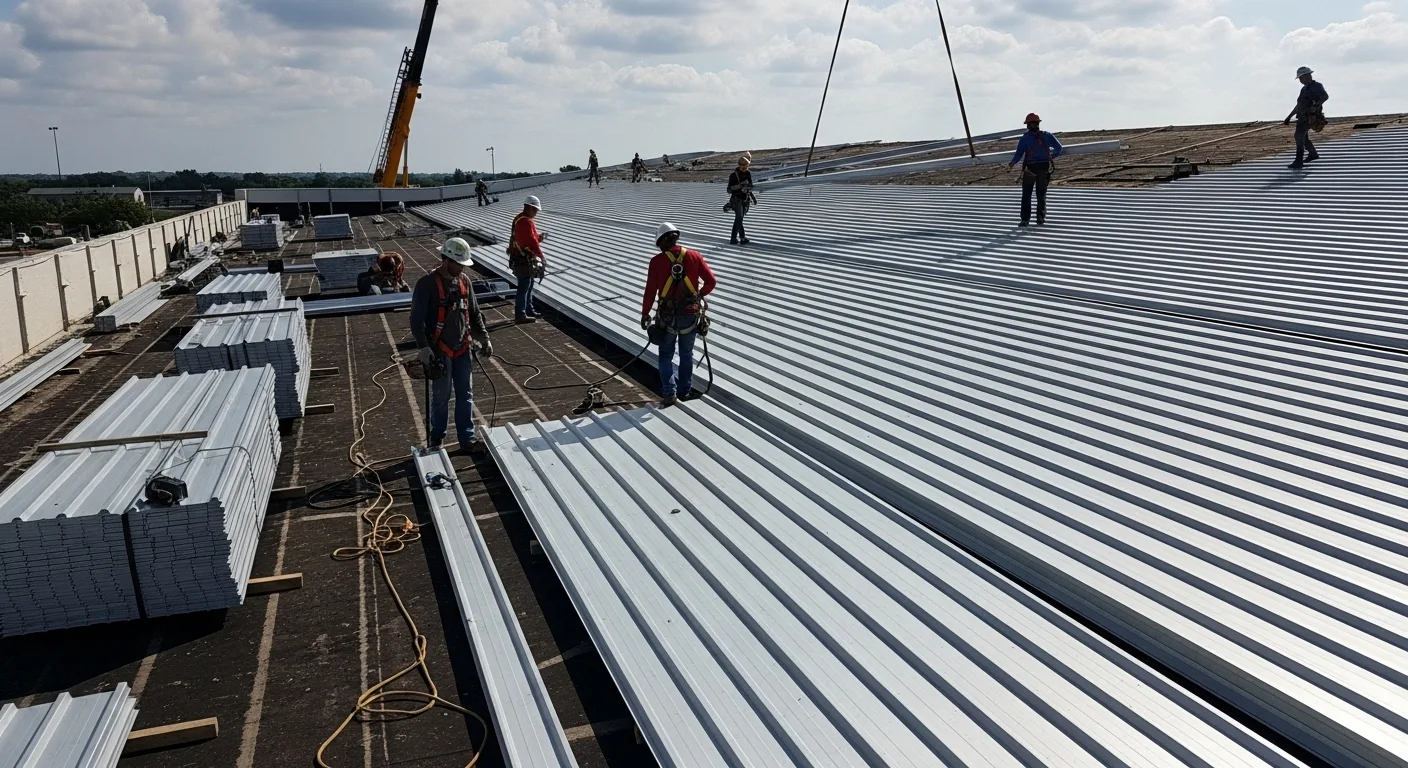
Metal roofing systems provide exceptional wind and impact resistance when properly specified. Standing seam systems with mechanical attachment resist wind uplift while accommodating thermal movement. Cool metal coatings with high solar reflectance and thermal emittance values significantly reduce heat gain. However, metal systems require precise flashing details and expansion joint design to prevent moisture intrusion.
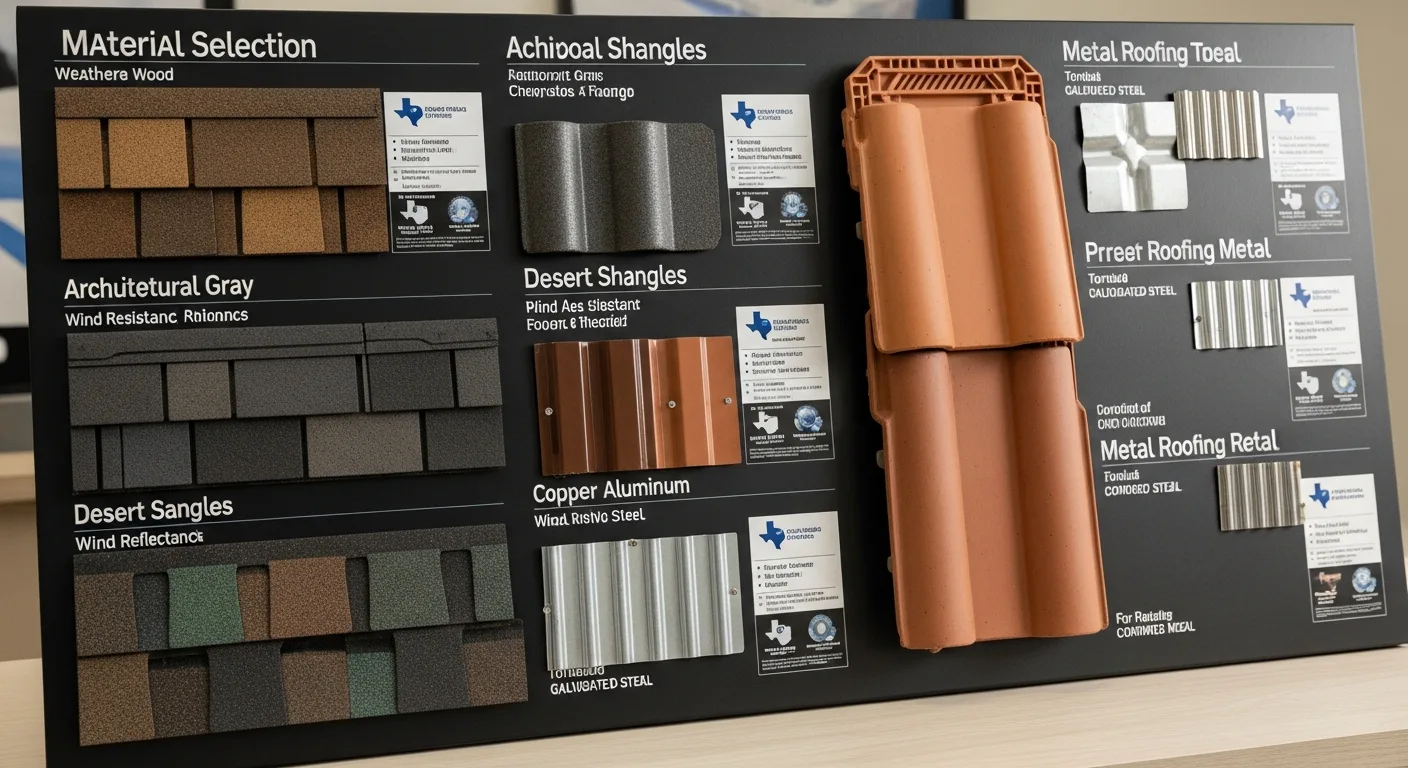
For residential applications, architectural shingles with Class 4 impact ratings and enhanced wind resistance offer the best performance-to-cost ratio. Materials incorporating polymer-modified asphalt and fiberglass reinforcement provide superior granule retention and thermal cycling resistance. Our residential roof replacement section details specific product recommendations for various architectural styles and budget ranges.
What to Expect During Professional Material Evaluation
Comprehensive material evaluation begins with detailed building assessment and performance requirement analysis. Professional evaluation typically requires 2-3 site visits and 1-2 weeks for complete analysis, but this investment prevents decades of problems. Initial assessment includes structural analysis, existing system evaluation, and building envelope performance review.
Climate data analysis uses local weather station records, insurance loss data, and building performance modeling to predict material performance under actual operating conditions. This analysis goes far beyond manufacturer specifications to predict real-world performance including UV degradation, thermal cycling effects, and long-term weatherability.
Material testing and evaluation includes reviewing manufacturer test data, third-party certifications, and field performance records from similar applications. Professional evaluation also includes warranty analysis, ensuring coverage aligns with expected performance and local climate conditions. Many material warranties contain exclusions or limitations that significantly impact coverage in harsh climates.
Cost modeling incorporates material costs, installation requirements, maintenance schedules, energy performance, and lifecycle projections. Professional analysis typically reveals total cost differences of 30-50% between material options when analyzed over expected service life. This analysis helps justify material premiums through quantified long-term savings.
Why Choosing the Right Contractor Matters
Material performance depends entirely on proper installation—even the best materials fail when improperly installed. Contractor selection must evaluate installation expertise, manufacturer certifications, and local climate experience. Contractors experienced in harsh climate installations understand critical details that prevent common failure modes.
Manufacturer certifications ensure contractors understand specific installation requirements and have access to technical support. Master Elite, Platinum Preferred, and similar certifications require ongoing training and demonstrated expertise. However, certifications alone don't guarantee performance—local experience and project references provide better performance indicators.
Quality control procedures distinguish professional contractors from basic installers. Proper material evaluation requires contractors who understand moisture meter readings, thermal imaging analysis, and core sample evaluation. Installation quality control includes membrane seam testing, attachment pull tests, and systematic quality documentation.
Weather damage expertise becomes crucial when selecting contractors for harsh climate installations. Contractors specializing in hail and wind damage repair understand failure modes and prevention strategies that general contractors often miss. This expertise translates into better material selection and installation techniques that prevent future problems.
Warranty and service support require contractors with established local presence and service capabilities. National contractors often lack local service support, leaving property owners without recourse when problems arise. Local contractors with strong reputations provide better long-term support and faster emergency response when needed.
Take Action Before the Next Weather Event
The Texas Panhandle's severe weather season is approaching, and inadequate roofing materials won't survive another direct hail hit or sustained wind event. Every day you delay professional material evaluation increases your exposure to catastrophic failure, emergency repairs, and business disruption. Insurance companies are tightening coverage requirements, making proactive material upgrades essential for maintaining adequate coverage.
Contact CRS Roofing & Construction today for comprehensive material evaluation and performance analysis. Our certified team understands the Texas Panhandle's unique climate challenges and has successfully specified materials for hundreds of local projects. We provide detailed lifecycle cost analysis, warranty evaluation, and installation oversight that ensures your investment delivers decades of reliable performance.
Don't wait for the next severe weather event to discover your materials can't handle Texas conditions. Call (806) 414-6467 now to schedule your professional material evaluation and protect your property with proven harsh climate solutions. Your roof is too important to leave to chance—make the right material choice with expert guidance that saves money and prevents disasters.
The Texas Panhandle's wind exposure category, classified as Exposure C or D under ICC building codes, demands materials with proven wind uplift resistance ratings. International Building Code standards require commercial roofing systems to withstand uplift pressures exceeding 45 pounds per square foot in our region, with some high-exposure areas demanding ratings up to 90 PSF. Single-ply membrane systems like TPO and EPDM must demonstrate FM-1-90 approval ratings, while metal roofing assemblies require structural verification through wind tunnel testing protocols established by Texas Tech's National Wind Institute.
Hail impact resistance becomes non-negotiable in our region, where the National Weather Service documents Class 4 hail events annually. Materials must carry UL 2218 Class 4 impact ratings—the highest standard available. For residential applications, impact-resistant shingles from manufacturers like TAMKO offer Heritage series products specifically engineered for severe weather zones. Commercial systems require FM 4470 approval for hail resistance, with membrane thickness specifications often exceeding standard requirements to maintain integrity after impact events.
Thermal performance specifications must address our extreme temperature differentials, where roof surfaces can exceed 160°F during summer months. Cool Roof Rating Council standards recommend initial solar reflectance values above 0.65 and thermal emittance ratings exceeding 0.75 for optimal energy performance. Metal roofing systems with specialized coatings can achieve reflectance values up to 0.85, significantly reducing cooling loads and extending system lifespan through reduced thermal cycling stress.
Professional evaluation must also consider building envelope integration, particularly vapor barrier placement and insulation continuity in our climate zone. Building science research demonstrates that improper moisture management in mixed-humid climates like ours leads to condensation issues and premature system failure. R-value requirements, minimum code compliance, and air sealing protocols become critical factors that require engineering analysis beyond basic material selection, especially when retrofitting existing structures or designing for specialized occupancies with unique environmental control requirements.