Choosing the wrong commercial roofing contractor based on an incomplete or misleading proposal can cost your Amarillo business tens of thousands in unexpected expenses, project delays, and premature roof failure. With the Texas Panhandle's extreme weather conditions—including devastating hail storms, 70+ mph winds, and temperature swings exceeding 100 degrees—your commercial roof decision impacts everything from operational continuity to insurance premiums. A rushed decision or failure to properly evaluate proposals often leads to moisture intrusion, energy inefficiencies, and costly emergency repairs that could have been avoided with thorough proposal analysis.
When Commercial Roofing Proposals Require Professional Evaluation
Not all roofing proposals deserve equal consideration, and knowing when to dig deeper can save your business from catastrophic mistakes. Request immediate clarification when proposals lack specific material specifications, warranty details, or fail to address your building's unique challenges. In Amarillo's harsh climate, generic proposals that don't account for wind uplift requirements, thermal cycling, or hail impact resistance indicate contractors who don't understand local building envelope performance needs.
Professional evaluation becomes critical when proposals vary significantly in price—differences exceeding 20% typically indicate variations in material quality, installation methods, or project scope. The National Roofing Contractors Association emphasizes that the lowest bid rarely provides the best long-term value, especially in extreme climates where roof performance directly impacts operational costs.
Watch for red flags including lack of local references, absence of proper licensing documentation, or proposals that don't address building code compliance. Texas commercial buildings must meet specific wind resistance standards, and proposals failing to reference these requirements suggest contractors unfamiliar with regional construction standards.
Key Decision Factors: Analyzing Proposal Components
Material specifications represent the foundation of any legitimate commercial roofing proposal. Quality contractors provide detailed information about membrane thickness, insulation R-values, and fastening systems designed for your specific building type. For Amarillo's climate, proposals should specify materials with proven hail resistance ratings and thermal reflectivity values that reduce cooling costs during our brutal summer months.
Warranty coverage analysis requires careful attention to both material and workmanship guarantees. Comprehensive proposals outline manufacturer warranties (typically 10-30 years for quality systems) alongside contractor workmanship warranties. The installation warranty should cover membrane seams, penetration details, and edge securement—common failure points in high-wind environments like the Texas Panhandle.
Project timeline evaluation helps identify realistic versus overly optimistic schedules. Weather delays are common in Amarillo, and experienced contractors build contingency time into their proposals. Rushed installation schedules often result in compromised quality, particularly critical for membrane seaming and moisture barrier installation that require optimal temperature conditions.
Cost analysis should include lifecycle cost considerations beyond initial installation. Energy-efficient roofing systems with high thermal reflectivity may cost more upfront but provide substantial cooling cost savings over their lifespan. According to Energy Star, cool roofs can reduce air conditioning costs by 7-15% in hot climates like ours.
Insurance and Code Compliance Considerations
Insurance implications significantly impact your roofing investment decision. Many commercial insurance policies offer premium reductions for impact-resistant roofing systems, and some insurers require specific wind uplift ratings for coverage in high-wind zones. Proposals should clearly state compliance with local building codes and insurance requirements to avoid coverage disputes after installation.
Material and System Recommendations for Texas Panhandle Commercial Buildings
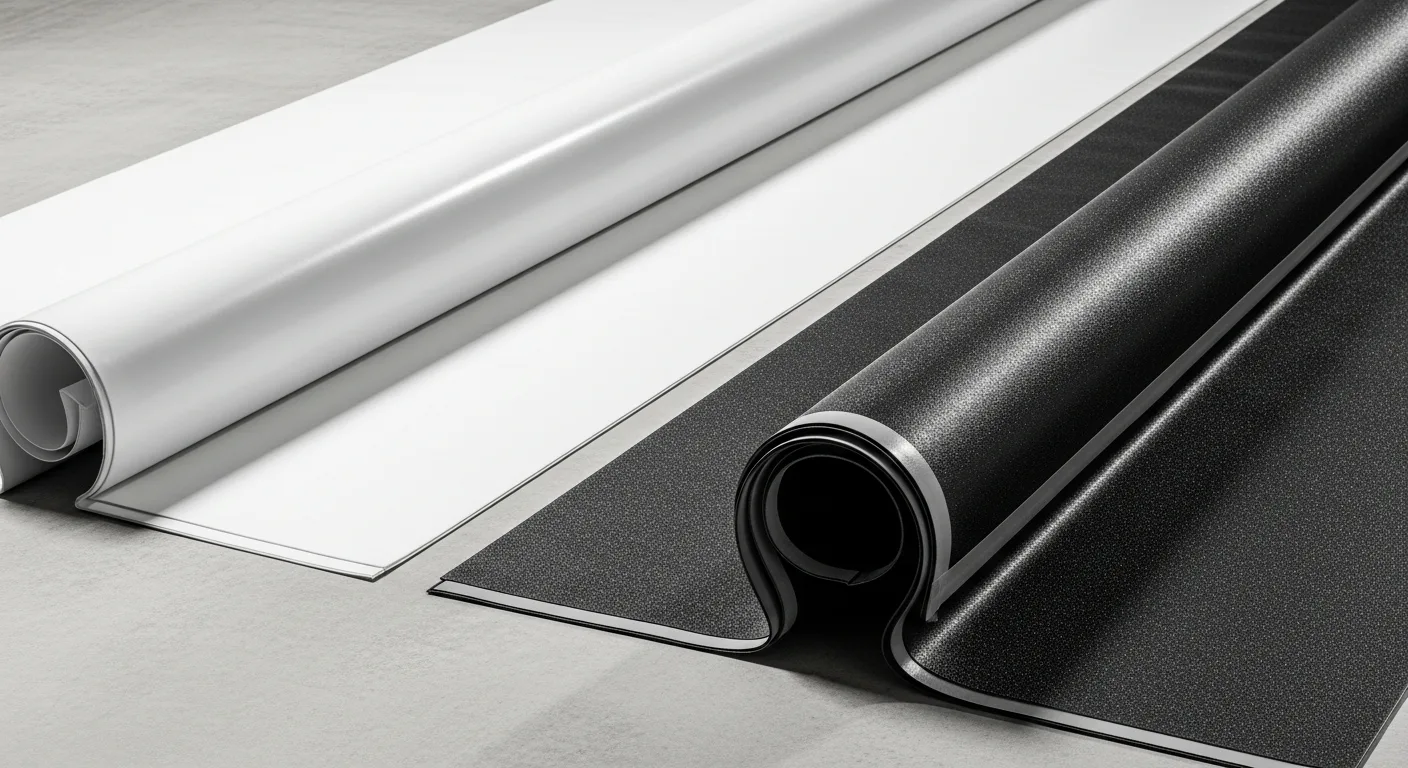
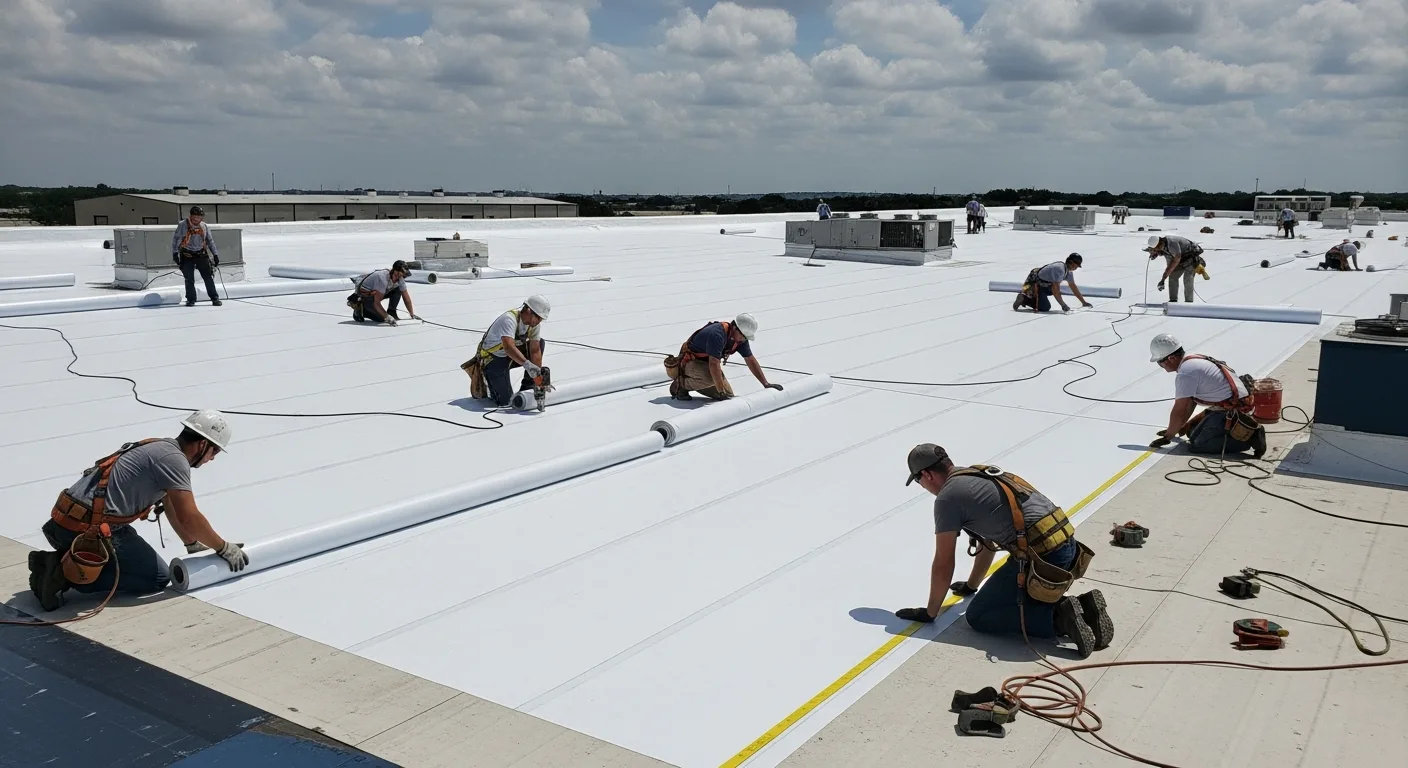
Single-ply membrane systems, particularly TPO and EPDM, offer excellent performance in Amarillo's challenging climate when properly specified and installed. Quality proposals detail membrane thickness (minimum 60-mil for high-wind areas), reinforcement specifications, and seaming methods. Heat-welded seams provide superior long-term performance compared to adhesive-applied systems, particularly important for maintaining building envelope integrity during temperature extremes.
Modified bitumen systems excel in environments with significant thermal cycling, common in the Texas Panhandle where daily temperature variations can exceed 40 degrees. Proposals should specify multi-ply installations with granulated cap sheets for UV protection and impact resistance. These systems offer excellent puncture resistance against hail damage while providing proven long-term durability.
Built-up roofing (BUR) systems remain viable options for certain commercial applications, particularly buildings requiring heavy foot traffic or equipment installations. Quality proposals detail aggregate surfacing specifications and hot-applied versus cold-applied installation methods. Proper aggregate selection provides crucial hail protection while enhancing thermal performance.
Insulation specifications significantly impact both energy performance and roof system longevity. Proposals should detail R-value targets, moisture resistance properties, and compatibility with chosen membrane systems. In Amarillo's climate, polyisocyanurate insulation offers excellent thermal performance, while cover boards provide additional puncture resistance during installation and building maintenance activities.
What to Expect During the Commercial Roofing Evaluation Process
Professional roofing contractors begin with comprehensive building assessments that examine existing roof conditions, structural capacity, and drainage systems. Expect thorough documentation including digital photography, core samples, and moisture surveys that identify potential problem areas. This assessment phase typically requires 2-4 hours for average commercial buildings and forms the foundation for accurate proposal development.
Detailed proposals should arrive within 3-7 business days following assessment completion. Quality contractors provide comprehensive documentation including material specifications, installation methods, project phases, and completion timelines. Expect multiple meetings to review proposal details and address specific building performance requirements or operational concerns.
Reference verification represents a crucial evaluation step often overlooked by building owners. Reputable contractors readily provide recent project references, including similar building types and comparable project scopes. Contact references directly to discuss project satisfaction, timeline adherence, and post-installation service quality. Drive by recent installations to observe workmanship quality firsthand.
Financial verification ensures contractor stability and project completion capability. Request evidence of proper licensing, insurance coverage, and bonding capacity appropriate for your project size. Commercial projects require contractors with demonstrated financial stability to handle material procurement, labor management, and warranty obligations over extended periods.
Permit and Inspection Coordination
Professional contractors handle permit acquisition and inspection scheduling as part of their service package. Proposals should clearly outline permit responsibilities, inspection requirements, and associated costs. In Amarillo, commercial roofing projects typically require multiple inspections including structural, insulation, and final completion reviews.
Why Choosing the Right Commercial Roofing Contractor Matters
Contractor selection impacts your roof system performance for the next 15-30 years, making this decision far more critical than initial cost savings. Experienced commercial contractors understand the complexities of building envelope performance, particularly crucial in climates with extreme temperature variations and severe weather events. Their expertise in material selection, installation techniques, and problem-solving capabilities directly influences your roof's ability to protect your business investment.
Local experience provides invaluable advantages in the Texas Panhandle commercial market. Contractors familiar with Amarillo's climate challenges understand wind uplift requirements, hail resistance needs, and thermal performance considerations specific to our region. They maintain relationships with local suppliers, understand permitting processes, and can respond quickly to weather-related concerns or emergency situations.
Manufacturer certifications indicate contractors meet rigorous training and installation standards required by leading roofing material manufacturers. These certifications often unlock extended warranty coverage and technical support unavailable through non-certified installers. When evaluating proposals, prioritize contractors with current certifications from major manufacturers like GAF, Carlisle SynTec, or Firestone Building Products.
Service capabilities beyond installation distinguish professional contractors from basic installers. Quality contractors provide ongoing maintenance programs, emergency repair services, and performance monitoring that extends roof system life and protects your investment. For more information about comprehensive commercial roofing solutions, see our commercial roofing services page that details our full range of building envelope services.
Project management expertise ensures smooth installation processes that minimize business disruption. Experienced contractors coordinate material deliveries, manage installation crews, and maintain communication throughout project completion. They understand the importance of maintaining operational continuity while protecting your building and contents during roof replacement or major repair projects.
Don't let another day pass with an aging or compromised commercial roof system. Amarillo's next severe weather event could expose your business to catastrophic damage, operational disruption, and insurance complications. CRS Roofing & Construction's certified technicians provide comprehensive proposal evaluation services and transparent project assessments that protect your investment. Our local expertise in Texas Panhandle commercial roofing ensures you receive accurate proposals tailored to our unique climate challenges. Contact us today at (806) 670-7729 for your detailed commercial roofing assessment and discover why leading Amarillo businesses trust CRS for their critical roofing decisions. Your building's protection and your business's continuity depend on making the right choice now—before the next storm season arrives.
Understanding specific performance ratings becomes crucial when evaluating commercial roofing proposals for Texas Panhandle conditions. Look for UL 2218 Class 4 hail impact ratings and FM 1-90 wind uplift approvals in all material specifications, as these certifications ensure your roof can withstand Amarillo's severe weather patterns. UL testing standards provide the framework for impact resistance testing, while proposals lacking these specifications often indicate substandard materials that won't survive the region's frequent hailstorms.
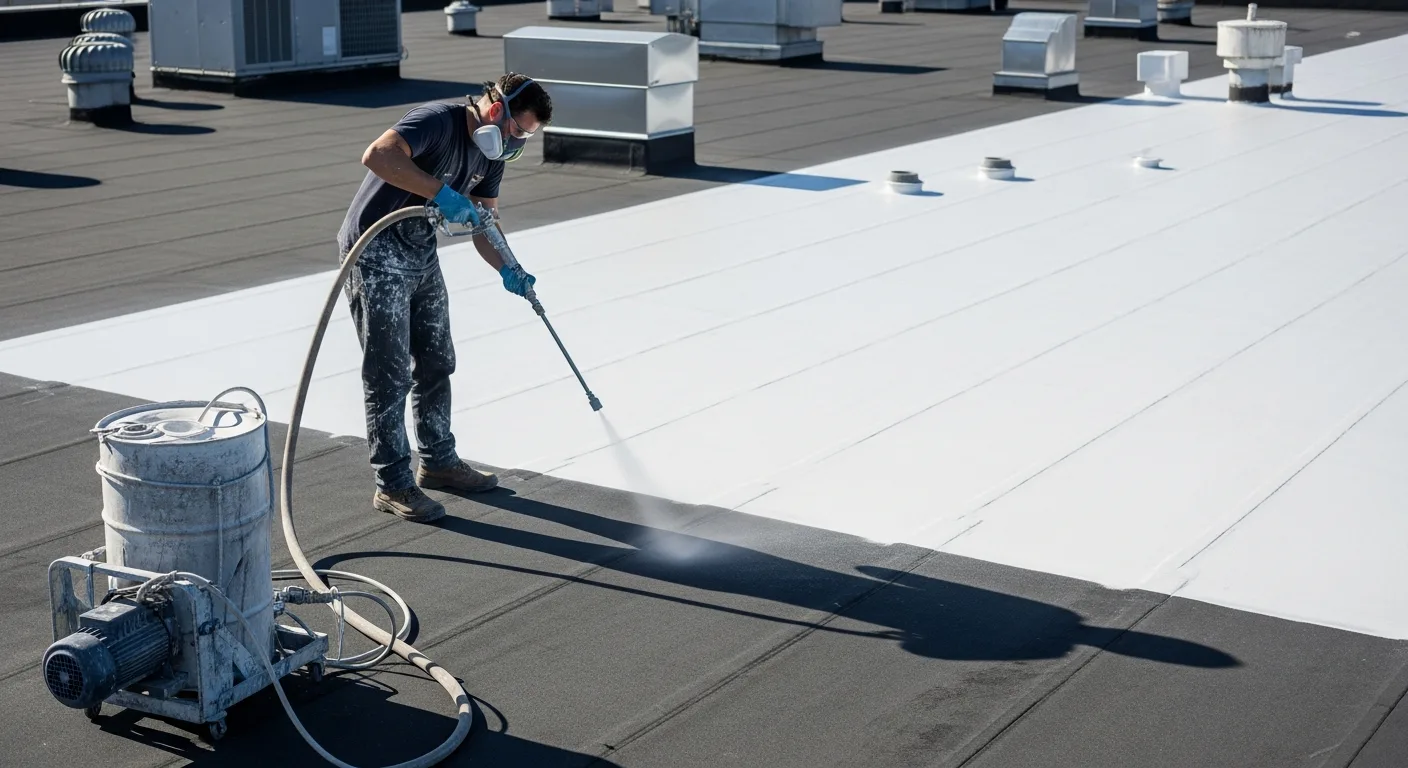
Energy efficiency specifications in commercial roofing proposals directly impact your building's operational costs in Amarillo's extreme temperature environment. Quality proposals should include detailed thermal performance data, including R-values for insulation systems and solar reflectance indexes (SRI) for membrane materials. Department of Energy guidelines recommend cool roof technologies for Texas climates, and proposals should specify reflectance values of at least 0.65 for initial solar reflectance and thermal emittance values above 0.75 for optimal performance during summer months exceeding 100°F.
Commercial membrane specifications require careful evaluation for Texas Panhandle installations, particularly regarding thermal cycling resistance and UV degradation protection. SPRI standards for single-ply roofing establish minimum thickness requirements and seam strength specifications that quality contractors should reference in their proposals. TPO membranes should specify minimum 60-mil thickness for high-wind zones, while EPDM systems require proper ballasting calculations for Amarillo's wind uplift conditions.
Safety compliance and code adherence indicators separate professional contractors from inadequate operators in commercial roofing proposals. Verify that proposals reference current International Building Code requirements for your specific occupancy classification and include OSHA fall protection plans. Additionally, quality proposals should address wind zone classifications specific to Potter and Randall counties, which fall under Design Wind Speed requirements of 115 mph for Risk Category II buildings.
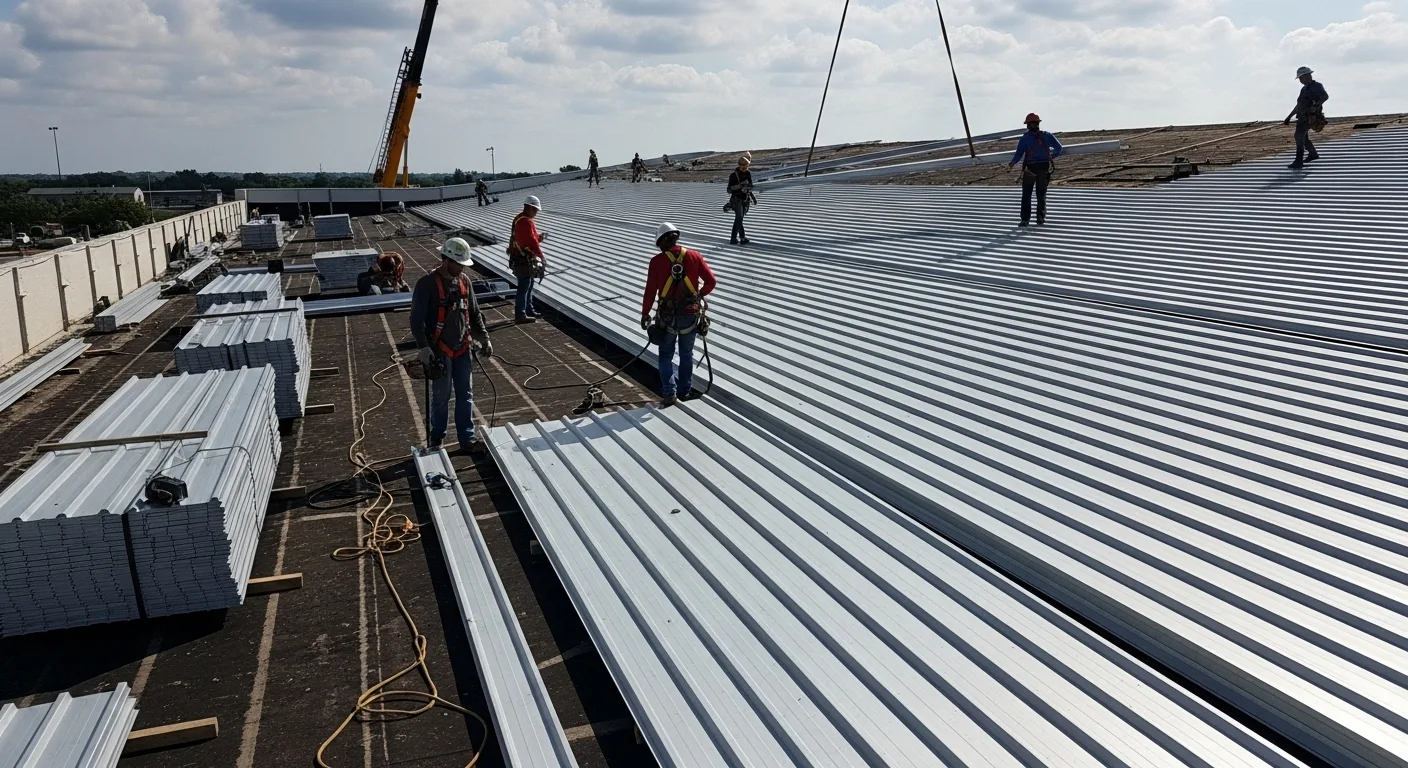
Metal roofing proposals for commercial applications in the Texas Panhandle require specific attention to thermal expansion joint details and fastening schedules. Metal Construction Association guidelines establish proper installation practices for extreme temperature variations, and proposals should specify 24-gauge minimum thickness with Kynar 500 or PVDF coatings for longevity in high-UV environments. Standing seam systems must include detailed expansion joint calculations for temperature differentials exceeding 100 degrees between summer and winter conditions.
Insurance and warranty considerations become particularly important when evaluating proposals for Texas Panhandle commercial roofing projects. FM Global commercial standards influence insurance premiums significantly, and proposals meeting FM approval standards often qualify for reduced premiums. Quality contractors will provide manufacturer warranties ranging from 15-30 years, with specific coverage for wind and hail damage that acknowledges local climate challenges rather than generic exclusions that void coverage during severe weather events.