Failing a final roof inspection can cost you thousands in delays, rework, and additional contractor fees—especially when Texas Panhandle weather threatens your newly exposed building envelope. With Amarillo's extreme temperature swings, sudden hailstorms, and high winds exceeding 60 mph, every day without proper roof protection puts your property at risk of catastrophic moisture intrusion and structural damage. Understanding inspection requirements before your project begins is the difference between a seamless installation and weeks of expensive corrections.
When Your Roof Replacement Requires Professional Inspection Oversight
Any roof replacement in Amarillo requires building permits and final inspection approval, but certain conditions demand heightened attention to code compliance. Commercial properties, multi-family residences, and homes with structural modifications must meet stringent requirements for wind uplift resistance, fire ratings, and thermal performance. The Texas Panhandle's extreme climate conditions—including temperature differentials exceeding 100°F between seasons—place additional stress on roofing systems, making proper installation critical for long-term performance.
Properties with previous code violations, insurance claims, or non-permitted work face increased scrutiny during inspections. If your building has experienced hail damage or wind uplift issues, inspectors will closely examine membrane seams, fastener patterns, and edge details to ensure compliance with current wind load requirements. According to the National Roofing Contractors Association, proper installation techniques are essential for achieving the manufacturer's warranted performance, particularly in high-wind zones like the Texas Panhandle.
Emergency replacements following storm damage require expedited permitting but maintain the same inspection standards. Working with experienced contractors who understand local requirements prevents costly delays when immediate roof protection is critical.
Key Decision Factors for Inspection-Ready Installations
The choice between repair and replacement significantly impacts inspection requirements and long-term building envelope performance. Patch repairs may avoid permitting for minor issues, but comprehensive replacements offer the opportunity to upgrade to current energy codes and wind resistance standards. In Amarillo's climate, this upgrade translates to substantial energy savings through improved thermal reflectivity and R-value performance.
Timeline considerations become critical when planning inspection-ready installations. Most roof replacements require 24-48 hours for initial installation, followed by 3-5 business days for inspection scheduling. However, failed inspections can extend project timelines by 2-3 weeks while contractors correct deficiencies and reschedule follow-up visits. The lifecycle cost analysis clearly favors investing in experienced contractors who understand inspection requirements from project inception.
Budget allocation must include contingencies for potential inspection corrections. While quality contractors rarely face major violations, minor adjustments like additional flashing or sealant application can add 10-15% to project costs if not planned appropriately. For comprehensive guidance on budget planning and material selection, see our residential roof replacement section for detailed cost breakdowns and financing options.
Material and System Recommendations for Code Compliance
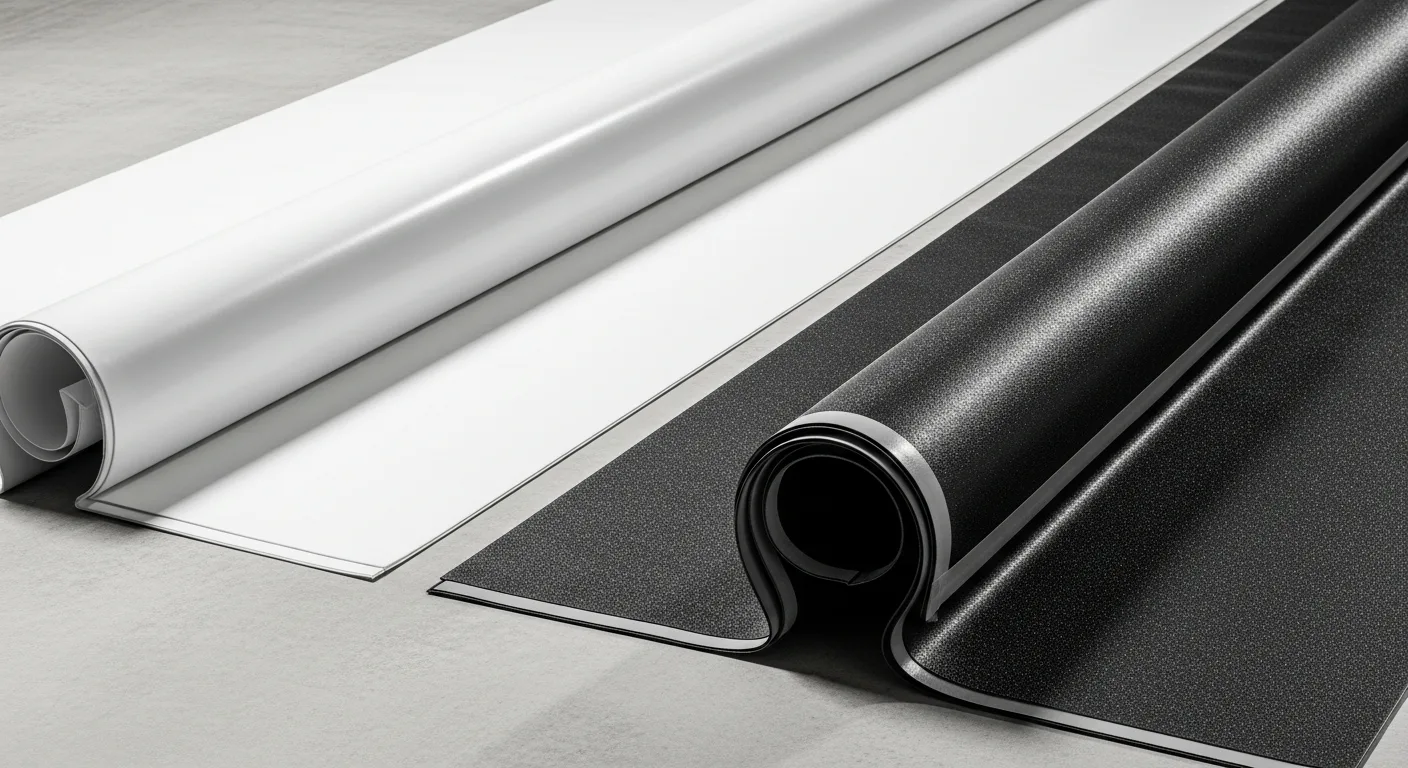
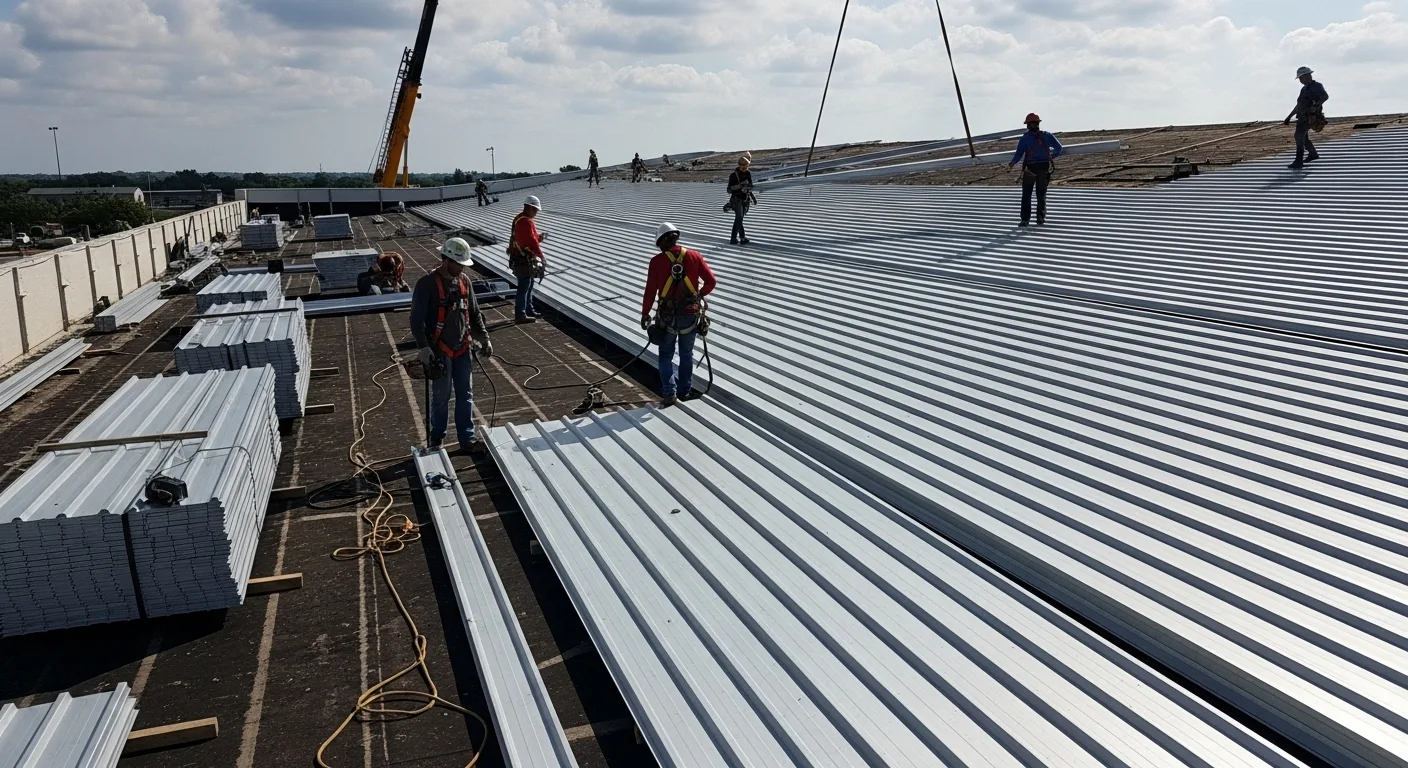
Selecting inspection-compliant materials begins with understanding Amarillo's specific climate challenges and building code requirements. Asphalt shingles must meet Class 3 or Class 4 impact resistance standards for hail protection, while membrane systems require proper attachment methods for wind uplift resistance up to 90 mph design loads. Metal roofing systems offer superior durability but require precise installation of thermal expansion joints and proper fastener spacing to pass inspection.
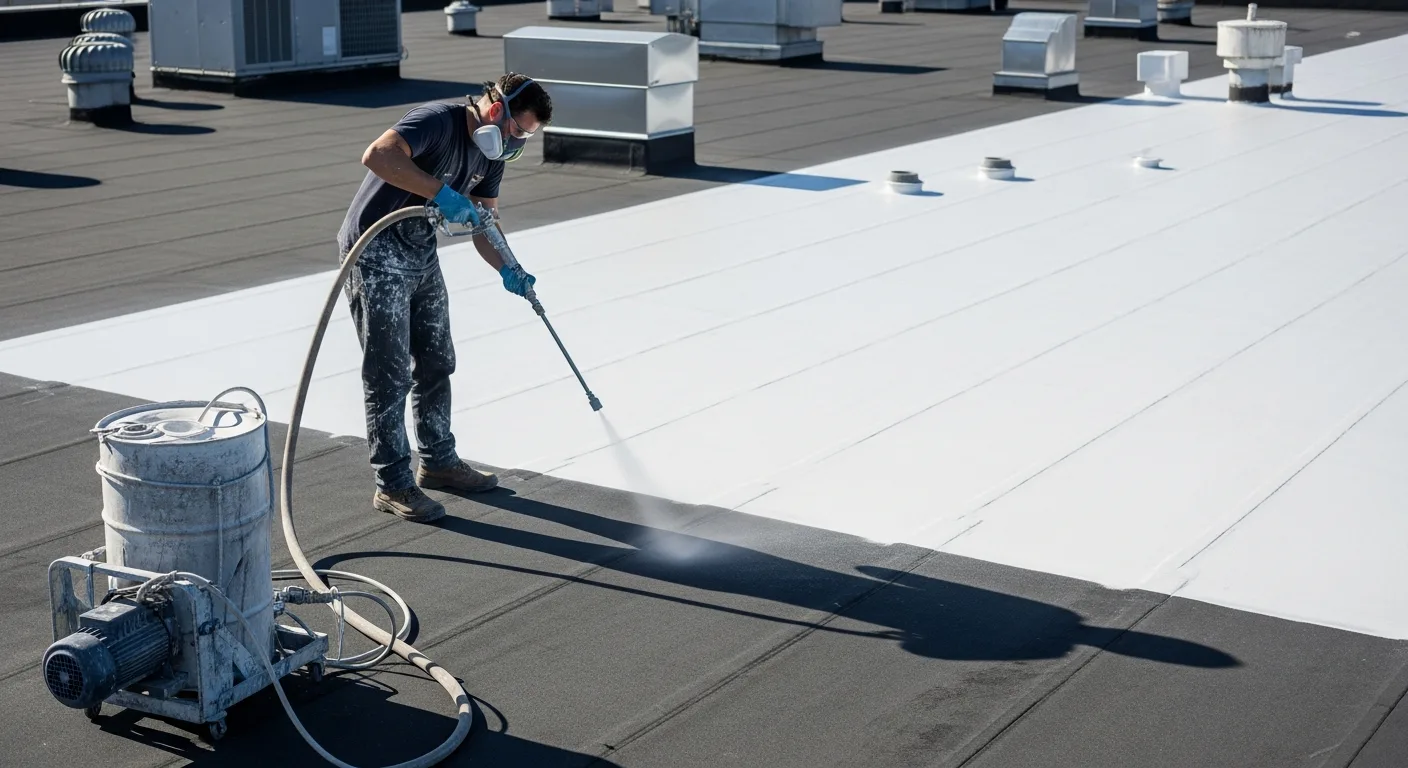
Cool roof technology provides dual benefits of energy efficiency and code compliance. Energy Star certified roofing products not only meet thermal reflectivity requirements but often qualify for utility rebates and tax incentives. These systems demonstrate measurable ROI through reduced cooling costs, typically paying for themselves within 7-10 years in Amarillo's extreme heat conditions.
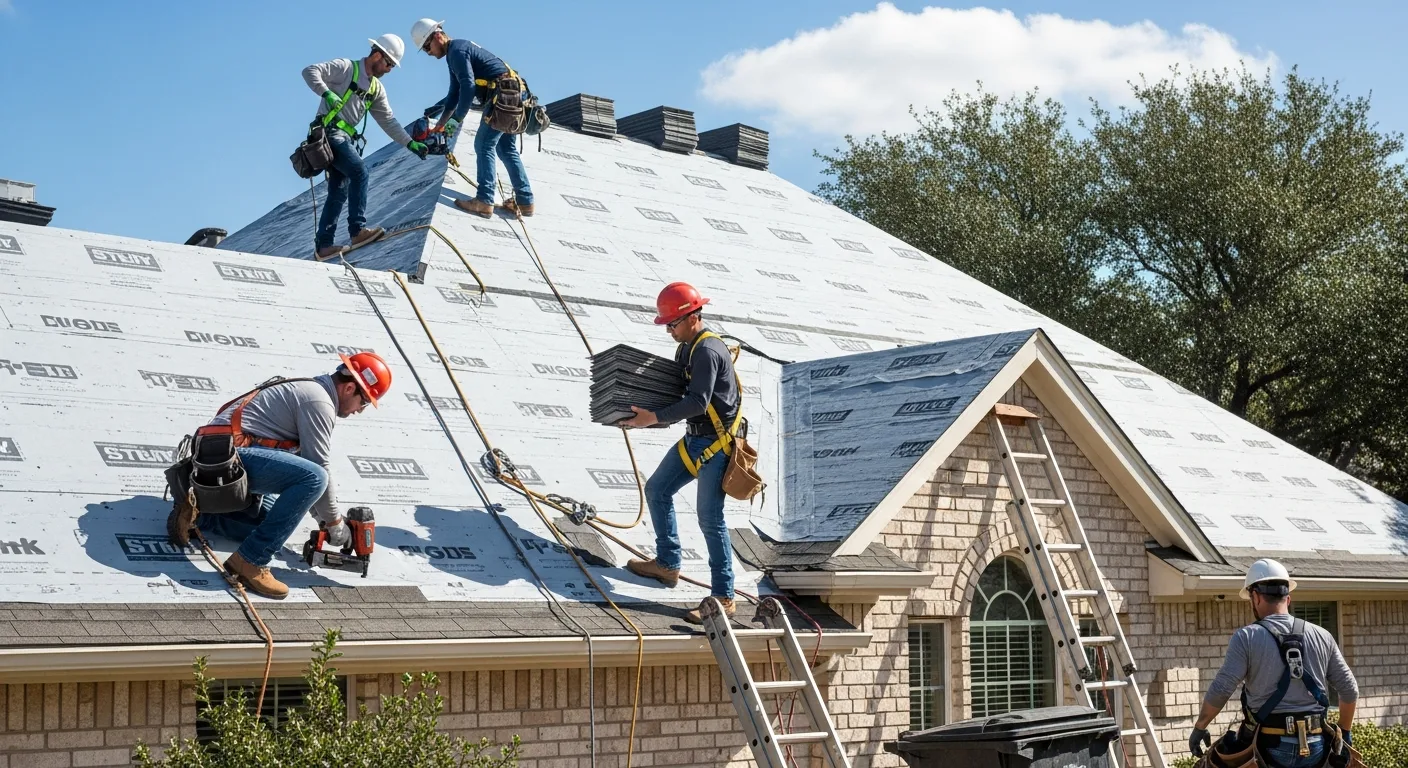
Underlayment selection impacts both performance and inspection approval. Self-adhering membranes provide superior moisture protection around penetrations and valleys, while synthetic underlayments offer enhanced tear resistance during installation. Inspectors specifically examine these critical areas for proper overlap, adhesion, and integration with flashing systems.
Ventilation systems must comply with International Building Code requirements for both intake and exhaust capacity. Inadequate ventilation leads to moisture problems, premature material failure, and inspection rejections. Proper calculations ensure sufficient airflow while maintaining building envelope integrity.
What to Expect During the Professional Inspection Process
The inspection process typically begins with permit verification and material documentation review. Inspectors examine manufacturer certifications, impact ratings, and wind resistance specifications to ensure compliance with local amendments to building codes. Experienced contractors prepare comprehensive documentation packages that streamline this initial review process.
Field examination focuses on critical performance areas including membrane seams, fastener patterns, flashing details, and edge securement. Inspectors use specialized tools to verify proper fastener spacing, membrane adhesion, and wind uplift resistance. They pay particular attention to penetration seals, valley installations, and ridge ventilation systems where most failures occur.
Weather conditions significantly impact inspection scheduling and requirements. High winds, active precipitation, or extreme temperatures may delay inspections or require additional protective measures. Professional contractors monitor weather forecasts and coordinate inspection timing to avoid delays and ensure optimal evaluation conditions.
Documentation requirements extend beyond initial installation to include warranty registrations, manufacturer certifications, and maintenance recommendations. This paperwork becomes critical for future insurance claims and warranty service, making proper completion essential for long-term building protection.
Why Choosing the Right Contractor Ensures Inspection Success
Contractor selection directly impacts inspection success rates and overall project satisfaction. Licensed, insured professionals understand local code requirements, maintain relationships with building inspectors, and carry comprehensive warranties that protect your investment. Inexperienced contractors often face multiple inspection failures, leading to project delays and cost overruns that far exceed initial savings.
Established contractors maintain detailed quality control processes that prevent common inspection failures. This includes pre-installation material inspections, progress monitoring during installation, and comprehensive self-inspections before official review. These procedures virtually guarantee first-time inspection passage while protecting against future performance issues.
Warranty coverage varies significantly between contractors and directly relates to inspection compliance. Manufacturers often void warranties for improperly installed systems, making contractor certification and inspection passage critical for long-term protection. Premium contractors offer extended warranties that cover both materials and workmanship, providing additional peace of mind beyond basic code compliance.
Local expertise becomes particularly valuable when navigating Amarillo's unique climate challenges and building requirements. Contractors familiar with regional weather patterns, common building materials, and inspector preferences streamline the entire process while ensuring optimal system performance for decades of reliable service.
For specialized commercial applications or complex residential projects, explore our commercial roofing services page to understand how professional expertise ensures code compliance and long-term performance in demanding applications.
Don't risk inspection failures that could cost thousands in delays and expose your property to Texas Panhandle weather extremes. CRS Roofing & Construction's certified professionals ensure first-time inspection passage through meticulous planning, quality materials, and expert installation techniques. Our comprehensive approach includes permit coordination, material selection guidance, and detailed documentation that streamlines the entire inspection process. Contact us today at (806) 655-5551 for a detailed consultation and guarantee your roof replacement project meets all inspection requirements while providing decades of reliable protection against Amarillo's challenging climate conditions.
The Texas Panhandle's severe weather patterns demand roofing systems that meet or exceed ASTM testing standards for wind uplift and impact resistance. In Amarillo, where wind speeds routinely exceed 60 mph and hailstones can reach softball size, your roofing materials must demonstrate Class 4 impact ratings and wind resistance ratings of at least 130 mph. Commercial TPO and EPDM systems from manufacturers like Carlisle SynTec require proper membrane thickness specifications—typically 60-80 mil for high-wind zones—and mechanically-fastened systems with uplift ratings verified through independent testing.
Energy efficiency requirements have become increasingly critical for passing final inspections in Texas. The Department of Energy's climate zone specifications for the Texas Panhandle require minimum R-values of R-38 for attic insulation and R-13 for continuous insulation in commercial applications. U.S. Department of Energy guidelines emphasize that proper installation of thermal barriers prevents the extreme temperature cycling that causes premature roof system failure. Cool roof technologies meeting Cool Roof Rating Council standards with minimum solar reflectance of 0.65 and thermal emittance of 0.75 are increasingly required for commercial projects to meet energy code compliance.
Safety compliance during installation directly impacts inspection outcomes, particularly given the Texas Panhandle's unpredictable weather windows. OSHA fall protection requirements mandate specific safety protocols that inspectors verify through documentation review. Projects must demonstrate proper installation sequencing that accounts for Amarillo's sudden weather changes—including temperature drops of 40°F within hours and unexpected severe thunderstorm development. The National Roofing Contractors Association recommends staging installation phases to ensure weather-tight envelope protection at each critical milestone, preventing moisture intrusion during the inevitable weather delays common to Texas Panhandle construction seasons.