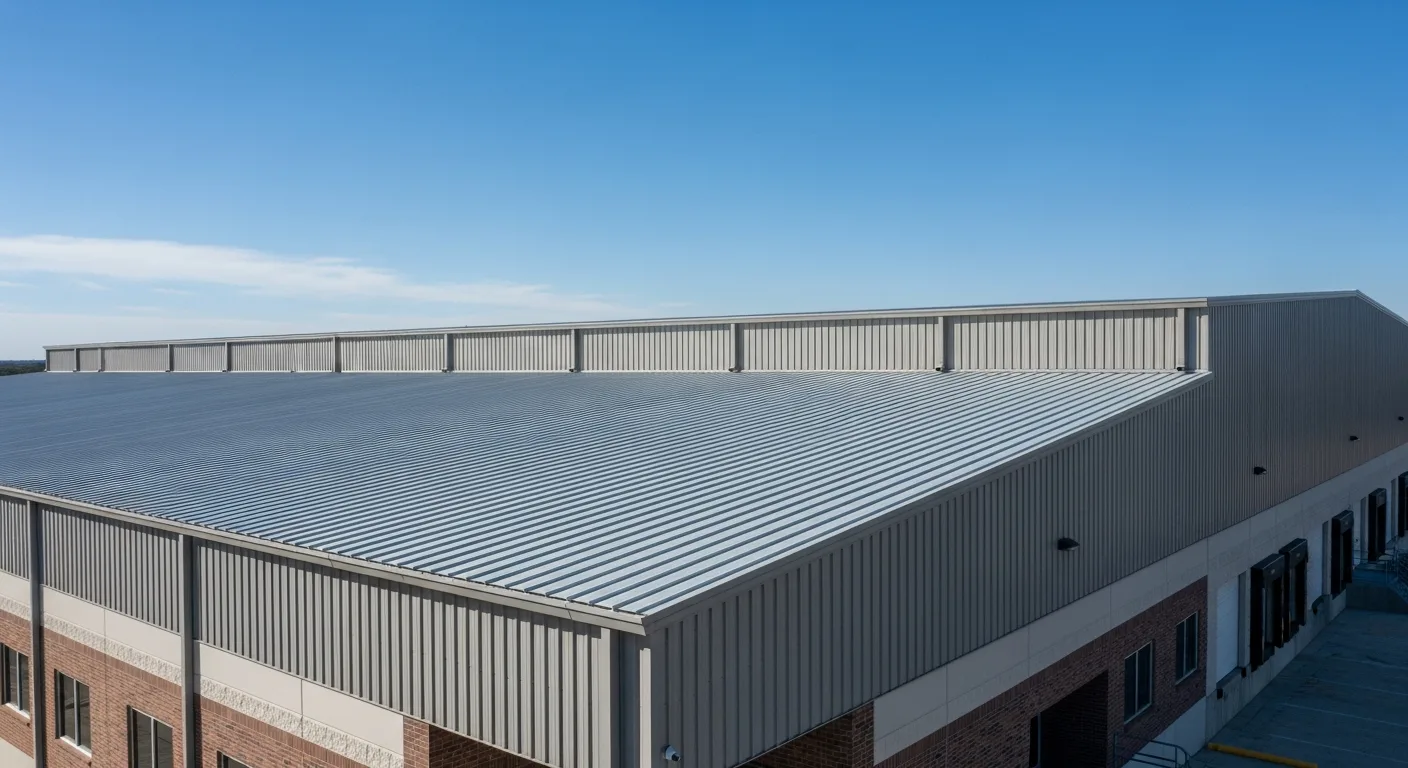
Managing multiple buildings with aging roofing systems creates a complex financial challenge that demands immediate strategic planning. In the Texas Panhandle's harsh climate, where extreme temperature swings, severe hail, and relentless UV exposure accelerate roof deterioration, delaying multi-building roof replacements can trigger cascading failures across your entire property portfolio. When one building's compromised building envelope allows moisture intrusion, the resulting structural damage, increased energy costs, and business interruption losses far exceed the cost of proactive replacement planning.
The consequences of inadequate budgeting extend beyond immediate repair costs. Properties with failing roofing systems face dramatically higher insurance premiums, potential code violations, tenant retention issues, and emergency replacement scenarios that cost 40-60% more than planned projects. Smart property managers recognize that comprehensive roof replacement budgeting isn't just about managing capital expenditures—it's about protecting long-term asset value and operational continuity.
When Multi-Building Roof Issues Require Professional Attention
Several critical indicators signal the need for professional lifecycle cost analysis and replacement planning across your building portfolio. Age-related deterioration becomes inevitable when roofing systems approach their design life, typically 15-20 years for modified bitumen and 20-25 years for single-ply membranes in Texas conditions.
Moisture intrusion evidence across multiple buildings indicates systemic problems requiring coordinated replacement. Look for interior water damage, membrane seam failures, compromised flashings around penetrations, and declining thermal reflectivity that increases cooling costs. The National Roofing Contractors Association emphasizes that multiple building failures within a short timeframe often indicate similar installation dates and shared vulnerability to regional weather patterns.
Wind uplift damage from Texas Panhandle storms creates particularly urgent replacement needs. When high winds compromise membrane attachment or cause widespread granule loss on modified bitumen systems, the exposed areas accelerate deterioration across the entire roof assembly. Energy efficiency degradation across your portfolio, evidenced by rising utility costs and poor R-value performance, signals the need for comprehensive replacement planning rather than piecemeal repairs.
Key Decision Factors for Multi-Building Projects
Strategic budgeting requires evaluating repair versus replacement economics across your entire portfolio. While individual building repairs might seem cost-effective, coordinating full replacements often provides superior long-term value through economies of scale, consistent warranty coverage, and synchronized maintenance schedules.
Phasing strategies significantly impact total project costs and operational disruption. Sequential replacement allows spreading capital expenditures over 2-3 years while maintaining consistent contractor relationships and material pricing. Priority-based phasing addresses the most critical buildings first, protecting high-value tenants and essential operations. Simultaneous replacement maximizes contractor efficiency and material purchasing power but requires larger upfront capital commitment.
Material standardization across buildings creates substantial cost advantages and simplifies long-term maintenance. Selecting consistent membrane systems, insulation specifications, and accessory components reduces inventory complexity while ensuring compatible replacement parts and standardized repair procedures.
Timeline coordination affects both costs and business operations. Texas weather patterns create optimal replacement windows during spring and fall months, avoiding extreme summer heat and winter precipitation. Scheduling multiple buildings during favorable weather reduces installation risks and potential weather delays that increase project costs.
Insurance and Code Compliance Considerations
Insurance claim coordination across multiple buildings requires careful documentation and strategic timing. When hail or wind damage affects several buildings, filing simultaneous claims can expedite settlement while ensuring consistent coverage interpretation. However, policy limits and deductibles may influence phasing decisions to maximize insurance recoveries.
Building code updates often apply to substantial renovations, potentially requiring additional structural improvements, updated insulation standards, or enhanced drainage systems. The International Building Code's 25% replacement threshold can trigger comprehensive upgrades that significantly impact project budgets but provide long-term value through improved performance and reduced insurance premiums.
Material and System Recommendations for Texas Panhandle Conditions
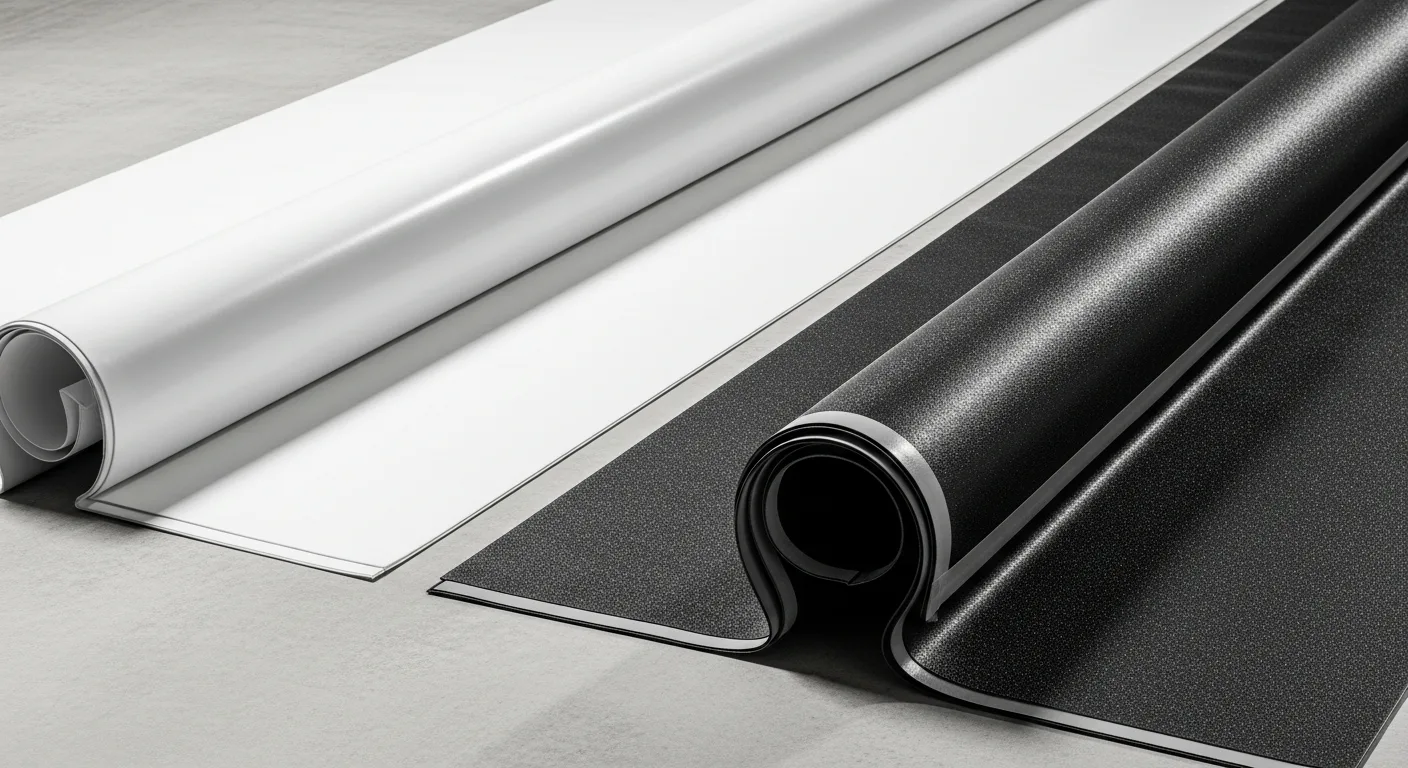
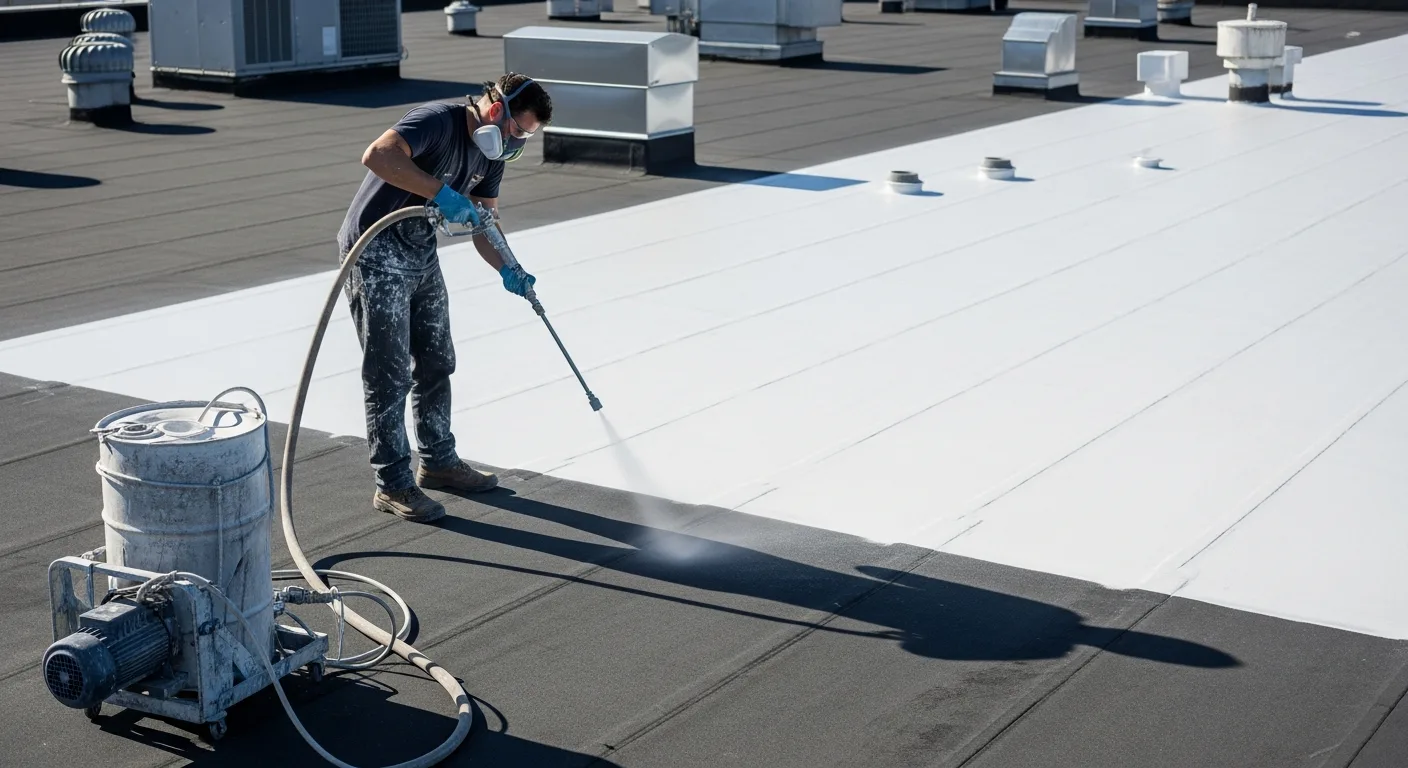
Single-ply membrane systems offer excellent value for multi-building projects in Texas conditions. TPO membranes provide superior thermal reflectivity and hail resistance, while EPDM systems deliver proven durability against UV exposure and temperature cycling. Membrane thickness selection impacts both initial costs and long-term performance, with 60-mil systems providing optimal balance for most commercial applications.
Modified bitumen systems remain cost-effective for buildings with complex geometries or numerous penetrations. Two-ply systems with granulated cap sheets offer excellent hail resistance and proven performance in Texas heat. However, thermal reflectivity limitations may increase cooling costs compared to light-colored single-ply alternatives.
Insulation specifications dramatically affect both installation costs and energy performance. Polyisocyanurate board insulation provides excellent R-value per inch, while expanded polystyrene offers cost-effective thermal performance for budget-conscious projects. The Energy Star program recommends R-20 to R-25 continuous insulation for Texas commercial buildings, balancing energy savings with installation costs.
Drainage system upgrades often accompany multi-building replacements, particularly when existing systems prove inadequate for Texas storm intensities. Improved drainage reduces ponding water risks and extends membrane life, while oversized gutters and downspouts handle intense rainfall common in the Panhandle region.
Warranty Standardization Benefits
Coordinating warranty coverage across multiple buildings creates substantial advantages for property management. Manufacturer system warranties provide consistent coverage terms and simplified claim procedures, while contractor workmanship warranties ensure uniform installation standards across all buildings.
Extended warranty options become more cost-effective when applied to multiple buildings simultaneously. Many manufacturers offer portfolio discounts for large-scale projects, reducing per-building warranty costs while providing comprehensive coverage for the entire property portfolio.
What to Expect During Multi-Building Replacement Process
Project planning begins with comprehensive roof condition assessments across all buildings, establishing priority rankings and budget requirements. Professional engineers provide detailed specifications ensuring consistent performance standards while identifying opportunities for cost optimization through standardized systems and materials.
Pre-construction coordination involves permit acquisition for multiple buildings, material delivery scheduling to minimize site congestion, and tenant communication to manage operational disruptions. Staging areas require careful planning to accommodate multiple building projects while maintaining site safety and material security.
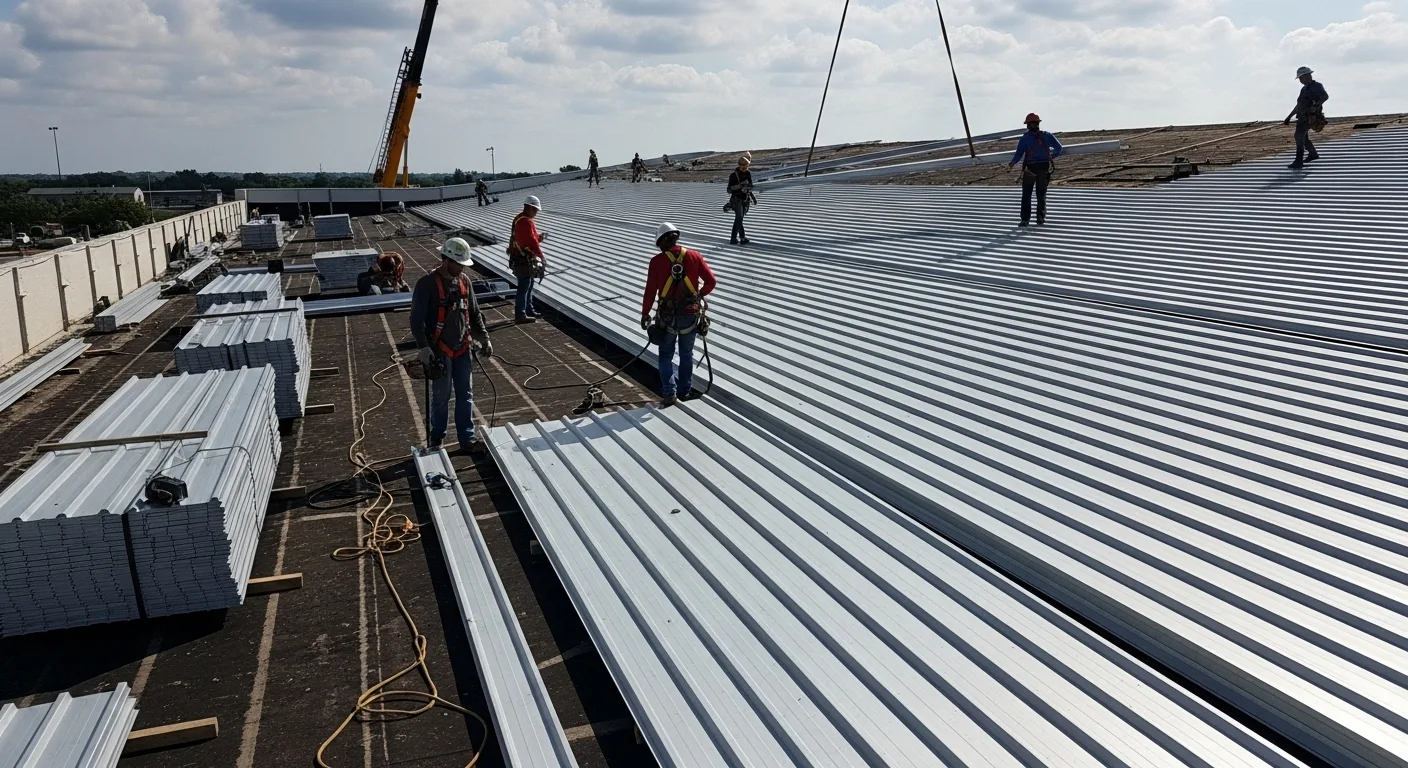
Construction sequencing optimizes crew efficiency and minimizes disruptions to property operations. Weather monitoring becomes critical for multi-building projects, as schedule delays on one building can cascade across the entire project timeline. Professional contractors maintain contingency plans for weather interruptions while coordinating material deliveries and crew assignments across multiple locations.
Quality control procedures ensure consistent installation standards across all buildings. Regular inspections verify membrane seam integrity, proper attachment patterns, and correct flashing details. Documentation throughout the process provides warranty compliance evidence while creating maintenance records for future reference.
Final inspections and warranty activation require coordinating multiple building completions with manufacturer representatives and local building officials. Proper documentation ensures warranty coverage activation while providing property managers with comprehensive maintenance guidelines for the entire portfolio.
Why Choosing the Right Contractor Matters
Multi-building roof replacement demands contractors with proven portfolio management experience and sufficient crew capacity to handle large-scale projects efficiently. Contractor selection affects project costs, completion timelines, and long-term system performance across your entire property portfolio.
Bonding and insurance requirements increase substantially for multi-building projects, protecting property owners against contractor default or performance issues. Established contractors maintain relationships with major material manufacturers, ensuring consistent product availability and competitive pricing for large-volume purchases.
Local expertise proves invaluable for navigating Texas building codes, permit requirements, and weather challenges specific to the Panhandle region. Contractors familiar with local conditions provide realistic scheduling estimates while implementing installation techniques proven effective in extreme Texas weather.
For comprehensive evaluation of your multi-building roofing needs and detailed cost analysis, see our commercial roofing services page for portfolio management solutions designed specifically for Texas property owners.
Warranty service capabilities become critical for multi-building portfolios, as coordinated maintenance and repair services ensure consistent system performance across all properties. Contractors with local service departments provide responsive warranty support while maintaining detailed service records for insurance and warranty compliance.
Financial Planning and ROI Analysis
Professional contractors provide detailed lifecycle cost analysis comparing replacement options across your building portfolio. Energy savings projections help justify premium material selections, while maintenance cost reductions demonstrate long-term value of coordinated replacement strategies.
Financing options for large-scale projects include equipment financing, property improvement loans, and lease arrangements that spread costs over multiple years while providing immediate system performance improvements. Many contractors maintain relationships with specialty lenders familiar with commercial roofing projects and portfolio financing requirements.
Don't let aging roofs across your property portfolio create escalating repair costs and operational disruptions. Contact CRS Roofing & Construction today for comprehensive multi-building roof assessment and detailed replacement budgeting tailored to Texas Panhandle conditions. Our experienced team provides strategic planning, competitive pricing, and coordinated project management ensuring your entire portfolio receives optimal protection while maximizing your roofing investment. Call now to schedule your portfolio evaluation and secure your buildings against Texas weather extremes.
The Texas Panhandle's extreme weather patterns demand careful material selection and timing considerations for multi-building roof replacements. With documented hail events exceeding 2 inches in diameter occurring annually across the Amarillo region, commercial roofing systems must meet stringent impact resistance standards. Property managers should prioritize materials with UL 2218 Class 4 impact ratings and ensure compliance with updated International Building Code wind load requirements that account for the region's sustained winds exceeding 80 mph during severe weather events.
For commercial applications, single-ply membrane systems like TPO and EPDM offer superior performance in the Texas climate. TPO membranes with reflective properties can achieve Solar Reflectance Index (SRI) values above 78, significantly reducing cooling loads during the region's extended summer season when temperatures routinely exceed 100°F. When budgeting across multiple buildings, factor in membrane thickness variations—60-mil systems provide enhanced puncture resistance compared to standard 45-mil installations, though at a 15-20% premium that proves cost-effective over the system's 20-25 year lifespan.
Energy efficiency considerations become paramount when replacing multiple roofs simultaneously. Department of Energy studies indicate that proper insulation upgrades during roof replacement can reduce commercial building energy consumption by 20-30%. In Climate Zone 3A, which encompasses the Texas Panhandle, building codes require minimum R-20 continuous insulation for commercial roofing assemblies. However, upgrading to R-25 or R-30 systems during multi-building projects creates economies of scale that improve long-term operational budgets across your entire portfolio.
Safety compliance adds another critical budgeting component often overlooked in multi-building projects. OSHA fall protection standards require comprehensive safety planning when multiple crews work simultaneously across different buildings. Budget an additional 8-12% for enhanced safety measures including temporary guardrail systems, safety monitor programs, and coordinated access equipment. Additionally, NRCA best practices recommend staggered project timelines to prevent business disruption, which may extend overall project duration but reduces risk exposure and allows for better cash flow management across quarterly budget cycles.