Large roofing projects face an alarming 68% chance of experiencing significant delays, according to industry data from the National Roofing Contractors Association. In Amarillo's challenging climate, where sudden hailstorms and extreme temperature swings can shut down work for days, these delays don't just inconvenience—they compound costs, extend business disruption, and leave your building envelope vulnerable to moisture intrusion. Every day your commercial roof remains unfinished represents lost productivity, potential weather damage, and mounting expenses that could have been avoided with proper planning and contractor selection.
When Large Roofing Projects Require Professional Planning
Complex roofing systems demand expert project management from day one. Properties exceeding 10,000 square feet, multi-phase installations, or projects involving specialized membrane systems require comprehensive pre-construction planning to avoid costly setbacks. In the Texas Panhandle, where weather windows can close rapidly, the margin for error becomes even smaller.
Professional attention becomes critical when dealing with:
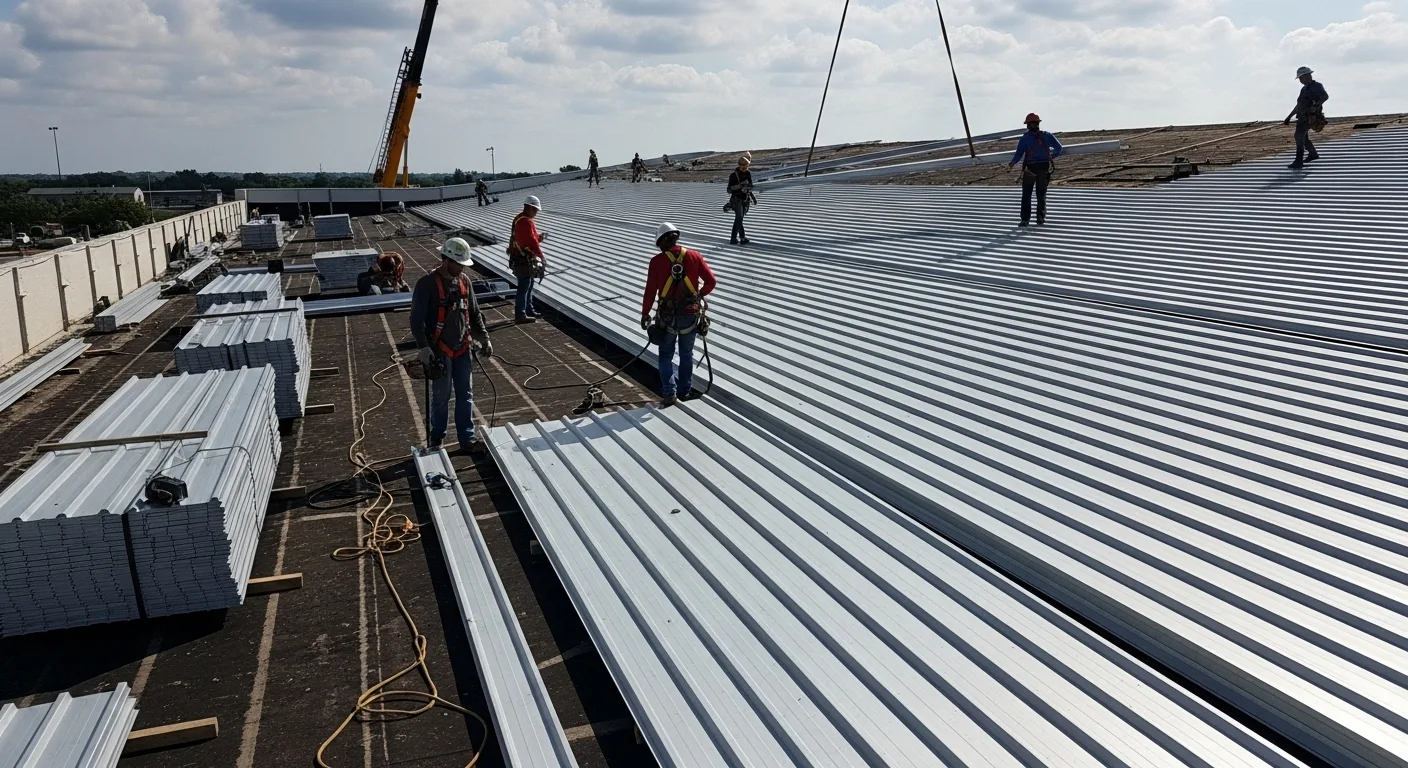
- Multi-story buildings requiring crane coordination and material staging
- Occupied facilities where business continuity cannot be interrupted
- Complex building envelopes with multiple roof levels, penetrations, or architectural features
- Specialized systems like TPO, EPDM, or modified bitumen requiring certified installation teams
- Time-sensitive deadlines driven by seasonal operations or lease requirements
The consequences of inadequate planning extend far beyond schedule slippage. Poor coordination leads to material waste, labor inefficiencies, and potential warranty voidance that can cost tens of thousands in additional expenses.
Key Decision Factors for Timeline Success
Three critical factors determine whether your large roofing project stays on schedule: material selection, weather planning, and contractor capability. Each decision point directly impacts your project's vulnerability to delays and cost overruns.
Material Procurement Strategy: Lead times for commercial roofing materials can extend 6-8 weeks for specialized systems. High-performance membranes, custom flashings, and insulation materials must be ordered well in advance. Projects that begin with incomplete material deliveries face immediate delays and often struggle to recover lost time.
Weather Window Planning: Amarillo's climate presents unique challenges with its extreme temperature variations and sudden severe weather events. Spring and fall offer optimal installation windows, but projects must be planned around the region's notorious hail season from March through June. Smart scheduling accounts for these patterns while building in buffer time for unexpected weather delays.
Phased vs. Complete Replacement: Large roofing projects often benefit from phased approaches that maintain business operations while ensuring continuous weather protection. However, this strategy requires meticulous coordination of membrane seams, drainage systems, and thermal barriers to prevent moisture intrusion between phases.
Cost considerations must balance upfront investment against lifecycle cost analysis. While premium materials and experienced contractors command higher initial costs, they deliver superior project execution that minimizes delays, reduces change orders, and provides long-term value through enhanced durability and energy efficiency.
Material and System Recommendations for Delay Prevention
Strategic material selection significantly impacts project timeline reliability. Single-membrane systems like TPO or EPDM offer faster installation compared to multi-component built-up roofs, reducing weather exposure during application. However, the choice must align with your building's specific requirements and performance expectations.
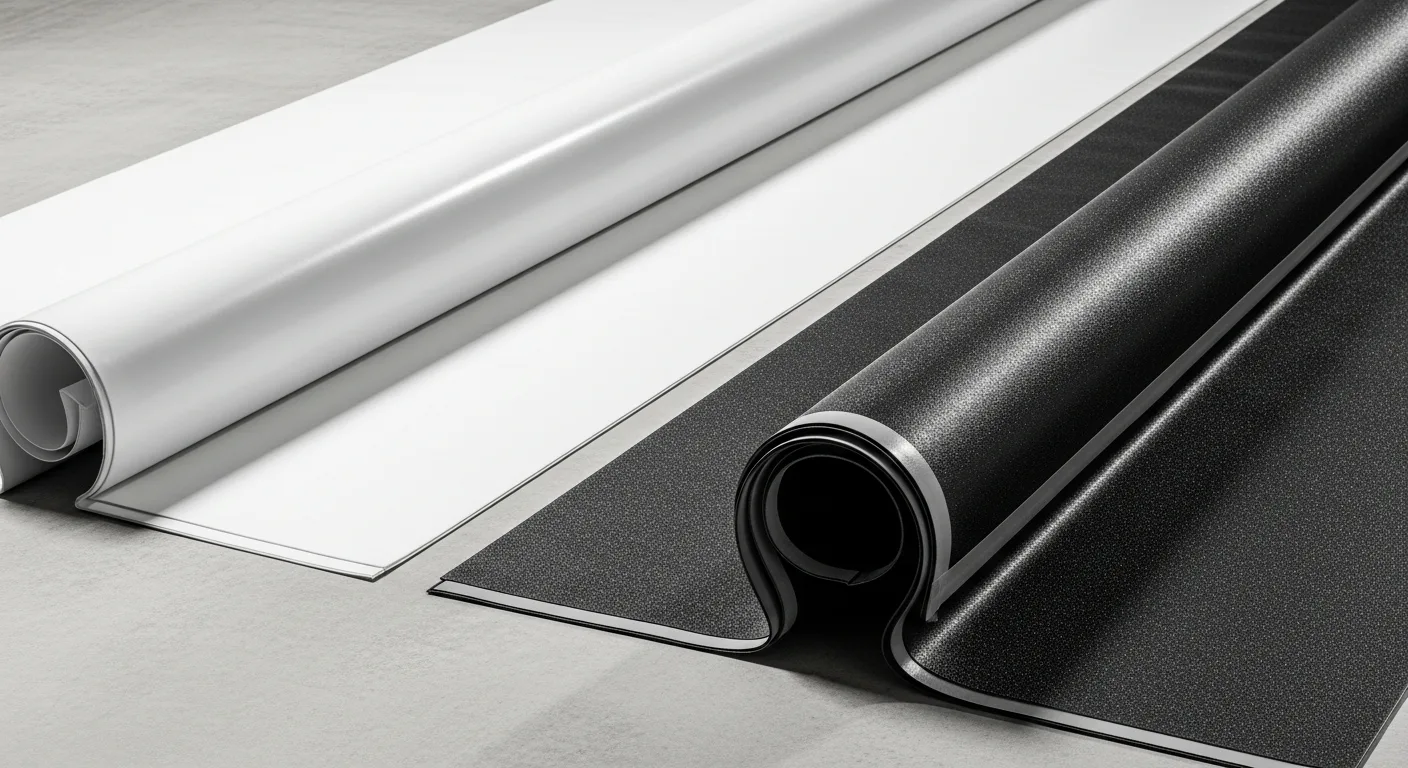
TPO (Thermoplastic Polyolefin): Excellent for large, uncomplicated roof areas where installation speed is paramount. Heat-welded seams create reliable waterproofing with minimal weather dependency once the membrane is positioned. High thermal reflectivity reduces cooling costs, making it ideal for Amarillo's intense summer heat.
EPDM (Ethylene Propylene Diene Monomer): Proven durability in extreme temperature conditions makes EPDM suitable for buildings requiring long-term performance. Fully adhered systems provide superior wind uplift resistance—critical for the Texas Panhandle's severe weather patterns.
Modified Bitumen: Multi-ply systems offer exceptional puncture resistance and proven performance in commercial applications. While installation takes longer than single-membrane systems, the redundant waterproofing layers provide enhanced security for mission-critical facilities.
Insulation strategies also impact timeline efficiency. Continuous insulation boards install faster than multiple-layer systems, while providing superior thermal performance and R-value consistency across the entire building envelope. This approach reduces labor hours and minimizes opportunities for installation errors that could delay project completion.
What to Expect During the Large Roofing Process
Professional large-scale roofing projects follow structured phases designed to minimize delays and ensure quality outcomes. Understanding this process helps property owners prepare appropriately and identify potential issues before they impact timelines.
Pre-Construction Phase (2-4 weeks): Comprehensive planning begins with detailed roof inspections, structural assessments, and permit acquisition. Material procurement starts immediately, with delivery scheduling coordinated to match installation phases. Weather monitoring becomes active to identify optimal work windows.
Mobilization Phase (1-2 days): Equipment staging, safety setup, and material positioning occur rapidly once weather conditions align. Professional contractors maintain dedicated project managers who coordinate with building operations to minimize business disruption.
Installation Phase (varies by size and complexity): Systematic removal and replacement follows predetermined sequences that maintain weather protection. Daily progress meetings address any emerging issues before they impact overall timelines. Quality control checkpoints ensure work meets specifications without requiring costly corrections.
Final Inspection and Closeout (2-3 days): Comprehensive system testing, warranty documentation, and final inspections complete the project. Proper closeout prevents future disputes and ensures warranty coverage begins immediately.
Communication remains constant throughout each phase, with property owners receiving regular updates on progress, weather impacts, and any adjustments to the timeline. This transparency enables informed decision-making and maintains confidence in project outcomes.
Managing Business Operations During Installation
Large roofing projects require careful coordination with ongoing business operations. Professional contractors develop comprehensive plans that maintain access routes, protect sensitive equipment, and minimize noise disruption during critical business hours. Dust control measures and debris management protect interior spaces while ensuring worker safety compliance.
Why Choosing the Right Contractor Matters for Timeline Success
Contractor selection represents the most critical decision affecting project timeline reliability. Experienced commercial roofing contractors bring proven systems, established supplier relationships, and skilled project management that directly prevent common delay sources.
Project Management Expertise: Large roofing projects require dedicated project managers who coordinate multiple work crews, material deliveries, and quality control checkpoints. This specialization ensures efficient resource utilization and rapid problem resolution when issues arise.
Supplier Relationships: Established contractors maintain relationships with multiple material suppliers, providing flexibility when supply chain disruptions occur. These partnerships also enable priority ordering and expedited delivery when project timelines demand quick response.
Crew Specialization: Complex commercial systems require certified installation teams with specific training on membrane seaming, insulation attachment, and drainage system integration. Inexperienced crews create quality issues that require time-consuming corrections.
Equipment Resources: Large projects demand specialized equipment including cranes, material hoists, and hot-air welding systems. Contractors with owned equipment avoid rental delays and maintain better timeline control throughout the project.
Insurance and bonding requirements also distinguish professional contractors. Comprehensive coverage protects property owners from delays caused by accidents, weather damage, or contractor default situations that could otherwise extend project timelines indefinitely.
Our commercial roofing services page details the comprehensive project management systems that keep large installations on schedule despite Texas Panhandle weather challenges.
Ready to ensure your large roofing project stays on schedule and within budget? CRS Roofing & Construction brings decades of commercial project experience to every installation, with proven systems that prevent delays and deliver exceptional results. Our project managers work directly with property owners to develop realistic timelines, secure necessary materials, and coordinate installation phases that maintain business operations throughout the process. Contact us today at (806) 584-3823 for a comprehensive project consultation and detailed timeline analysis. Don't let poor planning turn your roofing investment into a costly, disruptive nightmare—partner with professionals who deliver results on time, every time.
The Texas Panhandle's extreme climate conditions demand specialized material selection and installation protocols. According to National Severe Storms Laboratory research, Amarillo experiences some of the nation's most severe hailstorms, with stones reaching up to 4 inches in diameter. Commercial roofing systems must meet stringent impact resistance standards, particularly for membrane roofing where TPO and EPDM systems from manufacturers like Carlisle SynTec require specific installation temperatures and wind uplift ratings exceeding 90 mph to withstand panhandle conditions.
Temperature fluctuations in the Texas Panhandle, ranging from sub-zero winters to 100°F+ summers, create unique material stress challenges that can derail project timelines. Membrane installations must account for thermal movement, requiring expansion joints and proper fastening patterns as specified by Single Ply Roofing Industry (SPRI) standards. Metal roofing systems face similar challenges, where thermal expansion coefficients become critical for panel alignment and seam integrity during temperature swings.
Wind uplift requirements in Amarillo's high-wind zone necessitate enhanced fastening schedules and perimeter detailing. FM Global loss prevention standards recommend wind uplift ratings of 1-90 or higher for commercial properties in this region, requiring precise installation protocols that can extend project timelines if not properly planned. Contractor teams must coordinate material deliveries with weather forecasting, as sudden temperature drops can halt membrane welding operations and compromise seam integrity.
Safety protocols become even more critical during large commercial projects in Amarillo's challenging environment. OSHA fall protection requirements mandate comprehensive safety planning for multi-story installations, while high wind conditions may require work stoppages when sustained winds exceed 25 mph. Professional contractors must integrate weather monitoring systems and maintain flexible scheduling to accommodate these safety restrictions without compromising project completion dates.