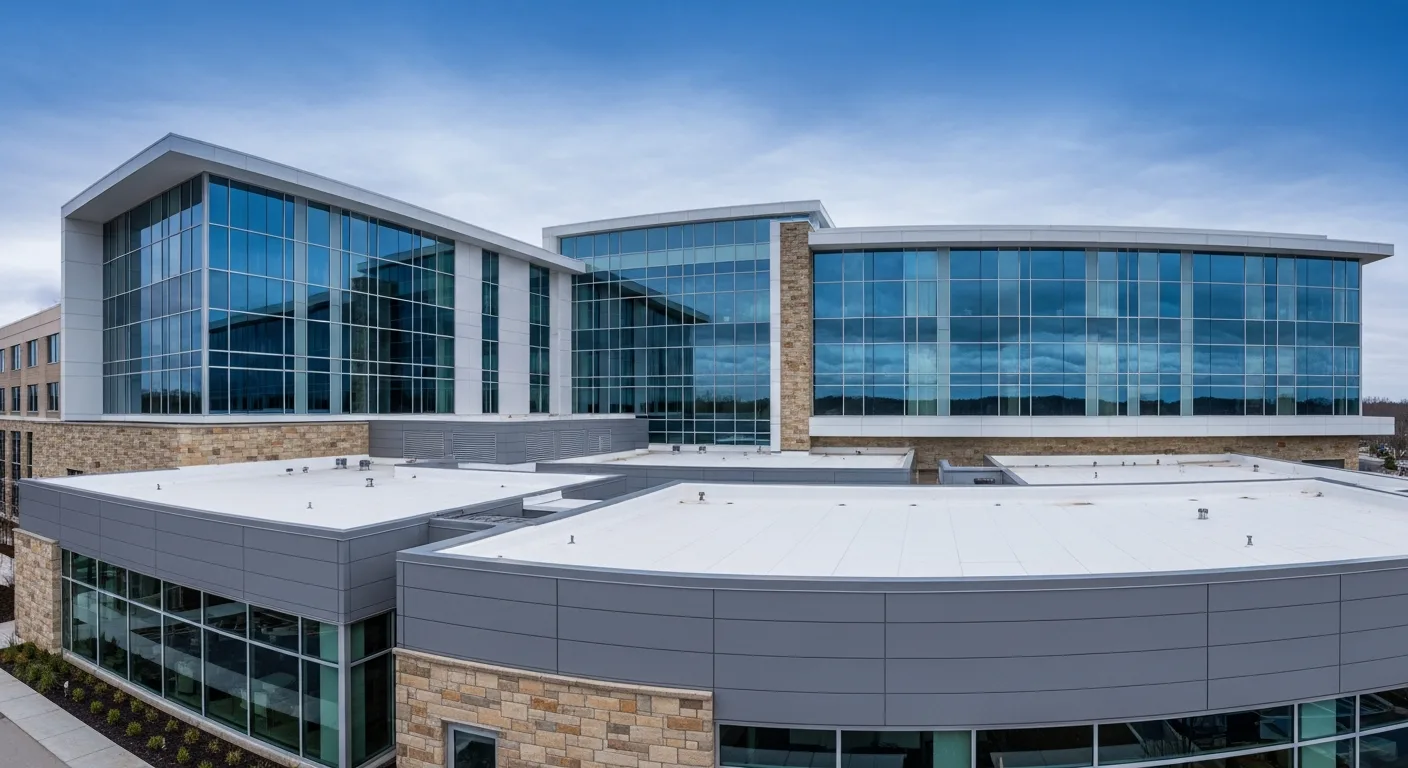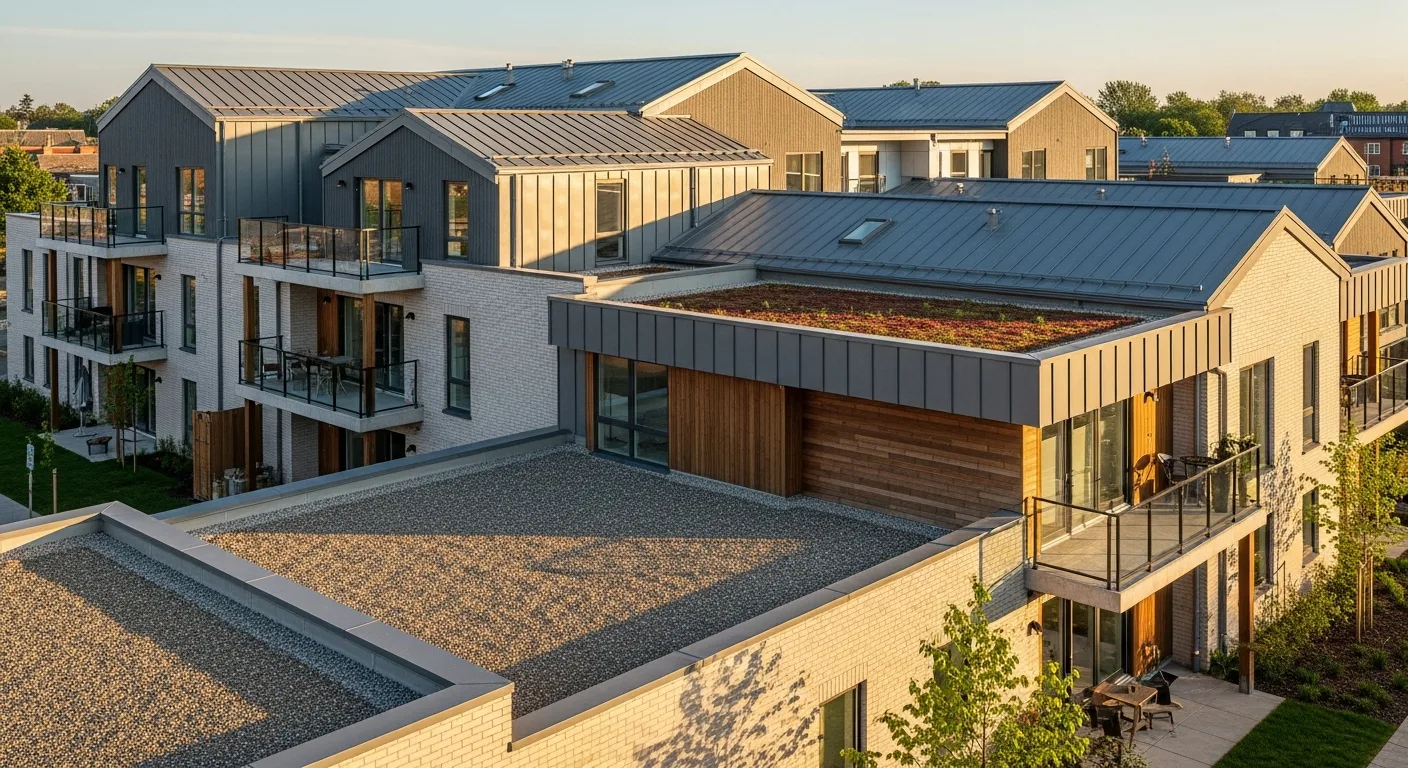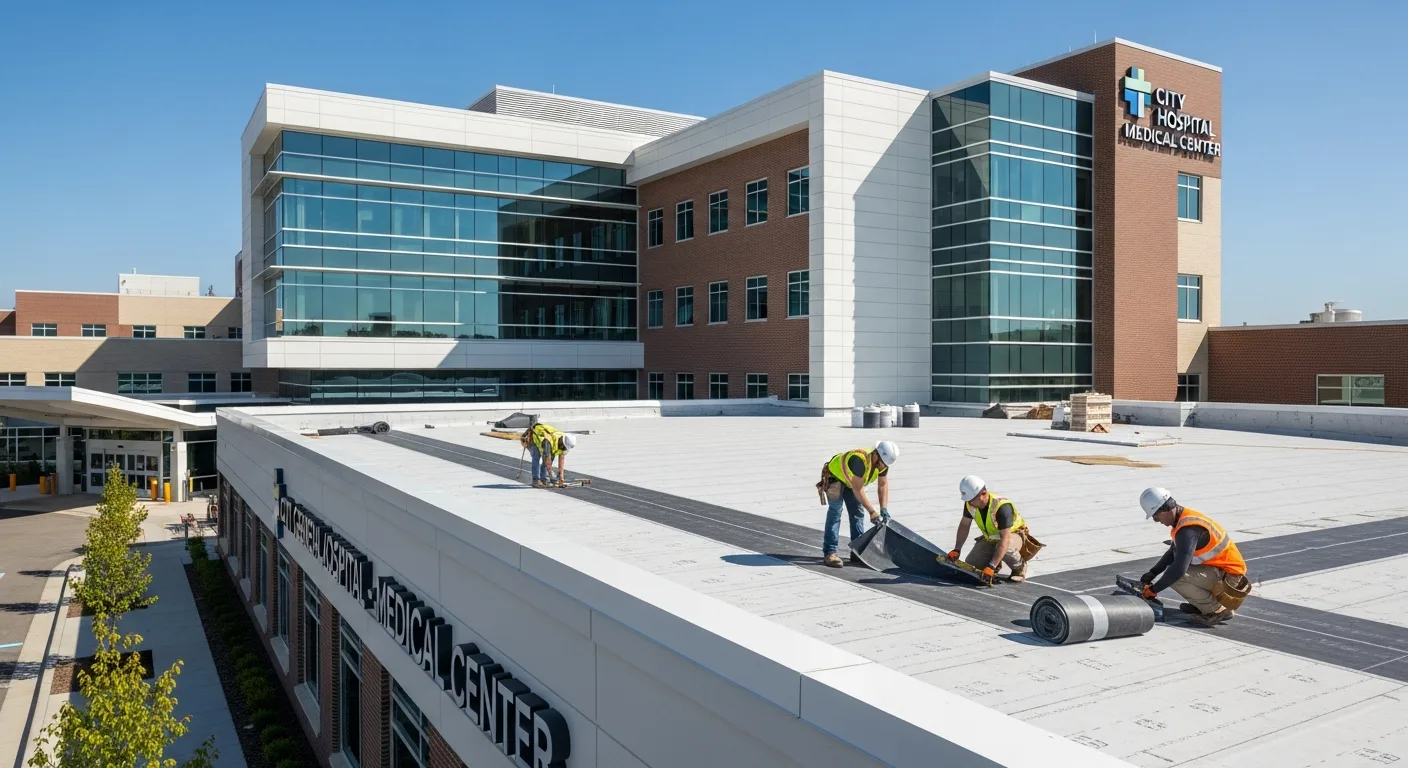
Hospital facilities face unique challenges when it comes to roof waterproofing, as even minor water intrusion can compromise patient care, disrupt critical operations, and violate stringent healthcare regulations. Facilities directors must navigate complex requirements that go far beyond standard commercial buildings, ensuring their roofing systems meet the demanding standards of healthcare environments while protecting valuable equipment, maintaining sterile conditions, and ensuring continuous operations.
Critical Regulatory Standards for Hospital Roofing Systems
Healthcare facilities operate under strict regulatory oversight that directly impacts roofing and waterproofing requirements. The Joint Commission, CMS (Centers for Medicare & Medicaid Services), and local health departments all maintain standards that facilities directors must consider when planning roofing projects. These regulations emphasize life safety, infection control, and emergency preparedness – all of which are directly affected by roof performance.
Hospital roofing systems must comply with NFPA 101 Life Safety Code requirements, which mandate specific fire ratings and evacuation considerations for rooftop equipment and access points. Additionally, the Federal Emergency Management Agency (FEMA) provides guidelines for healthcare facility resilience that include roofing system specifications designed to withstand extreme weather events and maintain operational continuity during disasters.
HVAC Integration and Infection Control
One of the most critical aspects of hospital roof waterproofing involves the integration with sophisticated HVAC systems that maintain precise environmental controls. Operating rooms, intensive care units, and isolation rooms require specific air pressure relationships and filtration standards that can be compromised by water intrusion through roof penetrations or membrane failures.
The complexity of rooftop HVAC equipment in hospitals creates numerous penetration points that require specialized waterproofing techniques. Each piece of equipment, from air handling units to exhaust fans for infectious disease isolation rooms, must be properly sealed and flashed to prevent water infiltration while maintaining the system's operational efficiency and compliance with Department of Energy efficiency standards.
Advanced Waterproofing Systems for Healthcare Environments
Hospital roofs demand waterproofing systems that exceed typical commercial standards due to the critical nature of the activities below. Traditional built-up roofing systems are often insufficient for healthcare applications, requiring more advanced solutions such as modified bitumen, EPDM, TPO, or specialized liquid-applied membranes that can accommodate the unique stresses of hospital operations.
Liquid-applied waterproofing systems have become increasingly popular in hospital applications due to their ability to create seamless, monolithic barriers that eliminate the weak points often found in seamed membrane systems. These systems can be applied over existing substrates and around complex penetrations without creating potential failure points that could compromise the facility's operations.
Emergency Power and Equipment Protection
Hospitals rely on critical equipment that must remain operational during emergencies, including rooftop generators, cooling towers, and communication equipment. The waterproofing system must protect not only the building envelope but also these essential systems that ensure patient safety and regulatory compliance during power outages or natural disasters.
The National Roofing Contractors Association (NRCA) has established specific guidelines for roofing systems that support emergency power equipment, emphasizing the need for redundant waterproofing measures and enhanced structural support to accommodate the weight and vibration of backup generators and related infrastructure.
Specialized Considerations for Different Hospital Areas
Different areas within a hospital facility have varying requirements that impact roofing and waterproofing specifications. Operating suites, laboratory areas, imaging departments, and patient rooms all have unique environmental needs that must be considered when designing waterproofing systems.
For facilities directors planning comprehensive roofing projects, understanding these nuanced requirements is essential for selecting appropriate materials and installation methods. Healthcare roofing specialists recognize that areas housing sensitive medical equipment require additional protection against electromagnetic interference, which can be affected by certain roofing materials and waterproofing components.
Laboratory and Imaging Suite Requirements
Hospital laboratories and imaging departments house extremely sensitive and expensive equipment that cannot tolerate even minor water intrusion. MRI suites, CT scan areas, and research laboratories often require specialized shielding that must be integrated with waterproofing systems without compromising either system's effectiveness.
The waterproofing design for these areas often requires coordination with medical equipment manufacturers to ensure that roof-mounted components and waterproofing materials do not interfere with sensitive diagnostic equipment. This level of coordination requires experienced contractors familiar with healthcare facility requirements and the ability to work with multiple specialized trades.
Preventive Maintenance and Inspection Protocols
Hospital facilities cannot afford unexpected roof failures, making preventive maintenance programs essential components of facility management. The Insurance Institute for Business & Home Safety (IBHS) recommends comprehensive inspection protocols that go beyond visual assessments to include infrared thermography, core sampling, and electronic leak detection methods.
Facilities directors should implement quarterly inspections of all roof areas, with particular attention to equipment penetrations, drainage systems, and membrane seams. These inspections should be conducted by qualified roofing professionals who understand the unique requirements of healthcare facilities and can identify potential issues before they impact operations.
When maintenance issues are identified, prompt response is critical. Professional waterproofing services can address minor problems before they escalate into major failures that could compromise patient care or violate regulatory requirements.
Documentation and Compliance Tracking
Healthcare facilities must maintain detailed documentation of all building systems, including roofing and waterproofing components. This documentation is essential for regulatory compliance, insurance requirements, and long-term asset management. Facilities directors should establish comprehensive record-keeping systems that track installation dates, warranty periods, maintenance activities, and performance metrics.
Regular documentation also supports budget planning and helps facilities directors make informed decisions about repair versus replacement strategies. Well-maintained records can extend the useful life of roofing systems and provide valuable data for future project planning.
Emergency Response and Business Continuity Planning
Hospital roofing systems must be designed and maintained with emergency response capabilities in mind. Natural disasters, severe weather events, and other emergencies can test the limits of even well-designed waterproofing systems, making emergency preparedness protocols essential for facilities directors.
Developing relationships with qualified emergency roofing contractors before disasters strike ensures rapid response capabilities when facilities face urgent waterproofing failures. Emergency roofing services should be available 24/7 to address critical situations that could compromise patient safety or facility operations.
Post-Emergency Assessment and Recovery
Following severe weather events or other emergencies, facilities directors must implement rapid assessment protocols to evaluate roof system integrity and identify any waterproofing compromises that could affect ongoing operations. These assessments should prioritize critical care areas and essential building systems while documenting any damage for insurance and regulatory reporting purposes.
Recovery planning should include provisions for temporary waterproofing measures that can maintain facility operations while permanent repairs are completed. This planning requires understanding of hospital operational priorities and the ability to implement solutions that minimize disruption to patient care.
Future-Proofing Hospital Waterproofing Systems
As healthcare delivery continues to evolve, facilities directors must consider future needs when selecting waterproofing systems and planning maintenance programs. Advances in medical technology, changing regulatory requirements, and climate-related challenges all impact long-term roofing performance and maintenance strategies.
Sustainable roofing solutions are becoming increasingly important in healthcare facility planning, with many hospitals pursuing LEED certification and other green building standards. Modern waterproofing systems from manufacturers like GAF and Owens Corning offer enhanced performance characteristics while supporting sustainability goals through improved energy efficiency and longer service life.
For facilities directors overseeing hospital roofing and waterproofing systems, success requires understanding the complex interplay between regulatory requirements, operational needs, and long-term facility planning. By working with experienced healthcare roofing professionals and implementing comprehensive maintenance programs, hospitals can ensure their waterproofing systems provide the reliability and performance essential for patient care and regulatory compliance.
The Texas Panhandle's extreme climate conditions create additional challenges for hospital roof waterproofing that facilities directors must address. With frequent hail storms, high winds exceeding 70 mph, and temperature swings from below freezing to over 100°F, hospital roofing systems require enhanced durability specifications. National Weather Service data shows the Amarillo region experiences some of the most severe hail activity in the nation, making impact resistance a critical consideration for healthcare facility roofing.
For single-ply membrane systems commonly used on large hospital buildings, facilities directors should specify materials that meet or exceed ASTM D5602 standards for wind resistance and puncture resistance. Modern TPO and PVC membranes from manufacturers like Sika Sarnafil offer enhanced weathering resistance specifically designed for extreme climate conditions. These systems must be mechanically fastened or fully adhered with specific uplift ratings calculated based on local wind speed requirements, typically Zone 3 ratings for the Texas Panhandle region.
Hospital rooftop equipment presents unique waterproofing challenges that require specialized attention. HVAC units, emergency generators, and medical gas equipment create numerous roof penetrations that must be properly sealed and maintained. NFPA 99 Health Care Facilities Code mandates specific requirements for medical gas piping penetrations and emergency power system components, all of which impact roof waterproofing integrity. Facilities directors must ensure that penetration sealing methods maintain their waterproof barrier while allowing for thermal expansion and equipment vibration.
Energy efficiency requirements for healthcare facilities add another layer of complexity to roof waterproofing specifications. ASHRAE Standard 90.1 establishes minimum insulation R-values for hospital buildings in Climate Zone 3A (Texas Panhandle), requiring R-20 minimum for roof assemblies. This insulation requirement must be integrated with waterproofing systems without creating thermal bridging or moisture vapor issues. Cool roof technologies that meet Cool Roof Rating Council standards can help hospitals reduce energy costs while maintaining waterproofing performance, with reflective membranes showing solar reflectance values of 0.65 or higher proving most effective in Texas heat conditions.