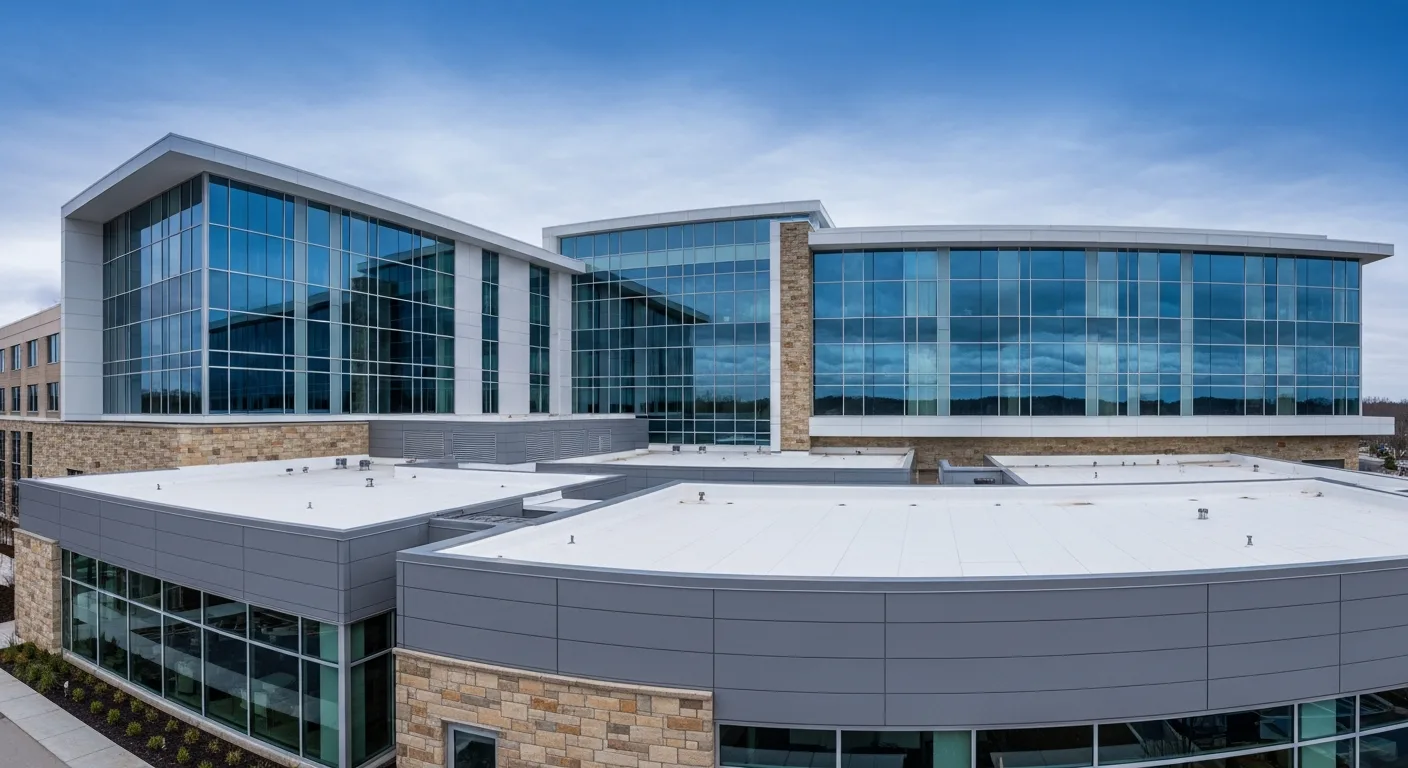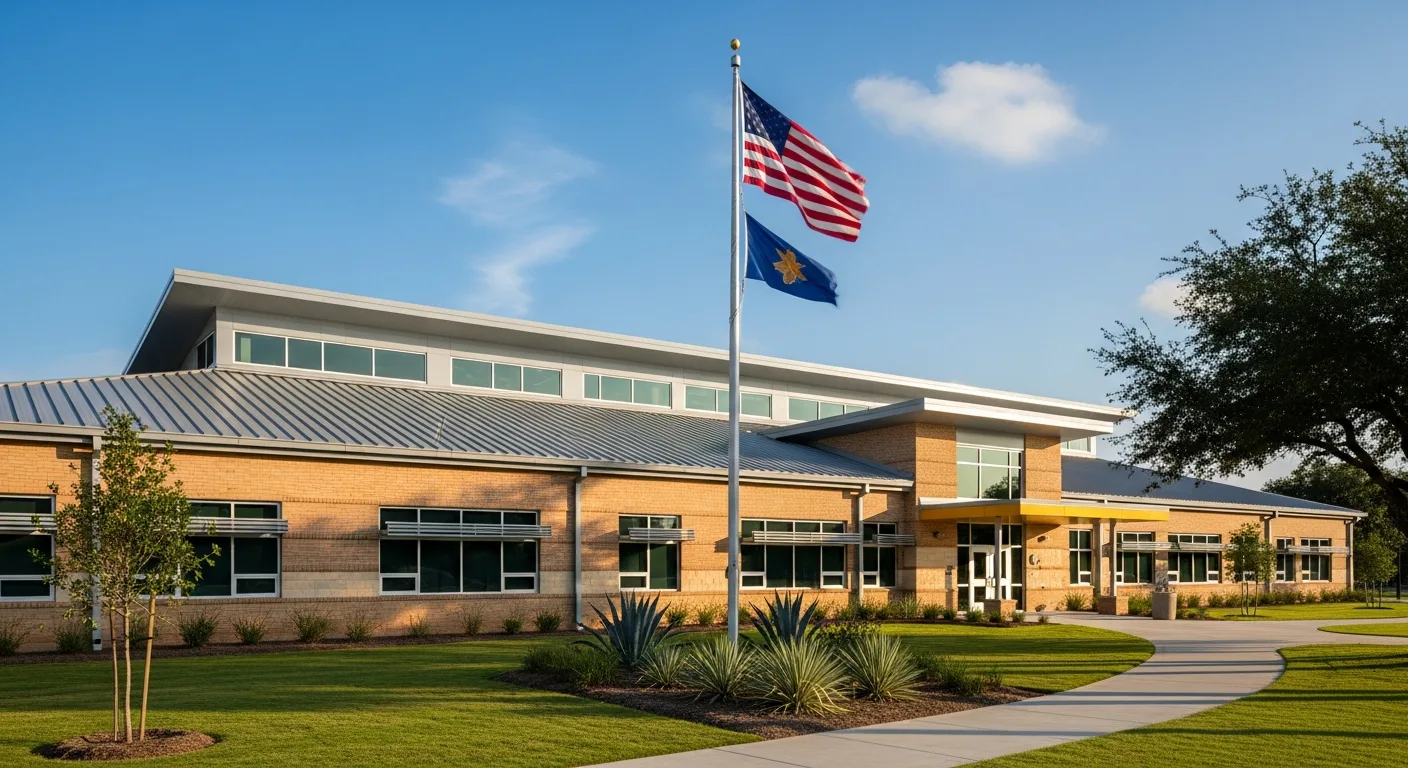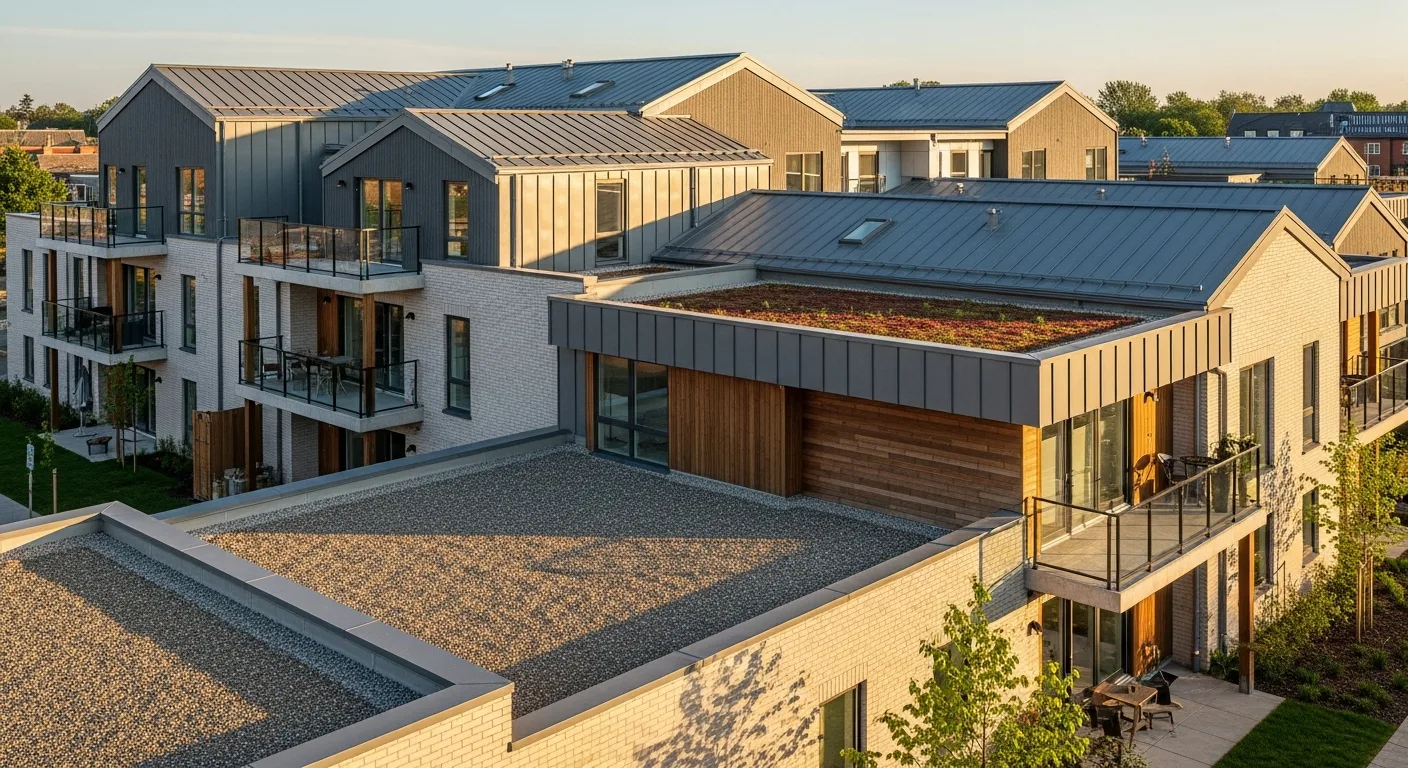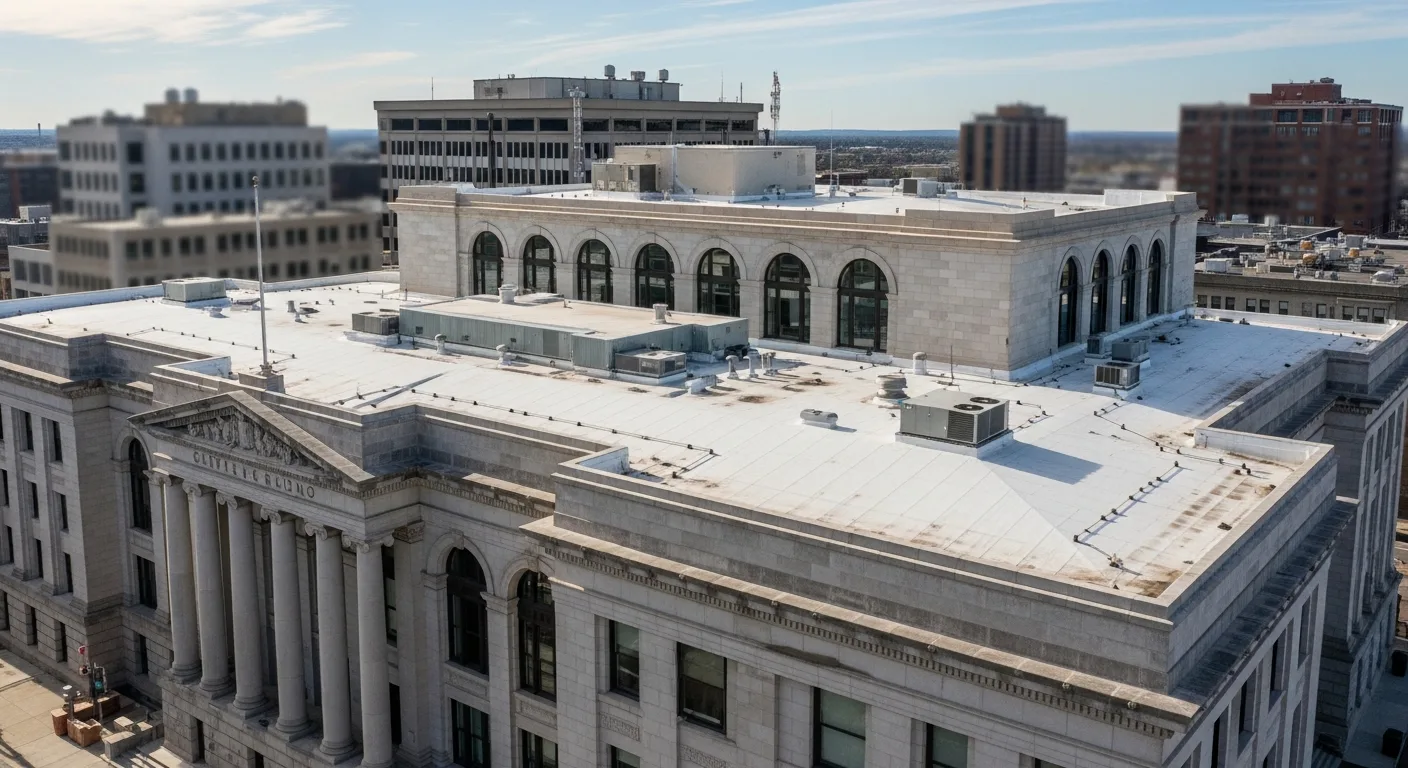
Government buildings across Texas must adhere to stringent roofing standards that exceed typical commercial requirements, ensuring public safety, energy efficiency, and long-term durability. For public sector facilities in Amarillo and throughout the Panhandle, understanding and meeting these compliance standards is crucial for protecting taxpayer investments and maintaining operational continuity.
Understanding Texas Government Building Roofing Requirements
Texas government buildings operate under a complex framework of federal, state, and local regulations that govern roofing system specifications. These standards encompass everything from material selection and installation procedures to energy efficiency ratings and emergency preparedness measures. The Department of Energy's federal building standards serve as a baseline, while Texas-specific codes add additional requirements tailored to the state's unique climate challenges.
Unlike private commercial properties, government facilities must demonstrate compliance through detailed documentation, regular inspections, and adherence to procurement processes that prioritize transparency and accountability. This creates a more rigorous environment where roofing contractors must possess specialized knowledge of public sector requirements and maintain certifications that meet governmental standards.
The complexity increases when considering that different types of government buildings—from courthouses and municipal offices to emergency services facilities and educational institutions—may have varying compliance requirements based on their critical infrastructure status and public access levels.
Federal Compliance Standards for Public Buildings
Federal regulations establish the foundation for government building roofing standards, with agencies like FEMA and the General Services Administration (GSA) providing specific guidelines. The Federal Emergency Management Agency's building science requirements emphasize resilience and disaster preparedness, particularly relevant for Texas facilities that face severe weather threats including hail, high winds, and extreme temperature fluctuations.
Energy efficiency mandates represent another critical federal requirement, with government buildings expected to achieve specific performance benchmarks for thermal resistance and solar reflectance. These standards directly impact material selection, requiring roofing systems that meet or exceed ENERGY STAR qualifications and contribute to overall building energy reduction goals.
GSA Roofing Standards and Specifications
The General Services Administration maintains comprehensive roofing specifications that govern federal facilities, including detailed requirements for membrane systems, insulation standards, and installation protocols. These specifications often reference industry standards from the National Roofing Contractors Association, ensuring that government projects align with established best practices while meeting enhanced durability and performance requirements.
For Texas government buildings, GSA standards must account for the state's challenging climate conditions, requiring roofing systems capable of withstanding extreme heat, UV exposure, and severe weather events. This often necessitates upgraded materials and reinforced installation techniques that exceed standard commercial applications.
Texas State-Specific Roofing Regulations
Texas imposes additional roofing requirements for government buildings through state building codes and energy efficiency mandates. These regulations address regional climate concerns, including requirements for enhanced wind resistance ratings and reflective roofing materials that reduce urban heat island effects in cities like Amarillo.
State procurement laws also influence roofing projects for government facilities, requiring competitive bidding processes and contractor qualifications that demonstrate experience with public sector work. This creates a specialized market where government roofing contractors must maintain specific certifications and bonding requirements that exceed typical commercial standards.
The Texas State Energy Conservation Office provides guidelines for government buildings that mandate specific R-values for roofing insulation and require cool roof technologies in many applications. These requirements directly impact material costs and installation complexity, making it essential for government entities to work with contractors who understand both the technical and regulatory aspects of compliance.
Local Municipal Requirements
Local jurisdictions may impose additional requirements beyond state and federal standards, particularly for critical infrastructure facilities. Cities like Amarillo often have specific provisions for government buildings that address local climate conditions, emergency preparedness needs, and aesthetic considerations for buildings in historic districts or prominent public locations.
Building permit processes for government facilities typically involve enhanced review procedures and may require additional inspections throughout the construction process. This creates a need for detailed project documentation and coordination with multiple regulatory bodies to ensure full compliance.
Material Standards and Certification Requirements
Government building roofing projects must utilize materials that meet specific performance standards and carry appropriate certifications. Major manufacturers like GAF's government and institutional solutions and Owens Corning's commercial roofing systems offer products specifically designed to meet public sector requirements.
These materials often exceed standard commercial grades in areas such as fire resistance, wind uplift ratings, and environmental sustainability. For Texas government buildings, materials must demonstrate capability to withstand extreme weather conditions while maintaining energy efficiency performance over extended service lives.
Documentation requirements for government projects include detailed material certifications, manufacturer warranties, and compliance attestations that create a comprehensive record for facility management and regulatory review. This level of documentation supports long-term maintenance planning and ensures accountability for public investments.
Sustainable and Energy-Efficient Material Requirements
Government buildings increasingly face mandates for sustainable roofing materials and systems that contribute to LEED certification or other green building standards. This includes requirements for recycled content, renewable materials, and end-of-life recyclability that influence material selection and project costs.
Energy efficiency requirements often mandate cool roof technologies, enhanced insulation systems, and solar-ready installations that prepare buildings for future renewable energy integration. These requirements create opportunities for innovative solutions while ensuring government facilities serve as models for energy-efficient design.
Installation and Quality Assurance Standards
Government roofing projects require enhanced quality assurance measures that exceed typical commercial roofing standards. This includes third-party inspections, detailed installation documentation, and performance testing that verifies compliance with all applicable standards.
Contractor certification requirements for government work often include specialized training, bonding requirements, and experience verification that demonstrates capability to handle public sector projects. The Insurance Institute for Business & Home Safety provides research and guidelines that inform government building standards, particularly for facilities in high-risk weather zones like the Texas Panhandle.
Installation protocols for government buildings typically require detailed progress reporting, photographic documentation, and coordination with facility operations to minimize disruption to public services. This creates a more complex project environment that requires experienced contractors familiar with public sector requirements and procedures.
Inspection and Compliance Verification
Government roofing projects undergo multiple inspection phases, from initial design review through final acceptance testing. These inspections verify compliance with all applicable codes and standards while ensuring that installation quality meets enhanced public sector requirements.
Post-installation compliance includes requirements for ongoing maintenance documentation, performance monitoring, and periodic re-certification that ensures continued compliance throughout the roof system's service life. This creates long-term partnerships between government entities and roofing contractors that extend beyond initial installation.
Working with Qualified Government Roofing Contractors
Successfully navigating government building roofing standards requires partnership with contractors who possess specialized knowledge of public sector requirements. Qualified contractors maintain current certifications, understand procurement processes, and have demonstrated experience managing the complex regulatory environment that governs government facilities.
For Texas government entities seeking compliance assistance, working with experienced contractors ensures that projects meet all applicable standards while optimizing performance and cost-effectiveness. This partnership approach helps navigate the complex regulatory landscape while delivering roofing systems that protect public investments and serve community needs effectively.
The investment in compliance-focused roofing solutions pays dividends through enhanced durability, reduced maintenance costs, and improved energy efficiency that benefits both facility operations and taxpayer interests. By understanding and implementing appropriate standards, government buildings can achieve superior performance while fulfilling their public service mission.
The Texas Panhandle's extreme weather conditions demand specialized roofing solutions that can withstand hail storms, sustained winds exceeding 70 mph, and temperature fluctuations from below freezing to over 110°F. Government buildings in this region must meet Department of Energy federal building standards while addressing these unique climate challenges through enhanced material specifications and installation requirements.
For government facilities requiring single-ply membrane systems, TPO and EPDM membranes must meet stringent puncture resistance and thermal cycling requirements. These commercial roofing systems undergo rigorous testing protocols established by ASTM International standards, including ASTM D5602 for puncture resistance and ASTM D5849 for seam strength, ensuring they can withstand the Panhandle's severe weather conditions.
Metal roofing systems for government buildings must comply with enhanced wind uplift requirements, often exceeding standard commercial specifications. Standing seam metal roofing systems designed for Texas government facilities typically require wind ratings of 120+ mph, with proper attachment spacing and seaming techniques verified through third-party testing. The International Code Council's standards provide the framework for these enhanced requirements, particularly in high-wind zones common throughout the Texas Panhandle.
Energy efficiency compliance for government buildings extends beyond basic insulation requirements to include cool roof specifications that reduce urban heat island effects and lower operational costs. Reflective roofing materials must achieve Solar Reflectance Index (SRI) values of 78 or higher for low-sloped roofs, as verified through Cool Roof Rating Council testing protocols. These standards help government facilities achieve significant energy savings while meeting sustainability mandates increasingly common in public sector construction projects across Texas.