When examining commercial roofing failures across the industry, a startling statistic emerges: improper flashing installation and maintenance is responsible for approximately 80% of premature roof system failures. This critical component, often overlooked during initial construction or routine maintenance, serves as the primary defense against water infiltration at roof penetrations, transitions, and edges. Understanding why flashing plays such a dominant role in determining your commercial roof's lifespan could save your business thousands of dollars in unexpected repairs and operational disruptions.
The Critical Role of Flashing in Commercial Roofing Systems
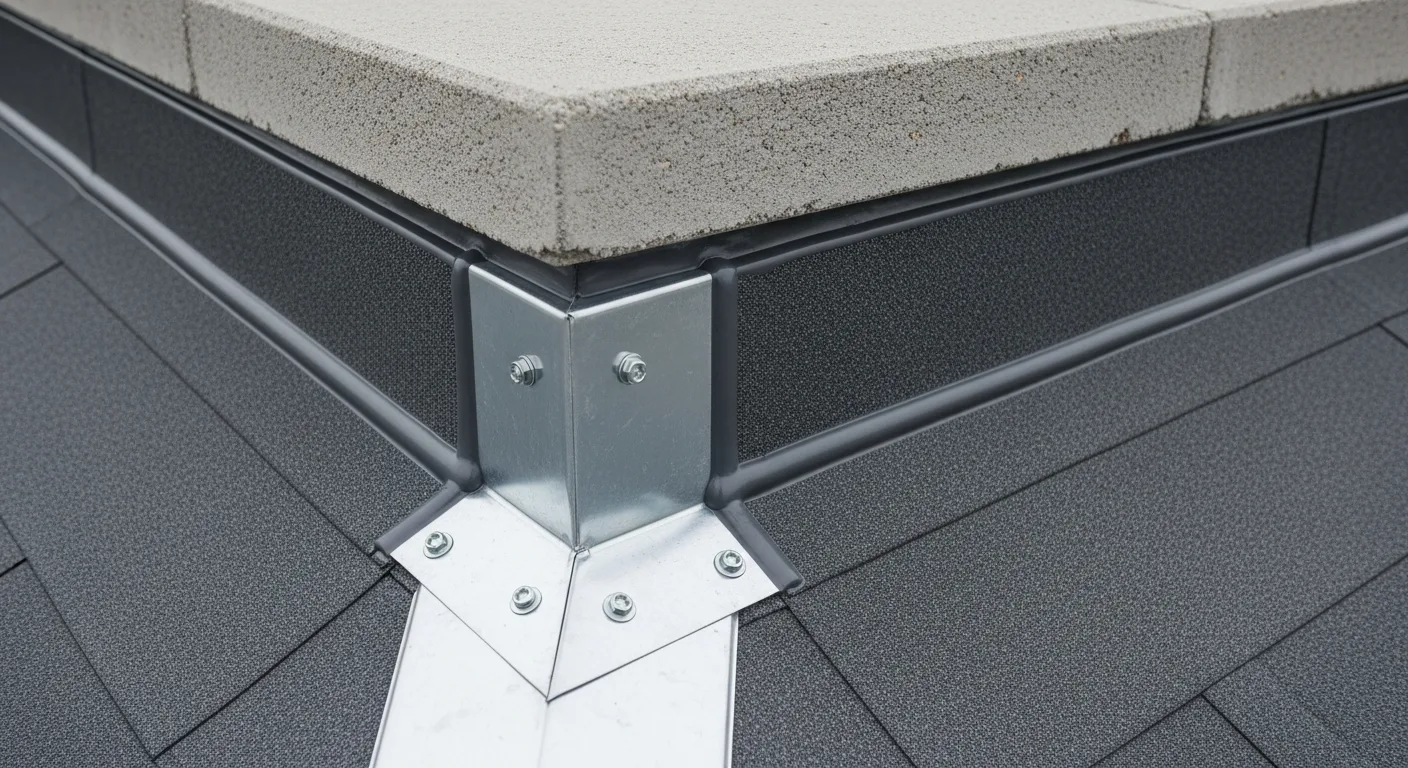
Flashing serves as the unsung hero of commercial roofing systems, creating watertight seals at the most vulnerable points of your roof. These strategic locations include HVAC penetrations, plumbing vents, skylights, parapets, and roof-to-wall transitions. Without properly installed and maintained flashing, even the highest-quality roofing membrane becomes susceptible to water infiltration.
The National Roofing Contractors Association (NRCA) emphasizes that flashing details are among the most critical aspects of commercial roof installation. When flashing fails, water finds its way into the building envelope, leading to structural damage, mold growth, insulation degradation, and costly interior repairs that often exceed the original roofing investment.
Commercial buildings typically feature numerous roof penetrations and transitions, making them particularly vulnerable to flashing-related issues. Unlike residential structures with simpler rooflines, commercial facilities often house complex mechanical systems, multiple HVAC units, and various utilities that require roof penetrations. Each of these points represents a potential failure location if not properly flashed and sealed.
Understanding Flashing Failure Patterns
Flashing failures rarely occur overnight. Instead, they develop through predictable patterns that building owners and facility managers can learn to identify. The most common failure modes include sealant deterioration, metal corrosion, improper installation techniques, and inadequate overlap at joints. These issues compound over time, creating pathways for water infiltration that can remain undetected until significant damage occurs.
Temperature fluctuations, particularly common in Amarillo's climate, cause expansion and contraction cycles that stress flashing materials. Over time, this thermal movement creates gaps, cracks, and separation points where water can penetrate. Regular commercial roof inspection services can identify these developing issues before they compromise the entire roof system.
Material Selection and Installation Standards
The choice of flashing materials significantly impacts long-term performance and durability. Modern commercial roofing utilizes various flashing materials, including galvanized steel, aluminum, stainless steel, copper, and thermoplastic membranes. Each material offers distinct advantages and limitations that must be considered based on the specific application, climate conditions, and compatibility with the primary roofing system.
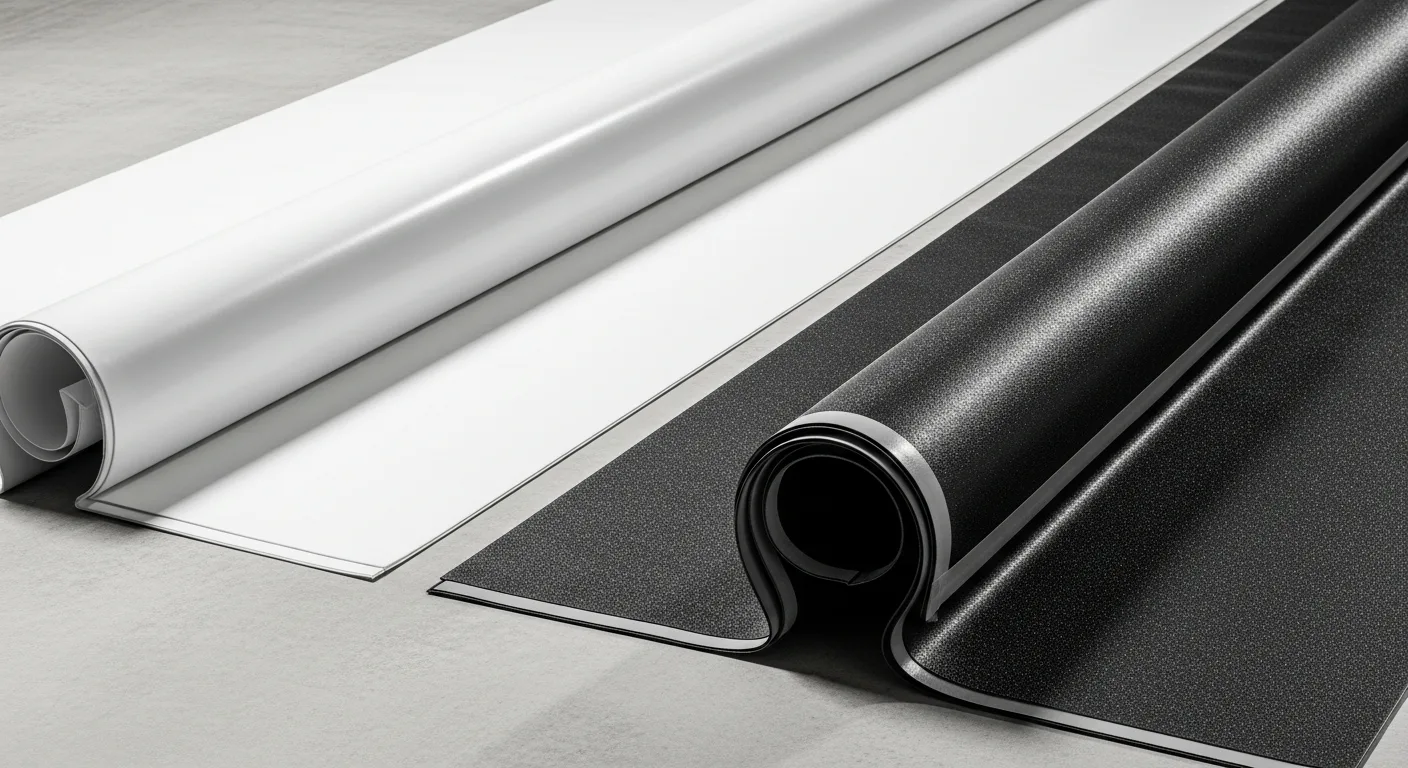
Thermoplastic flashing materials, such as TPO and PVC, have gained popularity due to their excellent weather resistance and ability to create heat-welded seams. These materials eliminate the reliance on sealants for primary waterproofing, reducing maintenance requirements and extending service life. However, proper installation techniques remain crucial for achieving optimal performance.
The U.S. Department of Energy recognizes that proper flashing installation contributes significantly to building energy efficiency by preventing air infiltration and moisture-related insulation degradation. When flashing systems fail, buildings lose energy efficiency, resulting in increased utility costs and reduced occupant comfort.
Installation Techniques That Ensure Longevity
Proper flashing installation requires adherence to manufacturer specifications and industry best practices. Critical installation factors include adequate fastening patterns, appropriate overlap dimensions, proper sealant application, and consideration of thermal movement. Experienced commercial roofing contractors understand these nuances and implement installation techniques that accommodate building movement while maintaining watertight integrity.
Base flashing must extend a minimum height above the roof surface, typically 8 inches, to prevent water from flowing over the flashing during heavy rain events. Counter flashing must overlap base flashing by at least 4 inches to ensure proper shedding of water away from vulnerable areas. These dimensional requirements, established through decades of field experience and testing, form the foundation of reliable flashing systems.
Maintenance Strategies for Maximum Flashing Performance
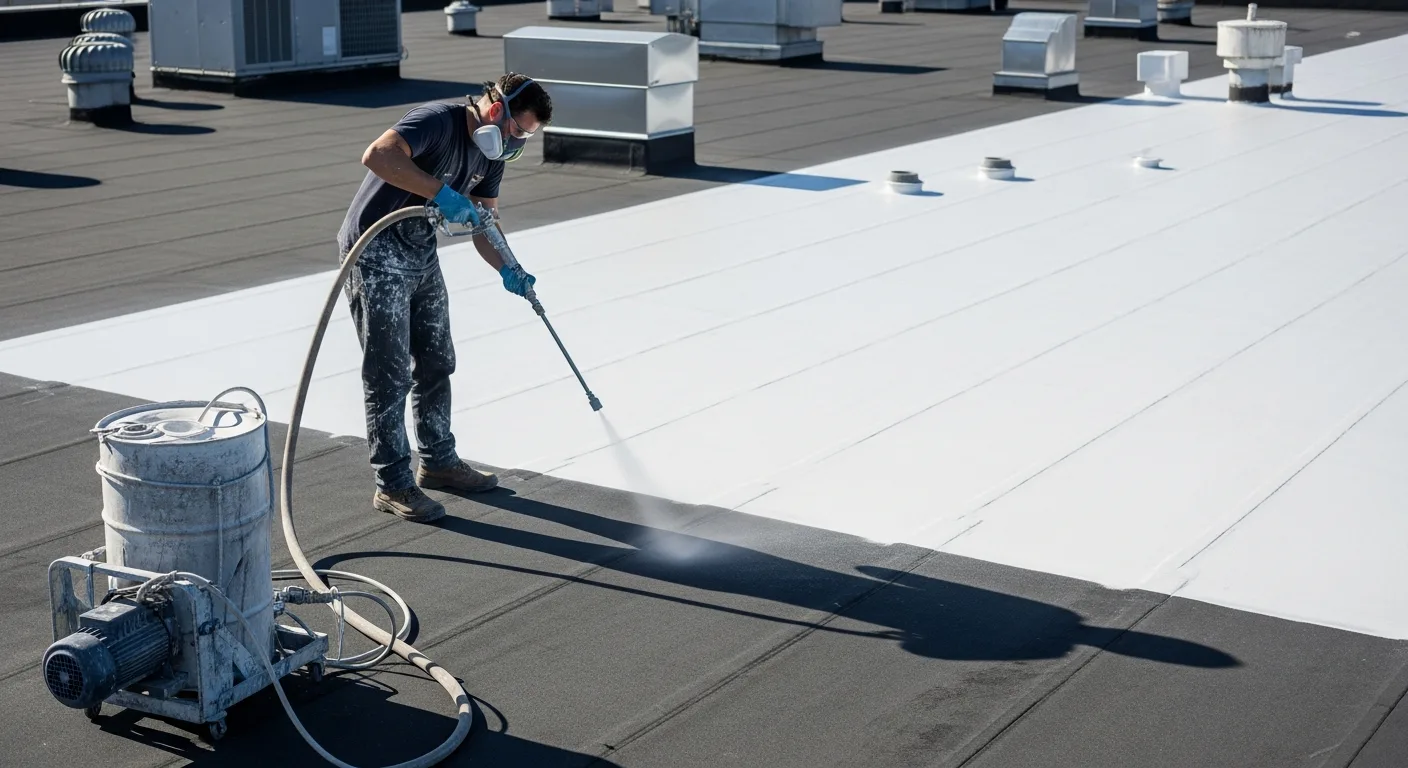
Proactive maintenance represents the most cost-effective strategy for maximizing commercial roof lifespan. Regular commercial roof maintenance programs should prioritize flashing inspection and preventive care. This includes cleaning debris from flashing areas, inspecting sealant conditions, checking metal flashing for corrosion, and ensuring proper drainage around flashing details.
Seasonal maintenance schedules allow facility managers to address minor flashing issues before they develop into major problems. Spring inspections should focus on winter damage assessment, while fall maintenance prepares flashing systems for harsh weather conditions. This proactive approach significantly extends flashing performance and prevents costly emergency repairs.
Documentation plays a crucial role in effective flashing maintenance. Detailed records of inspection findings, maintenance activities, and repair work create valuable historical data that helps predict future maintenance needs. This information proves invaluable when planning capital improvements or evaluating roof replacement timing.
Professional Assessment and Repair Protocols
When flashing issues are identified, prompt professional assessment becomes essential. Experienced roofing contractors can differentiate between cosmetic concerns and structural problems that require immediate attention. Early intervention through targeted commercial roof repair services prevents minor flashing issues from escalating into comprehensive roof system failures.
Modern diagnostic techniques, including thermal imaging and moisture detection equipment, allow contractors to identify problem areas that might not be visible through conventional inspection methods. These technologies enable precise repair strategies that address root causes rather than just visible symptoms.
Economic Impact of Flashing Performance
The economic implications of flashing performance extend far beyond initial installation costs. Buildings with properly installed and maintained flashing systems typically achieve their full design lifespan, often 20-30 years for commercial applications. Conversely, structures with compromised flashing may require major repairs or complete roof replacement within 10-15 years.
Water damage resulting from flashing failures can devastate building interiors, damaging equipment, inventory, and interior finishes. Business interruption costs often exceed direct repair expenses, making flashing reliability a critical business continuity factor. The Federal Emergency Management Agency (FEMA) emphasizes that proper building envelope maintenance, including flashing systems, reduces disaster-related losses and improves overall building resilience.
Insurance implications also favor buildings with well-maintained flashing systems. Many commercial property insurers offer premium reductions for facilities that demonstrate proactive maintenance programs and regular professional inspections. These incentives recognize the reduced claim frequency associated with properly maintained commercial roofing systems.
Long-term Value Considerations
Building owners who invest in quality flashing materials and professional installation often realize significant long-term value through reduced maintenance costs, extended roof lifespan, and improved building performance. This investment mindset contrasts sharply with the false economy of choosing inferior materials or installation practices that may reduce initial costs but create substantial future liabilities.
Market studies conducted by the Insurance Institute for Business & Home Safety (IBHS) demonstrate that commercial buildings with superior flashing systems maintain higher property values and attract quality tenants who recognize the benefits of reliable building envelope performance.
Future-Proofing Your Commercial Roof Investment
Modern flashing technology continues to evolve, offering improved materials and installation methods that enhance long-term performance. Self-adhered flashing membranes, advanced sealant formulations, and integrated flashing systems represent technological advances that can significantly extend commercial roof lifespan when properly implemented.
Climate change considerations increasingly influence flashing design decisions. Extreme weather events, including intense rainfall, hail, and temperature fluctuations, place additional stress on flashing systems. Forward-thinking building owners are investing in enhanced flashing specifications that exceed minimum code requirements to ensure adequate performance under changing climate conditions.
The integration of smart building technologies also creates new opportunities for flashing system monitoring. Moisture sensors, wireless monitoring systems, and predictive maintenance algorithms can identify developing flashing issues before they cause significant damage, further extending roof system lifespan and reducing unexpected repair costs.
Partnering with experienced commercial roofing contractors who understand the critical importance of flashing systems ensures your building receives the attention to detail necessary for maximum roof lifespan. Quality installation, regular maintenance, and prompt repair of flashing systems represent the most effective strategy for protecting your commercial roofing investment and ensuring decades of reliable performance.
The Texas Panhandle presents unique challenges for commercial roofing systems that make proper flashing installation even more critical. With average summer temperatures exceeding 90°F and frequent temperature swings of 40-50 degrees between day and night, flashing materials must withstand extreme thermal cycling. The National Severe Storms Laboratory reports that this region experiences some of the most severe hail activity in the nation, with storms capable of producing golf ball-sized hail that can compromise improperly installed flashing systems.
Industry standards from the Single Ply Roofing Industry (SPRI) emphasize that flashing details must be designed to accommodate thermal movement while maintaining waterproof integrity. For commercial membrane systems, this means utilizing compatible flashing materials that expand and contract at similar rates to prevent differential movement that can lead to tear-out and separation. TPO and PVC systems, such as those manufactured by Carlisle SynTec, require specific flashing protocols that include heat-welded seams and proper membrane overlap specifications of at least 6 inches at all penetration points.
Code compliance is another critical factor often overlooked in flashing installations. The International Code Council requires that all roof flashing be installed according to manufacturer specifications and ASTM standards, with particular attention to wind uplift ratings in high-wind zones like the Texas Panhandle. Wind speeds in this region regularly exceed 70 mph during severe weather events, making proper mechanical attachment and edge detail critical for system performance.
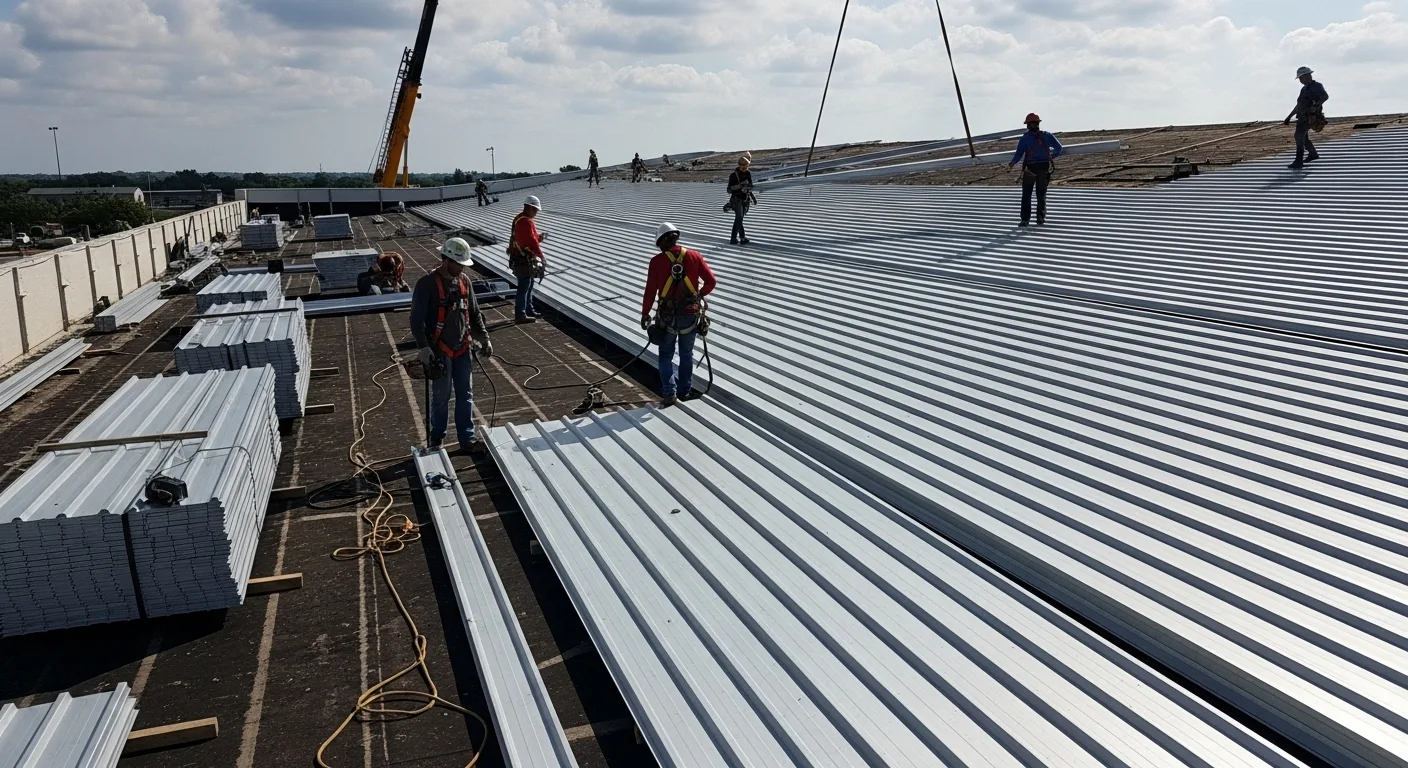
Safety considerations during flashing installation cannot be understated. OSHA regulations mandate proper fall protection systems when working on commercial roofs, and the complex nature of flashing installation around penetrations and edges requires experienced technicians who understand both safety protocols and proper installation techniques. Regular inspections following severe weather events are essential, as even minor flashing damage can quickly escalate into major structural issues if left unaddressed.
Energy efficiency also plays a role in modern flashing design. Department of Energy guidelines emphasize the importance of thermal bridging prevention at roof transitions, which requires careful attention to insulation continuity around flashing details. Improperly designed flashing can create thermal weak points that increase energy costs and contribute to condensation problems within the building envelope.