As energy costs continue to rise and extreme heat becomes more frequent across the Texas Panhandle, property owners are seeking innovative solutions to reduce cooling expenses while maintaining comfortable indoor environments. Cool roofing technology offers a proven approach to combat excessive heat gain through the building envelope, using advanced reflective materials that can dramatically impact both energy consumption and long-term roof system performance.
What Cool Roofs Are and Why Thermal Reflectivity Matters
A cool roof is designed to reflect more sunlight and absorb less heat than standard roofing materials. The technology relies on two key thermal properties: solar reflectance and thermal emittance. Solar reflectance measures how well a surface reflects solar energy away from the building, while thermal emittance indicates how effectively the material releases absorbed heat back to the atmosphere.
Traditional dark-colored roofing materials can reach surface temperatures of 150°F or higher during peak summer conditions. In contrast, cool roof systems typically maintain surface temperatures 50-60°F cooler, significantly reducing the heat transfer into the building structure. This temperature differential translates directly into reduced cooling loads and lower energy consumption.
The Department of Energy recognizes cool roofs as one of the most cost-effective energy efficiency improvements for commercial and residential buildings, particularly in hot climates like the Texas Panhandle where intense solar radiation and high ambient temperatures create substantial cooling demands.
Key Factors That Determine Cool Roof Performance
Several material characteristics and installation factors influence cool roof effectiveness:
Surface Color and Coating Technology
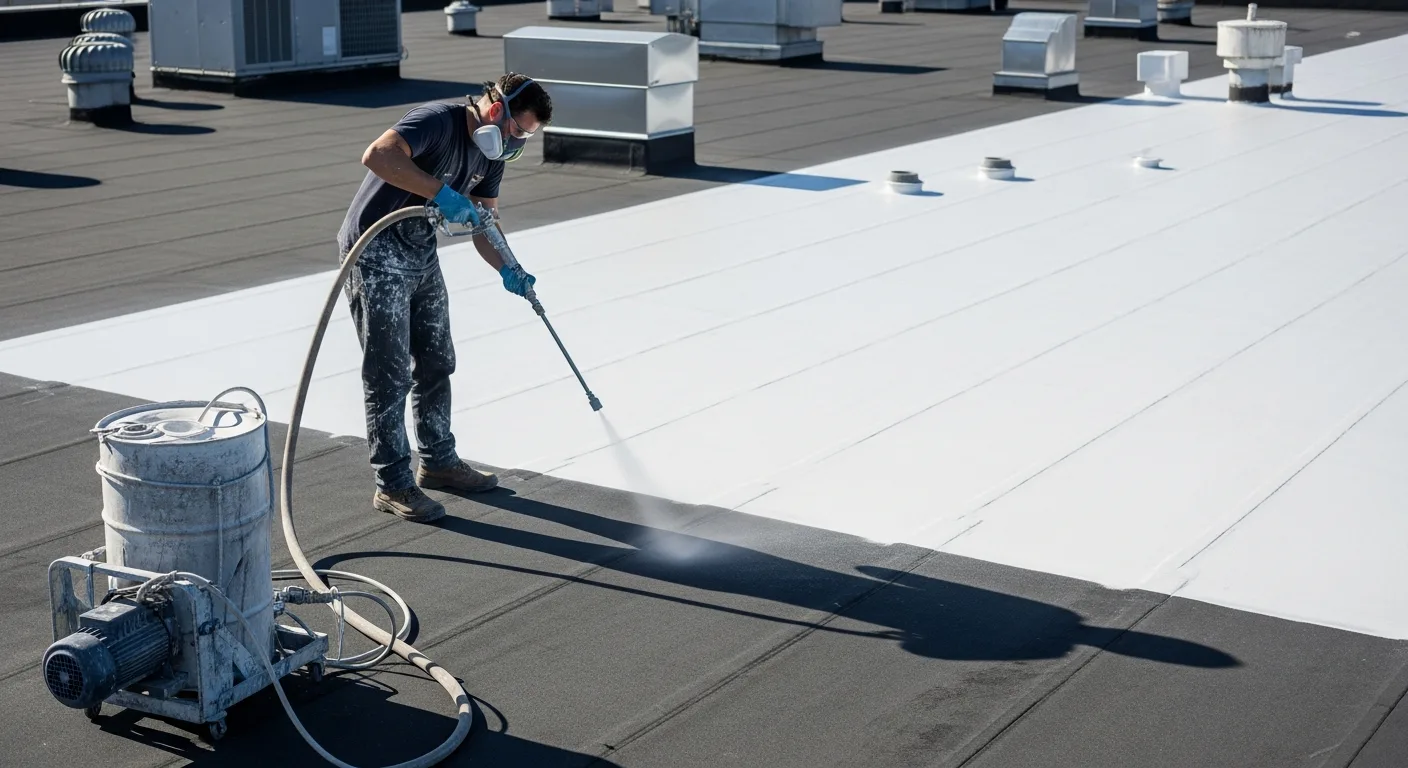
Light-colored surfaces naturally reflect more solar radiation than dark materials. However, advanced cool roof coatings can achieve high reflectivity even in darker colors through specialized pigment technology. Modern reflective coatings incorporate ceramic microspheres and infrared-reflective pigments that maintain aesthetic flexibility while optimizing thermal performance.
Material Composition and Membrane Systems
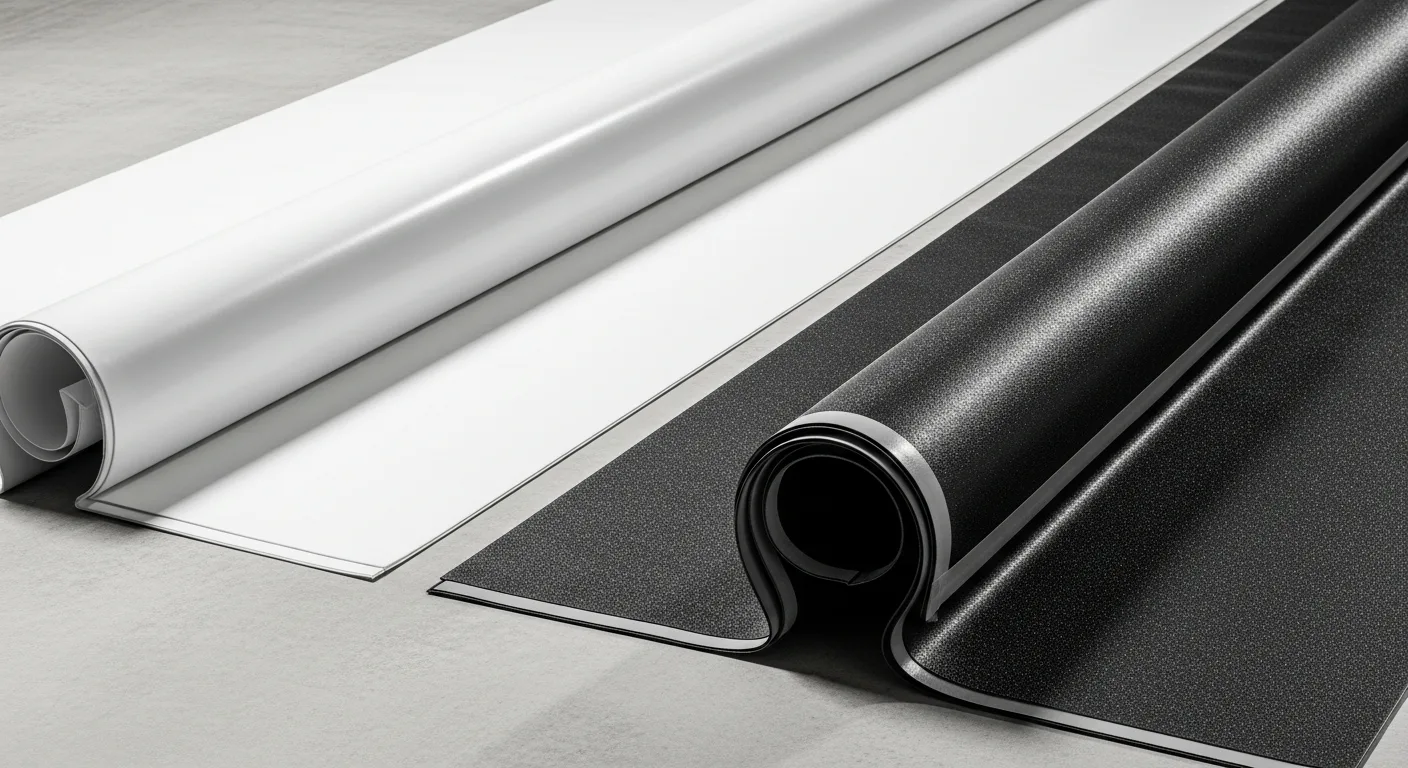
Commercial membrane systems like TPO, PVC, and modified bitumen can be manufactured with cool roof properties. Single-ply membranes often feature factory-applied reflective surfaces, while built-up roofing systems can incorporate reflective cap sheets or coatings. For residential applications, impact-resistant shingles with reflective granules provide both weather protection and energy efficiency benefits.
Aging and Maintenance Considerations
Cool roof performance can degrade over time due to dirt accumulation, weathering, and biological growth. Regular maintenance and periodic recoating help maintain optimal reflectivity levels. The National Roofing Contractors Association emphasizes that proper installation and maintenance protocols are essential for long-term cool roof performance.
Energy Savings and Cost-Benefit Analysis
Cool roofs deliver measurable energy savings through multiple mechanisms:
Direct Cooling Cost Reduction
By reducing heat gain through the roof assembly, cool roofs decrease the workload on HVAC systems. Studies indicate potential cooling cost reductions of 10-50%, with the greatest savings occurring in single-story buildings with large roof areas relative to conditioned space. Peak demand reductions can also lower utility demand charges for commercial properties.
Enhanced HVAC System Efficiency
Lower indoor temperatures and reduced thermal stress on ductwork located in attic spaces improve overall system efficiency. Equipment operating in cooler environments typically experiences less wear and may achieve extended service life, reducing maintenance and replacement costs.
Improved Indoor Comfort
Cool roofs help maintain more consistent indoor temperatures and reduce hot spots, particularly in buildings with limited insulation or older HVAC systems. This enhanced comfort can be especially valuable during peak summer months when utility costs are highest.
Cool Roof Performance in High-Wind and Storm-Prone Areas
The Texas Panhandle's severe weather patterns require cool roof systems that combine energy efficiency with exceptional durability. High winds, hailstorms, and extreme temperature fluctuations demand robust material specifications that maintain reflective properties under harsh conditions.
Impact-resistant cool roof materials provide dual benefits: enhanced wind uplift resistance and maintained thermal performance after hail events. Modern cool roof membranes and coatings are formulated to resist UV degradation, thermal cycling stress, and wind-driven debris impact while preserving their reflective characteristics.
Proper drainage dynamics become even more critical with cool roof systems, as thermal expansion and contraction cycles can affect membrane seams and fastener patterns. Professional installation ensures that cool roof benefits are realized without compromising weather resistance or warranty requirements.
The Insurance Institute for Business & Home Safety has documented the importance of selecting cool roof systems with proven performance in severe weather environments, emphasizing that energy efficiency improvements must not compromise structural integrity or moisture intrusion resistance.
Material Options and Selection Criteria
Cool roof technology is available across multiple roofing system types:
Commercial Applications
TPO and PVC single-ply membranes offer excellent reflectivity with proven durability. Modified bitumen systems can incorporate reflective cap sheets or liquid-applied coatings. Built-up roofing systems benefit from reflective aggregate or coating applications that can be renewed periodically to maintain performance.
Residential Solutions
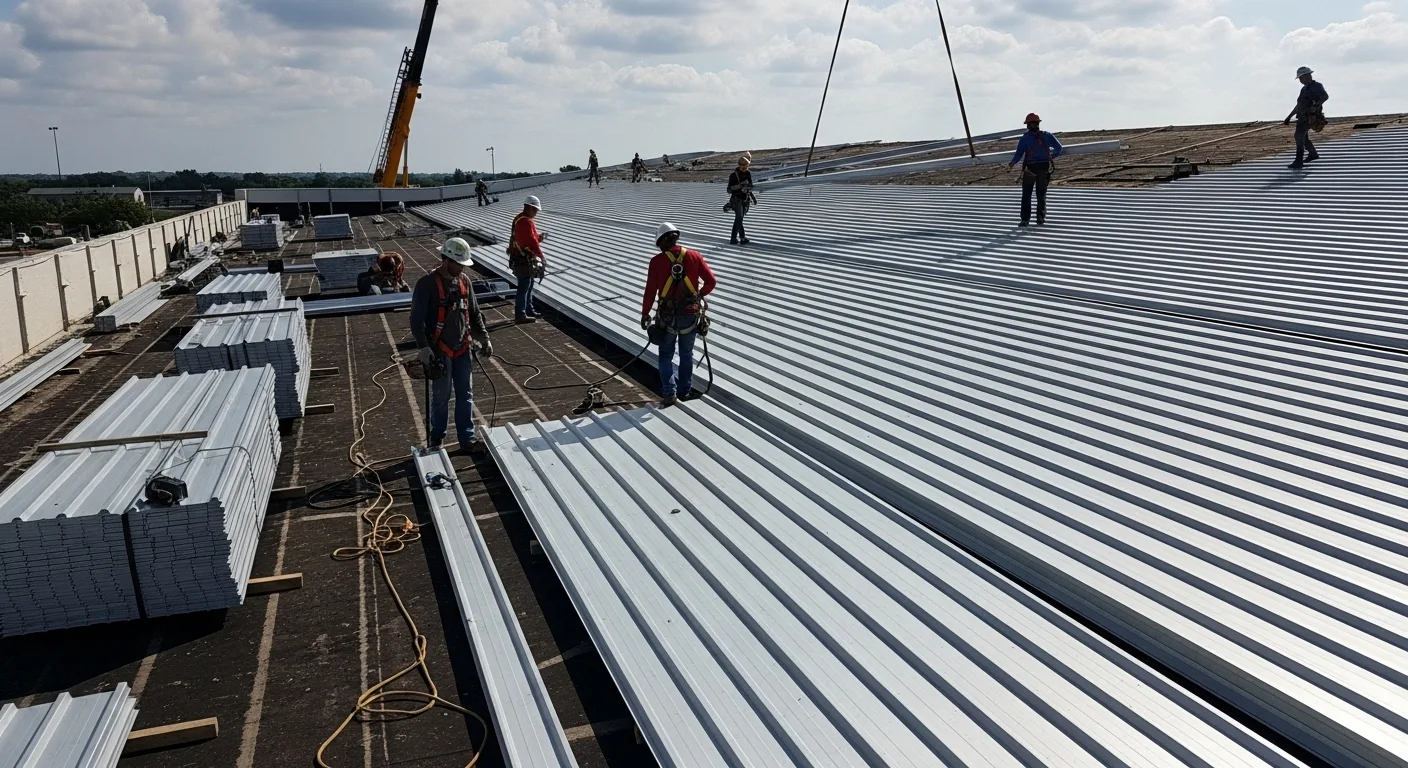
Cool roof shingles use specialized granules that reflect infrared radiation while maintaining traditional aesthetic appeal. Metal roofing with cool roof coatings provides exceptional longevity and thermal performance. Clay and concrete tiles naturally offer good thermal properties that can be enhanced with reflective treatments.
Selection criteria should include initial reflectivity ratings, aged reflectivity performance, warranty terms, and compatibility with existing roof assemblies. Local climate data and building characteristics help determine optimal cool roof specifications for maximum energy savings and return on investment.
When to Call a Professional Roofer for Cool Roof Assessment
Cool roof implementation requires careful evaluation of existing roof conditions, building characteristics, and local climate factors. Professional assessment ensures optimal material selection and proper installation techniques that maximize energy savings while maintaining weather resistance.
Experienced roofing contractors can analyze your current roof system's condition, evaluate cool roof compatibility, and provide accurate projections of potential energy savings. They also understand local building codes and utility incentive programs that may offset installation costs.
If you're considering cool roof technology for your property, learn more on our commercial roofing services section or explore our roof inspection services to evaluate your current system's suitability for cool roof upgrades. Professional guidance ensures you achieve maximum energy efficiency benefits while protecting your property investment against the Texas Panhandle's challenging weather conditions.
In the Texas Panhandle, where summer temperatures routinely exceed 100°F and intense solar radiation creates challenging conditions, cool roof performance becomes even more critical. The region's extreme climate demands roofing systems that can withstand not only scorching heat but also severe weather events including hail and high winds. Cool Roof Rating Council standards specify that qualifying materials must achieve a minimum solar reflectance of 0.25 for steep-slope roofs and 0.65 for low-slope commercial applications, with thermal emittance values of at least 0.75.
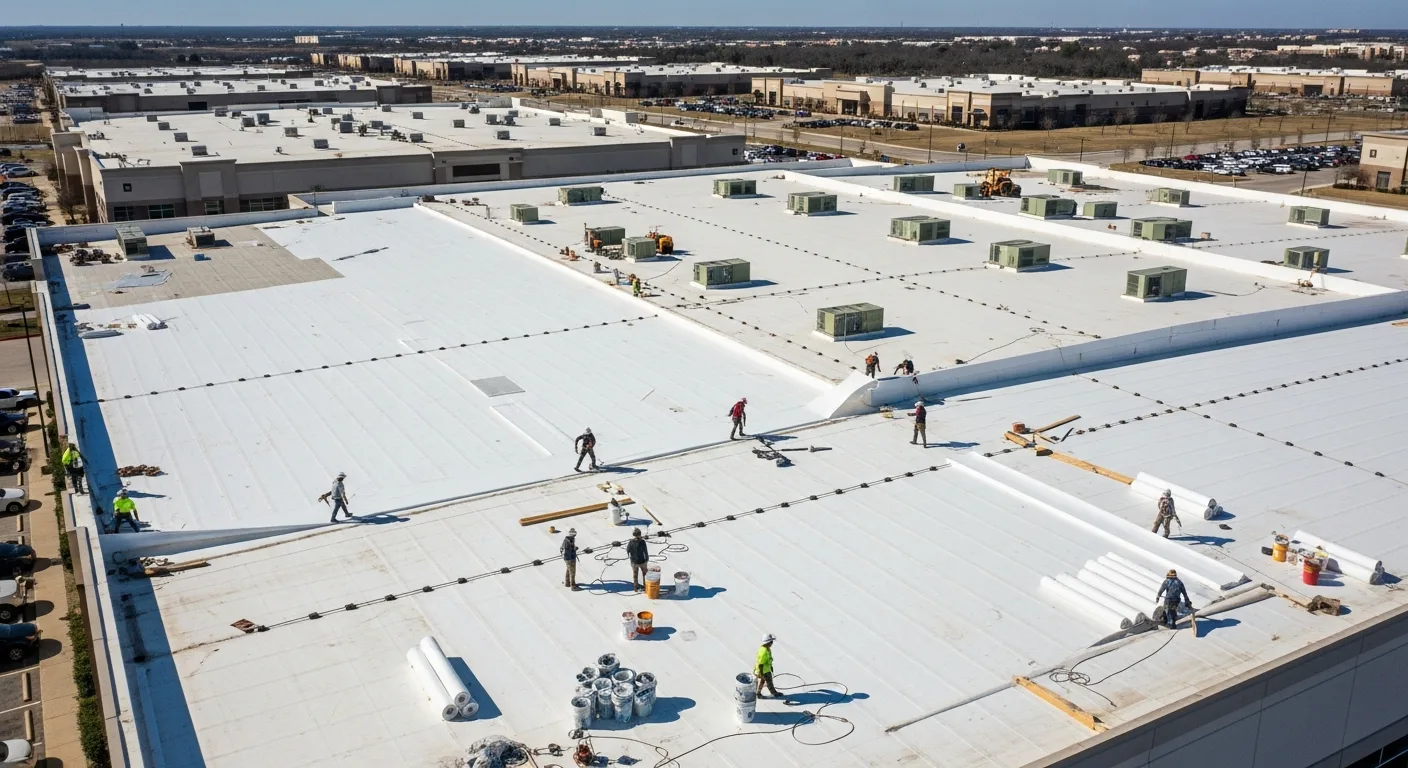
Commercial cool roofing systems in Amarillo often utilize single-ply membrane technologies such as TPO (Thermoplastic Polyolefin) or PVC (Polyvinyl Chloride) that combine superior reflectivity with proven durability. Advanced TPO membrane systems can achieve solar reflectance values exceeding 0.80 when new, maintaining excellent performance even after years of exposure to the harsh Texas sun and periodic hail events.
For residential applications, modern cool roof shingles incorporate ceramic-coated granules and reflective pigments that significantly improve thermal performance without sacrificing aesthetic appeal. Specially designed cool roof shingles can reduce surface temperatures by up to 100°F compared to traditional dark materials, while still providing the impact resistance necessary for Texas Panhandle hail conditions.
Energy efficiency standards set by ENERGY STAR programs recognize cool roofing as a key component in reducing building energy consumption, with qualifying products demonstrating measurable reductions in peak cooling demand. Research conducted by Lawrence Berkeley National Laboratory indicates that cool roofs can reduce annual cooling energy use by 15-30% in hot climates like Texas, while also contributing to reduced urban heat island effects in metropolitan areas.
When specifying cool roofing systems, compliance with local building codes and wind uplift requirements remains paramount. National Roofing Contractors Association guidelines emphasize that cool roof installations must meet the same structural and weatherproofing standards as traditional systems, ensuring that energy efficiency improvements don't compromise the roof's primary function of protecting the building envelope from Texas weather extremes.