Commercial roof installations represent a significant investment for any business, often costing tens of thousands of dollars and requiring careful planning to ensure long-term performance. Unfortunately, even minor mistakes during installation can lead to costly repairs, premature replacement, and potential business disruption. Understanding the most common pitfalls in commercial roofing projects and how to avoid them can save property owners substantial time, money, and headaches down the road.
1. Inadequate Roof Deck Preparation
One of the most critical yet overlooked aspects of commercial roof installation is proper deck preparation. Many contractors rush through this foundational step, leading to problems that may not surface until years later. The roof deck must be completely clean, dry, and structurally sound before any roofing materials are installed.
Common deck preparation mistakes include failing to remove old adhesives, not addressing structural deficiencies, and installing new materials over damp or contaminated surfaces. According to the National Roofing Contractors Association (NRCA), proper substrate preparation is essential for membrane adhesion and long-term performance.
To avoid these issues, ensure your contractor conducts a thorough deck inspection, addresses any structural concerns, and allows adequate time for the deck to dry completely before proceeding with installation.
2. Poor Drainage Design and Installation
Water management is perhaps the most crucial function of any commercial roof system. Inadequate drainage design or improper installation of drainage components can lead to ponding water, which accelerates membrane deterioration and can cause structural damage over time.
Common drainage mistakes include insufficient slope toward drains, improperly sized drainage systems, and failure to install adequate overflow drains. The International Building Code requires a minimum slope of 1/4 inch per foot toward drains, yet many installations fall short of this requirement.
Proper Drainage Solutions
Effective drainage design should account for the roof's size, local rainfall patterns, and building layout. Primary drains should be supplemented with overflow drains or scuppers to handle excess water during heavy precipitation events. Regular maintenance of drainage systems is equally important to prevent blockages that can lead to water backup.
3. Membrane Installation Errors
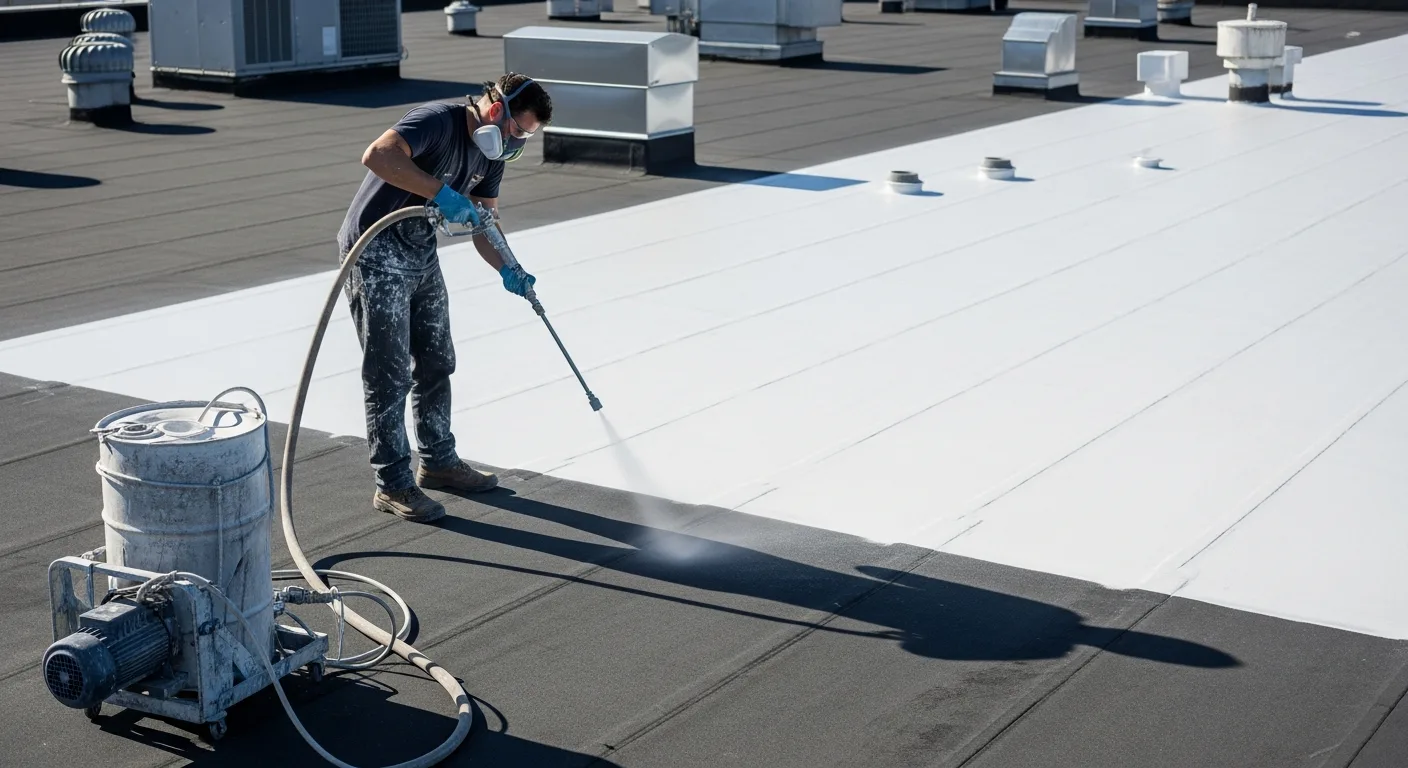
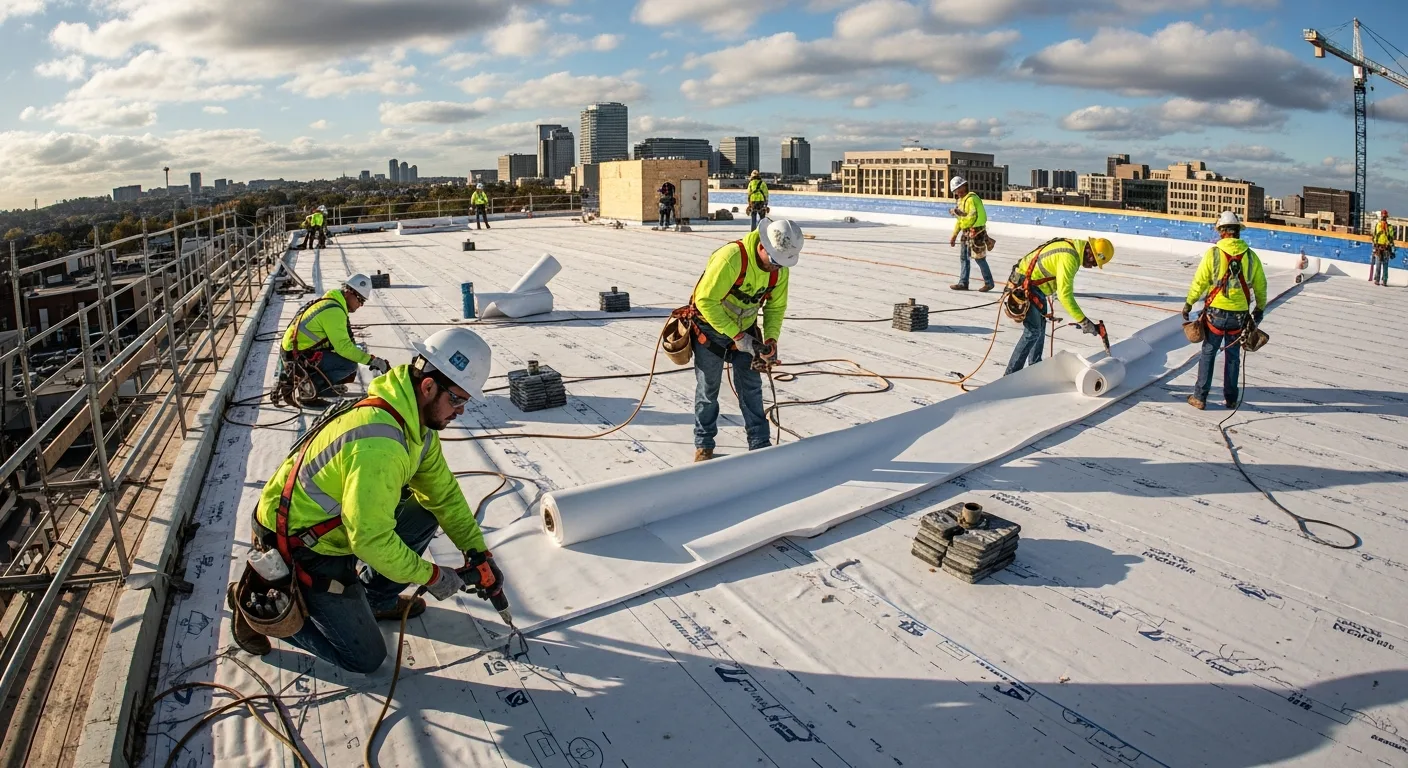
The roof membrane serves as the primary waterproof barrier, making proper installation techniques absolutely critical. Common membrane installation mistakes include inadequate overlap at seams, improper adhesive application, and failure to account for thermal movement.
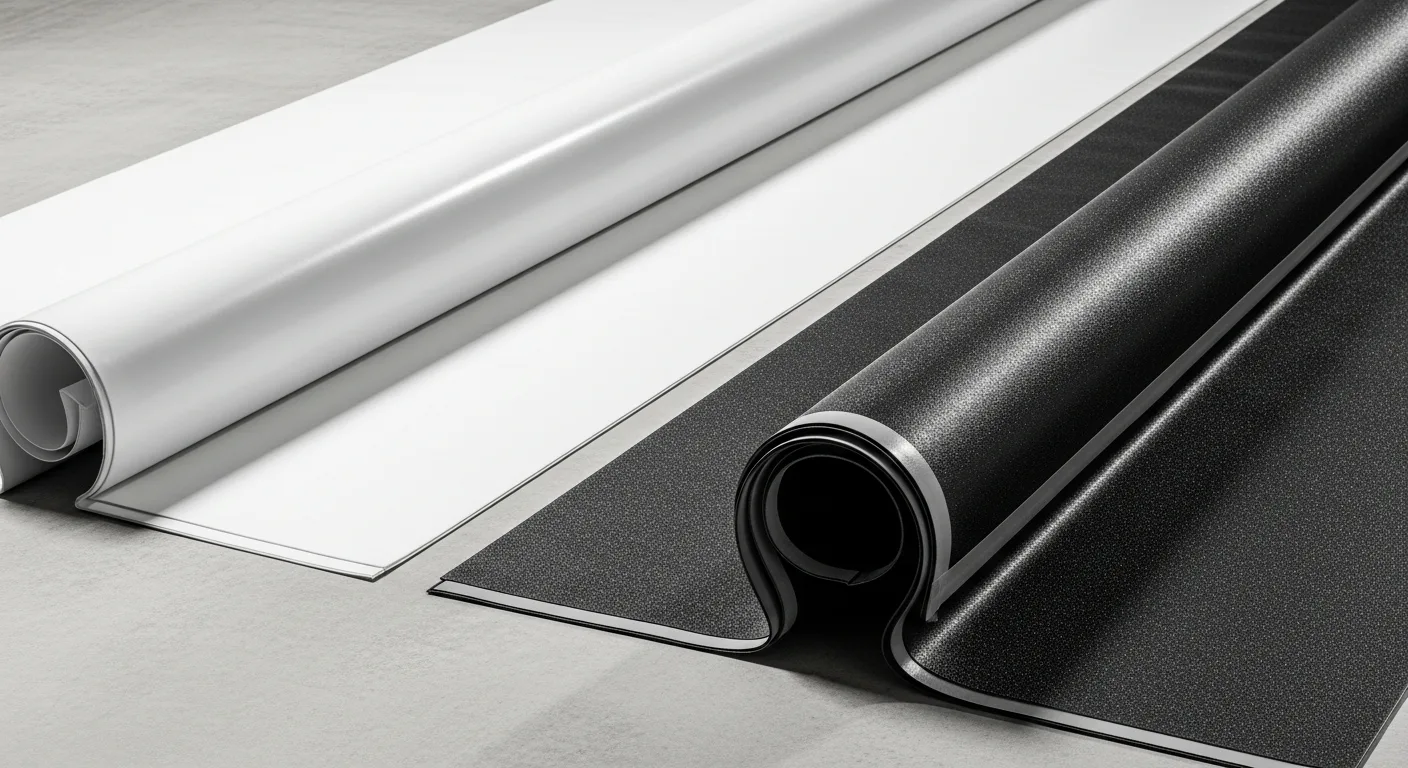
For single-ply membranes like EPDM, TPO, or PVC, seam integrity is paramount. Heat-welded seams must achieve proper temperature and pressure to create watertight bonds, while adhered systems require uniform coverage and proper open time for adhesives. GAF's technical guidelines emphasize the importance of following manufacturer specifications for temperature and weather conditions during installation.
Quality installation requires experienced technicians who understand the specific requirements of each membrane type and can adapt to changing weather conditions during the installation process.
4. Inadequate Insulation Installation
Proper insulation installation affects both energy efficiency and roof system performance. Common insulation mistakes include gaps between boards, compression of insulation materials, and failure to achieve specified R-values. These errors can lead to thermal bridging, condensation problems, and increased energy costs.
The Department of Energy reports that proper roof insulation can reduce energy costs by up to 40% in commercial buildings. Insulation boards should be installed with tight joints, properly secured with appropriate fasteners, and covered with a cover board when specified.
Vapor Barrier Considerations
In many climates, vapor barriers are essential to prevent moisture infiltration into the insulation layer. Improper vapor barrier installation or selection can lead to condensation problems that compromise insulation performance and promote mold growth within the roof assembly.
5. Flashing and Detail Work Failures
Roof penetrations, edges, and transitions represent the most vulnerable areas of any roof system. Unfortunately, these critical details are often where contractors cut corners or lack the specialized knowledge required for proper installation.
Common flashing mistakes include inadequate height above the roof surface, poor integration with the membrane system, and failure to account for building movement. Pipe penetrations, HVAC units, and roof drains require careful attention to detail and often custom-fabricated components.
Professional installation by experienced contractors who understand the complexities of commercial roofing details is essential. Our professional installation team at CRS Roofing & Construction has the expertise to handle even the most challenging detail work.
6. Ignoring Weather Conditions During Installation
Weather plays a crucial role in roof installation success, yet many contractors proceed with work during inappropriate conditions. Installing materials in extreme temperatures, high humidity, or during precipitation can compromise adhesive bonds, seam integrity, and overall system performance.
Most roofing manufacturers specify acceptable temperature and humidity ranges for their products. For example, adhesive-applied systems typically require temperatures above 40°F and humidity below 85%. Wind conditions can also affect membrane installation, particularly with large sheet goods that can become uncontrollable in high winds.
Weather Monitoring and Planning
Successful projects require careful weather monitoring and flexible scheduling. Contractors should have contingency plans for weather delays and never compromise installation quality to meet arbitrary deadlines. The additional time invested in proper weather management pays dividends in long-term performance.
7. Fastener-Related Problems
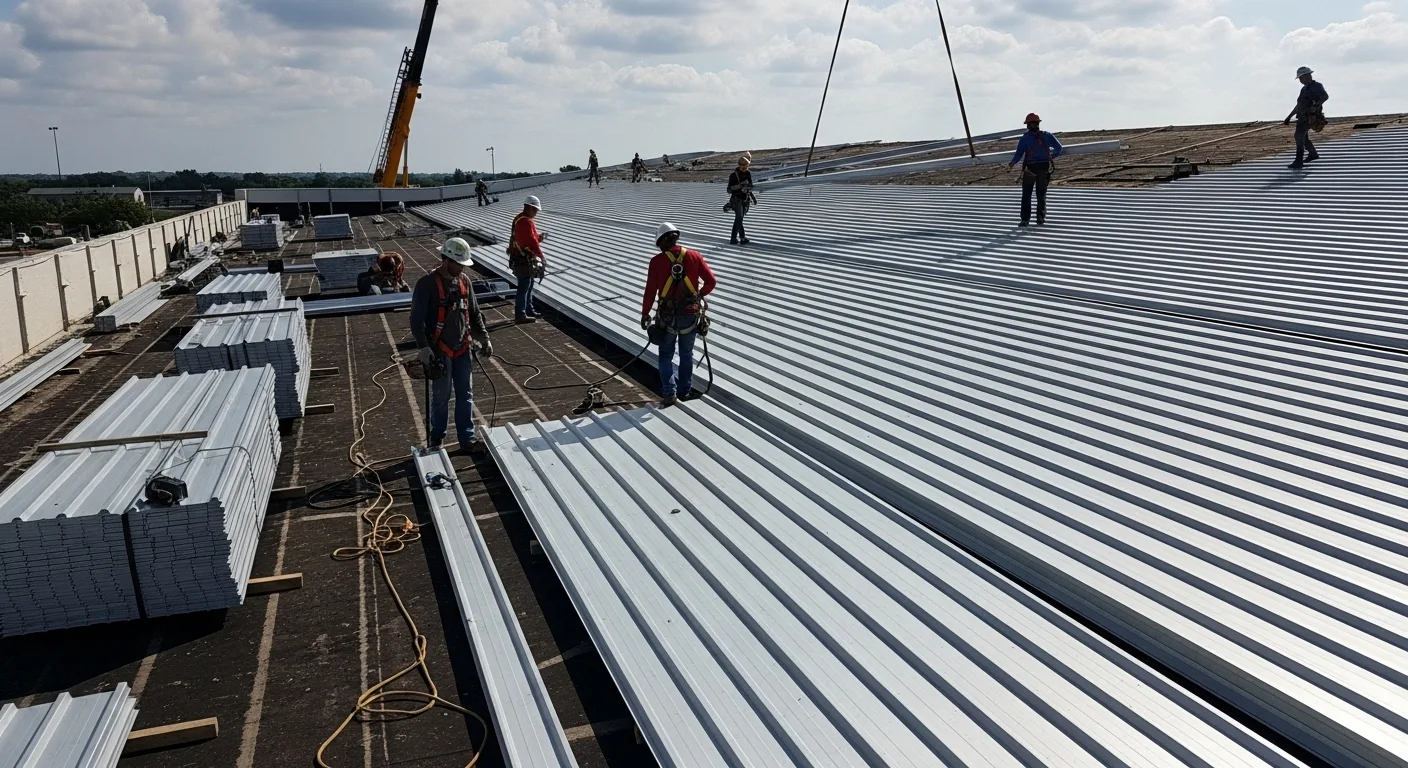
Mechanical fastening systems are common in commercial roofing, but improper fastener selection, spacing, or installation can create significant problems. Over-driven fasteners can compromise membrane integrity, while under-driven fasteners may not provide adequate pull-out resistance.
Fastener patterns must be engineered based on wind uplift calculations and building geometry. The Insurance Institute for Business & Home Safety (IBHS) has documented numerous cases where improper fastening contributed to catastrophic roof failures during severe weather events.
Fastener materials must also be compatible with the roofing system and resistant to corrosion in the local environment. Galvanic corrosion between dissimilar metals can cause premature fastener failure and compromise system integrity.
8. Inadequate Quality Control and Inspection
Many roof failures result from inadequate quality control during the installation process. Without proper oversight, minor installation errors can compound into major problems that may not be discovered until the roof begins to fail.
Effective quality control includes daily inspections of work progress, documentation of installation procedures, and prompt correction of any deficiencies. Third-party inspections by qualified roof consultants can provide additional assurance that work meets industry standards.
Documentation and Testing
Proper documentation is essential for warranty compliance and future maintenance planning. Installation records should include weather conditions, material lot numbers, and any field modifications. Many systems also require field testing of seams and penetrations to verify watertight integrity.
9. Selecting Unqualified Contractors
Perhaps the most significant mistake property owners make is selecting contractors based solely on price rather than qualifications and experience. Commercial roofing requires specialized knowledge, proper equipment, and experienced personnel that not all contractors possess.
Qualified contractors should carry appropriate insurance, maintain manufacturer certifications, and have verifiable experience with similar projects. References from recent commercial projects and financial stability are equally important considerations. When considering roof replacement, partnering with experienced professionals is crucial for project success.
The selection process should include evaluation of the contractor's safety record, quality control procedures, and warranty offerings. Quality contractors will provide detailed proposals, maintain open communication throughout the project, and stand behind their work with comprehensive warranties.
10. Neglecting Long-Term Maintenance Planning
The final common mistake is failing to establish a comprehensive maintenance program after installation. Even the highest-quality roof systems require regular maintenance to achieve their expected service life and maintain warranty coverage.
Maintenance planning should begin during the design phase and include provisions for regular inspections, drain cleaning, membrane repairs, and component replacement. Owens Corning recommends semi-annual inspections and immediate attention to any identified issues to prevent minor problems from becoming major failures.
Preventive Maintenance Benefits
Proactive maintenance programs typically cost 10-20% of replacement cost annually but can extend roof life by decades. These programs also help maintain warranty coverage and can identify potential problems before they cause interior damage or business disruption.
By understanding and avoiding these common installation mistakes, property owners can ensure their commercial roof investment provides reliable protection and optimal performance for years to come. Working with experienced contractors, following manufacturer guidelines, and implementing proper maintenance programs are key strategies for commercial roofing success.
The Texas Panhandle's extreme climate conditions make proper deck preparation even more critical than in moderate climates. With temperature swings that can exceed 100°F between winter lows and summer highs, thermal expansion and contraction place tremendous stress on improperly prepared substrates. The region's frequent severe weather events, including hail storms and high winds, demand that commercial roofs be installed to the highest standards from the foundation up.
Moisture management becomes particularly challenging in the Amarillo area due to sudden temperature changes that can cause condensation issues. According to building science research, vapor drive reversals are common in mixed climates like ours, making proper vapor barrier placement and deck preparation essential for preventing moisture-related failures.
When selecting commercial roofing systems for the Texas Panhandle, wind uplift ratings become paramount. The NRCA standards recommend systems capable of withstanding wind speeds common to our region, which frequently exceed 70 mph during severe weather events. For single-ply membrane systems, manufacturers like Carlisle SynTec offer TPO and EPDM products specifically engineered for high-wind applications.
Compliance with local building codes requires attention to both International Building Code (IBC) standards and Texas-specific amendments. The extreme heat in our region, with summer temperatures regularly exceeding 100°F, places additional thermal stress on roofing systems. Cool roof technologies that meet Cool Roof Rating Council standards can significantly reduce building energy costs while extending system life by reducing thermal cycling stress on roof membranes and substrates.