R-value is one of the most critical factors in determining the energy efficiency of commercial roofing systems, yet it's often misunderstood by property owners and facility managers. This thermal resistance measurement directly impacts your building's energy consumption, occupant comfort, and operational costs. Understanding how R-value works in commercial roofing applications can help you make informed decisions that deliver long-term energy savings and improved building performance.
What is R-Value and How Does It Apply to Commercial Roofing?
R-value measures a material's resistance to heat flow, with higher numbers indicating better insulating properties. In commercial roofing, R-value determines how effectively your roof system prevents heat transfer between the building interior and exterior environment. The Department of Energy emphasizes that proper insulation with adequate R-values can significantly reduce heating and cooling costs in commercial buildings.
Unlike residential applications where R-value requirements are relatively straightforward, commercial roofing systems involve multiple layers and components that collectively contribute to thermal performance. The total system R-value includes contributions from the roof deck, insulation layers, membrane, and any additional components like cover boards or ballast.
Climate zone plays a crucial role in determining appropriate R-value requirements. In Amarillo's mixed climate, commercial buildings must address both summer cooling loads and winter heating demands. The International Energy Conservation Code (IECC) provides minimum R-value requirements based on climate zones, but many building owners find that exceeding these minimums delivers better energy performance and return on investment.
Components That Affect R-Value in Commercial Roofing Systems
Insulation Materials and Their R-Values
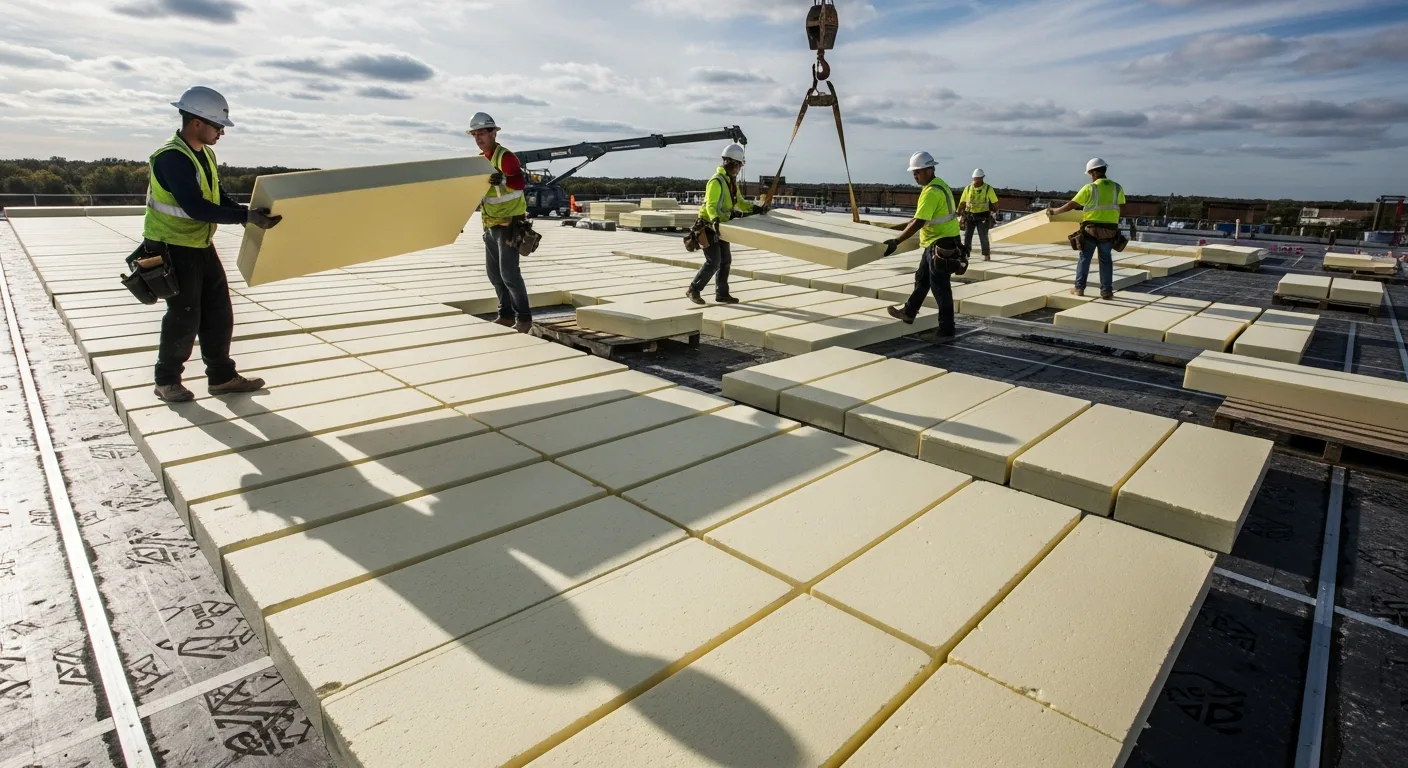
Different insulation materials offer varying R-values per inch of thickness. Polyisocyanurate (polyiso) insulation typically provides R-6 to R-6.5 per inch and is widely used in commercial applications due to its high thermal efficiency and compatibility with various membrane systems. Expanded polystyrene (EPS) offers approximately R-4 per inch and provides consistent performance across temperature ranges.
Extruded polystyrene (XPS) delivers about R-5 per inch and offers excellent moisture resistance, making it suitable for applications where moisture intrusion is a concern. Owens Corning provides detailed information about how different insulation materials perform under various conditions and installation methods.
The thickness and configuration of insulation layers significantly impact overall system R-value. Single-layer installations are simpler but may create thermal bridging at joints. Multi-layer systems with staggered joints eliminate thermal bridging and can achieve higher effective R-values, though they require more careful installation and quality control.
Roof Membrane Impact on Thermal Performance
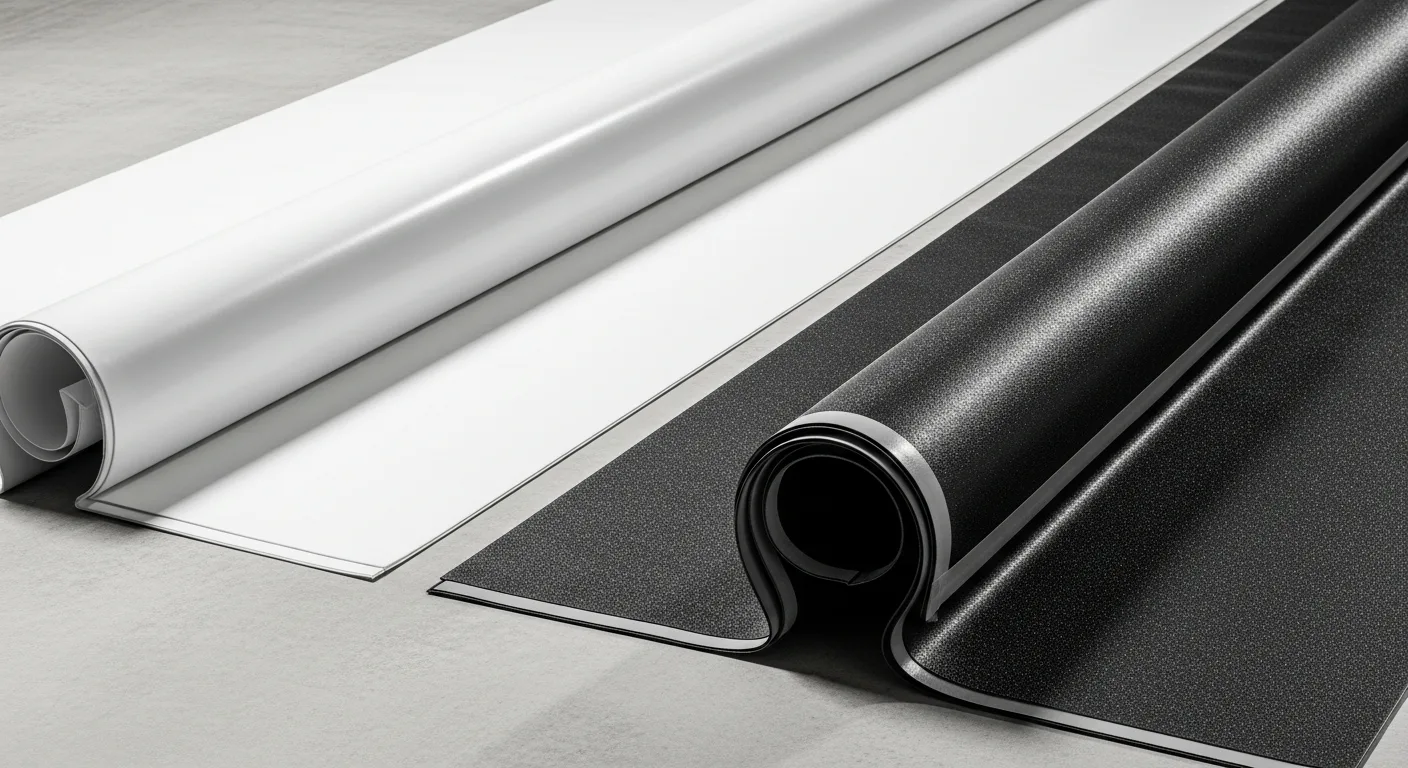
While roof membranes contribute minimally to overall R-value, they play important roles in maintaining insulation performance and system longevity. TPO roofing systems with reflective surfaces can reduce cooling loads by reflecting solar radiation, effectively improving the building's overall energy efficiency beyond just the insulation R-value.
EPDM membranes, typically black, absorb more solar heat but can be enhanced with reflective coatings to improve performance. Modified bitumen systems can incorporate reflective granules or coatings to reduce heat absorption and support the insulation system's effectiveness.
Energy Efficiency Beyond R-Value: Comprehensive System Performance
Air Barrier Systems and Thermal Bridging
Effective energy efficient roofing requires more than just high R-value insulation. Air barrier systems prevent unwanted air movement that can bypass insulation and reduce effective thermal performance. Thermal bridging through structural elements, fasteners, and penetrations can significantly reduce the effective R-value of the entire system.
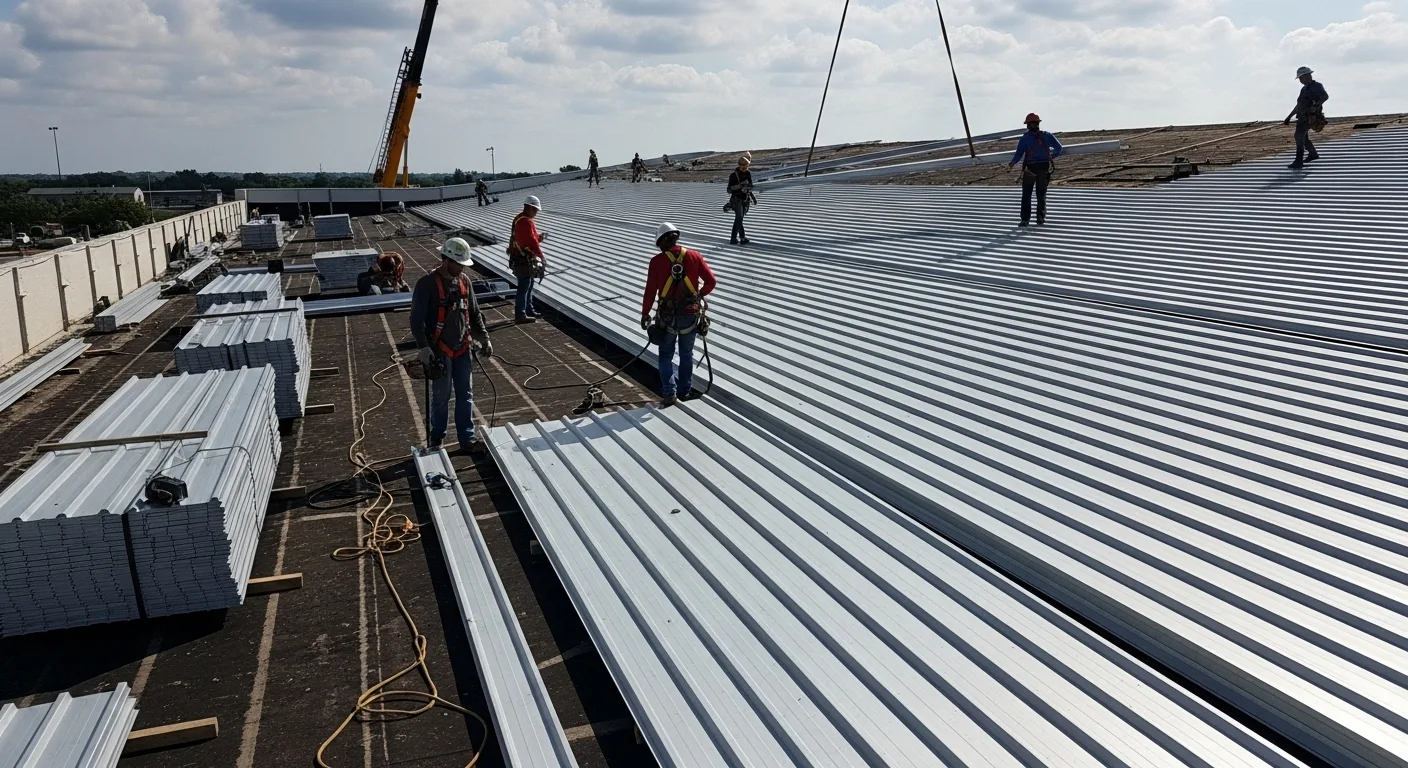
Continuous insulation strategies help minimize thermal bridging by providing an unbroken layer of insulation across structural elements. This approach is particularly important in metal building systems where structural members can create significant thermal bridges if not properly addressed.
The National Roofing Contractors Association provides guidelines for designing and installing continuous insulation systems that maximize thermal performance while maintaining structural integrity and weather resistance.
Reflectivity and Cool Roofing Technology
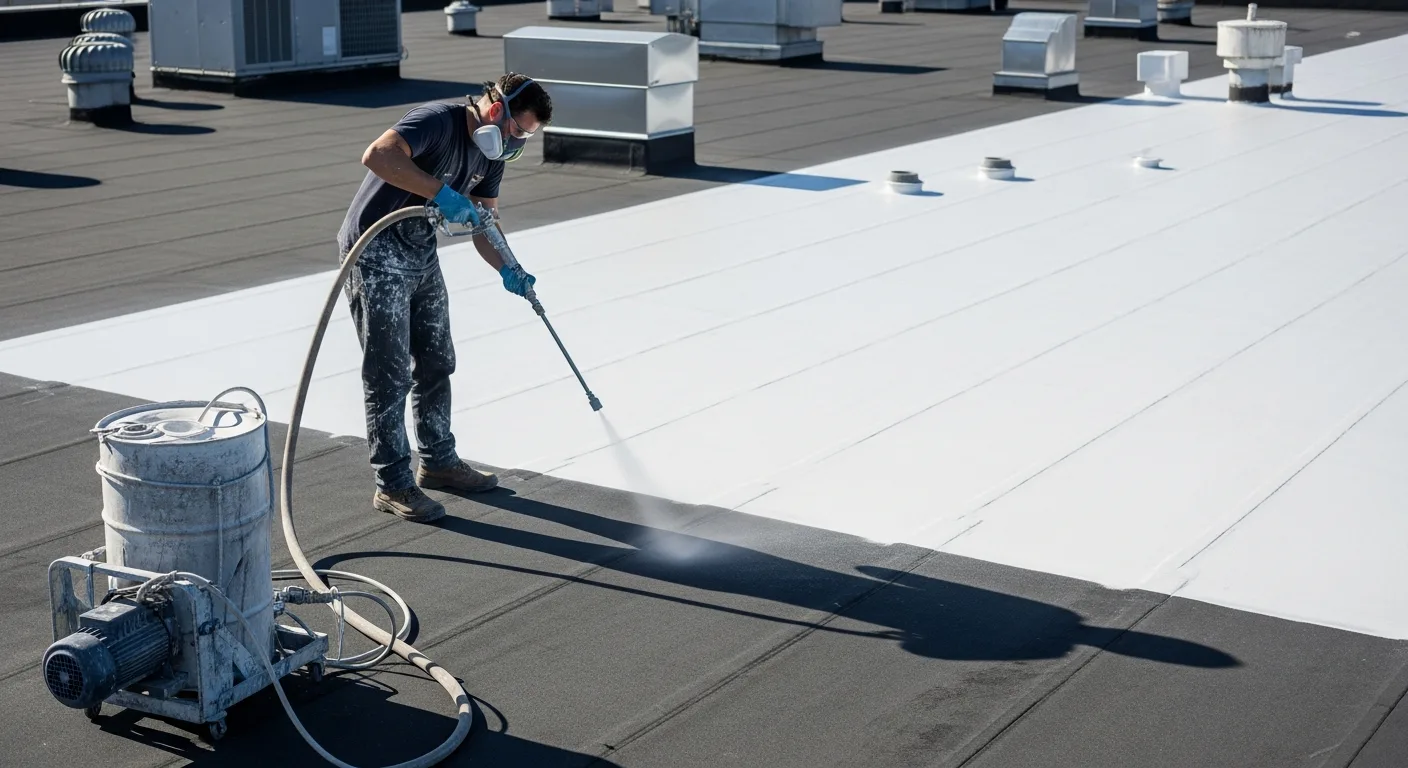
Cool roofing technology complements high R-value insulation by reducing the temperature differential across the roof system. Reflective membranes and roof coatings can significantly reduce surface temperatures, decreasing the thermal load on the insulation system and improving overall energy efficiency.
Solar reflectance and thermal emittance work together to minimize heat gain through the roof system. High-reflectance surfaces reduce absorbed solar radiation, while high emittance allows the roof to release absorbed heat quickly. This combination can reduce cooling energy requirements by 10-15% or more in cooling-dominated climates.
Economic Benefits and Return on Investment
Investing in higher R-value roofing systems typically provides strong returns through reduced energy costs. The initial cost increase for additional insulation is usually modest compared to the long-term energy savings. In many cases, the energy savings begin immediately and continue throughout the roof system's service life.
Utility rebates and tax incentives may be available for energy-efficient commercial roofing projects that exceed minimum code requirements. These incentives can significantly improve project economics and accelerate payback periods. Building owners should research available programs in their area and ensure their roofing contractor is familiar with documentation requirements.
Beyond direct energy savings, higher R-value roof systems can improve occupant comfort by reducing temperature fluctuations and drafts. This can lead to improved productivity and reduced complaints about indoor environmental conditions. Additionally, reduced HVAC runtime extends equipment life and reduces maintenance requirements.
Long-Term Performance Considerations
R-value performance can change over time due to various factors including insulation aging, moisture intrusion, and thermal cycling. Quality installation and regular maintenance help preserve thermal performance throughout the system's life. Some insulation materials maintain their R-value better than others under real-world conditions.
Firestone Building Products offers technical resources explaining how proper installation techniques preserve insulation performance and prevent common issues that can reduce effective R-value over time.
Compliance and Code Requirements
Building codes establish minimum R-value requirements for commercial roofing, but these minimums are often insufficient for optimal energy performance. The IECC provides baseline requirements that vary by climate zone and building type, but building owners increasingly specify higher R-values to achieve better energy performance and future-proof their investments.
Energy codes continue evolving toward higher performance requirements. Designing systems that exceed current minimums can help ensure compliance with future code changes and avoid costly retrofits. Additionally, green building certification programs like LEED and Energy Star often require performance levels above minimum code requirements.
Professional design assistance helps ensure that roofing systems meet all applicable codes while optimizing energy performance for the specific building and climate conditions. Experienced commercial roofing contractors can provide guidance on code compliance, available options, and expected performance outcomes for different system configurations.
Understanding R-value and its role in commercial roofing energy efficiency empowers building owners to make informed decisions that deliver lasting value. By considering the complete thermal performance picture including insulation, air barriers, reflectivity, and proper installation, commercial buildings can achieve significant energy savings while improving occupant comfort and operational efficiency. Working with experienced professionals ensures that your roofing investment delivers optimal performance throughout its service life.
For commercial buildings in the Texas Panhandle, where summer temperatures regularly exceed 100°F and winter lows can drop below freezing, achieving optimal R-values becomes critical for energy efficiency. The extreme temperature differentials in Amarillo and surrounding areas create significant thermal stress on roofing systems, making proper insulation selection even more important. ASHRAE standards recommend minimum R-values of R-20 to R-25 for commercial roofing in Texas climate zones, though many building owners benefit from higher values to offset the region's intense solar radiation and temperature extremes.
When evaluating R-value performance in commercial applications, it's essential to consider how different membrane types interact with insulation systems. Single-ply TPO and EPDM systems from manufacturers like Carlisle SynTec offer excellent compatibility with various insulation materials while maintaining consistent thermal performance. The membrane's reflectivity also plays a crucial role – white TPO membranes can reflect up to 80% of solar radiation, reducing cooling loads and allowing the insulation to perform more effectively during peak summer months.
Texas building codes, aligned with International Building Code (IBC) standards, specify minimum thermal performance requirements for commercial roofing systems. However, these minimums may not be sufficient for maximizing energy savings in the Panhandle's harsh climate. Energy modeling studies conducted by Oak Ridge National Laboratory demonstrate that increasing R-values beyond code minimums can reduce HVAC energy consumption by 15-25% in extreme climates like ours.
The Single Ply Roofing Industry (SPRI) emphasizes that proper installation techniques are crucial for maintaining designed R-values. Thermal bridging through fasteners, gaps in insulation, and compressed insulation can significantly reduce effective thermal performance. In the Texas Panhandle's high-wind environment, where sustained winds often exceed 30 mph, mechanical attachment systems must balance secure fastening with thermal performance considerations.
For building owners seeking to maximize energy efficiency, Cool Roof Rating Council certified systems that combine high R-values with reflective surfaces provide the best performance in our climate. These systems not only reduce cooling costs during the intense summer months but also help buildings qualify for utility rebates and LEED credits, making them a smart investment for long-term operational savings.