When severe weather strikes the Texas Panhandle, hailstones can cause devastating damage to roofing systems, leading to costly repairs and potential moisture intrusion. With hailstorms becoming increasingly common in our region, property owners need roofing materials specifically engineered to withstand impact forces while maintaining the integrity of their building envelope over the long term.
Understanding Hail Impact Resistance and Why It Matters
Hail damage to roofing systems goes beyond visible surface impacts. When hailstones strike roofing materials, they can compromise the protective granules on shingles, crack membrane surfaces, or create micro-fractures that allow moisture intrusion over time. The Insurance Institute for Business & Home Safety (IBHS) has developed comprehensive testing standards to evaluate how different roofing materials perform under simulated hail conditions.
Impact resistance ratings follow the UL 2218 standard, which classifies materials into four classes based on their ability to withstand steel ball impacts of increasing sizes. Class 4 represents the highest level of protection, designed to resist impacts equivalent to 2-inch diameter hailstones traveling at terminal velocity. These ratings directly correlate to roof system lifespan and warranty requirements, making material selection crucial for long-term building protection.
Top Performing Residential Roofing Materials
Impact-Resistant Asphalt Shingles
Modern impact-resistant shingles incorporate specialized polymer modifications and reinforced backing materials that significantly enhance their ability to absorb and distribute impact energy. Leading manufacturers like GAF's Timberline HDZ with LayerLock technology and Owens Corning's Duration Storm shingles achieve Class 4 impact ratings while maintaining excellent wind uplift resistance.
These advanced shingle systems feature:
- Rubberized asphalt formulations that flex rather than crack under impact
- Reinforced mat construction that prevents tearing
- Enhanced granule adhesion to resist loss from hail strikes
- Improved thermal reflectivity for energy efficiency
Metal Roofing Systems
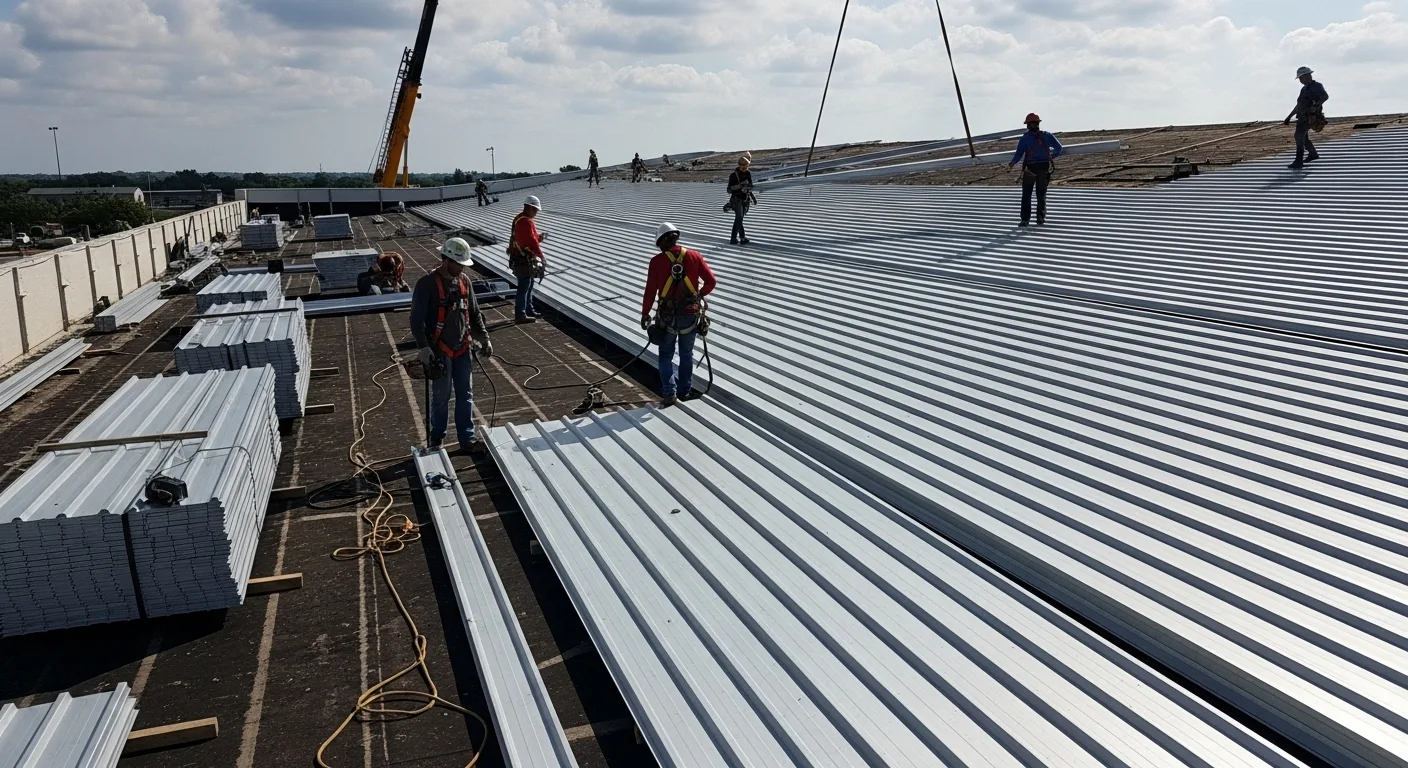
Metal roofing consistently demonstrates superior hail resistance due to its inherent material properties. Steel and aluminum panels can absorb significant impact energy while maintaining their structural integrity and weather-tight seal. Standing seam metal systems offer particular advantages, as the raised seams provide additional structural support and eliminate exposed fasteners that could become failure points during severe weather events.
Premium metal roofing systems often incorporate:
- Stone-coated steel substrates that combine durability with aesthetic appeal
- Specialized coatings that resist UV degradation and thermal cycling
- Concealed fastening systems that maintain wind uplift resistance
- Excellent drainage dynamics that prevent ponding water
Synthetic and Composite Materials
Engineered synthetic roofing materials, including polymer shakes and composite tiles, offer exceptional impact resistance while providing the appearance of traditional materials. These products undergo rigorous testing to achieve high impact ratings and often outperform natural materials in both hail resistance and longevity.
Commercial Roofing Systems for Hail Protection
TPO and PVC Membrane Systems
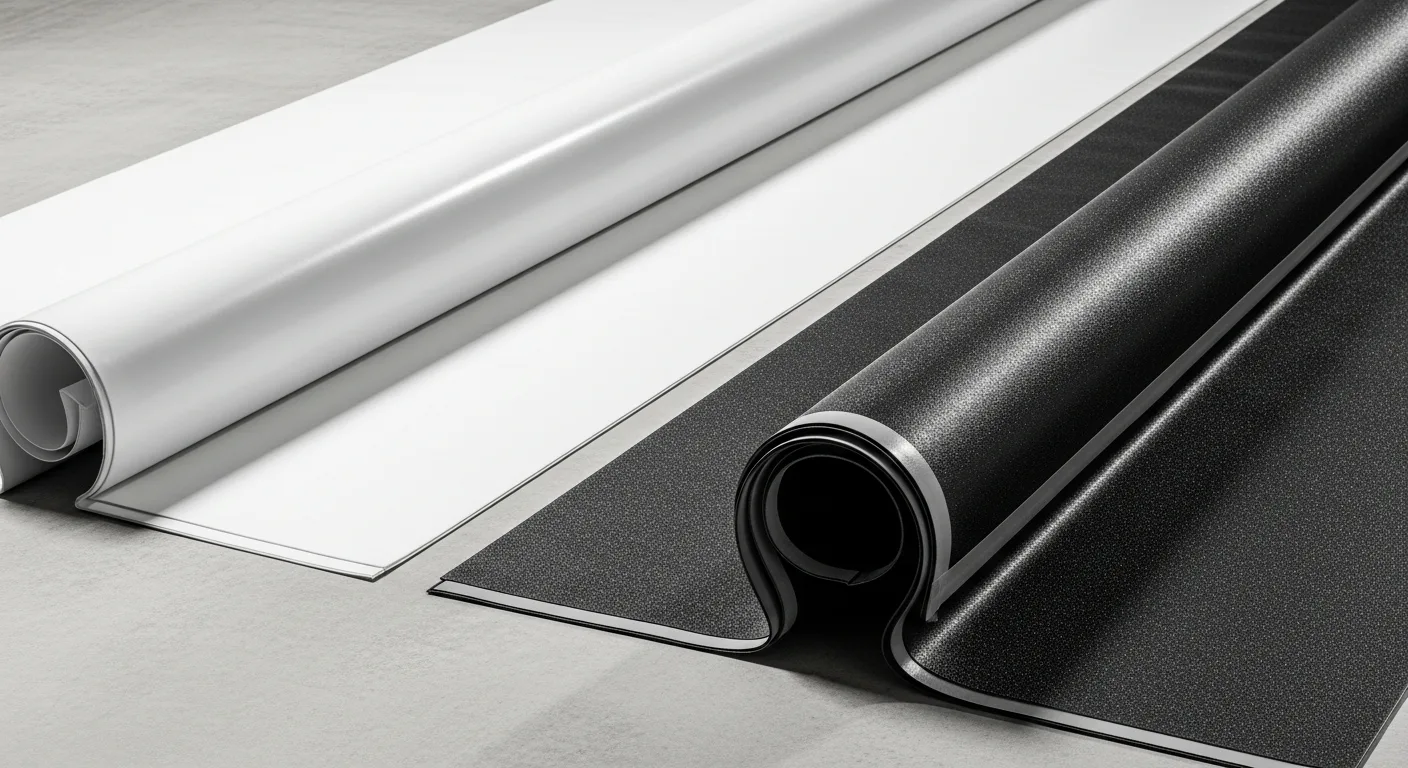
Commercial membrane systems require different considerations for hail protection, as the large, exposed surfaces present unique vulnerabilities. Thermoplastic membranes like TPO (Thermoplastic Polyolefin) and PVC (Polyvinyl Chloride) can be manufactured with increased thickness and specialized formulations to enhance impact resistance.
High-performance commercial systems feature:
- Reinforced membrane construction with polyester or fiberglass scrims
- Increased membrane thickness (60-80 mils) for enhanced durability
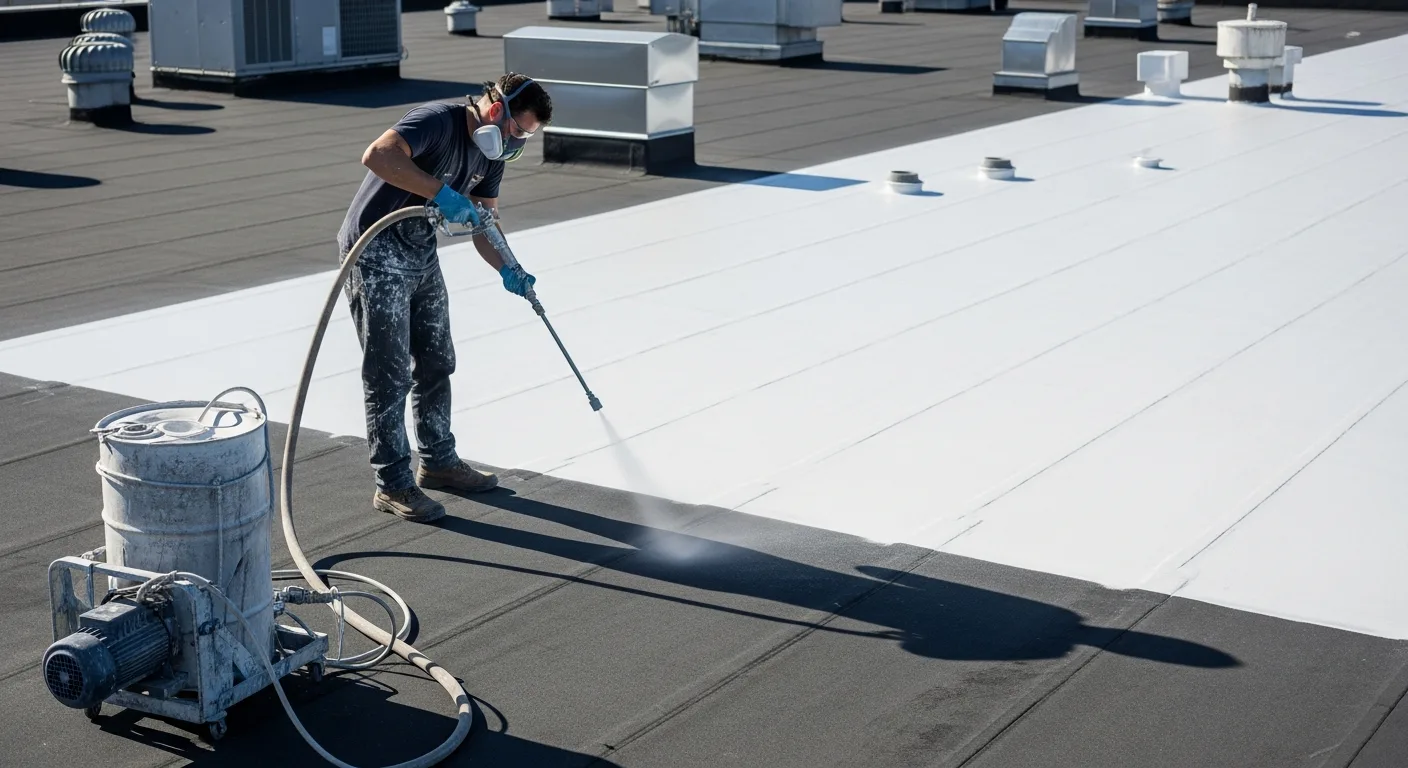
- Cool roof technology that reduces thermal stress and extends lifespan
- Proper insulation systems that provide additional impact cushioning
Modified Bitumen and Built-Up Systems
Multi-layer roofing systems like modified bitumen and built-up roofing (BUR) offer inherent hail protection through their redundant construction. The multiple layers distribute impact forces across the entire roof system, reducing the likelihood of penetration or membrane failure from hail strikes.
Performance in High-Wind and Storm-Prone Areas
In the Texas Panhandle, roofing systems must withstand not only hail impacts but also extreme wind conditions that often accompany severe storms. The combination of high winds and hail creates unique challenges, as loose or damaged materials can become projectiles that cause additional damage to the building envelope.
Effective storm-resistant roofing systems integrate:
- Enhanced fastening patterns that exceed minimum code requirements
- Sealed roof deck systems that prevent wind-driven moisture intrusion
- Impact-resistant materials that maintain their wind uplift resistance after hail events
- Proper flashing and edge details that perform under extreme weather conditions
The National Roofing Contractors Association (NRCA) provides detailed guidelines for designing roofing systems that can withstand combined wind and hail loads, emphasizing the importance of proper installation techniques and quality materials.
Installation and Maintenance Considerations
Even the most advanced hail-resistant materials will underperform without proper installation and regular maintenance. Professional installation ensures that impact-resistant materials achieve their designed performance levels and maintain warranty coverage. Key installation factors include:
- Proper nail placement and fastener selection
- Adequate ventilation systems that prevent moisture buildup
- Quality underlayment that provides secondary weather protection
- Correctly installed flashing and penetration seals
Regular maintenance programs help identify minor issues before they compromise the roof system's storm resistance. This includes cleaning drainage systems, inspecting membrane seams, and replacing damaged materials promptly to maintain the building's overall weather protection.
When to Call a Professional Roofer
Selecting and installing hail-resistant roofing systems requires specialized knowledge of local climate conditions, building codes, and material performance characteristics. Professional roofing contractors can evaluate your specific needs and recommend systems that provide optimal protection for your investment.
Consider consulting with roofing professionals when:
- Planning new construction or roof replacement projects
- Evaluating storm damage and repair options
- Upgrading existing systems for improved hail resistance
- Addressing insurance requirements for impact-resistant materials
At CRS Roofing & Construction, we specialize in installing high-performance roofing systems designed to withstand the severe weather conditions common in the Texas Panhandle. Our experienced team can help you select the most appropriate hail-resistant materials for your property and ensure proper installation for maximum protection. To learn more about your options, visit our residential roofing service page or contact us for a comprehensive roof evaluation and storm protection assessment.
The Texas Panhandle's unique climate presents exceptional challenges for roofing systems, with National Severe Storms Laboratory research indicating that our region experiences some of the most intense hailstorms in the United States. Temperature fluctuations ranging from below freezing in winter to over 100°F in summer create additional stress on roofing materials, making impact resistance even more critical for long-term performance.
Class 4 impact-resistant shingles have proven particularly effective in our region's severe weather conditions. GAF's Timberline HD shingles with Advanced Protection Technology represent one example of how manufacturers are engineering enhanced impact resistance through modified asphalt formulations and reinforced mat construction. These systems must meet stringent ASTM testing standards including ASTM D3161 for wind resistance and ASTM D7158 for impact performance.
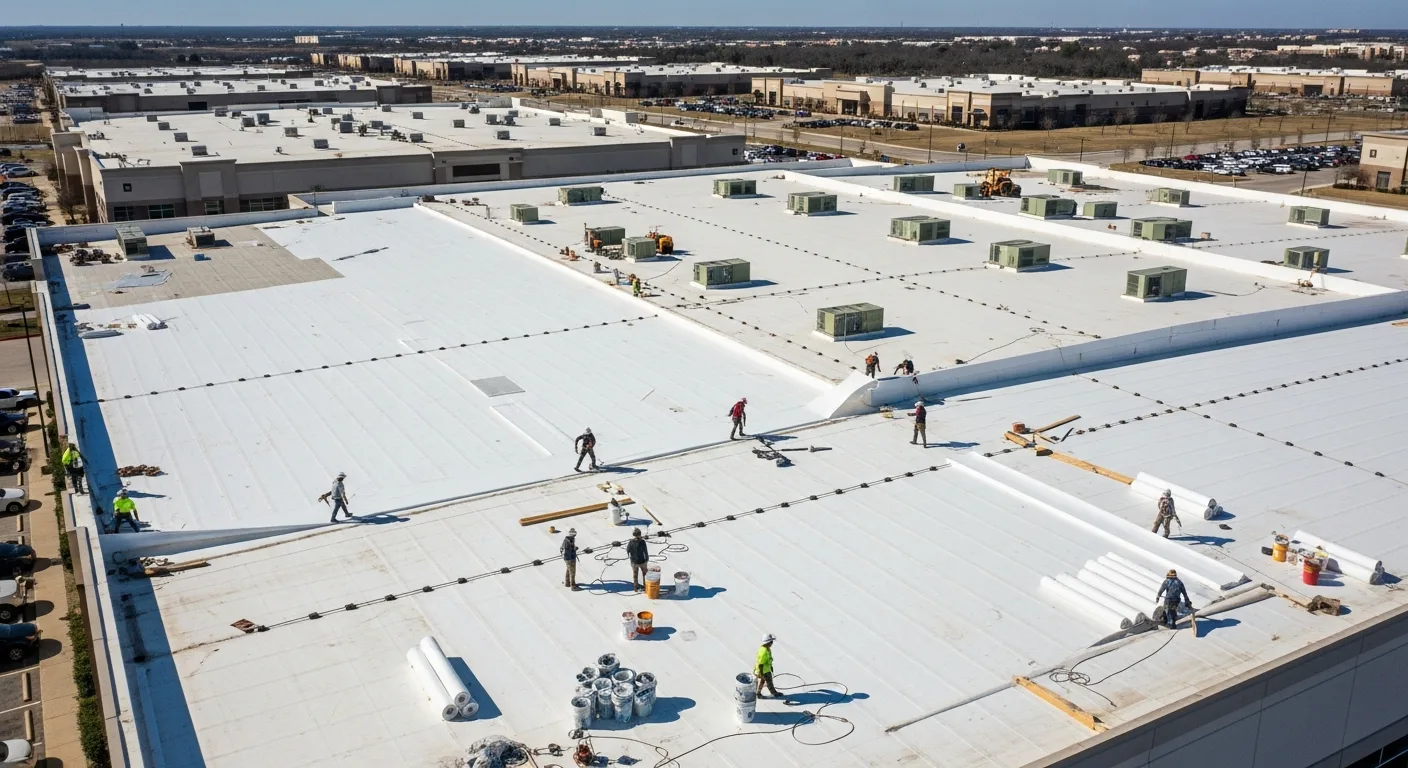
Commercial properties in the Texas Panhandle benefit significantly from single-ply membrane systems designed for impact resistance. Carlisle SynTec's Sure-Weld TPO membranes offer enhanced puncture resistance and can be installed with additional protective layers in high-risk hail zones. The membrane thickness, typically ranging from 45 to 80 mils, directly correlates to impact resistance capabilities.
Safety considerations during and after hailstorms are paramount for property owners and roofing contractors. OSHA fall protection standards require specific safety protocols when assessing hail damage, particularly on steep-slope residential systems. Post-storm inspections should only be conducted by qualified professionals equipped with proper safety equipment and training in damage assessment techniques.
Insurance implications of material selection cannot be overlooked in our hail-prone region. Many insurance providers offer premium discounts for Class 4 impact-resistant roofing systems, with some policies providing extended coverage periods and reduced deductibles. Insurance industry data demonstrates that impact-resistant roofing systems can reduce hail damage claims by up to 30% compared to standard materials, making the initial investment cost-effective over the roof system's lifespan.