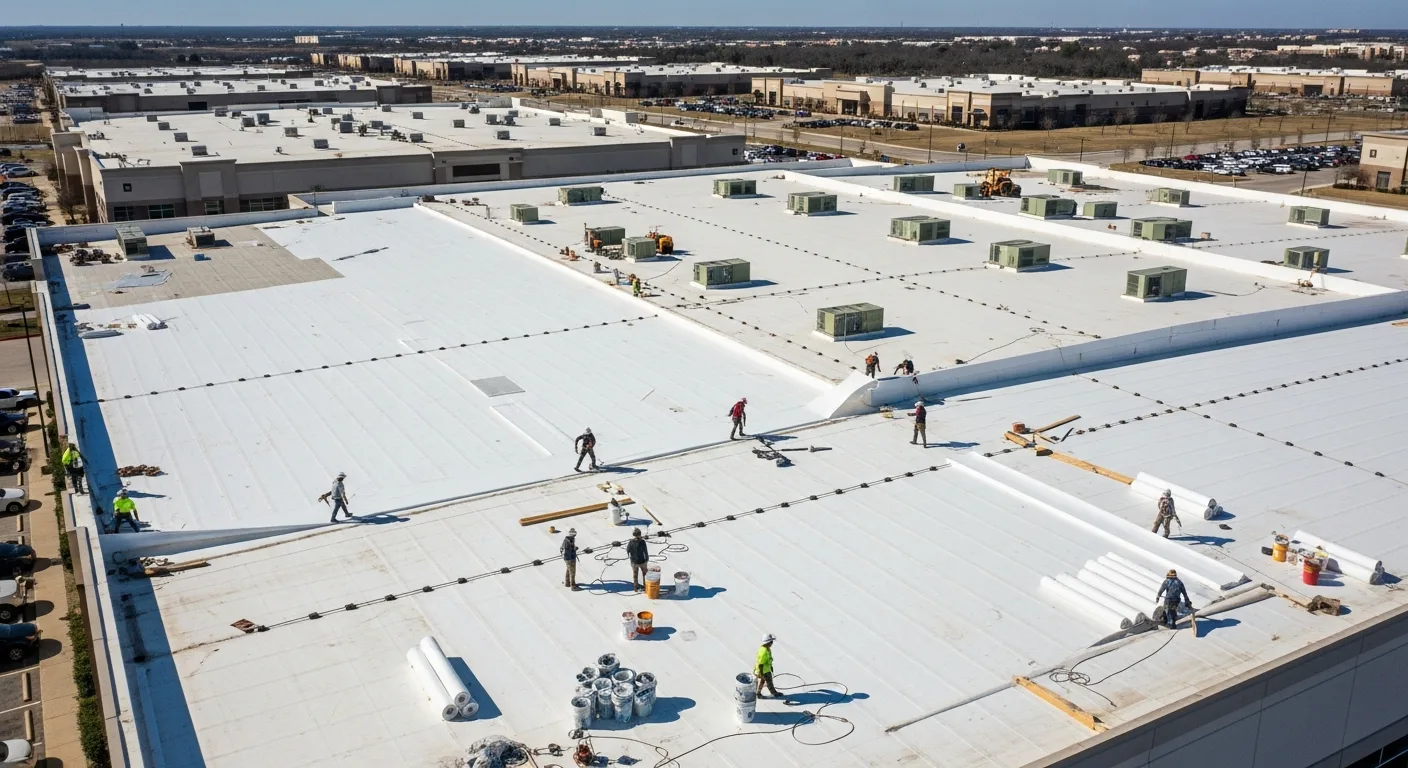
Industrial Facility Roofing Solutions for Amarillo's Manufacturing Sector
Industrial facilities across Amarillo and the Texas Panhandle face some of the most challenging weather conditions in the nation, requiring specialized roofing systems that can withstand extreme environmental stresses while maintaining operational integrity. From manufacturing plants in Canyon to agricultural processing facilities in Hereford, industrial roofing systems must perform flawlessly under conditions that would quickly compromise residential or standard commercial installations.
The Texas Panhandle's industrial corridor, stretching from Borger's petrochemical facilities to Dumas' agricultural operations, experiences weather extremes that test roofing materials to their absolute limits. Summer temperatures regularly exceed 100°F, creating thermal expansion stresses, while winter freezing cycles can cause material contraction and ice dam formation. Perhaps most challenging are the region's frequent severe weather events, including baseball-sized hail storms that can devastate inadequately protected facilities and straight-line winds exceeding 60 mph that can literally lift improperly secured roofing systems.
CRS Roofing & Construction specializes in designing and installing industrial roofing systems specifically engineered for these harsh Panhandle conditions. Our expertise extends across diverse industrial applications, from food processing plants requiring specialized sanitary considerations to heavy manufacturing facilities needing robust load-bearing capabilities. We understand that industrial facility downtime isn't just inconvenient—it's costly, often running thousands of dollars per hour in lost production, making reliable roofing systems a critical business investment.
Our comprehensive approach to industrial roofing encompasses everything from initial structural assessments to long-term maintenance programs, ensuring your facility maintains optimal protection throughout its operational life. Whether you're managing a sprawling manufacturing complex in Pampa or overseeing a specialized processing facility in Dalhart, our team delivers solutions that prioritize both immediate performance and long-term value.
Understanding Industrial Roofing Systems and Requirements
Industrial facility roofing differs fundamentally from other commercial applications due to the unique operational demands and structural considerations inherent in manufacturing environments. These systems must accommodate heavy equipment loads, ventilation requirements, chemical exposures, temperature variations, and specialized access needs while maintaining weathertight integrity under extreme conditions.
Modern industrial roofing systems typically incorporate multiple layers of protection, beginning with structural decking capable of supporting concentrated loads from HVAC equipment, conveyor systems, and maintenance access. The primary waterproofing membrane—whether single-ply TPO, EPDM, or modified bitumen—must be selected based on specific facility requirements including chemical resistance, thermal performance, and puncture resistance. Insulation systems play a crucial role in energy efficiency and condensation control, particularly important in facilities with significant temperature differentials between interior and exterior environments.
In the Texas Panhandle's challenging climate, industrial roofing systems must meet enhanced wind uplift ratings, often requiring Class 90 or higher wind resistance to withstand the region's severe weather patterns. Hail resistance becomes particularly critical, with many facilities requiring Class 4 impact ratings to protect against the large hail stones common to this region. The intense UV exposure experienced across the Panhandle also demands membrane materials with superior UV stability and reflective properties to prevent premature degradation.
Specialized industrial applications often require additional considerations such as chemical resistance for processing facilities, fire resistance ratings for manufacturing operations involving flammable materials, and food-grade materials for agricultural processing plants. Proper drainage design becomes critically important for large roof areas, requiring precise slope calculations and strategically placed drainage systems to handle the intense rainfall events characteristic of Panhandle thunderstorms.
Compliance with building codes and industry standards adds another layer of complexity, with facilities often required to meet specific OSHA safety requirements, FM Global loss prevention standards, and local building code provisions. These requirements influence everything from access provisions and fall protection systems to fire ratings and structural load capacities, making expert knowledge essential for successful project execution.
Key Benefits of Professional Industrial Roofing Systems
Operational Continuity and Production Protection: Professional industrial roofing systems provide the reliable weather protection essential for maintaining uninterrupted production schedules. In manufacturing environments where downtime costs can reach thousands of dollars per hour, a properly installed and maintained roofing system represents critical infrastructure protection. Our systems are designed to prevent weather-related production interruptions, protecting sensitive equipment and materials from moisture intrusion, temperature fluctuations, and debris infiltration.
Energy Efficiency and Cost Reduction: Advanced industrial roofing systems significantly reduce energy consumption through superior insulation performance and reflective membrane technology. In facilities with large roof areas and significant HVAC loads, energy savings can amount to substantial annual cost reductions. Cool roof technologies reflect solar radiation, reducing cooling loads during Amarillo's intense summer months, while proper insulation systems maintain consistent interior temperatures and prevent condensation issues.
Durability Under Extreme Conditions: Industrial roofing systems engineered for Texas Panhandle conditions offer exceptional durability against the region's challenging weather patterns. High-performance membranes resist damage from hail impacts, UV exposure, and thermal cycling, while reinforced attachment systems withstand extreme wind loads. This durability translates to extended service life, reduced maintenance requirements, and lower total cost of ownership over the facility's operational life.
Compliance and Risk Management: Professional industrial roofing installations ensure compliance with applicable building codes, insurance requirements, and industry standards. This compliance protects facility owners from liability issues while potentially reducing insurance premiums through demonstrated risk mitigation. Proper documentation and certification also support facility audits and regulatory inspections, streamlining compliance processes.
Customized Solutions for Specialized Requirements: Industrial facilities often have unique requirements such as chemical resistance, equipment integration, or specialized access needs. Professional roofing systems can be customized to meet these specific demands while maintaining overall system performance. Whether accommodating heavy rooftop equipment, integrating with process ventilation systems, or providing specialized drainage solutions, custom-engineered systems deliver optimal functionality.
Long-term Value and Asset Protection: Quality industrial roofing systems protect the substantial investment represented by industrial facilities and their contents. Beyond immediate weather protection, these systems help maintain property values, support insurance coverage, and provide the reliability essential for long-term operational planning. Proper maintenance and periodic upgrades ensure continued performance throughout the facility's operational life.
Our Comprehensive Industrial Roofing Process
CRS Roofing & Construction follows a systematic approach to industrial roofing projects, beginning with thorough facility assessment and structural analysis. Our certified inspectors evaluate existing conditions, identify potential challenges, and assess load-bearing capacities to ensure optimal system design. This assessment includes detailed documentation of existing conditions, identification of code compliance requirements, and evaluation of any specialized facility needs.
Design and engineering services form the foundation of successful industrial roofing installations. Our team develops detailed specifications based on facility requirements, climate considerations, and operational demands. We coordinate with structural engineers when necessary, ensure compliance with all applicable codes and standards, and provide detailed project documentation including material specifications, installation procedures, and quality control measures.
Project execution emphasizes safety, quality, and minimal operational disruption. Our installation teams are fully trained in OSHA safety requirements and industrial facility protocols. We coordinate closely with facility management to schedule work around production needs, implement appropriate containment measures to prevent contamination, and maintain clear communication throughout the installation process. Quality control inspections at each phase ensure consistent adherence to specifications and standards.
Post-installation services include comprehensive system documentation, warranty registration, and establishment of maintenance programs designed to optimize system performance throughout its service life. We provide facility management teams with complete system information, maintenance schedules, and emergency contact procedures to ensure continued reliability and performance.
Why Choose CRS Roofing for Industrial Facility Roofing
CRS Roofing & Construction brings decades of specialized experience in Texas Panhandle industrial roofing applications, with extensive knowledge of local weather challenges and building requirements. Our team maintains current certifications with leading membrane manufacturers and stays current with evolving industry standards and best practices. We understand the unique demands of industrial facilities and provide solutions specifically engineered for long-term performance under challenging conditions.
Our commitment to quality extends beyond initial installation through comprehensive warranty coverage and ongoing support services. We maintain strong relationships with leading material suppliers, ensuring access to the highest quality products and latest technological advances. Our local presence means responsive service when issues arise, with emergency response capabilities to address urgent facility needs.
From small manufacturing facilities to large industrial complexes, we have the expertise and resources to handle projects of any scale. Our portfolio includes successful installations across diverse industrial applications, demonstrating our ability to adapt our services to specific facility requirements while maintaining consistent quality and reliability. When you choose CRS Roofing, you're partnering with a team that understands the critical importance of reliable roofing protection for industrial operations.
Frequently Asked Questions About Industrial Roofing
What types of roofing systems are best suited for industrial facilities in the Texas Panhandle?
The optimal roofing system depends on specific facility requirements, but metal roofing systems and single-ply membrane systems typically perform best in our climate. Metal systems offer excellent durability against hail damage and high winds, while membrane systems provide superior waterproofing and can accommodate building movement. For facilities with specialized requirements such as chemical resistance or temperature control, we often recommend hybrid systems combining the benefits of multiple technologies.
How do industrial roofing requirements differ from warehouse or commercial applications?
Industrial facilities typically require enhanced structural capabilities to support heavy equipment, specialized ventilation integration, and resistance to chemical exposures or process-related conditions. Unlike standard warehouse roofing, industrial systems must often accommodate complex MEP systems, provide specialized access provisions, and meet industry-specific compliance requirements. Load calculations, drainage design, and safety provisions are typically more stringent for industrial applications.
What maintenance requirements should facility managers expect with industrial roofing systems?
Regular maintenance is essential for optimal performance and typically includes bi-annual inspections, drainage system cleaning, membrane repairs as needed, and sealant maintenance around penetrations. In industrial environments, maintenance may also include contamination removal, specialized cleaning procedures, and coordination with production schedules. We recommend establishing formal maintenance agreements to ensure consistent care and early identification of potential issues.
How can industrial facilities prepare for severe weather events like hail storms?
Preparation involves both proactive design decisions and emergency response planning. Roofing systems should incorporate Class 4 hail resistance ratings and enhanced wind uplift capabilities. Facility emergency procedures should include post-storm inspection protocols, temporary protection measures, and expedited repair procedures to minimize production disruption. Regular inspections help identify and address vulnerabilities before severe weather events occur.
What compliance requirements apply to industrial roofing installations?
Industrial roofing must comply with local building codes, OSHA safety requirements, and often industry-specific standards such as FM Global loss prevention guidelines. Fire ratings, structural load requirements, and environmental regulations may also apply depending on facility operations. Working with experienced contractors ensures proper compliance and documentation throughout the project lifecycle.